Kansas Quail Season Dates
There's nothing quite as frustrating as planning a Kansas quail hunt, getting all your gear ready, only to realize you're unsure of the exact dates or if you even have the right permits. The regulations can feel like a moving target, especially when you're just trying to enjoy a crisp autumn morning chasing those explosive flushes. This guide is here to cut through the confusion, providing clear, up-to-date information on Kansas quail season dates, bag limits, and everything you need to know to hit the fields legally and confidently.
Understanding Kansas Quail Seasons
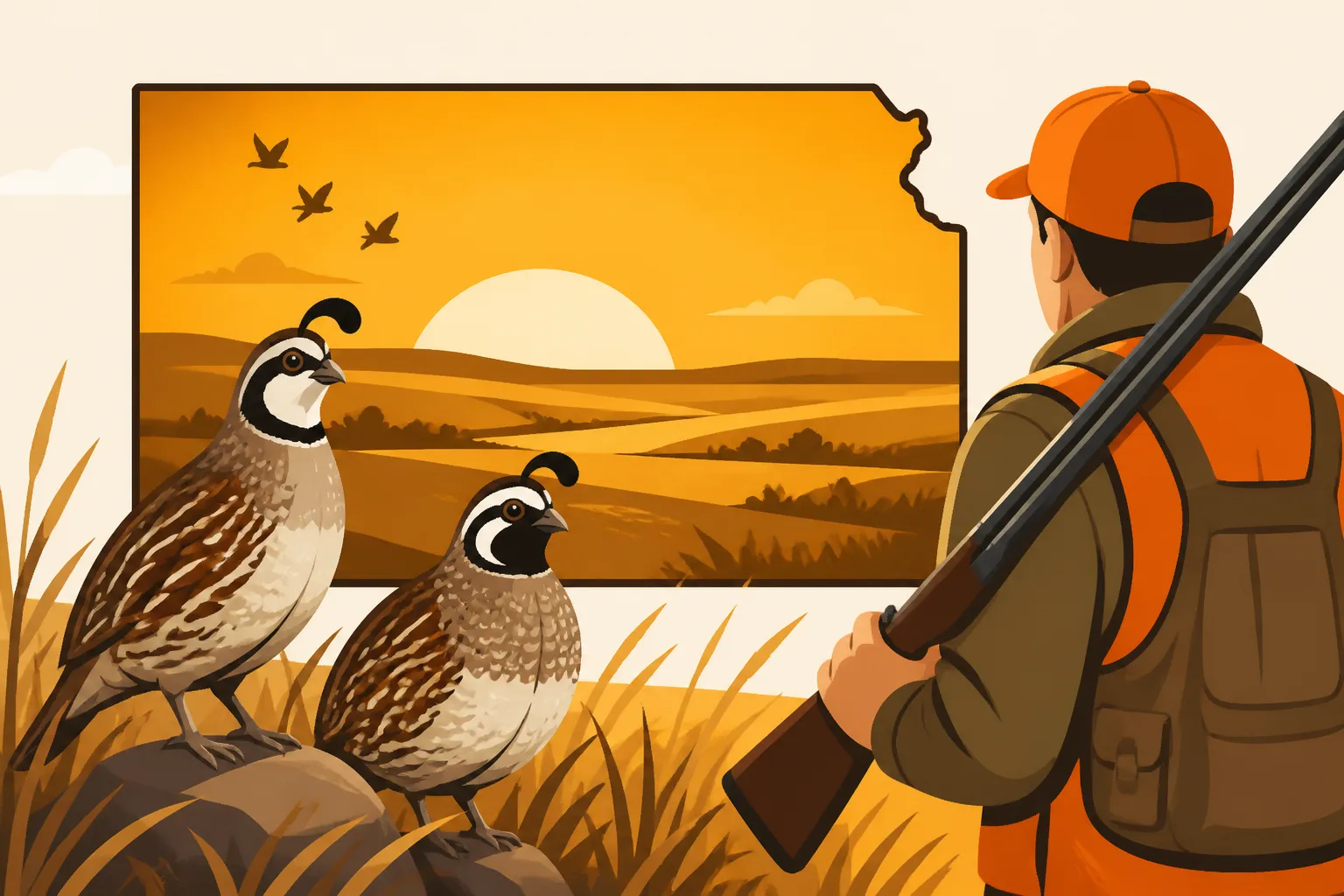
Kansas offers a fantastic opportunity for upland bird hunters, and the bobwhite quail holds a special place in the hearts of many. Knowing when you can legally pursue these fast-flying birds is the first step toward a successful and enjoyable season. The Kansas Department of Wildlife, Parks and Tourism (KDWP) sets these dates annually, and while they can shift slightly year to year, there's a general pattern you can count on.
General Quail Season Dates
The main event, the general quail season, typically kicks off in early to mid-November and runs straight through until the end of January or early February. This extended season gives hunters plenty of opportunities to get out into the fields, whether you're an early bird keen to hit the post-harvest stubble or a late-season enthusiast who loves hunting in colder weather. For the 2023-2024 season, for instance, the general quail season ran from November 11th through January 31st. It's always a good idea to double-check the KDWP's current year regulations just before you head out, as exact dates might see a minor adjustment. This extensive window allows for varied hunting experiences, from mild fall days to snow-dusted winter landscapes, each offering its own unique challenges and rewards for those hunting for Kansas Bobwhite Quail Across Kansas.
The timing of the general season is strategic, aligning with agricultural cycles and the maturation of quail coveys. By November, many crops have been harvested, opening up new hunting ground, and the young birds are strong flyers. The cooler weather also means dogs can work harder for longer without overheating, which is a major plus when you're trying to locate those elusive coveys hiding deep in cover. Later in the season, as natural food sources dwindle, quail often concentrate around remaining cover and food plots, which can make them easier to locate for diligent hunters. This also ties into Late-Season Food Source Hunting strategies for deer, as quail often utilize similar habitat edges.
Youth and Apprentice Quail Seasons
Kansas also offers special opportunities for younger hunters and those new to the sport, typically through a dedicated youth and apprentice quail season. This special early season usually takes place on a specific weekend in late October, preceding the general opener. For example, the 2023-2024 youth and apprentice season was October 28-29. This provides a fantastic, less pressured environment for kids and mentors to enjoy the outdoors and learn the ropes of upland bird hunting.
The intent behind these early seasons is to foster a love for hunting in the next generation and allow new hunters to gain experience without the added pressure of a busy general opener. During this period, only hunters 17 years old and younger, accompanied by an adult 18 or older, or apprentice hunters of any age (who haven't completed hunter education yet) can participate. It's a prime time for teaching gun safety, dog handling, and the art of Dogless Quail Hunting Tactics if a dog isn't part of the picture. The weather can still be quite mild, making for comfortable days in the field, and birds are often less wary, offering excellent learning opportunities for shot placement and understanding covey behavior. Mentors often find this period to be some of the most rewarding hunting of the year, focusing less on the harvest and more on the experience.
Navigating Quail Bag Limits and General Regulations
Beyond knowing when you can hunt, understanding how many birds you can harvest and the general rules of engagement is crucial. These regulations are designed to ensure sustainable populations and fair chase. Ignoring them can lead to fines, loss of privileges, and ultimately, harm to the very resource we cherish.
Daily Bag and Possession Limits
Kansas has specific limits on how many quail you can harvest per day and how many you can have in your possession. These limits are in place to manage the bird population effectively. For bobwhite quail, the daily bag limit is typically 8 birds. This means that in a single day, you cannot harvest more than eight quail.
The possession limit, which refers to the total number of birds you can have on your person, in your vehicle, or stored at your camp or home, is usually 24 birds. This limit is often three times the daily bag limit and is designed to allow hunters to take multi-day trips without exceeding sustainable harvest levels. For instance, if you hunt two days and take eight birds each day, you'd have 16 in possession. You could hunt a third day and take eight more, bringing your total to 24, but then you'd be at your possession limit and couldn't harvest any more until some were consumed or processed, bringing your total below 24. Always review the current KDWP upland bird regulations for the definitive Kansas Quail Bag and Possession Limits before your hunt, as these numbers are subject to change, albeit rarely for quail.
Legal Shooting Hours
Just like many other game species, there are specific legal shooting hours for hunting quail in Kansas. Generally, upland birds like quail can only be hunted from sunrise to sunset. This regulation is in place for safety reasons, ensuring adequate visibility, and to prevent undue stress on wildlife during nocturnal hours when they are less active and more vulnerable. It also helps manage hunting pressure.
Planning your hunt around these hours is essential. You'll want to be in your hunting spot, ready to go, shortly before sunrise to capitalize on the morning activity. Similarly, you need to be mindful of the approaching sunset and cease hunting operations promptly once the sun dips below the horizon. Tools like the GoHunt app or other hunting-specific weather apps often provide precise sunrise and sunset times for your specific location, taking the guesswork out of it. This helps ensure you're always hunting within legal parameters and making the most of prime hunting times when quail are typically most active, moving from roosting areas to feeding grounds.
Required Licenses and Permits
Before you even step foot in a Kansas field, you need to ensure you have the proper licenses and permits. This isn't just a formality; it's how Kansas funds its conservation efforts and wildlife management programs. For resident and non-resident hunters alike, the requirements are pretty straightforward but absolutely necessary.
All hunters aged 16 and older need a valid Kansas hunting license. Non-residents will need a non-resident hunting license. Additionally, anyone hunting migratory game birds (which quail are not, but many hunters pursue them alongside other species like doves) or upland birds in Kansas must register annually with the Harvest Information Program (HIP). While quail themselves aren't migratory game birds, the HIP registration covers all upland birds, making it a universal requirement for species like pheasants, prairie chickens, and quail. This registration is free and simply involves answering a few questions about your previous year's hunting success. You can often complete both your hunting license purchase and HIP registration through the KDWP website or through the Go Outdoors Kansas portal. Make sure you understand the nuances of the Kansas Small Game Licence Requirements.
An important note for youth hunters: while those 15 and younger do not need a hunting license, they still need to complete hunter education if they are hunting unsupervised. If they are hunting under an apprentice license or as part of the youth season, they must be accompanied by a licensed adult. It's always a good idea to carry your licenses and any relevant permits with you while hunting, either in physical form or digitally on your phone, to present to a conservation officer if requested.
Key Factors for a Successful Kansas Quail Hunt
Kansas is renowned for its upland bird hunting, and quail are a significant part of that legacy. However, success isn't just about showing up during the season. Several environmental and biological factors play a huge role in quail populations and where you'll find birds. Understanding these can significantly increase your chances of a productive hunt.
Habitat Conditions and Weather
Bobwhite quail are inextricably linked to specific habitat types. They thrive in areas that provide a mosaic of cover – dense plum thickets, brushy draws, CRP (Conservation Reserve Program) grasslands, and un-mowed field edges – interspersed with good food sources like crop stubble (milo, corn, wheat), weed seeds, and insects. Abundant rainfall during the spring and early summer is critical for good insect populations, which poults (young quail) rely heavily on for protein. Dry conditions during this period can severely impact poult survival, leading to lower bird numbers in the fall.
Conversely, excessively wet springs can also be detrimental, especially if nesting habitat gets flooded. Ideal conditions usually involve moderate, well-timed rainfall through the nesting and brood-rearing periods. Extreme winter weather, particularly heavy snowfalls that persist for extended periods and cover food sources, can also lead to significant quail mortality. When scouting, pay close attention to the quality of the habitat. Look for those plum thickets and brushy draws that offer escape cover from predators and harsh weather, especially when considering Plum Thickets and Quail Cover. This type of diverse cover is essential for quail survival throughout the year.
Population Trends and Cycles
Quail populations naturally fluctuate in cycles, often influenced by a combination of weather, habitat availability, and predation pressure. Kansas, like many quail states, has seen its ups and downs in bird numbers. The KDWP conducts annual surveys, like roadside call counts and wing-barrel surveys, to monitor these trends. You can often find summaries of these reports on their website, which can give you a general idea of which regions might have higher or lower bird numbers in any given year. For instance, strong nesting seasons, often following mild winters and ideal spring rains, can lead to a boom in Quail Numbers After a Wet Spring.
While some areas of Kansas consistently hold quail, others can be more variable. Western Kansas, with its sand sage and yucca grasslands, and central Kansas's Flint Hills with their tallgrass prairies and brushy draws, are traditional strongholds. However, pockets of birds can be found across much of the state where good habitat exists. Understanding these broader trends can help you manage expectations and focus your scouting efforts. A good year means more coveys and larger Quail Covey Size and Behaviour, while a down year might require more legwork to find birds. Checking KDWP forecasts and talking to local biologists or veteran hunters can provide valuable insights into current year expectations.
Finding Good Quail Habitat
The real key to consistent quail hunting success, especially on public land or Walk-In Hunting Access (WIHA) tracts, is the ability to identify and locate prime habitat. Quail are edge-species; they thrive where different cover types meet. Think about where a dense hedgerow borders a milo field, or where a brushy creek bottom winds through a CRP field. These "edge habitats" provide everything a quail needs: food from the crop or weed seeds, nesting cover in the grass, and escape/roosting cover in the thicker brush.
Using tools like the GoHunt app or the Kansas Hunting Atlas to scout aerial imagery can be incredibly effective. Look for patterns in the landscape: linear features like old fence rows with overgrown brush, timbered creek draws, and transitions between cultivated fields and dense grasslands. Pay attention to how these features connect, creating travel corridors and escape routes. Walk-in areas often have signs of old homesteads or abandoned farmsteads, which frequently host plum thickets or other dense cover that has matured over the years, making them quail magnets. It's not just about finding any cover, but finding the right kind of cover that offers diverse benefits to a covey throughout the day and across seasons.
Here's a quick summary of the key Kansas quail season information:
| Season Type | Typical Dates | Daily Bag Limit | Possession Limit | Legal Hours | Notes |
|---|---|---|---|---|---|
| Youth/Apprentice Season | Late October (1 weekend) | 8 | 24 | Sunrise to Sunset | Youth (17 & under) or Apprentice (any age) with adult mentor |
| General Quail Season | Early Nov. to Late Jan./Early Feb. | 8 | 24 | Sunrise to Sunset | Open to all licensed hunters |
Remember, while these dates and limits are typical, always verify the most current regulations on the official KDWP website or through the GoHunt platform before planning your hunt. The KDWP releases its hunting and fishing regulations summary annually, usually in late summer, which is your definitive source for the upcoming seasons.
Required Licenses and Permits for Quail Hunting
Getting your licenses and permits in order is non-negotiable for any hunting adventure in Kansas, and quail hunting is no exception. It's the foundation of legal and ethical hunting, and it directly supports the wildlife management and habitat conservation efforts that make Kansas a premier hunting destination.
Understanding License Types and Costs
For residents of Kansas, a standard resident hunting license is required for anyone 16 years of age or older. These licenses are typically available for purchase online through the KDWP website, at KDWP offices, or from various license vendors across the state. The cost is generally quite reasonable and helps fund local wildlife projects. If you're a non-resident, the price for a non-resident hunting license is higher, but it grants you access to all the same general hunting opportunities as residents, including chasing those bobwhite coveys. It's important to remember that these licenses are typically valid for a specific license year, usually from January 1st to December 31st.
For the youngest hunters, those aged 15 and under, a hunting license is not required. However, they must either complete a hunter education course or hunt under the direct supervision of a licensed adult (18 years or older) through the apprentice hunting program. This apprentice program is a fantastic way to introduce new hunters of any age to the sport under the guidance of an experienced mentor, ensuring safety and proper technique from the start. For detailed pricing and more on the Kansas Hunting Licence and Permit Costs, the KDWP website is your best resource.
The Harvest Information Program (HIP) Registration
While not a permit in the traditional sense, the Harvest Information Program (HIP) registration is a critical annual requirement for all hunters pursuing migratory game birds, which includes species like doves, ducks, and geese. However, Kansas also includes upland game birds like quail, pheasants, and prairie chickens under the HIP registration requirement. This means if you plan to hunt quail, you must register with HIP each year.
The good news is that HIP registration is free and relatively quick. You simply answer a few basic questions about your hunting success the previous year for various game categories. This data helps state and federal agencies manage migratory and upland bird populations more effectively by providing valuable harvest estimates. You can usually complete your HIP registration when you purchase your hunting license online, ensuring you're compliant before you even head to the field. Failure to register can result in a citation, even if you have a valid hunting license, so don't overlook this crucial step.
Hunter Education Requirements
Safety is paramount in hunting, and Kansas takes its hunter education seriously. All hunters born on or after July 1, 1957, must complete a certified hunter education course to purchase a hunting license in Kansas. This course covers firearm safety, responsible hunting practices, wildlife identification, and hunting ethics. It's a foundational step that ensures hunters have the knowledge and skills to be safe and responsible afield.
There's an exception for those participating in the apprentice hunter program, where individuals can hunt without hunter education if they are directly supervised by a licensed adult hunter aged 18 or older. This allows new hunters to try the sport before committing to the full hunter education course. However, for anyone planning to hunt independently, getting that hunter education certificate is a mandatory and beneficial step. There are both in-person and online course options available, making it convenient to complete the requirement. Having a hunter education card is not just about legality; it's about demonstrating competence and commitment to safe and ethical hunting.
Disclaimer
The information provided in this guide is for general informational purposes only and is subject to change. While we strive to provide accurate and up-to-date content, hunting regulations, season dates, and permit requirements can be modified by the Kansas Department of Wildlife, Parks and Tourism (KDWP) at any time. It is the sole responsibility of the hunter to consult the official KDWP regulations summary, available on their website or from license vendors, before engaging in any hunting activity. Always confirm the most current rules and regulations to ensure compliance and a safe, legal hunting experience.