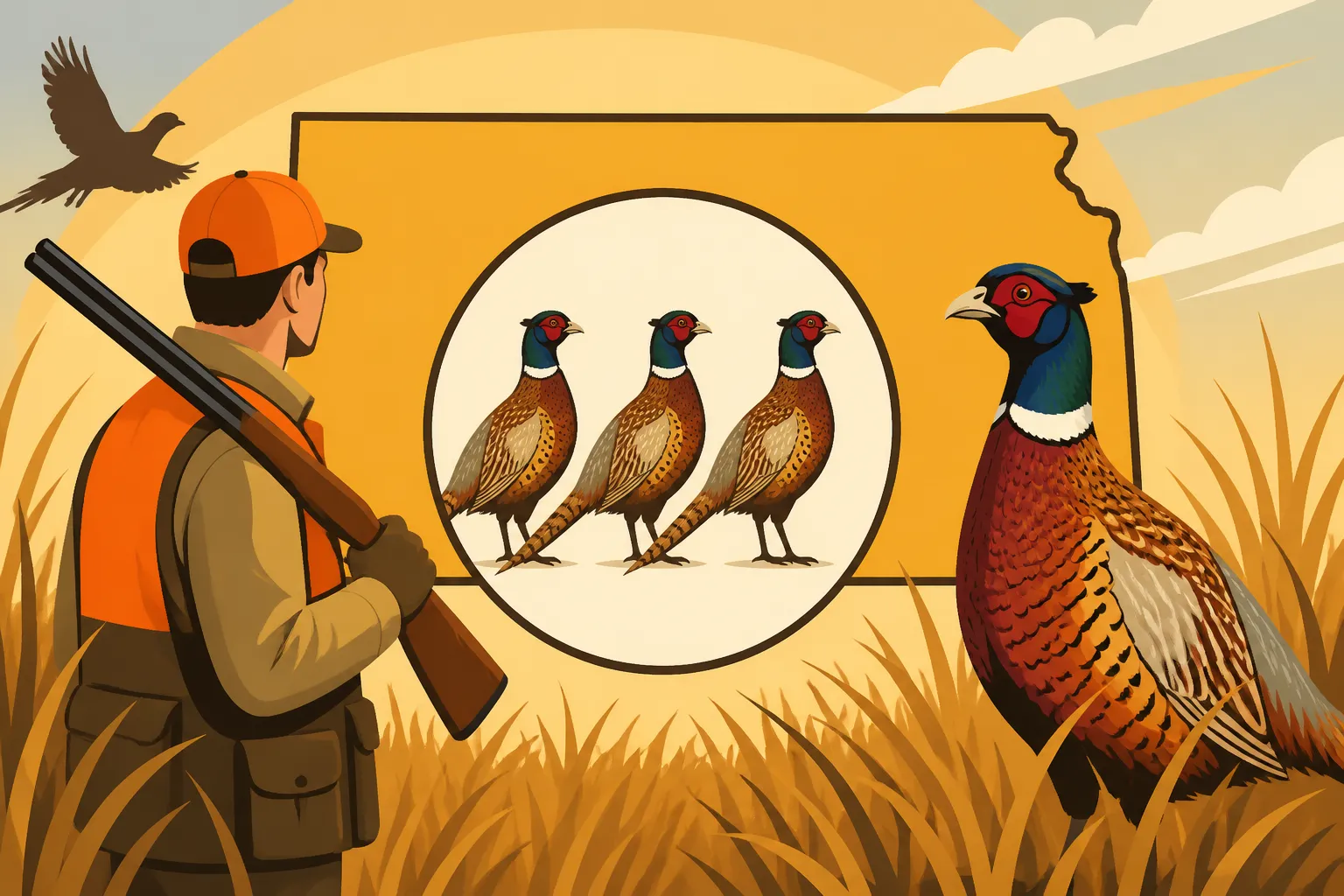
Kansas Pheasant Possession Limit
Many hunters, especially those traveling from out of state or planning multi-day trips, often get tripped up by the nuances of hunting regulations, and one of the most common points of confusion for pheasant hunters in Kansas is the possession limit. It's not just about how many birds you can shoot in a single day; it's about the cumulative total you can legally have on hand. This guide aims to clear up all that uncertainty, offering practical advice to ensure your Kansas pheasant hunt is both successful and fully compliant with the rules.
Understanding the Difference Between Daily Bag and Possession Limits
It's a common mistake, lumping all "limits" into one basket. But when it comes to pheasant hunting in Kansas, there's a crucial distinction between your daily bag limit and your possession limit. Getting these two mixed up can lead to unnecessary headaches, or worse, legal trouble. Trust me, nobody wants to end a great hunt with a conversation with a game warden about rules they didn't quite understand.
Defining the Daily Bag Limit
Think of the daily bag limit as what you can put in your vest today. It's the maximum number of pheasants any single hunter can harvest and retain within a 24-hour period (from midnight to midnight). For pheasants in Kansas, this is typically a very specific number. Currently, the Kansas daily bag limit for pheasants is 4 roosters. This means that, no matter how good the hunting is, once you've downed four birds, you need to stop shooting pheasants for the day. This limit is designed to spread out the harvest, ensuring more hunters have an opportunity and that the pheasant population isn't overly impacted by a few exceptionally lucky or skilled individuals. It's a straightforward rule that most hunters quickly grasp, but it's only half the equation when planning a multi-day trip. This is directly related to the general Kansas Pheasant Daily Bag Limit.
Defining the Possession Limit
Now, here's where things often get a bit more intricate, especially for those of us spending more than a single morning chasing longtails. The possession limit in Kansas is the total number of legally harvested pheasants an individual can have in their actual physical possession, custody, or control at any given time, regardless of when or where they were harvested. This includes birds in your cooler, in your vehicle, back at camp, or even birds that have been processed and are sitting in your freezer back home if you're still on your trip. For Kansas pheasants, the possession limit is 16 roosters. This is usually four times the daily bag limit, reflecting the expectation that hunters might accumulate birds over a typical several-day hunting excursion. It’s not just about the birds you shot today, but all the birds you’ve accumulated since your hunt began. It's designed to prevent excessive accumulation of game, ensuring fair distribution and managing overall harvest pressure across longer periods.
Why Two Different Limits Exist
You might wonder why the Kansas Department of Wildlife and Parks (KDWP) bothers with two separate limits. Isn't one enough? The reality is that both serve distinct, important conservation and management purposes. The daily bag limit prevents overharvest on a short-term, per-day basis, ensuring that populations aren't decimated by intensive hunting pressure over a few exceptional days. It encourages hunters to enjoy the experience without simply focusing on maximizing numbers in a single outing. The possession limit, on the other hand, addresses the cumulative impact. Imagine a hunter staying for a week. Without a possession limit, they could theoretically take their daily bag every day and end up with dozens of birds, far exceeding what's considered reasonable or sustainable for the population. These limits, therefore, work in tandem to manage the resource effectively, balancing hunter opportunity with long-term pheasant population health. Understanding both is paramount for any responsible hunter who wants to enjoy Kansas's fantastic pheasant hunting without running afoul of regulations.
Practical Implications for Your Kansas Pheasant Hunt
Knowing the difference between daily and possession limits is one thing, but applying it to your actual hunting trip in the field and on the road is another. This is where many hunters, particularly those traveling a long distance to hunt Kansas pheasants, find themselves scratching their heads. Planning is key to avoid any last-minute scramble or, worse, having to leave birds behind.
Storage and Transport Considerations
With a possession limit of 16 roosters, you’re going to need a solid plan for storing and transporting your birds, especially if you’re successful over several days. Freshly harvested pheasants need to be kept cool to prevent spoilage, which usually means a good cooler packed with ice or ice packs. If you're staying at a lodge or hotel, check if they have freezer space available. Many smaller towns in prime pheasant country, like those around Hays or Goodland, might have local locker plants that can process and freeze your birds for a fee, which can be a real lifesaver. When it comes to transportation, ensure your birds are properly tagged if required (though Kansas generally doesn't require individual tagging for upland game unless specific regulations apply, it's always good practice to have your license and proof of harvest readily available). More importantly, make sure they are visibly identifiable as pheasants, especially when crossing state lines, to prevent any confusion with other species or illegally taken game. You don't want to get pulled over with a cooler full of unidentifiable birds.
Multi-Day Hunts and the Possession Limit
This is where the possession limit truly comes into play. Let’s say you’re on a four-day pheasant hunt.
- Day 1: You harvest 4 roosters (hitting your daily bag limit). You now possess 4 birds.
- Day 2: You harvest another 4 roosters. Your total possession is now 8 birds.
- Day 3: Another successful day, 4 more roosters. Your total possession is 12 birds.
- Day 4: You've still got room! You can harvest 4 more roosters, bringing your total to 16. At this point, you've hit the possession limit. Even if it's the best hunting day of your life, you cannot legally shoot or keep any more pheasants until you've reduced your possession to below 16 (e.g., by consuming some or giving them to others legally). This scenario underscores why careful tracking and planning are essential. Consider using a hunting app like GoHunt to keep a digital log of your harvest each day, helping you stay well within the limits. This can be especially useful when you're focusing on tactics for Upland Bird Hunting Kansas Grass and Milo Edges or Working Pheasant Fields Without a Dog.
Here's a quick table to illustrate how possession limits accrue:
| Hunting Day | Daily Harvest (Roosters) | Cumulative Possession (Roosters) | Status |
|---|---|---|---|
| Day 1 | 4 | 4 | Below Limit |
| Day 2 | 4 | 8 | Below Limit |
| Day 3 | 4 | 12 | Below Limit |
| Day 4 | 4 | 16 | At Limit |
| Day 5 | 0 (Cannot Harvest) | 16 | At Limit |
Note: You can only harvest if your cumulative possession from previous days plus your current day's harvest doesn't exceed 16. If you processed and shipped 8 birds home on Day 3, your possession would drop, allowing for more harvest.
Traveling Out-of-State with Pheasants
For many nonresident hunters, the journey home with their hard-won pheasants is part of the experience. But interstate travel with game birds adds another layer of regulation to consider. While Kansas's possession limit dictates how many birds you can acquire and hold within the state, your destination state might have its own rules regarding the transport and possession of game. Always, always check the regulations of any state you will be passing through, and your home state, before you leave Kansas. Some states require game to be fully processed, tagged with specific information, or even have limits on how many birds you can import. For example, some states might require the head or a fully feathered wing to remain attached to the bird until it reaches its final destination or is prepared for consumption. Ensure your Kansas hunting license and any necessary permits are readily accessible, as you may be asked to prove lawful harvest during travel. Being prepared and informed on these varying regulations will save you a lot of grief and ensure a smooth trip home.
Ensuring Compliance and Navigating Kansas Regulations
Compliance might sound like a dry, bureaucratic term, but it's really about being a responsible, ethical hunter. Nobody wants to get a ticket or ruin a hunt over something that could have been easily avoided. Navigating the sometimes-complex world of hunting regulations takes a little effort, but it's entirely manageable.
Record Keeping and Documentation
While Kansas doesn't typically require individual tags for each pheasant like it might for deer, maintaining your own records is a brilliant habit to develop, especially when dealing with a possession limit over multiple days. A small hunting journal, a note on your phone, or even a simple spreadsheet can help you track your daily harvest. This isn't just for compliance; it's also helpful for managing your game, ensuring no birds go to waste. You might note the date, location (e.g., specific Kansas Walk-In Hunting Access Explained tract or private land), and number of birds taken. If you're hunting with a group, having a shared understanding of everyone's cumulative possession is also important, particularly if you're pooling birds for processing or transport. While not legally required for upland birds, having your Kansas hunting license and any permits (like the Kansas Small Game Licence Requirements) with you at all times is mandatory and serves as your official documentation of legal hunter status.
Common Misunderstandings and How to Avoid Them
One of the most frequent misunderstandings stems from the "at home" rule. Many hunters believe that once birds are frozen in their home freezer, they no longer count towards their possession limit. This is often not the case, especially if you are still actively hunting or planning to return to hunt in the same season. The possession limit applies to birds in your custody at any given time, regardless of location, until they are consumed or legally transferred. It’s important to understand the definition of "possession" as defined by KDWP in their annual Kansas Regulation Summary Release Date. Another common pitfall is misunderstanding the calendar day versus a 24-hour period. Daily limits are typically by calendar day (midnight to midnight), not by a rolling 24-hour window from the moment you shoot your first bird. For instance, if you shoot 4 pheasants at 8 AM, you cannot shoot more pheasants until after midnight. To avoid these misunderstandings, always consult the most current KDWP regulations, available on their website or in their annual hunting abstract. Don't rely on anecdotal advice from hunting forums or older regulations.
Utilizing Available Resources for Planning and Compliance
Kansas offers several excellent resources to help hunters stay informed and compliant. The KDWP website is your first and best stop for the most up-to-date regulations. They typically publish a new hunting and fishing abstract each year, which outlines all the season dates, bag limits, and possession limits for all game species. You can usually find the abstract online or pick up a physical copy wherever hunting licenses are sold. Additionally, tools like the Kansas Hunting Atlas, often integrated into mapping apps like GoHunt, can provide vital information, especially when hunting Public Hunting Land in Kansas. These platforms can help you identify public access areas and understand specific regulations that might apply to certain tracts, such as areas with specific Kansas Pheasant Season Dates or other Kansas Pheasant Daily Bag Limit adjustments. Don't hesitate to contact KDWP directly if you have a specific question that isn't clearly answered in the abstract. They are there to help and prefer that hunters call for clarification rather than making assumptions that could lead to violations. Being proactive with your research using tools like GoHunt and official KDWP resources will set you up for a hassle-free and enjoyable pheasant hunting experience.
Maximizing Your Kansas Pheasant Experience Within Limits
Hunting isn't just about the numbers; it's about the experience, the challenge, and the connection to the outdoors. Understanding and respecting the possession limit allows you to fully embrace these aspects without the stress of potential violations. It encourages thoughtful hunting and better game management.
Focusing on Quality Over Quantity
When you know your limits, both daily and possession, it naturally shifts your focus from merely "filling the freezer" to appreciating the hunt itself. Instead of rushing to shoot every bird you flush, you can take a moment to savor the crisp Kansas air, admire the dog work, or simply enjoy the camaraderie with your hunting partners. This mindset often leads to more ethical shots, better bird recovery, and a more fulfilling overall experience. Knowing you have 16 birds to potentially take over your trip means you don't have to push hard every single day. You can prioritize hunting diverse areas, experimenting with different techniques like Blocking and Driving Kansas Milo Fields, or simply exploring new Where Kansas Pheasants Concentrate spots, rather than feeling pressured to hit your daily bag limit every single morning.
Planning for Processing and Distribution
With a possession limit of 16 roosters, you’ll have a fair amount of delicious wild game to take home. Planning for processing – whether you do it yourself or use a local locker plant – is an important part of the post-hunt process. Consider how you'll pluck or breast the birds, and how you'll package them for long-term freezer storage. If you’re processing them yourself, make sure you have the necessary equipment and space. Many hunters find that having a dedicated cooler for cleaned birds, separate from the one for whole birds, makes the process more organized. This also brings up the opportunity to share your bounty. If you find yourself approaching the possession limit early, or if you simply want to share your success, legally gifting birds to friends or family is an excellent way to enjoy the fruits of your labor while still adhering to regulations. Just make sure any gifted birds are properly labeled with the hunter's name, address, and license number to ensure traceability, although this is more crucial for big game, it's a good practice for all game.
Staying Informed About Population Trends and Regulations
Pheasant populations in Kansas, like all wildlife, can fluctuate due to factors like weather patterns, habitat availability, and land use changes. A harsh winter or a particularly dry nesting season can impact bird numbers, leading the KDWP to adjust seasons or limits in response. For instance, changes in Rainfall and Pheasant Numbers can have a significant effect. Keeping an eye on these trends and any regulatory updates is crucial. Many hunting apps, including GoHunt, offer regulatory updates or links to official state resources that can help you stay current. Reading the annual Kansas Pheasant Population Cycles reports and paying attention to KDWP news releases will not only make you a more informed hunter but also help you understand the reasoning behind specific limits and seasons. Being aware means you can plan your hunts more effectively, knowing what to expect in the field and how to remain a responsible steward of the resource. Don't forget to review Kansas Hunter Orange Requirements for your safety and compliance during the season.
Disclaimer
This guide provides general information based on current Kansas hunting regulations. Hunting laws are subject to change. Always consult the official Kansas Department of Wildlife and Parks (KDWP) regulations and abstracts for the most accurate and up-to-date information before planning your hunt.