Rainfall and Pheasant Numbers
Many of us eagerly anticipate pheasant season, dreaming of crisp autumn mornings and the explosive flush of a rooster. But year after year, hunters across Kansas find themselves asking, "How will the pheasant numbers be this season?" It's a question often met with shrugs or speculation, largely because so many factors are at play, and perhaps none are as critical, yet as misunderstood, as rainfall. This guide will meticulously break down the intricate connection between Kansas's weather patterns and the health of its vibrant pheasant populations, helping you understand the complex dynamics at play.
The Intricate Dance of Rainfall and Pheasant Success
Pheasant hunting in Kansas is deeply woven into the fabric of the state's agricultural landscape and, by extension, its weather. We often talk about "good years" and "bad years" for pheasants, and while many elements contribute to these fluctuations, the amount and timing of rainfall are almost always at the top of the list. It's not just about getting some rain; it's about getting the right kind of rain, at the right time, in the right amount. It's a delicate balance that can make or break a hunting season, dictating everything from chick survival rates to the abundance of crucial habitat.
The Annual Fluctuation Rollercoaster
Anyone who has hunted pheasants for more than a couple of seasons knows the feeling of anticipating the annual Kansas pheasant forecast. One year, reports might be glowing, with tales of bumper hatches and birds seemingly everywhere you look. The next, those same fields might feel eerily empty, despite efforts to scout thoroughly. This rollercoaster isn't random; it's often a direct reflection of the previous year's and current year's weather patterns. Kansas is a state known for its extremes, from searing droughts to sudden deluges, and pheasants are exceptionally vulnerable to these environmental shifts, particularly during their critical breeding and brooding periods. Understanding these patterns is key to predicting Kansas Pheasant Population Cycles.
Linking Weather Patterns to Bird Counts
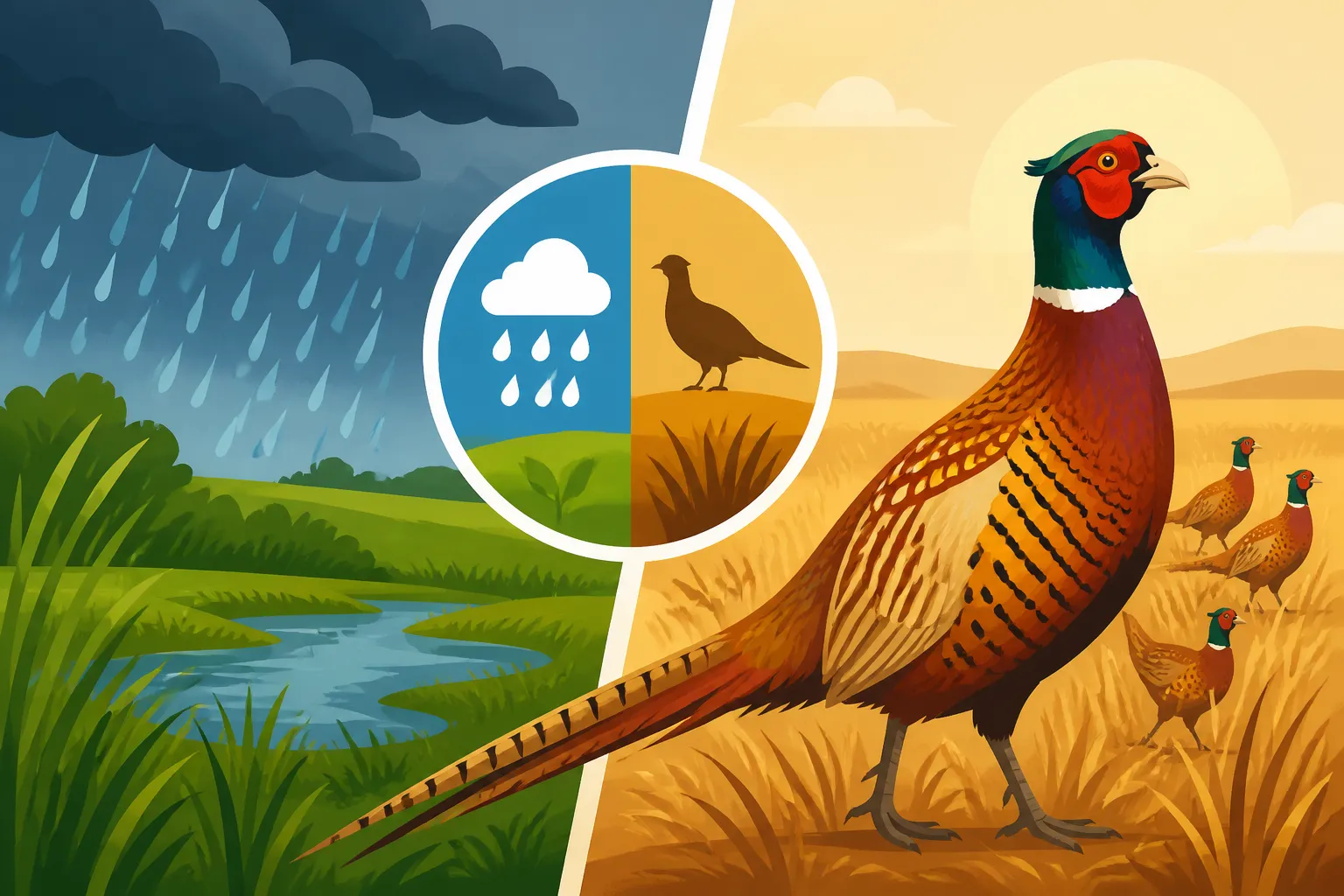
Wildlife biologists and state agencies, like the Kansas Department of Wildlife and Parks (KDWP), meticulously track roadside counts and other data to assess pheasant numbers. When you dig into their reports, you'll consistently find correlations between these counts and historical rainfall data. A year with a mild, wet spring followed by a warm, relatively dry summer often leads to robust populations because it provides ideal conditions for nesting hens and vulnerable chicks. Conversely, a drought-stricken spring or a summer marked by torrential downpours can spell disaster for the hatch, leading to noticeably fewer birds come fall. This direct link makes rainfall data an invaluable tool for any serious pheasant hunter.
Understanding the Pheasant's Life Cycle: Why Moisture Matters
To truly appreciate the impact of rainfall, we need to consider the pheasant's annual life cycle. Each stage, from egg incubation to chick rearing, has specific moisture requirements, and deviations from these optimal conditions can have cascading negative effects on the overall population. It's a story of survival, where the weather acts as both a benevolent provider and a ruthless gatekeeper.
Nesting Success and Spring Rains
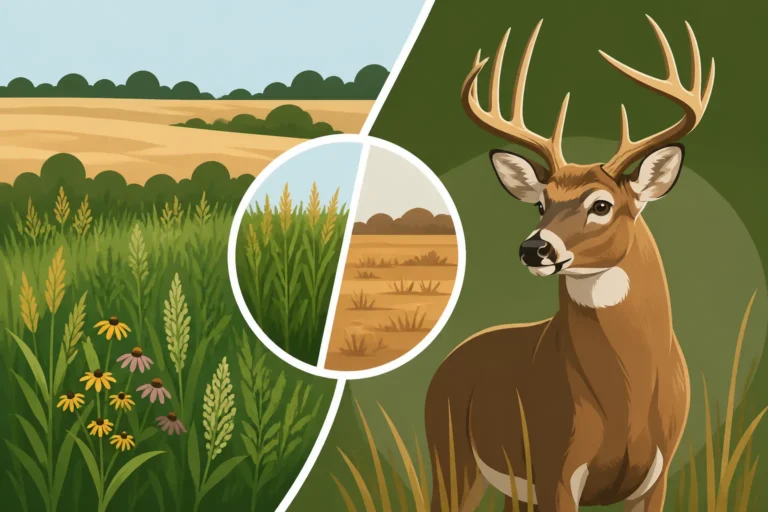
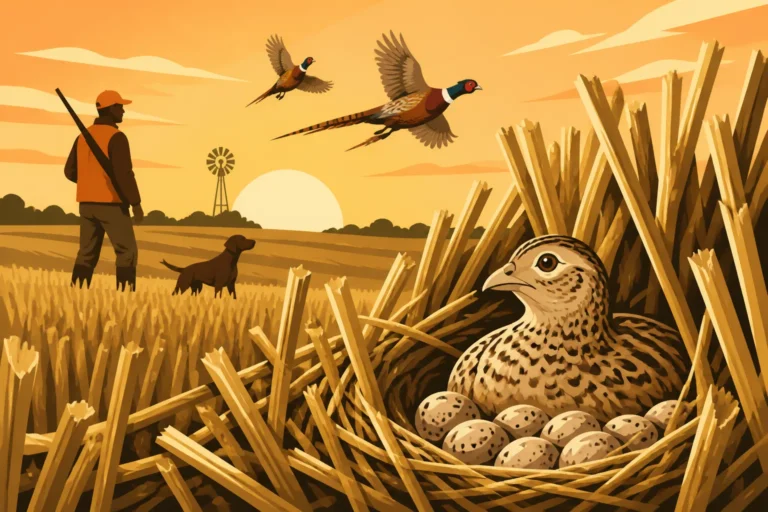
Spring is arguably the most critical time for pheasant reproduction. Hens begin nesting in early spring, often in grassy cover like Conservation Reserve Program (CRP) fields, wheat stubble, or roadside ditches. For successful nesting, they need enough moisture to ensure lush, dense cover that protects nests from predators and the elements. However, too much rain during this period can be catastrophic. Prolonged heavy rains can flood nests, chilling eggs and reducing their viability. Furthermore, a consistently wet and cold spring makes it harder for hens to maintain body temperature, potentially abandoning nests or even succumbing to hypothermia, leading to poor Pheasant Numbers After a Dry Summer. If the cover is too sparse due to drought, nests are exposed, making them easier targets for coyotes, raccoons, and other predators.
Poult Survival and Summer Moisture
Once the eggs hatch, typically in late May or June, the real challenge begins for the tiny pheasant chicks, or "poults." These young birds are incredibly delicate and susceptible to environmental extremes. A warm, dry summer, with just enough intermittent rainfall to promote insect growth, is ideal. Insects are a crucial protein source for rapidly growing poults, and dry conditions make insects more accessible. Conversely, a summer marked by heavy, persistent rains can be devastating. Poults can quickly succumb to hypothermia when wet, as their downy feathers offer little protection. High humidity and standing water can also promote the spread of diseases, further reducing survival rates. While too much rain is bad, a severe drought in summer can also impact poults by reducing insect populations and degrading the cover they need for shelter from predators and heat.
Winter Conditions: A Final Test
While spring and summer rains dominate discussions about pheasant numbers, winter conditions, particularly snow and ice, also play a significant role. Adequate snowfall in winter can actually be beneficial, providing a blanket of insulation for pheasants seeking shelter in dense cover. However, prolonged periods of deep, crusted snow or severe ice storms can seal off crucial food sources, making it incredibly difficult for birds to find sustenance. Without access to grain in fields or weed seeds, pheasants can starve, and their weakened state makes them more vulnerable to predators and disease. Heavy snow can also damage vital thermal cover, leaving birds exposed. A winter that tests their limits can mean fewer breeding birds entering the critical spring nesting season, setting the stage for lower populations regardless of spring rains.
Too Much or Too Little: The Goldilocks Zone for Pheasants
It’s often said that "perfect is the enemy of good," and nowhere is this more true than with rainfall and pheasant production. There’s a specific sweet spot, a "Goldilocks Zone," where just the right amount of moisture creates optimal conditions. Stray too far to either extreme – too dry or too wet – and the population suffers significantly.
Drought's Devastating Grip
Extended periods of drought are particularly brutal for pheasants. When the ground is parched and rainfall is scarce, several critical issues arise. First, nesting cover suffers. Grasses don't grow tall and dense, leaving nests exposed and vulnerable to detection by predators like hawks, owls, and foxes. Second, the lack of moisture directly impacts the insect population. Insects are a primary food source for young poults, providing essential protein for rapid growth and development. Without abundant insects, poults struggle to thrive and their survival rates plummet. Drought conditions also weaken adult birds, making them less resilient to disease and stress. Hunters checking the Kansas Harvest Report in drought years will often see a noticeable drop in pheasant success, and it's a direct consequence of these environmental pressures. Tools like those on GoHunt can help you overlay historical drought maps with pheasant survey data to see this correlation clearly.
Excessive Rains and Flooding Concerns
On the flip side, too much rain can be equally, if not more, damaging. Heavy, prolonged rainfall during the nesting period can literally drown nests, washing away eggs or chilling them to the point of non-viability. Even if the eggs hatch, young poults are incredibly susceptible to hypothermia in wet, cold conditions. Their small bodies lose heat rapidly, and a sustained downpour can lead to widespread mortality among broods. Furthermore, saturated soils can lead to flooding in low-lying areas, destroying vital habitat and displacing birds. High humidity associated with excessive moisture can also increase the prevalence of diseases and parasites, further weakening the pheasant population. A spring and early summer defined by relentless rain often forecasts a bleak pheasant season for hunters.
The Ideal Rainfall Window
So, what does the "Goldilocks Zone" look like for Kansas pheasants? Ideally, it’s a spring with moderate, well-spaced rainfall. This allows nesting cover to grow thick and lush without saturating nests. Following this, a summer characterized by warm temperatures and relatively dry conditions, punctuated by occasional, light, scattered showers, is perfect. These intermittent rains keep insect populations healthy and provide enough moisture for vegetation to remain robust, offering ample cover, without creating persistently wet conditions that harm poults. It’s this delicate balance that allows hens to successfully bring off clutches and poults to thrive, leading to those exciting years where Kansas Pheasant Population Estimate are through the roof.
Regional Variations: How Rainfall Impacts Different Kansas Zones
Kansas is a vast state, and its climate varies significantly from east to west. This means that the impact of rainfall on pheasant numbers isn't uniform across all regions. What might be a perfect amount of rain in one area could be a devastating drought or a flood in another, making regional analysis crucial for any serious hunter.
Western Kansas: Aridity Challenges
The western third of Kansas generally receives far less annual precipitation than its eastern counterparts. Here, the challenge for pheasants is almost always tied to aridity. When drought hits, it hits hard. Fields that are normally productive for Wheat Stubble and Pheasant Nesting become barren, and the sparse vegetation offers little cover. Water sources become scarce, and insect populations dwindle. In these regions, even what would be considered "normal" rainfall in eastern Kansas can feel like a godsend. Hunters targeting areas like Colby or Dodge City often find that a seemingly small increase in spring and summer moisture can make a dramatic difference in bird numbers, turning a struggling season into a surprisingly good one. The best pheasant hunting in Western Kansas often correlates with years where local rainfall deviates positively from the norm.
Central Kansas: Balancing Act
Central Kansas represents a transitional zone, where the climate is less arid than the west but not as consistently wet as the east. This region often experiences a delicate balancing act. Here, both drought and excessive moisture can pose significant threats. A few inches too little rain, and the habitat struggles, especially in the more open, drier areas. A few inches too much, particularly during nesting, can decimate poult survival. Counties around Hays, Great Bend, or Salina can offer some of the state's most consistent pheasant hunting, but their success hinges directly on hitting that ideal rainfall window during critical periods. Hunters in these zones really need to pay attention to local weather reports, not just statewide averages, to gauge the season's potential. Understanding Where Kansas Pheasants Concentrate in these areas often means knowing which microclimates received beneficial moisture.
Eastern Kansas: Moisture and Habitat
Eastern Kansas generally receives the most annual rainfall. While this might seem beneficial, it presents its own set of challenges for pheasants, which are not native to heavily wooded, wet environments. In the easternmost counties, excessive moisture can lead to dense, almost impenetrable cover that's less suitable for pheasants, making it harder for them to move and find food, and potentially fostering more disease. Flooding can be a more frequent issue along river systems. However, adequate rainfall is still vital for crops and grasslands that create critical pheasant habitat. The key here is not necessarily more rain, but the distribution of that rain. A consistently wet environment can be just as detrimental as a severely dry one, as it can lead to cooler ground temperatures and increased disease prevalence for young birds. Pheasants in eastern Kansas, like around Topeka or Emporia, generally thrive in areas with more open farm ground and managed grasslands that can handle the higher moisture levels without becoming overly saturated.
Beyond Rainfall: Other Factors Influencing Pheasant Populations
While rainfall is undeniably a primary driver of pheasant numbers, it's never the only factor at play. A truly successful pheasant season is the result of a complex interplay of environmental conditions, land management practices, and biological pressures. Ignoring these other elements would give you an incomplete picture of pheasant ecology in Kansas.
Habitat Quality and Land Use Changes
Even with perfect rainfall, poor habitat will limit pheasant numbers. Pheasants need a diverse mix of cover: dense nesting cover in spring, brood-rearing cover that offers insects and protection in summer, winter cover for thermal protection from blizzards, and food sources throughout the year. Changes in agricultural practices, such as the conversion of traditional fence rows and small woodlots to larger, monoculture fields, or the loss of CRP Loss and Kansas Pheasants, directly impact the availability and quality of this essential habitat. Habitat fragmentation, where good cover is broken up into isolated patches, also makes pheasants more vulnerable to predators and less able to thrive. Programs like the CRP have been absolutely critical for boosting pheasant numbers by providing safe, dense cover in agricultural landscapes. GoHunt often integrates public land data with habitat type overlays, which can be invaluable for understanding potential pheasant haunts.
Predation and Disease Pressures
Predators are a constant threat to pheasants at all life stages. From raccoons and skunks raiding nests to coyotes and raptors targeting adult birds and poults, predation can significantly impact populations, especially when other factors (like poor cover due to drought) make birds more vulnerable. While predator control is a complex and often controversial topic, a healthy, robust pheasant population with ample cover is generally more resilient to typical predation levels.
Disease outbreaks, though less frequently discussed than weather, can also decimate local pheasant populations. High humidity and crowded conditions, sometimes exacerbated by excessive rainfall or limited good habitat, can create environments where diseases spread more easily among young poults. These outbreaks might not always be obvious to hunters but can have a profound impact on local bird numbers.
Hunting Pressure and Management Strategies
Regulated hunting, when properly managed, generally has a minimal impact on overall pheasant populations. Kansas has robust Kansas Upland Bird Season Dates and Limits designed to ensure sustainable harvest. Most pheasant hunting targets roosters, and since one rooster can breed with multiple hens, taking a certain percentage of roosters does not significantly affect the reproductive potential of the population. However, excessive unregulated hunting or disturbances during nesting periods could potentially harm local bird numbers.
KDWP actively manages wildlife areas and works with landowners to improve habitat, conducting roadside counts and monitoring populations to set appropriate season dates and bag limits. These strategies, combined with efforts to enroll land in conservation programs, are crucial for supporting pheasant numbers across the state.
Practical Implications for Kansas Pheasant Hunters
Understanding the intricate relationship between rainfall and pheasant numbers isn't just academic; it has real, practical implications for how you plan and execute your hunts. By paying attention to these details, you can significantly improve your chances of success and make more informed decisions about where and when to hunt.
Scouting for Success Based on Rainfall Data
Before you even step foot in the field, you can do some serious "e-scouting" using historical weather data and current conditions. Websites that track rainfall by county or region in Kansas can be incredibly valuable. Look for areas that received those "Goldilocks" conditions: moderate spring rains for cover growth, followed by a warm, relatively dry summer with intermittent showers. If one area experienced a severe drought or heavy flooding during the nesting and brooding season, it's a good bet that pheasant numbers there will be down, and you might want to pivot to a different region.
Furthermore, use the Kansas Hunting Atlas Online to identify specific WIHA (Walk-In Hunting Access) tracts or public lands in areas that received favorable moisture. Even within a generally "good" county, certain tracts might have better habitat that benefited more from the rainfall patterns. GoHunt's mapping capabilities, which often include precipitation overlays and public land boundaries, can be a game-changer for this type of detailed scouting.
Adapting Hunting Tactics to Conditions
Rainfall patterns don't just affect bird numbers; they also influence bird behavior and where pheasants might hold. In dry years, birds might concentrate closer to reliable water sources or in denser cover that retains moisture. If cover is sparse due to drought, pheasants might be more prone to running than flying, requiring different Working Pheasant Fields Without a Dog tactics. In years with abundant moisture and lush cover, birds might hold tighter, making them harder to flush without aggressive efforts, potentially favoring tactics like Blocking and Driving Kansas Milo Fields.
During early season hunts, if temperatures are still warm (often the case after a good, but not overly wet, summer), pheasants might seek shade in brushy draws or the edges of timber. Later in the season, after significant rainfall or snow, understanding their movement to heavy cover for thermal protection becomes even more critical.
Utilizing Resources Like GoHunt for Data
Modern hunting platforms have revolutionized how we access and analyze data relevant to hunting success. GoHunt, for example, often provides detailed insights, mapping layers, and community forums where hunters share observations. You can frequently find information on historical weather patterns, habitat conditions, and even anecdotal reports from other hunters in specific units or regions. This kind of aggregated data, combined with KDWP's official Reading a Kansas Harvest Report and annual forecasts, gives you a significant advantage. By cross-referencing rainfall data with habitat maps, you can pinpoint areas with the highest probability of holding pheasants, making your time in the field much more productive. Don't just show up and hope for the best; use the data at your fingertips to make informed decisions.
| Season | Optimal Rainfall Impact | Negative Rainfall Impact (Too Little) | Negative Rainfall Impact (Too Much) |
|---|---|---|---|
| Spring (Nesting) | Moderate, well-spaced showers; lush, dense cover. | Sparse cover, exposed nests, reduced insect food. | Flooded nests, chilled eggs, hypothermia risk for hens. |
| Summer (Brooding) | Warm, dry with occasional light showers; abundant insects. | Reduced insect populations, degraded cover, heat stress. | Hypothermia for poults, disease spread, flooded cover. |
| Winter (Survival) | Adequate snow for insulation in cover; accessible food. | Limited food, weakened birds, increased predation. | Deep, crusted snow sealing food, ice storms, damaged cover. |
Disclaimer
The information provided in this guide is for general informational purposes only and is not intended as professional advice. Hunting regulations, weather patterns, and wildlife populations are subject to change. Always consult the most current Kansas Department of Wildlife and Parks regulations and local weather forecasts before planning any hunting trip. Hunt safely and ethically.