Which Kansas Game Meat Tastes Best
You’ve put in the time, faced the elements, and finally tagged that Kansas game animal or bird. Now, with the thrill of the hunt fading slightly, a new question often arises: what's this going to taste like? There's nothing worse than working hard for your harvest only for the meat to disappoint, or worse, be a turn-off for your family and friends. This guide is here to demystify the flavors of Kansas's diverse game species and help you understand what to expect from each, ensuring your efforts in the field translate into delicious meals at the table.
The King of the Kitchen: Kansas Whitetail Deer
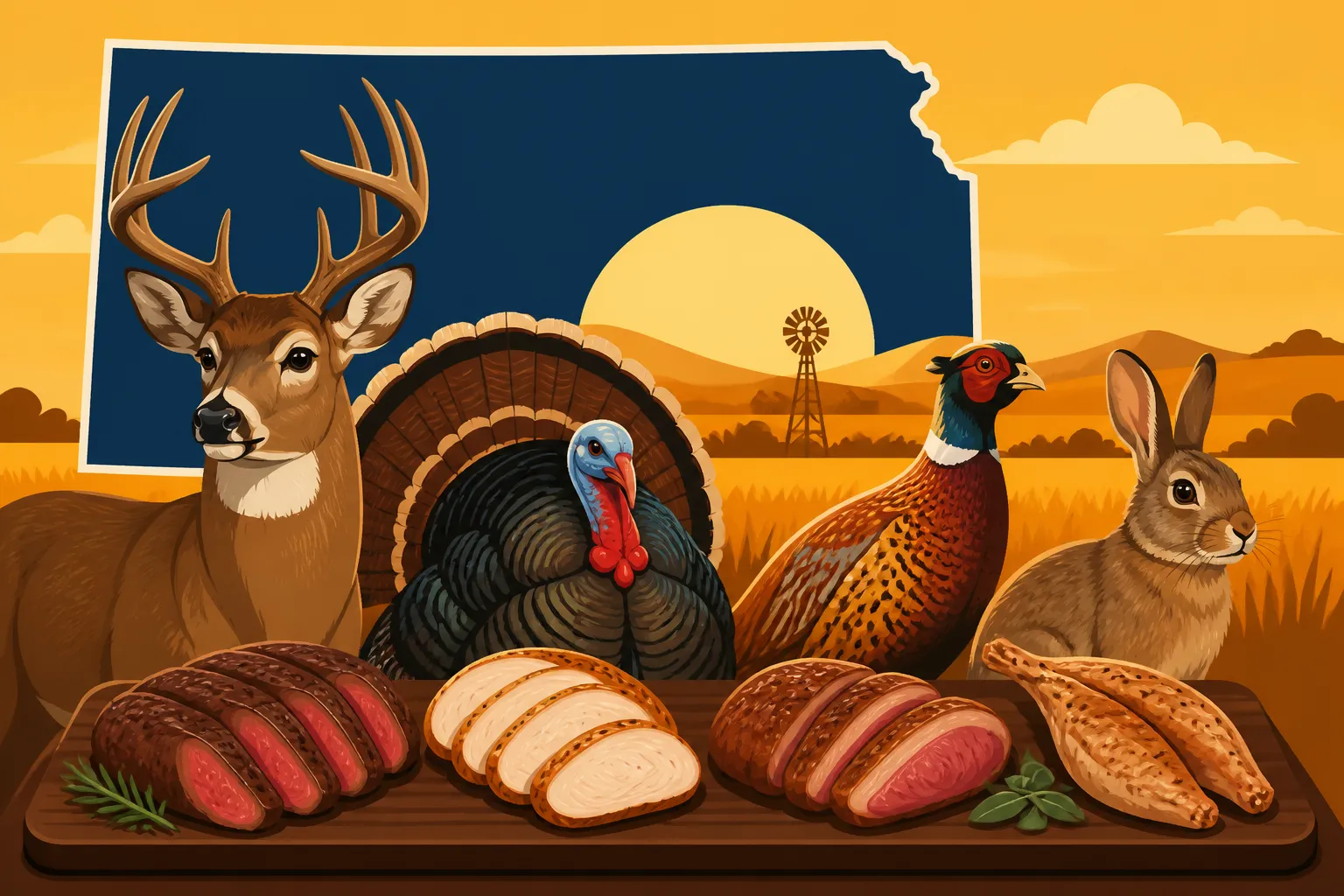
When most folks think of game meat in Kansas, their mind immediately goes to whitetail deer. And for good reason! Kansas is renowned for its healthy deer herds, and that translates directly into quality meat. The flavor profile of whitetail venison can vary quite a bit, but generally, it's a rich, lean, and earthy red meat. It’s distinct from beef but in a way that’s very appealing to many palates.
Factors Influencing Whitetail Flavor
Several elements play a huge role in how your whitetail venison will taste. The age of the deer is perhaps the most significant. A young doe or spike buck will almost universally provide incredibly tender, mild-flavored meat. As deer get older, especially mature bucks, the meat can become richer, more intensely flavored, and potentially a bit tougher. This isn't necessarily a bad thing – some hunters prefer that robust, "gamey" flavor – but it's something to be aware of. The deer's diet also contributes; a deer feeding heavily on alfalfa and corn in eastern Kansas might have a different, often milder, flavor than one that's been browsing on native forbs and acorns in a more timbered region. Stress levels during the harvest and, critically, how quickly the meat is cooled down, also play a huge part. Rushing a shot or not Field Dressing in Warm Kansas Weather promptly can infuse the meat with adrenaline and lactic acid, negatively impacting its taste and tenderness.
Preparing Whitetail for the Best Taste
To truly bring out the best in your Kansas whitetail, proper handling is key from the moment the animal hits the ground. Getting it field dressed immediately is non-negotiable, especially during September Bow Season Heat Strategy. Then, focusing on rapid cooling is paramount. Many hunters swear by hanging their venison for a period, often referred to as "aging." This process, detailed in articles like Aging Venison Before Cutting, allows natural enzymes to break down muscle fibers, leading to a more tender and flavorful product. Whether you're Processing Your Own Deer at Home or taking it to a professional, ensuring the meat is kept clean and cold is the most crucial step. For cooking, whitetail is incredibly versatile. Steaks from the backstraps and tenderloins are phenomenal seared quickly to medium-rare. Roasts from the hindquarter can be slow-cooked or marinated and grilled. The trim meat makes excellent ground venison for chili, burgers, or sausage.
Feathered Feast: Upland Birds and Waterfowl
Kansas offers an incredible array of bird hunting opportunities, and each species brings its own unique culinary experience to the table. From the delicate flavors of quail to the robust taste of a mallard, preparing these birds right can lead to some truly memorable meals.
Upland Delights: Pheasant, Quail, and Turkey
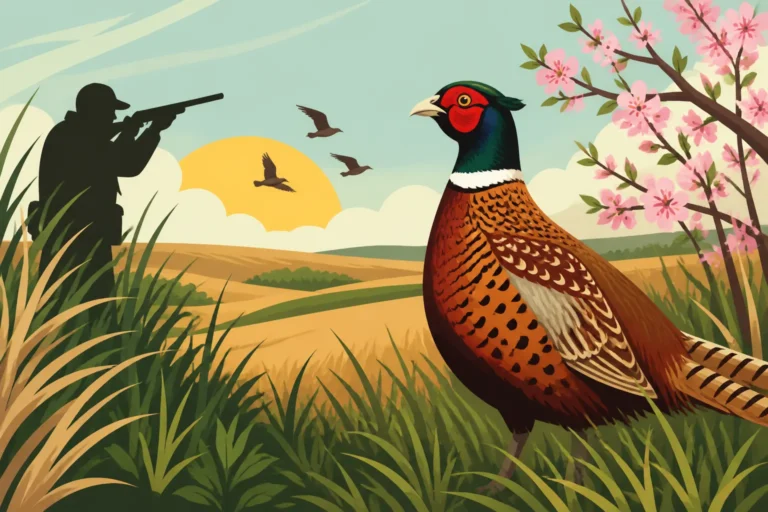
Let's start with the upland birds. Kansas is famous for its Kansas Ring-Necked Pheasants. Pheasant meat is often described as a lean, firm white meat, similar to chicken but with a distinctly rich, subtly gamey flavor that elevates it. It's not nearly as "gamey" as some waterfowl, making it a crowd-pleaser. Roasting a whole pheasant, pan-frying breasts, or slow-cooking legs and thighs are all fantastic options. Then there are Bobwhite Quail Across Kansas. These smaller birds offer incredibly delicate, tender meat with a mild, slightly sweet flavor. They are a true gourmet treat, perfect for a quick pan-fry or grilling. You won't get a huge yield from a single quail, but what you do get is pure deliciousness.
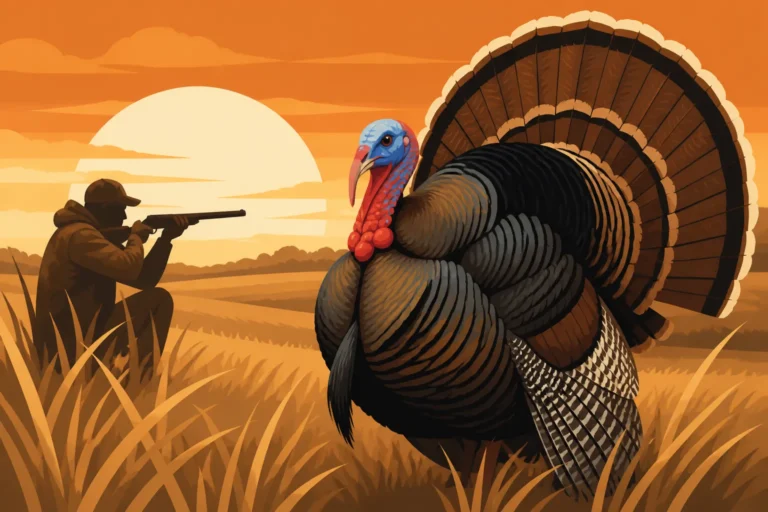
And, of course, the magnificent wild turkey. Spring turkey hunting in Kansas for Kansas Wild Turkeys and the Population Decline offers a unique meat experience. The breast meat is surprisingly light in color, lean, and firm, often described as a more flavorful, denser version of domestic turkey or even chicken. Unlike a farm-raised bird, it rarely has much fat, so it benefits from brining or basting to prevent drying out. The legs and thighs, like any wild bird, are much tougher and full of connective tissue, requiring slow-cooking methods like braising or grinding for sausage.
Waterfowl Wonders: Ducks and Geese
Now, let's dive into the more intense flavors of Kansas Waterfowl on the Central Flyway. This is where opinions often diverge, but for those who appreciate it, duck and goose meat can be absolutely fantastic. Duck, especially dabblers like mallards found on Kansas playas and reservoirs, has a rich, dark meat with a deep, almost livery gamey flavor. It's often compared to red meat rather than white, and it can be quite fatty, which is a good thing for flavor. The key to delicious duck is often to score and render that fat, searing the breast to a perfect medium-rare. Confit, where the legs and thighs are slow-cooked in their own fat, is another incredibly delicious preparation that tenderizes the tougher meat.
Geese, such as Canada geese, generally have a stronger, more robust flavor than ducks, and their meat tends to be tougher. While some might find it a bit overpowering, it can be incredibly flavorful with the right preparation. Because of its toughness, goose meat often benefits immensely from long, slow cooking methods like braising, stewing, or grinding for sausage. Marinades are also a hunter's best friend when it comes to goose, helping to tenderize and infuse flavor. Don't be afraid to experiment with bold spices and strong flavors to complement the richness of goose meat.
Beyond the Big Three: Other Notable Kansas Game
While whitetail, turkeys, and upland birds dominate the Kansas hunting scene, there are other species that offer their own distinct and delicious contributions to the dinner table. If you're lucky enough to harvest one, you're in for a treat.
The Elusive Pronghorn and Elk
Kansas isn't widely known for its big game beyond deer, but for those with the right permits, there are opportunities for Kansas Elk Near Fort Riley and Kansas Antelope on the High Plains. Elk meat is widely regarded as one of the finest wild game meats available. It's incredibly lean, tender, and has a very mild, sweet flavor, often described as similar to high-quality beef but with a slightly richer, wilder undertone. Many hunters who are wary of "gamey" flavors will find elk incredibly appealing. It cooks very similarly to beef, making it versatile for steaks, roasts, or ground meat.
Antelope, or pronghorn, is another lean and tender option, though its flavor profile can be a bit more nuanced than elk. Some describe it as very mild, while others note a slightly unique, almost sage-brushy undertone, especially if the animal has been feeding heavily on specific types of forage. Like all game, prompt field dressing and cooling are critical to prevent any off-flavors. When handled well, antelope meat is surprisingly tender and can be fantastic as quick-seared steaks, stir-fries, or ground meat. Its leanness means it can dry out quickly if overcooked.
Small Game and Furbearers
Don't overlook the smaller inhabitants of Kansas! While not always the primary target, species like squirrels and rabbits can provide delicious, sustainable meals. Squirrel meat is often compared to dark-meat chicken, with a mild, slightly sweet, and nutty flavor. It's lean and benefits from slow cooking methods like stewing or braising to tenderize it. Rabbit meat is also lean and mild, often described as being similar to chicken but with a finer texture and a distinct, subtly sweet flavor. Both make excellent additions to stews, pot pies, or fried dishes.
While many Kansas Predators and Furbearers are hunted for their pelts or for nuisance control, some hunters do consume the meat of animals like coyote or bobcat. However, these are generally not considered choice table fare and have very strong, distinct flavors and tough textures that require extensive preparation to be palatable for most people. For the purpose of delicious game meat, it's best to stick to the more traditionally consumed species.
Maximizing the Flavor of Your Kansas Harvest
Regardless of the species you're pursuing, a great-tasting game meal starts long before you ever step into the kitchen. The critical steps you take in the field and during processing are just as important as the recipe itself. Think of it like this: platforms like GoHunt can help you find areas with healthy, well-fed animals, which is the first step to good meat. But then it’s all on you!
Field Care: The First and Most Critical Step
You hear it all the time, and for good reason: get it cooled down fast. This cannot be overstated. From the moment your animal hits the ground, the clock is ticking. Shot Placement on a Whitetail at Twenty Yards that results in a clean kill and minimal stress on the animal is ideal. After a humane harvest, the immediate priority is to field dress the animal. This removes the internal organs, which are a major source of heat, allowing the carcass to begin cooling internally. Even on a cool November day, a deer's body retains a lot of heat.
For larger animals like deer or elk, consider quartering the animal in the field if you're alone or far from a cooler. Getting the meat out of the hide and into breathable game bags or directly into a cooler packed with ice will make an enormous difference in taste and quality. For birds, getting them breasted out and on ice quickly is just as important. Don't let your hard work be undone by neglecting this crucial initial step. Remember, the goal is to prevent bacterial growth and keep the meat from souring, which can impart extremely unpleasant flavors.
Processing, Aging, and Storage
Once you've got the game out of the field and properly cooled, the next step is processing. Whether you take it to a professional butcher or opt for Processing Your Own Deer at Home, maintaining cleanliness and cold temperatures is key. Aging, as mentioned earlier for venison, can significantly improve tenderness and flavor. This involves hanging the whole or quartered carcass in a controlled environment (usually between 34-40°F with good humidity) for several days to a week or more. For smaller game or birds, aging isn't typically done, but careful butchering is still essential.
When it comes to storage, proper vacuum sealing is your best friend. Air is the enemy of frozen meat, leading to freezer burn and degraded flavor. Label your packages clearly with the species and date. Freezing correctly means your delicious Kansas game can provide meals for many months to come. Many hunters find that utilizing antlerless permits for Kansas Antlerless Hunts and Filling the Freezer provides some of the best-tasting, mild venison for the freezer, as these animals are often younger and less stressed than big, rutting bucks.
Cooking Methods to Enhance Flavor
Different game meats shine with different cooking methods. Knowing your species and its characteristics will help you choose wisely:
- Lean, tender cuts (backstraps, tenderloins from deer/elk, pheasant/quail breasts): Quick searing, grilling, or pan-frying to medium-rare or medium is usually best. Avoid overcooking, as this will dry out lean game meat and make it tough. A meat thermometer is a hunter's best friend in the kitchen.
- Tougher cuts (legs, shoulders, goose breasts): Slow-cooking methods like braising, stewing, or grinding for sausage are ideal. Low and slow cooking breaks down connective tissues, making the meat incredibly tender and flavorful. Consider using a Dutch oven, slow cooker, or pressure cooker.
- Marinades: Marinades can do wonders for game meat, adding flavor, moisture, and tenderizing action. Acidic marinades (vinegar, citrus, buttermilk) are particularly effective at breaking down tough fibers. Even a simple brine can enhance the moisture content and flavor of lean game. Before you even apply for your tag, researching the habitat and local forage through resources like GoHunt can give you an idea of the potential diet of the animals in your unit, which indirectly influences meat flavor and what cooking methods might complement it best. GoHunt can also show you areas that are less pressured, which can lead to less stressed animals and, thus, better-tasting meat.
Ultimately, the "best" tasting game meat is subjective and comes down to personal preference. However, by understanding the unique profiles of each Kansas species and committing to proper field care and preparation, you can ensure that every meal is a celebration of your time spent in the Kansas outdoors.
| Game Species | Flavor Profile | Texture | Best Cooking Methods | Notes |
|---|---|---|---|---|
| Whitetail Deer | Mild to Rich, Earthy, Lean | Tender (young) to Firm (old) | Steaks (seared), Roasts (slow-cooked), Ground Meat | Varies significantly by age, sex, and diet. Excellent all-rounder. |
| Wild Turkey | Mild, Gamey Chicken | Lean, Firm | Breast (roasting/pan-fry), Legs (braising/grinding) | Breast is white meat, legs are dark and tough. Basting recommended. |
| Pheasant | Mild, Subtly Gamey, Rich | Lean, Firm | Roasting, Pan-Frying, Braising | Versatile, great substitute for chicken in many recipes. |
| Bobwhite Quail | Delicate, Slightly Sweet | Very Tender | Pan-Frying, Grilling, Roasting | Small birds, perfect for quick, elegant dishes. |
| Ducks (Mallard) | Rich, Deeply Gamey, Fatty | Dark, Firm | Seared Breast (medium-rare), Confit, Roasting | Distinct, strong flavor. Render fat for best results. |
| Geese (Canada) | Very Rich, Earthy, Strong | Dark, Tougher | Slow Cooking (braising), Stewing, Grinding (sausage) | Benefits from marinades and long cooking to tenderize. |
| Elk | Very Mild, Sweet, Beef-like | Very Lean, Tender | Steaks, Roasts, Ground Meat | Considered a top-tier game meat, highly palatable to all. |
| Antelope | Mild to Unique (Sage-brushy) | Very Lean, Tender | Quick-seared Steaks, Stir-fries, Ground Meat | Can dry out quickly if overcooked. Prompt cooling is vital. |
| Squirrel/Rabbit | Mild, Sweet, Nutty (dark meat) | Lean, Firm | Stewing, Braising, Frying | Excellent in slow-cooked dishes to break down toughness. |
Disclaimer
This article is for general informational purposes only and does not constitute professional advice. Laws, prices and regulations vary by location and change over time. Consult a qualified professional for guidance on your specific situation.