Kansas Ring-Necked Pheasants
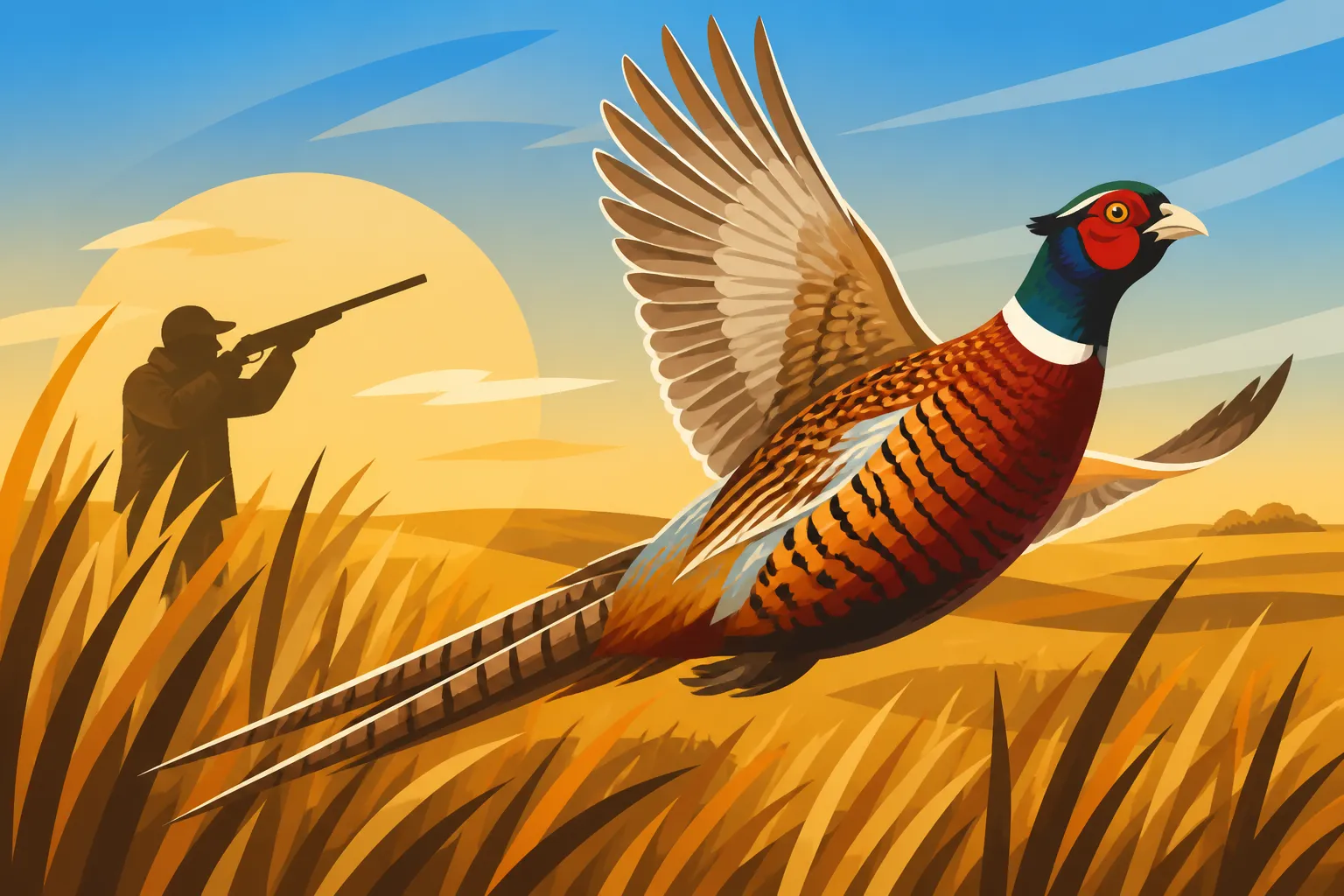
There’s a special kind of excitement that bubbles up when you think about chasing Kansas pheasants. The crisp fall air, the rustle of dry milo stalks, and that sudden, explosive flush of a rooster are moments etched into every upland hunter's memory. But let's be real, finding and putting these wily birds in the bag can be a genuine challenge, especially with changing landscapes and unpredictable weather patterns. This comprehensive guide is here to walk you through everything you need to know about hunting ring-necked pheasants in the Sunflower State, from their biology and habitat to effective tactics and access strategies, so you can make the most of your time in the field.
Understanding the Ring-Necked Pheasant in Kansas
The ring-necked pheasant (Phasianus colchicus) isn't native to North America, but it has become an iconic game bird, particularly in the agricultural heartland of Kansas. Their vibrant plumage, especially the iridescent greens and reds of the males, and their cunning ability to run and hide before flushing, make them a thrilling quarry. Understanding their basic biology and how they came to thrive here is the first step in successful hunting.
A Closer Look at Pheasant Biology
Pheasants are ground-nesting birds, meaning their survival is heavily dependent on secure, undisturbed cover for nesting and raising broods. Hens typically lay a clutch of 7-15 eggs in shallow depressions, often hidden in tall grasses, alfalfa fields, or ditch banks. After hatching, the chicks are precocial, meaning they can move and feed themselves shortly after birth, though they rely on the hen for protection and guidance. Their diet is varied, consisting largely of seeds, grains, insects, and some green vegetation. This adaptable diet is a big reason why they've done so well in a state dominated by agriculture.
A pheasant's daily routine revolves around feeding, resting, and seeking cover. Early mornings and late afternoons are prime feeding times, when they venture into crop fields or stubble to forage. During the midday, they'll typically retreat to thicker cover for loafing and protection from predators and weather. Unlike many other upland birds, pheasants are much more inclined to run than fly when disturbed, a characteristic that often frustrates hunters, leading to many long walks with an empty game vest. Their keen eyesight and hearing, combined with their strong legs, make them masters of evasion.
Historical Introduction and Spread in Kansas
Ring-necked pheasants were first introduced to Kansas in the early 20th century, with significant releases occurring between 1906 and 1920. Prior to that, the prairie ecosystem was home to other native game birds, but pheasants found the developing agricultural landscape, with its mix of row crops and residual grasslands, to be remarkably hospitable. The early introductions were so successful that by the 1930s, hunting seasons were established across much of western and central Kansas.
The species flourished because Kansas offered everything they needed: abundant food sources in grain fields, nesting cover in undisturbed grasslands and field edges, and relatively mild winters compared to some northern states. Over decades, the pheasant population expanded eastward, though their density remains highest in the western half of the state where dryland farming and a particular mix of cover provide optimal conditions. This historical success story highlights how adaptable these birds are to human-modified landscapes, even as those landscapes continue to change.
Kansas Pheasant Habitat and Where to Find Them
Successfully hunting pheasants in Kansas hinges on knowing their preferred habitat. It's not just about looking for any patch of grass; it's about understanding the specific elements that provide food, water, cover, and refuge from predators and severe weather. The "ideal" pheasant habitat is a diverse mosaic, offering different resources throughout the day and across the seasons.
The Importance of Diverse Cover
Pheasants thrive in areas with a rich tapestry of habitat types. They need dense, undisturbed cover for nesting and roosting, typically found in native grass prairies, Conservation Reserve Program (CRP) fields, or tall fescue. During the hot midday, they’ll seek thermal cover in plum thickets, brushy draws, or even small patches of timber, which also provide protection from aerial predators. In winter, heavy cover like cattail sloughs, cedar thickets, or ungrazed waterways offer critical shelter from blizzards and extreme cold.
The key word here is "diverse." A vast monoculture field, while offering food, is a death trap without nearby heavy cover. Conversely, thick timber provides cover but no food. The best pheasant spots are those where food sources (like corn or milo stubble) are interspersed with various types of dense cover, allowing the birds to move easily between feeding and loafing areas without exposing themselves for too long. When you’re e-scouting with tools like GoHunt, look for these transitions – where crop fields meet CRP, where a creek bottom runs through stubble, or where shelterbelts break up large fields.
Key Habitat Components by Region
While the general principles of pheasant habitat apply statewide, how these components manifest differs across Kansas.
In Western Kansas, where moisture is scarcer, pheasants rely heavily on CRP fields, wheat stubble, and brushy draws or riparian corridors along intermittent streams. These areas often provide the only substantial cover in a landscape dominated by agriculture. Finding water sources, even small ephemeral ones, can be crucial in dry years. Many hunters find success by keying into these limited cover types that often hold concentrated birds.
Central Kansas offers a similar but often lusher mix of habitat. Here, you'll find extensive CRP, unharvested milo, corn fields, and more developed creek and river bottoms. The greater availability of diverse cover can sometimes mean birds are more spread out, making it challenging but potentially rewarding. Focus on the edges where different cover types meet – a classic pheasant scenario is a milo field bordered by a dense grass ditch and a plum thicket. This diversity allows for excellent Upland Bird Hunting Kansas Grass and Milo Edges.
Even in Eastern Kansas, where pheasant numbers are generally lower, pockets of good habitat exist. These areas might be smaller, often tied to specific large farm operations that manage for wildlife, or along major river systems. Look for tracts of land that mimic the western and central habitat – a good mix of dense grass, grain stubble, and woody cover. Hunters here might need to work harder to find birds, but the reward of finding a local honey hole is immense.
Pheasant Population Dynamics and Factors Affecting Numbers
Understanding why pheasant numbers fluctuate from year to year is crucial for managing expectations and planning your hunts. It's not just about what you see in the field; it's about the bigger ecological picture. Several interconnected factors influence the statewide pheasant population, and they can vary dramatically from one season to the next.
The Impact of Rainfall and Drought
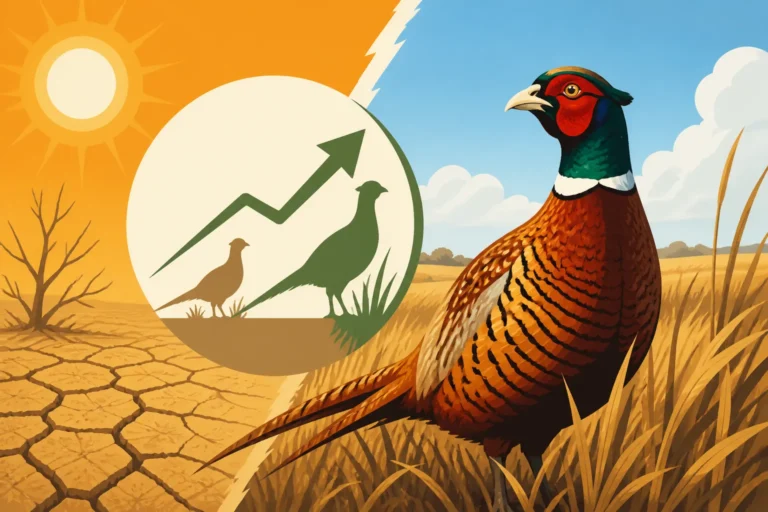
One of the most significant drivers of Kansas pheasant populations is weather, particularly rainfall patterns during critical nesting and brood-rearing periods. A wet spring in April and May often leads to higher insect populations, which are a vital food source for pheasant chicks. It also promotes lush growth of nesting cover, offering better concealment from predators. Conversely, prolonged drought can devastate a pheasant population. Dry conditions reduce insect numbers, making it harder for chicks to get the protein they need to survive. It also dries out nesting cover, making it less effective and more susceptible to wildfire.
However, too much rain can also be detrimental. Heavy, cold rains during hatching can cause hypothermia in young chicks, leading to high mortality rates. Flooding of nesting sites along creek bottoms or low-lying fields can destroy clutches. The ideal scenario for robust Kansas Pheasant Population Cycles is a mild winter, a warm, moderately wet spring that allows for good nesting and insect production, and a relatively dry, warm summer for strong chick survival. This delicate balance is why pheasant numbers can swing widely, even in historically strong areas. Kansas Department of Wildlife, Parks and Tourism (KDWP) annual roadside surveys, which you can often find through a quick web search or using the GoHunt platform, are a great resource for seeing how these weather patterns impacted bird numbers each year.
Modern Farming and Habitat Loss
While agriculture initially helped pheasants thrive in Kansas, modern farming practices present significant challenges to their long-term survival. The trend towards larger fields, fewer fence rows, and the clean farming ethos (removing brush, burning ditches, planting field-to-field) has led to a considerable reduction in diverse habitat. Many farmers now plant crops right up to the road, eliminating vital edge cover where pheasants nest and loaf. The widespread use of herbicides also reduces broadleaf weeds and insects that pheasants rely on for food.
Furthermore, changes in crop rotation and tillage practices play a role. The decline in acres of small grains like wheat and oats, which offer excellent nesting cover, in favor of corn and soybeans, has impacted early nesting success. Fall tillage, while beneficial for soil health, removes much of the winter cover and residual food sources that pheasants need to survive tough cold snaps. Programs like the Conservation Reserve Program (CRP) have been a lifeline, paying landowners to convert marginal cropland back to perennial grasses, creating essential nesting and winter cover. However, CRP acres fluctuate based on commodity prices and government programs, often directly correlating with pheasant population trends.
Predator Pressure and Pheasant Survival
Predation is a constant threat to pheasants at all life stages, from eggs and chicks to adult birds. Common predators in Kansas include coyotes, foxes, skunks, raccoons, opossums, and various raptors like hawks and owls. While a healthy pheasant population can withstand a certain level of predation, increased predator numbers or a decline in suitable cover can exacerbate the problem.
When nesting cover is scarce or fragmented, nests become easier for ground predators to find. Similarly, when winter cover is limited, pheasants are more exposed to aerial predators. The relationship between predators and prey is complex; often, a healthy habitat that provides ample escape and concealment cover is the best defense against predation. Managing predator populations directly is controversial and often less effective than focusing on robust habitat restoration and maintenance, which allows pheasants to naturally avoid and evade their threats.
Key Regions and Best Counties for Pheasants in Kansas
Kansas is a big state, and not all regions are created equal when it comes to pheasant hunting. Knowing where the highest densities of birds are typically found can save you a lot of driving and increase your odds of success. Historically, the western two-thirds of the state have been the undisputed champions of pheasant production, thanks to a specific combination of climate and agricultural practices.
The Western Kansas Stronghold
When most hunters talk about Kansas pheasants, they're picturing western Kansas. This region, encompassing the High Plains and some of the Smoky Hills, consistently holds the highest densities of ring-necked pheasants. Counties like Sherman, Thomas, Rawlins, Cheyenne, Decatur, Norton, Graham, Logan, and Wallace are often mentioned as top producers. The reasons are multifaceted:
- Dryland Farming: A prevalence of dryland wheat and milo farming means more stubble fields are left standing through winter, providing crucial food and cover.
- CRP Acres: Many western counties have high enrollments in the Conservation Reserve Program, creating vast expanses of dense, undisturbed grass perfect for nesting and roosting.
- Less Pressure: While still popular, some of the most remote western areas can see slightly less hunting pressure than more accessible central regions, especially mid-week.
- Climate: The generally drier climate in western Kansas tends to favor pheasant chick survival over the wetter conditions often found further east, leading to higher recruitment rates when Rainfall and Pheasant Numbers are ideal.
If you're planning a dedicated pheasant hunt, western Kansas should be high on your list, particularly after a few good moisture years.
Central Kansas Hotspots
Moving eastward, central Kansas still offers excellent pheasant hunting, often with a slightly different landscape. Here, you'll find a mix of dryland and irrigated farming, interspersed with more rolling terrain and well-defined creek and river bottoms. Top counties in this region often include Rush, Ellis, Trego, Ness, Lane, Pawnee, Stafford, and Barton.
Central Kansas is known for:
- Diverse Cover: A good mix of grain crops, CRP, native grass, and often more robust woody cover in draws and riparian zones. This provides excellent transitional habitat.
- Accessibility: These counties are often a bit more accessible from major interstates, which can mean more hunting pressure, especially on public lands during opening weekend.
- Milo and Corn: Abundant milo and corn production provides fantastic food sources, and if standing or in heavy stubble, excellent cover. Hunters often find themselves Blocking and Driving Kansas Milo Fields here.
While perhaps not boasting the sheer volume of some western counties in peak years, central Kansas can offer incredibly consistent hunting, especially for hunters willing to put in the legwork to find less-pressured pockets.
Eastern Kansas Opportunities and Challenges
Eastern Kansas generally sees lower pheasant numbers, and the landscape is often more fragmented with more timber, fescue pastures, and higher population densities. However, this doesn't mean pheasant hunting is impossible. There are still localized opportunities, particularly in counties bordering central Kansas or those with significant agricultural operations that manage for wildlife.
Counties like Washington, Republic, Cloud, and Clay in north-central Kansas can offer decent hunting, especially in years with good production. Further east, numbers drop off significantly. The challenges include:
- Habitat Fragmentation: Smaller patches of suitable cover, often surrounded by unsuitable timber or heavily grazed pastures.
- Higher Precipitation: While good for some crops, wetter springs can sometimes be harder on pheasant chicks.
- Lower Overall Density: You'll likely encounter fewer birds per acre, requiring more scouting and persistence.
For those in eastern Kansas, looking for specific private land opportunities or smaller, well-managed public tracts can yield results, but it’s generally not the destination for a dedicated pheasant trip. Instead, hunters might combine it with other pursuits like deer or turkey hunting.
Here's a generalized look at where Kansas pheasants concentrate, based on recent KDWP harvest reports and surveys:
| Region | Primary Counties | Typical Habitat Profile | General Pheasant Density |
|---|---|---|---|
| Western Kansas | Sherman, Thomas, Rawlins, Cheyenne, Decatur, Wallace | Extensive dryland wheat/milo, vast CRP fields, brushy draws, shortgrass prairie. | High |
| Central Kansas | Rush, Ellis, Trego, Ness, Pawnee, Stafford, Barton | Mix of dryland/irrigated crops (corn, milo), CRP, native grass, well-defined creek bottoms. | Moderate to High |
| North Central Kansas | Washington, Republic, Cloud, Clay, Jewell | Grain crops, pastures, some CRP, timbered draws. Habitat more fragmented than west/central. | Moderate |
| Eastern Kansas | Generally low numbers; scattered localized pockets | Timber, fescue, mixed agriculture. Pockets often tied to specific habitat projects. | Low to Very Low |
Note: This table provides a general overview. Actual pheasant numbers can fluctuate greatly year-to-year based on weather and local conditions. Always consult the latest KDWP forecast for the most current information.
Kansas Pheasant Season Dates and Regulations
Before you even think about putting boots on the ground, you need to be crystal clear on the rules. Hunting regulations are in place for a reason – to manage the wildlife resource sustainably and ensure safety for all users. Ignoring them can lead to hefty fines and loss of hunting privileges, so take the time to review the Kansas Department of Wildlife, Parks and Tourism (KDWP) regulations annually.
Navigating Season Dates and Limits
The regular pheasant season in Kansas typically opens in mid-November and runs through late January. There's usually a youth and disability season that opens a week or two earlier, providing a great opportunity for new hunters or those with special needs to experience the field before general season pressure mounts. Always double-check the exact Kansas Pheasant Season Dates for the current year, as they can shift slightly.
The daily bag limit for pheasants in Kansas is typically 4 roosters per hunter. The possession limit, which is the maximum number of birds you can have in your possession at any given time (including at home, in your vehicle, or at camp), is usually three times the daily bag limit, meaning 12 roosters. Remember, only roosters (males) are legal to harvest. This is critical for population management, as hens are vital for reproduction. A quick way to identify a rooster is by its distinctive iridescent plumage, long tail feathers, and, of course, the white ring around its neck, which gives the species its name. Hens are a duller mottled brown, designed to blend into their surroundings while nesting.
Licensing and Permit Requirements
To hunt pheasants in Kansas, you'll need a few key documents:
- Kansas Hunting License: All resident and nonresident hunters aged 16 to 74 must possess a valid Kansas hunting license. Lifetime hunting licenses are available for residents.
- Kansas Harvest Information Program (HIP) Permit: If you're hunting migratory game birds (which includes doves, ducks, geese, and teal, but NOT pheasants as they are considered upland game, however, it's often a general requirement for anyone hunting any game birds, so best to get it if unsure or hunting multiple species). For upland birds like pheasants, you typically don't need a HIP permit, but it's always good to verify the current regulations.
- Hunter Education: Anyone born on or after July 1, 1957, must complete a hunter education course certified by KDWP to hunt in Kansas. There are exemptions for those hunting under a valid apprentice hunter license.
These licenses and permits can generally be purchased online through the KDWP website or the Go Outdoors Kansas app, or from authorized license vendors across the state. It’s always a good idea to purchase them well in advance and carry physical copies or digital proof on your phone when in the field. Nonresidents should particularly pay attention to the Kansas Nonresident Hunting Licence Price and ensure they have all necessary documentation.
Effective Hunting Tactics for Kansas Pheasants
Pheasants are smart birds, and successfully hunting them often requires a combination of strategy, persistence, and sometimes, a good dog. They are known for their strong legs and uncanny ability to run through cover, often flushing far ahead or behind you if you're not careful. Adapting your tactics to the specific cover and conditions is key.
Working Grass Edges Without a Dog
Let's face it, not everyone has a well-trained bird dog, and that's perfectly okay. You can absolutely be successful pheasant hunting without one, but it requires a more methodical approach. When working dense grass like CRP fields or thick fence rows, the key is to be slow and deliberate.
- Zig-zag Pattern: Instead of walking in a straight line, move in a slight zig-zag pattern. This can disorient pheasants and make them more likely to hold tight or flush within range.
- Hunt into the Wind: Whenever possible, try to hunt with the wind in your face. This allows any faint scent of a bird to carry towards you, giving you a slight edge in anticipation. It also makes it harder for the birds to hear you approaching and often causes them to hold tighter.
- Pause and Stomp: Pheasants are notorious for holding incredibly tight, letting you walk right past them. Periodically pause for 10-15 seconds, then resume walking or stomp your feet loudly. This often makes them nervous enough to flush.
- Utilize Natural Edges: Focus on the edges of cover – where a CRP field meets a crop stubble, or where a grass strip runs alongside a road. Pheasants frequently use these transition zones for travel and escape. For more specific tactics on this, check out Working Grass Edges Without a Dog.
This method might require more physical effort and patience, but the satisfaction of flushing a rooster you’ve located entirely on your own is truly something special.
Blocking and Driving Kansas Milo Fields
When hunting larger fields, especially standing milo or tall corn stubble, a group hunt employing blockers and drivers can be incredibly effective. This tactic is perfect for Blocking and Driving Kansas Milo Fields as it leverages the pheasant's tendency to run rather than fly.
- The Setup: Position "blockers" quietly at the far end of the field, or along natural escape routes like fencelines, creek bottoms, or shelterbelts. These are the shooters who will intercept birds trying to run out the end.
- The Drivers: The remaining hunters, the "drivers," then spread out in a line at one end of the field and slowly walk towards the blockers. Maintain a steady pace and a consistent line to push the birds ahead.
- Containment: The goal is to push the pheasants towards the blockers, forcing them to either flush within gun range of the drivers as they near the end, or attempt to run past the blockers, presenting shots.
- Safety First: This tactic absolutely demands clear communication and strict adherence to safety rules. Know where everyone is at all times, wear plenty of hunter orange, and only take shots at birds clearly visible and safe to shoot. Never shoot towards the line of drivers or blockers.
This method works best with 3-5 hunters, allowing for good coverage and an effective push. It can be physically demanding, especially pushing through dense, head-high milo, but the rewards are often worth it.
The Role of a Good Bird Dog
For many, pheasant hunting is synonymous with hunting over a well-trained dog. Whether it's a flushing dog like a Springer Spaniel or Labrador Retriever, or a pointing dog like a German Shorthaired Pointer or English Setter, a canine companion can dramatically increase your success and enjoyment.
- Flushing Dogs: These dogs work ahead of the hunter, systematically covering ground and pushing birds to flush. Their high energy and drive are excellent for breaking up tight-holding pheasants. They are also adept at retrieving downed birds from thick cover, which is invaluable.
- Pointing Dogs: Pointing dogs locate birds and then "lock up" on point, indicating the bird's location. This allows the hunter to walk in, flush the bird, and take a shot. This method can be incredibly thrilling, as you know exactly where the bird is before the flush.
- Retrieval: Perhaps the most crucial role of any bird dog is retrieval. Pheasants, especially when wounded, can run a long way or hide in incredibly dense cover, making them nearly impossible for a human to find. A good retriever minimizes lost birds, ensuring a more ethical hunt.
A dog extends your effective hunting range, helps locate birds you might otherwise walk past, and turns every outing into a partnership. Remember, however, that even the best dogs need proper training and care, especially in the challenging Kansas conditions. Always carry plenty of water for your dog, especially on warmer hunting days.
Public Land vs. Private Land Access for Pheasant Hunting
One of the biggest hurdles for any hunter, especially nonresidents, is finding a place to hunt. Kansas offers a mix of public access opportunities, but the vast majority of prime pheasant habitat is on private land. Understanding your options and how to navigate them is essential.
Exploring Kansas Walk-In Hunting Access Explained
Kansas is renowned for its Walk-In Hunting Access (WIHA) program, which leases private land from landowners and opens it to public hunting. This program is a game-changer for resident and nonresident hunters alike, providing millions of acres of access.
- Identifying WIHA Tracts: KDWP publishes an annual WIHA atlas (available online, digitally via the Go Outdoors Kansas app, and sometimes as a physical booklet) that clearly marks all WIHA properties. Using a tool like GoHunt or onX Hunt can also layer WIHA boundaries onto aerial maps, making it easy to see where you can hunt.
- Rules and Restrictions: While WIHA is public access, it's still private land under lease, so there are specific rules. These generally include no motorized vehicles (beyond parking on designated access roads), no overnight camping, and often restrictions on leaving permanent blinds or stands. Always read the specific rules posted on the WIHA signs at the property boundaries, and consult the current KDWP regulations, as Kansas Walk-In Rules and Restrictions can vary.
- iWIHA: Some WIHA tracts operate under the "iWIHA" system, requiring hunters to check in and out electronically via the Go Outdoors Kansas app or website. These tracts often have daily hunter capacity limits to manage pressure. Always check if a specific WIHA tract is iWIHA before heading out. For more details, explore How Kansas WIHA Works.
WIHA tracts are a fantastic resource for pheasant hunters, especially in western and central Kansas. Scout them carefully, pay attention to the habitat, and be prepared to walk, as the best spots are often a fair distance from the road.
Hunting Kansas State Wildlife Areas
Kansas also has a network of State Wildlife Areas (SWAs) managed by KDWP. These lands are specifically managed for wildlife and public recreation, including hunting.
- Variety of Habitat: SWAs can offer a diverse range of habitats, from grasslands and wetlands to timber and agricultural fields, often managed with pheasants in mind.
- Special Regulations: Many SWAs have their own specific regulations in addition to statewide rules. These might include designated hunting zones, restrictions on certain weapons, or differing season dates. Always check the KDWP website or the signs at the specific SWA you plan to hunt for current Kansas State Wildlife Area Special Regulations.
- Hunting Pressure: SWAs, especially those known for good bird hunting, can experience significant hunting pressure, particularly on opening weekend and holidays. Be prepared to share the land and consider hunting mid-week for a more solitary experience.
Popular SWAs for pheasants, depending on the year, might include Cheney Wildlife Area, Jamestown Wildlife Area, or parts of the McPherson Wetlands. While they can be pressured, they are well-managed and offer consistent opportunities.
Finding Private Land Access in Kansas
The holy grail for many pheasant hunters is private land access, where pressure is often lower and habitat can be meticulously managed. However, securing permission requires effort and respect.
- Asking for Permission: The old-fashioned way often works best: knock on doors, introduce yourself respectfully, and ask permission. Do this well in advance of the season, not the morning of your hunt. Be polite, offer to share your harvest, and always leave the property cleaner than you found it. Many landowners appreciate a hunter who is willing to take the time to build a relationship.
- Hunting Leases: Another option, particularly for nonresidents or those seeking guaranteed access, is to secure a private land hunting lease. These can range from a multi-year agreement on a large tract to a short-term lease for a specific season. While more expensive, they offer exclusive access. You can explore topics like Finding a Kansas Landowner to Lease From for more insights.
- Landowner Tags: Some landowners may hold special landowner permits, which can sometimes be part of an agreement for hunting access.
When pursuing private land access, be honest about your intentions, always follow the landowner's specific rules, and express genuine gratitude. A positive interaction can lead to years of enjoyable hunting. For deeper understanding on this, consider reading Finding Private Land Access in Kansas.
Gear Essentials for a Successful Kansas Pheasant Hunt
A successful pheasant hunt isn't just about knowing where the birds are; it's also about being properly equipped. Kansas weather can be unpredictable, and the terrain can be challenging, so having the right gear can make all the difference in comfort, safety, and success.
Shotgun and Ammunition Choices
For pheasant hunting, a reliable shotgun is paramount. Most hunters opt for a 12-gauge or 20-gauge, which offer a good balance of power and maneuverability.
- Gauge: The 12-gauge is popular for its heavier payload, offering more pellets and a denser pattern, which can be advantageous on longer shots or when birds flush unexpectedly. A 20-gauge is a lighter, faster-swinging option, often preferred for younger hunters or those who find the 12-gauge too cumbersome. With modern ammunition, a 20-gauge is perfectly capable of taking pheasants cleanly.
- Action Type: Over/under, side-by-side, semi-automatic, and pump-action shotguns are all effective. Semi-automatics offer quick follow-up shots but can be heavier. Over/unders are classic and reliable, while pumps are durable and economical. Choose what you're most comfortable and proficient with.
- Choke: A modified choke is a versatile choice for pheasant hunting, providing a good pattern density at typical flushing ranges (25-40 yards). If you expect longer shots, a full choke might be considered, but it can be too tight for close flushes. For close-quarters work, an improved cylinder can be effective. Many hunters carry interchangeable choke tubes to adapt to different situations.
- Ammunition: For pheasants, 2 ¾-inch shells loaded with #4, #5, or #6 lead shot are standard. Steel shot is also an option, particularly if you're hunting near water where waterfowl might be present (steel shot is often required on public lands near water). If using steel, consider going up one shot size (e.g., #3 steel instead of #5 lead) as steel is lighter and retains less energy. Always match your ammunition to your shotgun's gauge and chamber length.
Essential Apparel and Footwear
Kansas weather during pheasant season can swing wildly. A warm, sunny November morning can turn into a cold, windy afternoon, and December can bring brutal blizzards. Layering is key.
- Outerwear: A durable, briar-resistant hunting coat or vest is essential. It needs to stand up to thorns, sharp stubble, and brush, and offer some protection from wind and light precipitation. Look for options with plenty of pockets for shells, water, and your harvested birds.
- Layering: Start with a moisture-wicking base layer to manage sweat. Add an insulating mid-layer like fleece or wool for warmth. Your outer layer should provide protection from the elements.
- Hunter Orange: Kansas law requires all hunters to wear at least 200 square inches of hunter orange above the waist, visible from all directions, when hunting upland game birds. This is not optional – it's crucial for safety, especially when hunting in groups or thick cover.
- Pants/Chaps: Invest in heavy-duty, briar-proof hunting pants or chaps. Walking through dense plum thickets, CRP, and milo stubble will quickly shred regular jeans. Look for waterproof or water-resistant options, as morning dew or unexpected rain can soak you quickly.
- Footwear: Comfortable, waterproof, and supportive hunting boots are non-negotiable. You'll be doing a lot of walking, often through uneven terrain and potentially muddy or wet fields. Ankle support is important, and good traction will prevent slips. Break in new boots well before your hunt to avoid blisters.
- Headwear and Gloves: A blaze orange hat is required for safety and adds warmth. Gloves can protect your hands from briars and cold, but choose a pair that allows for good trigger feel.
Don't forget extras like a good quality game bag or vest to carry your birds, plenty of water for yourself and any dogs, and a GPS or compass (or a mapping app like GoHunt on your phone) to help navigate and mark spots. Being prepared for the elements and the rigors of the hunt will make your Kansas pheasant experience much more enjoyable.
Disclaimer
Please remember that hunting regulations can change. Always consult the most current Kansas Department of Wildlife, Parks and Tourism (KDWP) regulations and season dates before planning any hunt. This guide is for informational purposes only and does not supersede official state regulations. It is the hunter's responsibility to know and follow all applicable laws.