Finding a Kansas Landowner to Lease From
Finding quality hunting ground in Kansas can feel like trying to find a needle in a haystack, especially when most of the state is privately owned. It's a common frustration for hunters, whether you're a seasoned veteran or new to the scene, to stare at public land maps and wish for more options. This guide will walk you through practical, real-world strategies for identifying, approaching, and securing hunting leases directly from landowners in Kansas, giving you a real shot at that prime ground you’ve been dreaming of.
Understanding the Landscape of Kansas Hunting Leases
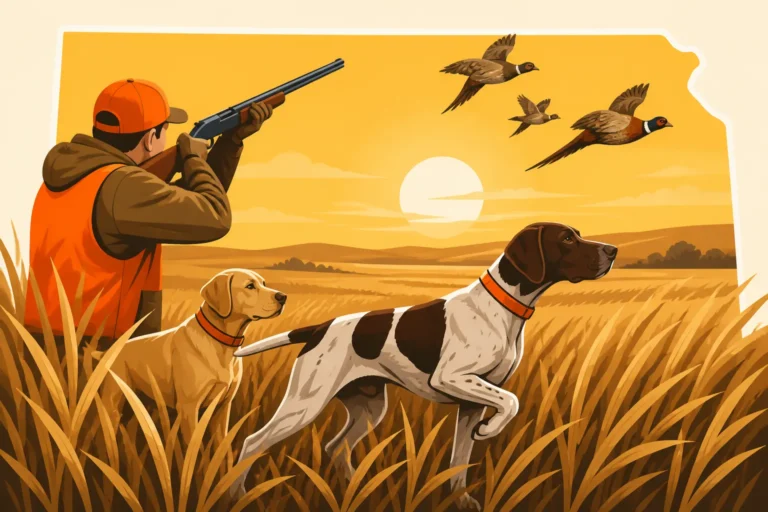
Kansas is a truly special place for hunters, especially for whitetail deer, turkeys, and upland birds. However, the vast majority of the land here is privately owned, often by multi-generational farm families. This reality means that if you're serious about consistent access to prime hunting, especially for those bigger bucks or booming gobblers, a hunting lease often becomes the most reliable pathway. It's not like hunting vast national forests out west; here, it's about connecting with the folks who work the land.
Why Leases Are So Important in Kansas
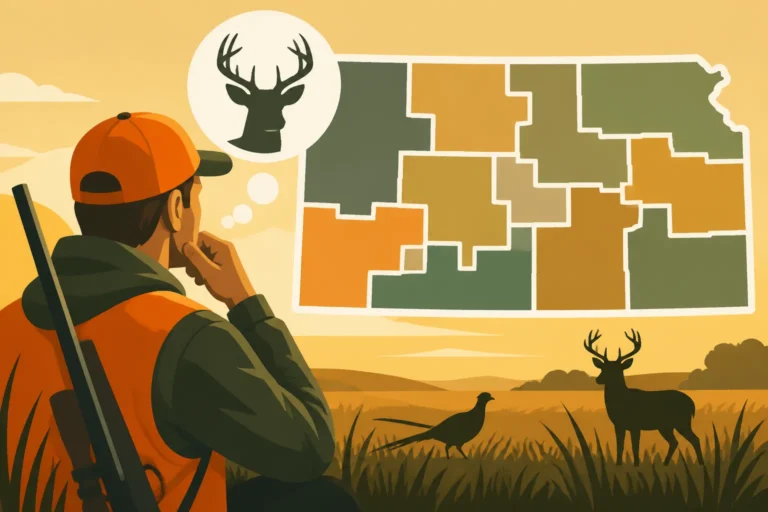
When you look at a map of Kansas, you'll notice pretty quickly that the green splotches representing public land are relatively sparse compared to some other states. While we have some fantastic public opportunities like state wildlife areas and the invaluable Walk-In Hunting Access (WIHA) program, these areas often experience significant hunting pressure, especially during peak seasons. Everyone knows about them, and everyone hunts them. A private land lease, on the other hand, offers a more controlled and often higher-quality hunting experience.
Consider the typical Kansas landscape: endless fields of corn, milo, wheat, and soybeans, interspersed with timbered creek bottoms and dense CRP grass. These agricultural lands provide an incredible food source, while the draws and thickets offer critical bedding and sanctuary. These are the places trophy whitetails grow big and pheasants thrive, and almost all of it is privately owned. Securing a lease means gaining exclusive access to these prime habitats, reducing competition, and allowing for consistent management of the property for better hunting year after year. It's an investment in your hunting future, really.
The Different Types of Leases Available
Not all hunting leases are created equal, and understanding the variations can help you find something that fits your needs and budget. The most common type is an annual lease, where you secure hunting rights for an entire year, typically for a specific species or all legal game. These offer the most stability and allow for long-term habitat improvements if the landowner is agreeable.
Beyond annual leases, you might find seasonal leases that cover a specific hunting season, like archery deer season or the fall upland bird season. These can be a good entry point if you're not ready for a full-year commitment or only target certain game. Sometimes, landowners will offer short-term or even daily leases, especially for less popular species or during less competitive times, though these are rarer for prime deer ground. You might also encounter per-acre pricing, where you pay a rate per acre for the property, or a flat fee per hunter. Each has its pros and cons, but the key is to be clear on the terms upfront to avoid any misunderstandings down the road.
What Kansas Lease Ground Costs Per Acre
It's natural to wonder about the price tag when it comes to leasing hunting ground in Kansas. While I can't give you exact dollar figures, as those can change significantly based on a multitude of factors, I can certainly explain what drives the cost. Generally speaking, lease prices in Kansas are influenced heavily by the quality of the hunting, the specific game animals present, and the location. For instance, a small timber block with a creek running through it, surrounded by row crops in a historically high-producing deer unit, will command a premium.
Other factors include the size of the tract, its accessibility, and any additional amenities the landowner might offer, such as lodging or food plots. Properties with established food plots, good road access, and well-maintained boundaries tend to be more expensive. Proximity to major population centers can also play a role, with leases closer to cities sometimes being more competitive. Ultimately, the cost is a negotiation between you and the landowner, reflecting the perceived value of the hunting experience and the demand for quality ground in that particular area. Always consider your budget and what you hope to get out of the lease before engaging in price discussions.
Strategies for Identifying Potential Lease Opportunities
Finding a landowner willing to lease their ground isn't always as simple as putting out a classified ad. It requires a proactive, strategic approach, blending modern tools with good old-fashioned legwork. The goal is to identify properties that have the habitat you're looking for and then find the person who owns them.
Leveraging Online Resources and Platforms
In today's digital age, your search for a Kansas hunting lease can start right from your couch. Online mapping tools, like those provided by GoHunt or onX, are invaluable for "E-Scouting Kansas Farm Country From Home". These platforms allow you to analyze aerial imagery, identify property boundaries, and often even show land ownership information. You can pinpoint promising features like river bottoms, timbered draws, Creek Crossings Worth Hanging a Stand On, standing crops, and bedding cover without ever setting foot on the ground.
Beyond mapping, there are dedicated online platforms designed to connect hunters with landowners. Services like BookYourHunt host listings from landowners offering leases, sometimes even specific to Kansas. These can be a great starting point, allowing you to browse available properties, review details, and often see photos. While these platforms streamline the process, they might not always capture every hidden gem, so it's wise to combine them with other methods. Remember, the more diligent you are in your online research, the better prepared you'll be when it comes time to make contact.
Old-School Networking and Legwork
While technology is great, nothing beats the power of personal connection and hitting the pavement. "Old-school" networking is still incredibly effective in rural Kansas. Start by simply driving around the areas you're interested in. Look for promising habitat—those pockets of timber, CRP fields, or secluded creek stretches that just scream "deer haven." Don't be afraid to pull over, take notes, and look at the lay of the land. This direct observation helps you assess the ground far better than any satellite image.
When you're out driving, stop at small-town gas stations, local diners, feed stores, or co-ops. Strike up conversations with locals. Many times, these folks know who owns what land and might be able to put you in touch with a landowner who's considering leasing or might know someone who is. Sometimes, a simple "Are there any landowners around here who might be interested in a hunting lease?" can open a door you didn't even know existed. Farmers and ranchers often appreciate direct, respectful communication. You might even discover opportunities on tracts not advertised anywhere online. Scouting Kansas Walk-In Tracts Before the Opener provides some context on the importance of getting boots on the ground.
Reading the Land from Afar
Before you even think about approaching a landowner, you need to understand their land. This means becoming a master at interpreting aerial imagery and topographic maps. What you're looking for are key habitat features that dictate deer or bird movement. For deer, think about Shelterbelt Ends and Buck Travel, River Oxbows and Deer Movement, or specific timber points. These are natural funnels and bedding areas. Identify pinch points between crop fields, distinct changes in cover, and anything that breaks up the monotony of open agricultural land.
For upland birds, focus on areas with dense cover like plum thickets, CRP grass, or even un-mowed ditch lines that offer roosting and escape cover. Look for water sources, especially in dry western Kansas, as these can be magnets for all wildlife. By meticulously "reading" the land from afar, you can create a mental map of high-potential areas. This preparation not only helps you identify prime tracts but also allows you to speak intelligently about the property when you eventually approach a landowner. You can say, "I noticed that beautiful cedar thicket on the north end of your property; it looks like prime bedding cover." This shows you've done your homework and are serious.
Approaching Landowners with Confidence and Respect
Once you've identified a promising piece of ground and, hopefully, the owner's name, the real work begins: making the initial contact. This step is crucial, as first impressions can make or break your chances of securing a lease. Remember, you're asking someone to trust you with their property, a place they often hold deep personal connections to.
Crafting Your Introduction and Pitch
The way you approach a Kansas landowner can make all the difference. Always start by being polite, respectful, and genuine. A simple, "Hello, my name is [Your Name], and I was wondering if you might be interested in discussing a hunting lease on your property," is a good opener. Be prepared to explain who you are, what you're looking for (e.g., "bowhunting for deer," "pheasant hunting"), and what you can offer in return. This isn't just about money; it's about being a responsible steward of their land.
Highlight the benefits for them. Perhaps you can mention that a lease helps them manage their deer population, or provides an income stream for a property they aren't actively farming. Offer to help with minor tasks around the farm, like checking fences or picking up trash you might find. Stress that you are looking for a long-term relationship, not just a one-off hunt. Dress neatly, speak clearly, and maintain eye contact. Showing up unannounced can be effective, but be prepared for them to be busy, and always offer to come back at a more convenient time. Patience and persistence, coupled with genuine respect, go a long way.
The Importance of a Solid Lease Agreement
If a landowner expresses interest, the next critical step is to formalize the arrangement with a written lease agreement. This isn't just a formality; it protects both you and the landowner and clearly outlines the expectations. A good lease agreement should be comprehensive, covering essential details to prevent future misunderstandings. It needs to specify the exact dates of the lease, the species you're allowed to hunt, the number of hunters included, and the payment terms.
Furthermore, address crucial details like liability. Who is responsible if someone gets hurt on the property? Many landowners require hunters to carry liability insurance. Define the rules for access (which gates to use, parking areas), equipment (tree stands, ground blinds, ATVs), and any specific harvest guidelines (e.g., antler restrictions for deer). It should also clearly state what happens in case of a violation of the agreement. Having everything in writing, signed by both parties, is essential. While not legal advice, a clear, concise agreement makes for a much smoother and more secure hunting experience for everyone involved. You might even research Lease Agreements and Liability as a starting point.
Building a Long-Term Relationship
Securing a lease is just the beginning; the real success comes from cultivating a strong, long-term relationship with the landowner. This means being an exemplary tenant and a good steward of their property. Always pay your lease fee on time, and if possible, deliver it in person with a friendly chat. Communicate proactively: if you notice a downed fence, a broken gate, or anything amiss on the property, inform the landowner. This shows you care and are actively looking out for their interests.
Respect their land as if it were your own. Pick up any trash you generate (and maybe even a little extra you find), drive slowly on their access roads, and always close gates behind you. If you harvest an animal, share a photo, and maybe even some venison or bird meat if appropriate. A small gesture of gratitude, like a gift basket at Christmas or a thank-you card, can go a long way. This isn't just about being nice; it's about solidifying trust. When it comes time to renew the lease, you want them to be eager to have you back, not looking for reasons to find a new hunter. Being a responsible and appreciative lessee ensures you'll have a place to hunt for years to come. Managing a Lease for Better Bucks can even be part of this relationship, showing your interest in the quality of the hunting over time.
Here's a quick comparison of online vs. direct approaches:
| Feature | Online Platforms (e.g., BookYourHunt, GoHunt) | Direct Landowner Approach |
|---|---|---|
| Ease of Discovery | High – searchable listings, detailed maps | Medium to Low – requires significant legwork and research |
| Information Provided | Often comprehensive photos, descriptions, rules | Varies greatly – depends on landowner's willingness to share |
| Initial Contact | Formal, often through the platform, less personal | Personal, direct, face-to-face (preferred by many) |
| Competition | Potentially higher, as many hunters see the same listings | Often lower, as it's a more exclusive, proactive search |
| Relationship Building | Can be less direct, requires effort to personalize | Begins immediately, foundational to securing the lease |
| Speed of Process | Can be quicker to find options and initiate contact | Slower, often requires multiple visits and conversations |
| Cost Transparency | Often listed upfront, though negotiation may still occur | Negotiated directly, can be more flexible |
Disclaimer
This article is for general informational purposes only and does not constitute professional advice. Laws, prices and regulations vary by location and change over time. Consult a qualified professional for guidance on your specific situation.