Dogs Provided on a Kansas Bird Hunt
It's a common question, and one I hear a lot from hunters, especially those traveling to Kansas for the first time: "Do I need to bring my own dog for a guided bird hunt, or does the outfitter provide them?" The truth is, most reputable Kansas bird hunting outfitters absolutely provide well-trained dogs and experienced handlers as part of their package, but it's always wise to clarify expectations upfront to avoid any surprises.
The Expectation: Professional Dogs on Kansas Bird Hunts
When you book a guided upland bird hunt in Kansas, whether for pheasants, quail, or a mixed bag, the expectation should almost always be that the outfitter provides the canine stars of the show. This isn't just a courtesy; it's a fundamental part of the hunting experience and the outfitter's service. A good bird dog is essential for both finding birds and, perhaps even more critically, for retrieving downed game efficiently. Losing a bird after a clean shot is one of the most disheartening things in upland hunting, and well-trained dogs drastically reduce that occurrence, ensuring you maximize your harvest and respect the game.
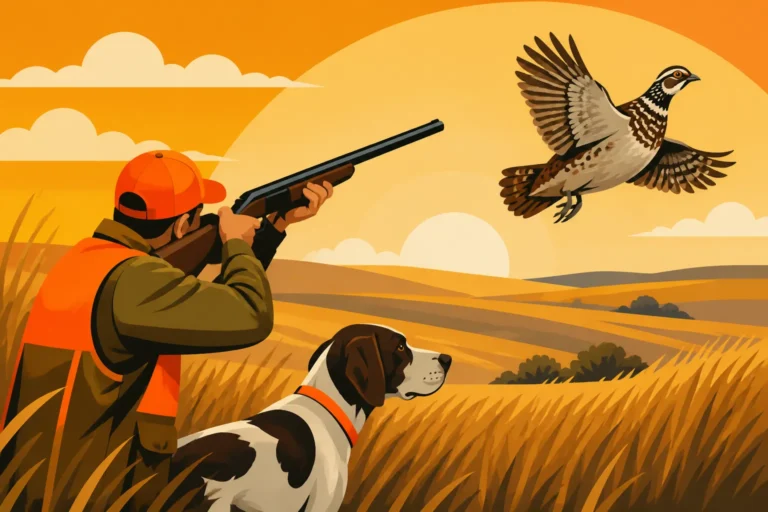
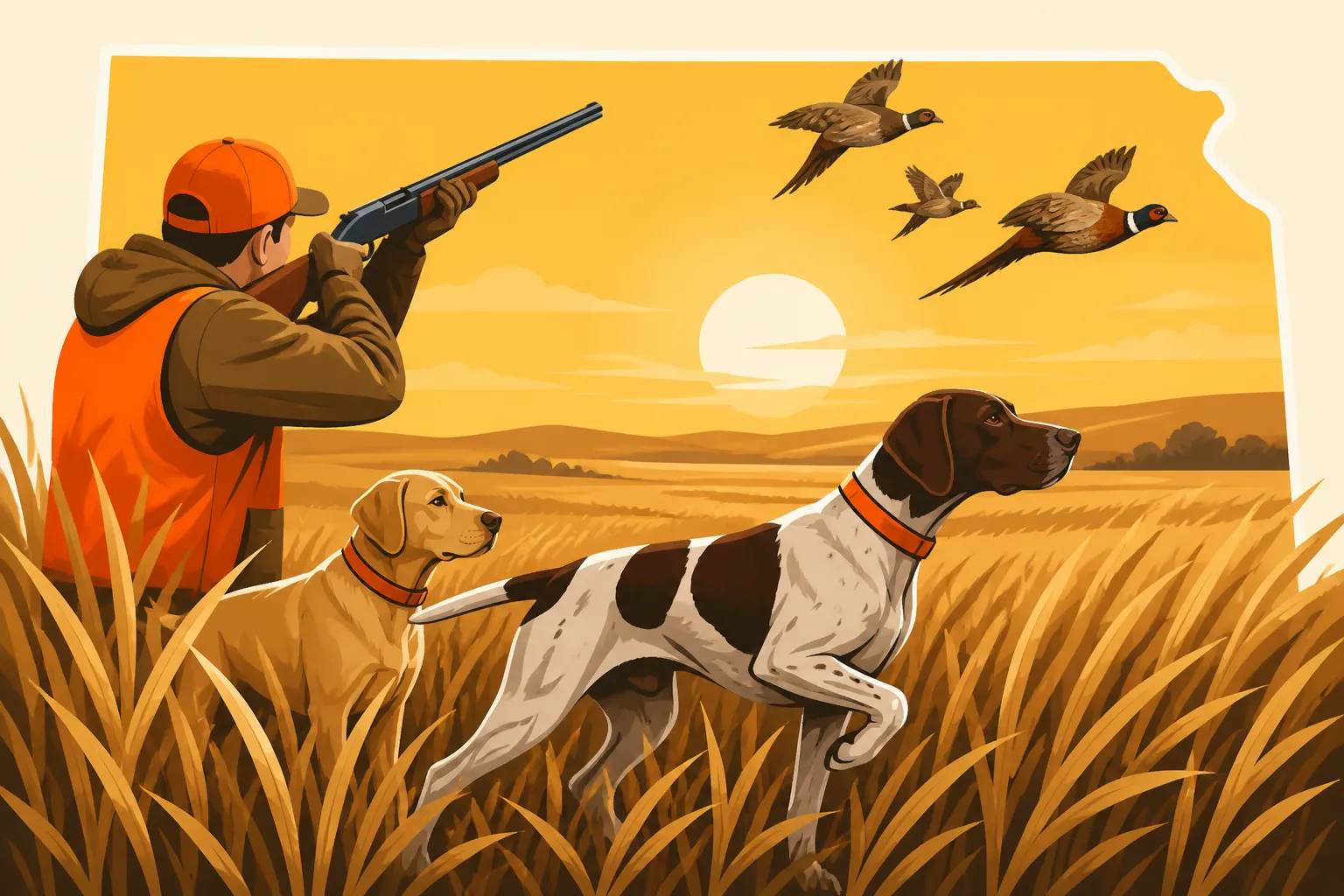
Imagine trekking through miles of prime Kansas pheasant cover, the CRP grass rustling up to your chest, without a dog. You'd flush a bird, maybe get a shot, and if it fell in that thick cover, you'd be spending precious minutes, if not longer, trying to locate it. This isn't just frustrating; it eats into your hunting time and often results in lost birds. That's where a seasoned pointer or flushing dog comes in. They cover ground methodically, scenting birds that you'd walk right past, locking up on point to signal a rooster is hidden nearby, or busting through heavy cover to get those quail airborne. Then, once the shot is fired, a good retriever ensures that bird makes it back to your game vest, making for a much more satisfying and ethical hunt. This entire experience is what outfitters build their reputations on, and professional dogs are at the core of it.
Types of Dog Services and Hunt Packages
The way dog services are integrated can sometimes vary depending on the type of hunt package you choose. Understanding these distinctions will help you pick the right fit and know what to expect.
Fully Guided Hunts
This is the gold standard for many traveling hunters, and it almost invariably includes top-notch dog services. On a fully guided hunt, you'll have an experienced guide leading your group, and they will bring their string of trained bird dogs – often a mix of pointers (like German Shorthairs or Brittanys) for finding birds, and retrievers (like Labs or Goldens) for fetching. The guide handles all the dog work, managing their casts, watching their body language, and giving commands. Your role is simply to follow the guide's lead, enjoy the dog work, and be ready to shoot. This is a fantastic option if you're new to upland hunting, don't own a bird dog, or simply want a hands-off, enjoyable experience focusing solely on the shooting. When researching options, platforms like BookYourHunt often detail the specific services, including dog provisions, that different Kansas outfitters offer in their packages.
Semi-Guided and Self-Guided Hunts
Semi-guided hunts typically mean the outfitter provides access to prime hunting ground, possibly some intel on where birds have been seen, and sometimes transportation to and from hunting areas. However, the actual in-field guiding and dog handling might be left up to you. For these hunts, you would generally be expected to bring your own dog, or hunt "dogless," which, while possible for some species in certain cover, makes things significantly harder.
Self-guided hunts are, as the name implies, entirely on you. You're simply leasing access to ground. In this scenario, bringing your own dog is almost a necessity for a successful bird hunt. If you're considering a self-guided experience, make sure your dog is well-conditioned, trained for the specific birds you're targeting, and accustomed to hunting dense cover like CRP Grass and Where Bucks Bed or typical Kansas milo and corn stubble. Always double-check with the landowner or outfitter on their specific rules regarding dogs on the property, especially if it's leased land.
| Hunt Package Type | Dog Provision | Hunter's Role with Dogs | Ideal For |
|---|---|---|---|
| Fully Guided | Provided by Outfitter | None; Guide handles all | New hunters, those without dogs, maximum convenience |
| Semi-Guided | Hunter provides | Hunter manages own dog | Experienced hunters with own trained dogs, more independence |
| Self-Guided | Hunter provides | Hunter manages own dog | Highly experienced hunters with own trained dogs, budget-conscious |
Can I Bring My Own Dog?
This is a critical question to ask before booking. While some outfitters are happy to accommodate your personal hunting companion, others have strict policies against it due to potential conflicts with their own professional dogs, liability concerns, or simply the logistics of managing multiple dogs. If you do bring your own dog, ensure they are well-behaved, obedient, and accustomed to hunting with other dogs and people they don't know. A dog that continually bumps birds or interferes with the outfitter's dogs can quickly sour a hunt for everyone. Always confirm the outfitter's policy and any specific requirements, such as proof of vaccinations, well in advance.
Key Questions to Ask About Dog Services
To ensure your Kansas bird hunt goes smoothly and you have the experience you envision, don't hesitate to ask specific questions about the dog services provided. No good outfitter will be offended by a hunter who wants to be informed.
What Breeds of Dogs Do You Use?
Knowing the breeds can give you insight into their hunting style. Pointers like German Shorthaired Pointers, English Pointers, or Brittanys are renowned for ranging out, finding birds, and holding a staunch point. Flushing dogs, such as various Spaniels or Labradors, excel at pushing birds into the air and retrieving. Most outfitters will have a mix, or dogs specifically trained for the local birds and cover. This tells you a lot about their approach to Upland Bird Hunting Kansas Grass and Milo Edges.
How Many Dogs Will Be Working Our Group?
The number of dogs can impact the efficiency and excitement of the hunt. Larger groups often benefit from more dogs to cover ground effectively. A good outfitter will match the number of dogs to the size of your hunting party and the type of cover you'll be working. You don't want too many dogs causing chaos, nor too few struggling to find birds.
Are the Dogs Trained for Specific Birds (Pheasant, Quail, Etc.)?
While many excellent bird dogs can hunt multiple species, some dogs are specialists. If you're on a dedicated pheasant hunt, you want dogs that are conditioned to run hard and handle the tough roosters. For quail, you might prefer dogs with a finer nose and a more careful approach in tight coveys found in Quail Coveys in Plum Thickets.
What Happens if a Dog Gets Injured or Wears Out?
Professional outfitters usually have a "string" of dogs, meaning they bring several to rotate throughout the day. This is crucial for long days afield in potentially warm weather or tough terrain. Dogs can get fatigued, or occasionally suffer minor injuries. A backup plan ensures your hunt isn't cut short due to a tired or sidelined canine.
Is There an Extra Fee for Dog Handling or Bringing My Own Dog?
Generally, dog services are built into the cost of a fully guided hunt. However, it never hurts to confirm this. If you're considering bringing your own dog, definitively ask if there's an additional charge or if there are any specific requirements or waivers you need to sign. Using resources like GoHunt to read reviews of specific outfitters can often reveal details about these kinds of policies and client experiences.
When You Might Need to Consider Your Own Dog
There are certainly situations where bringing your own dog, or ensuring you have access to one, becomes much more important for a successful Kansas bird hunt.
Self-Guided Public Land Hunts
If you're planning a DIY adventure on Kansas Walk-In Hunting Access (WIHA) lands or other public ground, you are entirely responsible for finding and retrieving your birds. While it's possible to hunt dogless, especially for pheasants in lighter cover by blocking and driving, it's far less effective. Hunting pressure on Hunting Pressure Patterns on Kansas Public Land also means birds can be cagey, making a good dog even more valuable for finding those tucked-away roosters and quail. Without a dog, your effective hunting range is significantly reduced, and your chances of losing wounded birds go up considerably. This is where a well-trained personal dog shines, helping you maximize your efforts on unfamiliar ground.
Smaller Operations or Landowner Permission Hunts
Some smaller outfitters or private landowners who offer hunting access might not have a full roster of professional guides and dogs. They might be able to offer fantastic ground and hospitality but expect you to provide the hunting expertise, including your dogs. In these cases, make sure this expectation is crystal clear before you commit. You don't want to show up eager to hunt, only to realize you're expected to perform all the dog work and you left your best retriever at home. Always ask about the full scope of services provided.
Specific Breed Preferences
Perhaps you have a specific breed you prefer to hunt over, or a particular style of dog work you enjoy. While outfitters often use tried-and-true breeds that perform exceptionally well, if you have a strong preference that aligns with hunting with your own dog, you'll need to seek out those specific operations that welcome outside dogs. Remember, the ultimate goal is an enjoyable and successful hunt, and sometimes that means including your own furry hunting partner in the adventure. However, if your dog isn't up to the task or is disruptive, it can quickly detract from the experience for everyone involved, so be honest about your dog's capabilities.
Disclaimer
This article is for general informational purposes only and does not constitute professional advice. Laws, prices and regulations vary by location and change over time. Consult a qualified professional for guidance on your specific situation.