Reviewing a Kansas Outfitter After the Hunt
After spending days, or even weeks, planning and executing a Kansas hunting trip, it's natural to feel a mix of exhaustion and exhilaration. But once the dust settles and you're back home, many hunters wonder what to do with their experience—especially if they booked with an outfitter. This guide will walk you through the ins and outs of providing valuable, constructive feedback on your Kansas outfitter experience, helping you share your journey responsibly and effectively for the benefit of both future hunters and the outfitters themselves.
What Makes a Good Outfitter Review?
Writing a review might seem straightforward, but a truly helpful review goes beyond a simple "good" or "bad." It requires a thoughtful reflection on various aspects of your hunt, offering context and specific examples. Your words have power, influencing others and even shaping the outfitter's future.
The Hunt Experience: Beyond the Kill
Let's face it, we all go hunting hoping for a successful harvest. But a good hunt is so much more than just punching a tag. Did the outfitter put you in promising locations? Were the stand setups safe and well-maintained? Did they have a solid understanding of Kansas Whitetail Hunting Tactics Through the Rut or Milo and Corn Stubble Deer Patterns? Sometimes, even if you didn't connect, you might have had multiple opportunities or saw consistent deer movement, which speaks volumes about the outfitter's scouting and planning.
Think about the actual time spent in the field. Were the hunting properties diverse? Did the outfitter adapt to changing weather conditions or deer patterns? For instance, if you were hunting during Muzzleloader Deer Tactics in Warm September Weather, did they adjust their strategy to focus on water sources or early morning/late evening sits? Even if you came home empty-handed, a well-managed hunt, with abundant wildlife sightings and solid opportunities, is a positive experience worth noting. Conversely, a hunt where you saw nothing and felt like the outfitter just pointed you to a random spot is also important to convey.
Consider the species you were targeting. If it was a Kansas whitetail hunt, did the outfitter's knowledge of Whitetail Rut Timing in Kansas or Buck Age Structure in Kansas seem accurate and did it translate into actual hunting strategies? If it was an upland bird hunt, did they focus on areas known for Quail Coveys in Plum Thickets or Working Pheasant Fields Without a Dog? A thorough review touches on these details, giving prospective hunters a clearer picture of what to expect, not just the outcome.
Guide Performance and Professionalism
Your guide is often the face of the outfitter, and their performance can make or break your trip. A great guide is more than just someone who drops you off at a stand; they are a wealth of knowledge, a source of encouragement, and often, a good companion. Did your guide offer insights into Reading a Kansas Creek Bottom for Deer Sign or explain Hunting Terrain Funnels in Flat Country? Did they make you feel comfortable and safe?
Professionalism encompasses many things: punctuality, respect, communication, and a genuine passion for hunting. Did your guide show up on time each morning? Were they respectful of your hunting style and preferences? Did they communicate effectively about daily plans, expectations, and any changes? A guide who takes the time to teach you about Shot Placement on a Whitetail at Twenty Yards or offers tips on Blood Trailing in CRP and Cedars is going above and beyond.
On the flip side, if your guide was consistently late, seemed uninterested, or lacked basic knowledge of the area or species, that's crucial feedback. It's not about being overly harsh, but about providing factual observations. Did they seem to understand Wind and Thermals on a River Bank? Were they prepared for unexpected situations, like a missed shot or a quickly recovered animal? Honest feedback on these points helps outfitters identify areas for improvement and helps other hunters choose a team that aligns with their expectations.
Lodge, Meals, and Amenities
The hunting itself is paramount, but the experience off the field contributes significantly to the overall satisfaction. Many outfitters offer Kansas Hunting Lodge Accommodation and meals as part of their package. Was the lodging clean, comfortable, and as advertised? Did it provide a relaxing atmosphere after a long day in the woods or fields? A cozy, well-maintained lodge can be a huge bonus, especially during colder seasons like Kansas Rifle Hunting the Kansas December Firearm Season.
Let's talk about the food. Were the meals hearty and satisfying, fueling you for the demanding days of hunting? Did they cater to any dietary restrictions you might have mentioned? Sometimes, the camaraderie built around a shared meal in a comfortable lodge is just as memorable as the hunt itself. If the meals were consistently late, unappetizing, or sparse, that impacts the overall experience.
Beyond the basics, consider other amenities. Was there a dedicated area for cleaning gear? Were there facilities for Deer Processing After a Kansas Hunt or initial caping if you harvested an animal? Did they offer assistance with getting your game to a local processor or preparing it for transport? These details, while seemingly small, can greatly enhance a hunter's trip and are valuable additions to any review.
Pre-Hunt Communication and Expectations
The relationship with an outfitter often begins long before you set foot in Kansas. The clarity and consistency of pre-hunt communication set the stage for the entire experience. Was the outfitter responsive to your initial inquiries? Did they clearly explain the What a Kansas Guided Deer Hunt Costs and what was included in the package? Were the hunt dates, species, and weapon choices explicitly laid out?
It's common for hunters to have many questions before a big trip, from details about Kansas Deer Permits and the Nonresident Draw to gear recommendations. Did the outfitter provide accurate and timely information regarding licenses, permits, and any specific state regulations, like Hunter Orange Rules During Firearm Season? Did they help manage your expectations regarding success rates or the size of animals typically harvested in their area?
Any discrepancies between what was promised and what was delivered are vital to address in a review. For example, if the website boasted "100% shot opportunity" but you barely saw a deer, that's a significant mismatch. Transparency in communication, especially regarding Kansas Outfitter Success Rates Explained and Average Buck Score on a Kansas Hunt, builds trust. Your review can highlight whether the outfitter lived up to their initial promises, or if there were any surprises that could have been avoided with better communication.
Where to Share Your Experience
Once you've gathered your thoughts, the next step is deciding where to publish your review. Different platforms serve different purposes, and choosing the right one can maximize the reach and impact of your feedback.
Dedicated Hunting Review Platforms
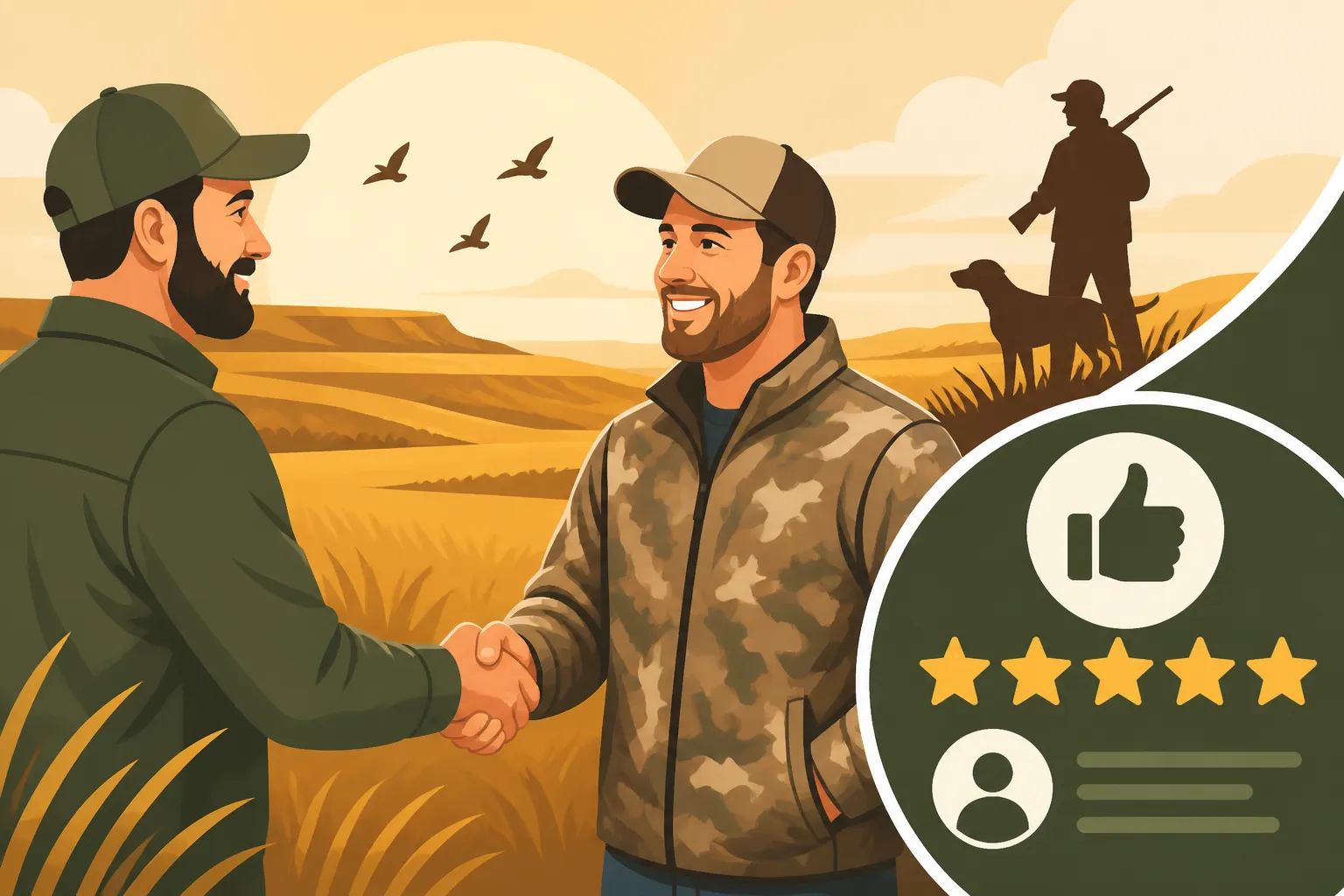
Many websites specialize in connecting hunters with outfitters and often include robust review sections. These platforms are typically where prospective hunters go first when researching a trip, making your review highly visible and influential. Think about sites like BookYourHunt or GoHunt; they are specifically designed to facilitate this kind of interaction.
When you post on a dedicated platform, you're usually asked to rate various aspects of the hunt (e.g., guide, lodging, hunting quality) and then provide a written narrative. This structured approach helps ensure comprehensive feedback. Make sure your review includes specific examples to back up your ratings. For instance, instead of just saying "guide was bad," explain why—"The guide was often late, and on one occasion, he seemed unsure of the Best Stand Locations in Flat Farm Country." These details are what truly help other hunters make informed decisions, especially when looking at a place like Kansas for the first time.
These platforms are also excellent for cross-referencing information. If you've read other reviews, your contribution adds to a collective body of knowledge. It's often the first place someone will look when trying to compare between outfitters or to understand What a Kansas Hunt Price Includes. Take your time and make your review detailed and balanced.
Social Media and Forums
The hunting community is incredibly active on social media groups and online forums. These spaces can be great for sharing your experiences, especially if you want to engage in a discussion with other hunters. A quick post about your recent Kansas deer hunt, accompanied by photos, can spark conversations and allow you to share insights that might not fit neatly into a formal review form.
While less formal, reviews on platforms like Facebook groups, Reddit hunting communities, or dedicated hunting forums can still be very impactful. These platforms offer a more conversational environment where you can elaborate on your experiences and answer questions directly from interested hunters. This is also a place where you might share insights on Getting References From Past Clients or warn others about Red Flags When Booking in Kansas. Be mindful that these public forums can sometimes be less forgiving, so always strive for factual and respectful communication, even if your experience was negative.
Remember that anything you post on social media or forums is easily searchable and can remain online indefinitely. Be thoughtful about the tone and content, ensuring it's fair and constructive. While direct naming of individuals can be tempting if you had a bad experience, it's often more effective to focus on the outfitter's policies or overall service.
Direct Feedback to the Outfitter
Sometimes, the most direct and effective way to provide feedback is by communicating directly with the outfitter. This is especially true for constructive criticism or suggestions for improvement. A simple phone call or a well-written email after your hunt can be incredibly valuable. This gives the outfitter a chance to hear your thoughts firsthand and address any issues before they become public.
Many outfitters genuinely want to improve and will appreciate honest, private feedback. It allows them to understand specific problems, train their staff better, or adjust their operations. If you had a positive experience, a direct thank you can also go a long way in building goodwill and a potential relationship for future hunts. This direct channel can also be a place to discuss Trophy Fees on Kansas Deer Hunts or Cancellation Terms on a Kansas Booking if those were points of contention or confusion during your trip.
Consider this option first for minor issues or concerns. If the outfitter is unresponsive or dismissive of your feedback, then turning to public review platforms becomes more justified. The goal is always to foster improvement and transparency in the hunting industry, and sometimes a private conversation is the best starting point.
| Review Platform Type | Best For | Pros | Cons |
|---|---|---|---|
| Dedicated Hunting Review Sites (e.g., BookYourHunt, GoHunt) | Comprehensive, structured reviews for serious hunters | High visibility for prospective clients; often categorized and searchable; direct comparison tools. | Can feel formal; less room for conversational nuance; may require account creation. |
| Social Media & Forums (e.g., Facebook groups, Reddit, hunting forums) | Engaging discussions, quick sharing, community interaction | Broad reach; interactive; can share more context and personal anecdotes; good for questions and answers. | Less structured; potential for emotional responses; information can get lost; public permanence. |
| Direct Communication (Email, Phone) | Private, constructive feedback; resolving issues directly | Allows outfitter to address concerns discreetly; builds goodwill; can lead to immediate resolution. | Limited public impact; outfitter may not respond or act on feedback; no external validation. |
The Impact of Your Feedback
Your review isn't just a personal reflection; it's a valuable contribution to the broader hunting community and the outfitting industry itself. Every thoughtful review, positive or negative, creates ripples.
Helping Fellow Hunters Choose Wisely
Imagine you're planning a trip to Kansas and want to understand the best options for Booking a Kansas Whitetail Hunt With an Outfitter. You'd likely pour over reviews, trying to piece together a realistic picture of what each outfitter offers. Your honest review becomes one of those crucial pieces. It helps fellow hunters navigate the sometimes-overwhelming choices, especially when comparing Guided Versus DIY Deer Hunting in Kansas or trying to understand what differentiates one outfitter from another.
When you describe specific details—like the quality of the hunting ground, the guide's attention to Access Routes That Do Not Bump Deer, or the cleanliness of the lodge—you're providing context that marketing materials often gloss over. This isn't just about avoiding bad experiences; it's also about directing hunters to great experiences that might otherwise be overlooked. A hunter looking for a challenging Bowhunting Kansas Deer From September to December experience might value different aspects than someone booking a Kansas Antlerless Hunts and Filling the Freezer. Your detailed insights help match hunters with the right outfitter for their specific goals.
Platforms like BookYourHunt or GoHunt thrive on this shared wisdom. When hunters contribute their experiences, it builds a more transparent ecosystem, fostering better decision-making for everyone involved. Your story might just be the deciding factor for someone contemplating a significant investment in a Kansas hunting adventure.
Influencing Outfitter Improvement
No business is perfect, and outfitters are no exception. Constructive feedback is a powerful tool for improvement. When an outfitter consistently receives similar feedback on an area—say, inconsistent Wind and Thermals on a River Bank scouting or inadequate Ground Blind Brushing In—it gives them clear data on where to focus their efforts. This could lead to better guide training, investments in new equipment, or adjustments to their hunting strategies.
Even positive reviews can guide improvements. If multiple hunters rave about a particular guide or a specific aspect of the lodging, the outfitter knows what's working well and can reinforce those strengths. For example, if many clients praise how quickly the staff helped with Getting a Deer Cooled in September, the outfitter will recognize the value of that service. Think of your review as a free consultation service for the outfitter, offering insights from a customer's perspective that they might not otherwise get.
In a competitive market like Kansas hunting, outfitters want to attract and retain clients. Thoughtful reviews on platforms like BookYourHunt can significantly influence an outfitter's reputation and their ability to stay booked. It’s a direct incentive for them to maintain high standards and continuously seek ways to enhance the hunter's experience, from the moment of booking through their return home.
Preventing Negative Experiences for Others
Perhaps one of the most significant impacts of your review is the ability to help other hunters avoid a potentially negative or even dangerous situation. If an outfitter consistently fails to maintain safe stands, provides misleading information, or operates unethically, your review can serve as a vital warning. This isn't about vengeance; it's about protecting the hunting community and upholding standards within the industry.
Consider a scenario where an outfitter promises access to certain Kansas Units With the Most Public Land but in reality, only has limited, heavily pressured private ground. Your review can highlight this discrepancy, saving another hunter from a disappointing and costly trip. Similarly, if an outfitter has questionable practices regarding Portable Stand Rules on Kansas Public Land or other legal requirements, it's crucial information for prospective clients.
By sharing your honest experience, you contribute to a culture of accountability. It forces outfitters to be more transparent and ethical in their dealings. Your insights, combined with those of other hunters, create a collective body of knowledge that empowers individuals to make informed choices and promotes the overall health and reputation of hunting outfitters in Kansas.
Ethical Considerations for Reviewing
Writing a review carries a responsibility. It's easy to get caught up in emotion, especially after an expensive trip with high expectations. However, an ethical review is always factual, fair, and constructive, serving the community rather than just airing grievances.
Honesty and Objectivity
The cornerstone of any good review is honesty. You need to accurately represent what happened, without exaggerating successes or failures. This means sticking to the facts and your genuine perceptions. Did the guide genuinely provide poor advice, or did you simply make a mistake based on good advice? Was the weather truly awful and impacting the hunt, or did the outfitter fail to adapt? It's about discerning what was within the outfitter's control and what wasn't.
Objectivity also means trying to set aside personal biases. If you had a personality clash with a guide, try to separate that from their actual professional competence. Did they perform their duties effectively despite the personal disconnect? Your goal isn't to personally attack, but to provide an unbiased assessment of the service received. This is where platforms like GoHunt, which often have specific criteria for reviews, can guide you towards more objective feedback.
Before hitting "post," ask yourself: Is this review fair? Could another reasonable person have had a similar experience? Have I provided enough specific details that someone reading it can understand why I feel this way? An honest and objective review carries far more weight and credibility than one that sounds overly emotional or biased.
Focusing on Facts, Not Emotion
It’s incredibly frustrating when a hunt doesn't go as planned, especially when you've invested significant time and money. But letting anger or disappointment dictate your review will often undermine its effectiveness. Instead of saying, "This outfitter ruined my dream hunt!", try to articulate what specifically led to your disappointment.
For instance, if you felt the stands were unsafe, describe why: "The treestand I was assigned on day two had a wobbly platform and frayed straps, which made me feel unsafe." This factual detail is far more powerful and actionable than a blanket emotional statement. Similarly, if the food was disappointing, instead of "The food was terrible," you could say, "The meals often consisted of cold sandwiches, which felt inadequate after a full day of Hunting Kansas Walk-In Land Without Burning It Out."
By focusing on observable facts and specific incidents, your review becomes a reliable source of information. It allows other hunters to weigh the pros and cons based on concrete details, rather than getting swept up in someone else's emotional rollercoaster. An outfitter is also more likely to take factual criticism seriously and use it to improve their service.
Addressing Issues Constructively
Even if your experience was largely negative, there's always an opportunity to offer constructive criticism. This means not just identifying problems, but perhaps suggesting ways they could be addressed. For example, if communication was an issue, you could suggest: "Better pre-hunt communication, perhaps a detailed itinerary or a call a week before arrival, would help manage expectations for hunters regarding Kansas Muzzleloader Deer Season."
Constructive feedback is about problem-solving, not just complaining. It demonstrates that you care about the quality of the hunting experience, not just your own. This approach can be particularly effective if you've already tried direct communication with the outfitter and they were unreceptive. By framing your public review in a constructive manner, you maintain credibility and show that your intent is to help, not harm.
Ultimately, your review is a legacy for your hunt and a guidepost for others. Whether you're praising an outfitter for their exceptional knowledge of Kansas Deer Habitat in Crop Country or pointing out areas needing improvement, do so with purpose, honesty, and a spirit of helpfulness. The hunting community thrives on shared knowledge, and your contribution is invaluable.
Disclaimer
This article is for general informational purposes only and does not constitute professional advice. Laws, prices and regulations vary by location and change over time. Consult a qualified professional for guidance on your specific situation.