Spring Turkey Combo With Lodging
It's no secret that a Kansas spring turkey hunt can be an incredible experience, but for many hunters, especially those traveling from out of state, the logistics can be a real headache. Between securing permits, finding good hunting ground, and sorting out where to lay your head each night, the planning alone can feel like a full-time job. This guide is here to untangle all of that, focusing specifically on what a "spring turkey combo with lodging" entails, why it might be the perfect fit for your next hunt, and how to navigate the options to find an experience that's just right for you.
The Allure of a Kansas Spring Turkey Combo with Lodging
For many of us, hunting isn't just about pulling the trigger; it's about the entire experience – the camaraderie, the planning, the memories made around a campfire or a kitchen table after a long day afield. But let's be honest, the "planning" part can often strip away some of that joy, especially when you're dealing with unfamiliar territory or limited time off work. That's where a spring turkey combo with lodging truly shines.
Imagine rolling into Kansas, permit in hand, knowing that your guide is ready, your hunting spots are scouted, and your bed is made in a cozy lodge. This isn't just about convenience; it's about maximizing your hunting time and minimizing stress. You're not spending precious daylight driving around looking for food, trying to interpret obscure regulations about Portable Stand Rules on Kansas Public Land, or wondering where the nearest decent meal is. Instead, your focus can be entirely on the birds, soaking in the crisp spring mornings, and enjoying the chase.
Why Hunters Choose All-Inclusive Packages
The primary draw for these types of packages is undoubtedly the sheer convenience and the promise of a truly immersive hunting vacation. When you're dealing with states like Kansas, known for excellent turkey hunting but often with expansive private land, having an outfitter with established access can be a game-changer. These packages remove many of the common barriers that prevent hunters from venturing far from home.
Consider the solo hunter, or a small group of friends who want to experience Kansas but don't have the time to scout or line up private land access. A combo package provides instant access to prime ground, often across multiple properties, which means a higher likelihood of success and a variety of terrains to explore. It's not just about the hunt itself, but also the after-hours. Instead of cooking in a cramped motel room or settling for fast food, you often get home-cooked meals, a comfortable common area to swap stories, and a truly relaxing environment. For non-residents especially, securing a Kansas Spring Turkey Permits and Units can be tricky, and many outfitters can help guide you through that process, ensuring you're squared away before you even arrive.
Beyond Just the Hunt: The Value of a Full Experience
A combo hunt isn't solely about the act of harvesting a turkey; it's about the full spectrum of the experience. It offers a structured yet flexible approach where you can focus on the hunting without getting bogged down by the details of daily life. For instance, after an intense morning of Calling a Gobbler Off the Roost, you can return to the lodge for a hearty breakfast, strategize for the afternoon, or simply relax.
Many outfitters put a great deal of effort into creating a welcoming atmosphere, understanding that their clients are looking for more than just a place to hunt. They aim for a memorable stay, often including local insights, shared meals that become social events, and perhaps even activities beyond turkey hunting itself, depending on the "combo" aspect. This could mean access to fishing ponds, opportunities for Coyote Calling in Open Kansas Country, or simply enjoying the rural Kansas landscape. It's an opportunity to truly disconnect from the daily grind and immerse yourself in the natural world, with all the heavy lifting of logistics handled for you.
What's Typically Included in a Kansas Turkey Combo Package
When you start looking at "spring turkey combo with lodging" packages, you'll quickly see that offerings can vary. However, there's a general framework of what you can expect, and understanding these common inclusions will help you compare options effectively. Most reputable outfitters aim to provide a seamless and enjoyable experience, bundling together the essential elements of a successful and comfortable hunt.
At its core, a package usually covers your hunting opportunities and your accommodation. Beyond that, the "combo" part can mean different things – sometimes it implies hunting multiple turkey species (like Rio Grandes and Easterns if the geography allows for hybrids), or simply the combination of guided hunting, lodging, and meals. It’s important to clarify exactly what "combo" means to your chosen outfitter.
Accommodation and Meals: Home Away From Home
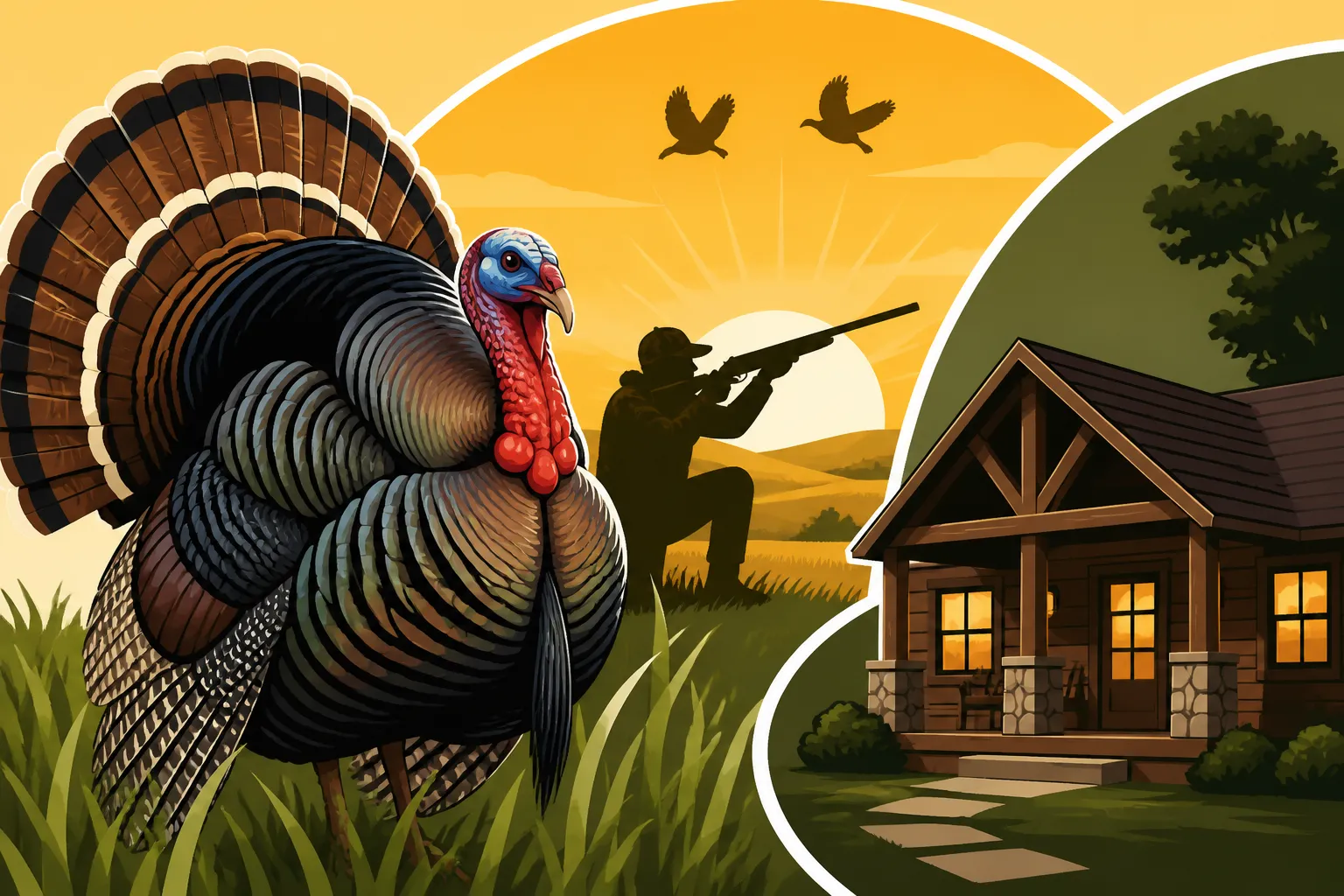
The lodging aspect is a huge selling point. Forget booking a bland motel room or fumbling with Airbnbs in a town you don't know. Outfitter lodges typically range from rustic but comfortable cabins to modern, well-appointed homes designed specifically for hunters. These aren't just places to sleep; they're often communal hubs where hunters gather, share stories, and relax. You can expect clean beds, hot showers, and a dedicated space to unwind after a long day afield. Some lodges are remote and quiet, offering a true escape, while others might be closer to small towns.
Equally important are the meals. Many packages include all your food, from a hearty breakfast before fly-down, a packed lunch for the field, to a delicious dinner back at the lodge. This eliminates the need to grocery shop, cook, or find restaurants, which can save a surprising amount of time and effort, especially in rural Kansas. Imagine coming back from an unsuccessful morning hunt, a little tired and maybe a bit frustrated, to the smell of coffee and a hot meal waiting for you. It's a huge morale booster and ensures you're properly fueled for the next push. The quality and style of meals can vary greatly, so if you have specific dietary needs or preferences, always ask the outfitter beforehand.
Guided Hunting and Field Support
This is where the real value of an outfitter often lies. A guided hunt means you'll have experienced professionals leading the way. They've often spent countless hours Roosting Kansas Turkeys the Night Before and know the specific tracts of land like the back of their hand. They understand turkey behavior, have perfected their calling techniques, and know the best setup locations for Turkey Decoy Spreads That Work in that particular area. Their expertise can drastically increase your chances of success, especially if you're new to Kansas turkey hunting or the run-and-gun style often needed on Run-and-Gun Turkey Tactics on Kansas Walk-In Ground.
Beyond just guiding, field support often includes transportation to and from hunting spots on the property, help with setting up blinds, and even assistance with calling in birds. Once you've harvested a bird, they'll typically assist with retrieval, field dressing, and getting your bird properly cared for and stored. Some will even help with the initial processing or connect you with local processors. This kind of comprehensive support allows you to focus purely on the thrill of the hunt, knowing that the logistics and heavy lifting are being handled by capable hands.
Permits, Licenses, and Other Potential Inclusions
While the outfitter will handle the hunting logistics, remember that the actual hunting permit and license are generally your responsibility and your cost. Most outfitters will provide clear guidance on how to acquire your Kansas Nonresident Turkey Permit Cost and general hunting license, and importantly, when the Kansas Nonresident Turkey Application Dates are. They can often tell you about current regulations, bag limits, and any special requirements for the unit you'll be hunting. It's crucial to understand that their service is the hunt itself, not the purchase of your tag.
Some packages might also include initial scouting, a processing facility on-site, or even basic gear if you're flying in. For example, some might provide ground blinds or certain types of calls. Always get a detailed list of what is and isn't included in writing. What about a non-hunting guest? Can they come along, and what would that cost? These are all excellent questions to ask when discussing packages. Reputable outfitters should be transparent about all costs, including any potential trophy fees (though rare for turkeys), gratuities for guides and cooks, and taxes.
Here's a quick look at common package components:
| Feature | Basic Package (Semi-Guided) | Standard Package (Guided) | Premium Package (Fully Guided) |
|---|---|---|---|
| Hunting Style | Maps, advice, pre-scouted areas | Guide present, active calling/setting up | Dedicated guide, advanced strategies |
| Hunting Days | 2-3 Days | 3 Days | 3-4 Days (or more) |
| Permit Acquisition Help | Guidance on application process | Guidance on application process | Guidance, potential assistance with unit |
| Lodging | Clean, comfortable shared bunkhouse | Private rooms or comfortable shared lodge | High-end lodge, private amenities |
| Meals | Breakfast/Dinner (DIY lunch) | All meals (breakfast, lunch, dinner) | Gourmet meals, snacks, beverages |
| Field Transport | To/from designated parking | To/from hunting areas on property | To/from hunting areas, assistance with bird retrieval |
| Bird Care | Advice, basic facilities | Assistance with field dressing/storage | Full assistance, potential initial processing |
| Success Rate | Good opportunity | High opportunity, good harvest rate | Excellent opportunity, high harvest rate |
| Additional Activities | Limited | Socializing, shared stories | Possible fishing, predator calls, campfires |
| Flexibility | More self-reliance | Comfortable balance | Less personal logistics to manage |
Navigating Your Options: Finding the Right Outfitter and Lodging
Choosing the right Kansas spring turkey combo with lodging is a significant decision, and it requires more than just a quick Google search. You're entrusting your valuable hunting time and money to an outfitter, so due diligence is key. The goal isn't just to find an outfitter, but the right outfitter that aligns with your hunting style, expectations, and budget.
Many hunters find themselves overwhelmed by the sheer number of options, trying to discern which outfitters are legitimate, which have the best ground, and who will provide the kind of experience they're truly seeking. It's a blend of research, communication, and trusting your gut. Remember, a good outfitter wants you to have a great hunt just as much as you do.
Researching Reputable Outfitters
Start your research broad, but quickly narrow it down to outfitters specializing in Kansas turkey hunting, particularly those offering lodging packages. Websites are a good first step, but don't stop there. Look for outfitters with a long history of operation, clear contact information, and detailed descriptions of their hunts. Be wary of sites that are vague or don't provide much information.
Reading reviews and testimonials from previous clients is invaluable. Check independent hunting forums, social media groups, and dedicated booking platforms. Services like BookYourHunt or GoHunt can be excellent resources for finding and comparing outfitters, often providing verified reviews and detailed listings. Don't just look at the success rates; pay attention to comments about guide professionalism, lodging quality, meal satisfaction, and overall camp atmosphere. Were hunters treated well? Was the ground well-managed? Did the outfitter communicate effectively? Questions to Ask a Kansas Outfitter should always be at the top of your list.
Key Questions to Ask Before Booking
Once you've identified a few potential outfitters, it's time to pick up the phone. Direct communication is paramount. Here's a checklist of vital questions to ask:
- What's included in the "combo with lodging" package? Get a precise breakdown of hunting days, meals, guiding services, field transportation, and any other amenities.
- What is the permit application process? Do they offer assistance or just guidance? What unit will you be hunting, and what's the draw success rate like for that unit? Understanding the Kansas Turkey Unit Quotas Compared can be very helpful here.
- What's the typical guide-to-hunter ratio? This indicates how much personalized attention you can expect.
- How much ground do they have access to, and how is it managed? Is it private land, public land, or a mix? How many hunters are typically in camp during your dates? You want to ensure the ground isn't overhunted.
- What are their success and opportunity rates? And more importantly, how do they define these? "Opportunity" means you had a shot, not necessarily that you harvested a bird.
- What are the expectations for hunters? Do they expect you to sit in a blind, or are they geared for mobile hunting?
- What happens if I tag out early? Are there other activities available, or can you leave early?
- What are the deposit, payment, and cancellation policies? This is critical. Understand every detail of the Cancellation Terms on a Kansas Booking.
- Can they provide references from past clients? Talking to real people who have hunted with them can provide incredibly honest insights.
Listen carefully to their answers. Do they sound transparent, knowledgeable, and genuinely interested in your experience? Or do they rush through answers and seem evasive? Trust your intuition.
Understanding Costs and What Affects Them
The cost of a spring turkey combo with lodging can vary significantly, usually depending on the level of guiding, the luxury of the lodging, the length of the hunt, and the exclusivity of the hunting ground. Fully guided, all-inclusive packages will naturally be at the higher end. Semi-guided options, where the outfitter points you to spots and offers advice but doesn't sit with you, will be more budget-friendly.
Keep in mind that while you're paying for convenience, you're also paying for expertise and access. Factors like the reputation of the outfitter, the quality of their properties, and the amenities of the lodge all play a role in pricing. Don't be afraid to ask for a detailed breakdown of costs and clarify what's not included, such as your Kansas Nonresident Hunting Licence Price or travel expenses. Also, budget for gratuities for your guide and lodge staff; it's customary in the industry and a great way to show appreciation for their hard work.
Making the Most of Your Kansas Spring Turkey Hunt
Once you've done your research, booked your combo hunt with lodging, and secured your permits, the real excitement begins! Now it's time to prepare yourself, mentally and physically, to maximize your chances of success and ensure you have an unforgettable experience in the Kansas outdoors. The beauty of these packages is that many of the big logistical hurdles are removed, allowing you to focus on the hunt itself.
However, "all-inclusive" doesn't mean "zero effort." Your preparation and attitude can still make a significant difference in the quality of your trip. From gearing up correctly to understanding the local bird behavior, a little foresight goes a long way.
Preparing for Your Trip: Gear and Fitness
Even with an outfitter handling many details, your personal gear is still crucial. Ensure you have appropriate camouflage, calling equipment (if you plan to do your own calling or backup calls), a comfortable and quiet shotgun or bow, and all necessary hunting accessories. Weather in Kansas during spring can be notoriously unpredictable, swinging from frosty mornings to warm, breezy afternoons, sometimes all in the same day. Pack layers! Waterproof outer layers are a must, as spring showers are common. Good quality, broken-in hunting boots will save your feet, especially if you plan on doing a lot of walking or Run-and-Gun Turkey Tactics on Kansas Walk-In Ground.
Physical fitness might not seem as critical for turkey hunting as it is for, say, elk hunting, but don't underestimate it. You might be walking many miles over uneven terrain, through tall grass, or up and down creek banks to get to hot spots or retrieve birds. Being in decent shape will allow you to keep up with your guide, endure longer sits, and recover quicker from those adrenaline-pumping moments. A few weeks of walking or light cardio before your trip will pay dividends.
Understanding Kansas Turkey Behavior
While your guide will be the expert on the ground, having a basic understanding of Kansas turkey behavior can enhance your hunt and help you communicate better with your guide. Most of Kansas is home to Rio Grande turkeys, though Easterns and hybrids can be found in the eastern part of the state. Understanding the nuances of Rio Grande Turkey Range in Kansas and their typical patterns is beneficial.
Early mornings, turkeys will be on the roost. Your guide will likely get you into position before fly-down, aiming to intercept or call them off the roost. As the day progresses, gobblers will be looking for hens, and depending on the stage of the breeding cycle, they might be henned-up (making them harder to call in) or cruising solo, eager to find companionship. Knowing when Working a Henned-Up Tom Midday might require different tactics, like patient waiting or a strategic repositioning, can be helpful. Pay attention to local terrain – creek bottoms, timber lines, and open fields all play a role in their daily movements. Your guide will use this knowledge to put you in the best position.
Etiquette and Expectations While in Camp
A guided hunt is a shared experience, not just between you and your guide, but often with other hunters in the lodge. Good camp etiquette is important for everyone's enjoyment. Be respectful of quiet hours, especially early mornings and late evenings. Keep your gear organized and clean. Be on time for meals and scheduled departures. Offer to help with chores if appropriate, though generally, the staff has things covered.
Regarding your guide, be clear about your expectations, but also be realistic. Communicate openly about your physical limitations, preferred hunting style, and what you're hoping to achieve. Listen to their advice – they are the experts on their ground. Gratuities are a significant part of a guide's income; a general rule of thumb is around 15-20% of the hunt cost for guides, and a smaller amount for cooks or lodge staff, but adjust based on the service received. A good guide will work incredibly hard to put you on birds, and acknowledging that effort goes a long way. Building a good relationship with your guide can truly elevate your hunting experience.
Disclaimer
This article is for general informational purposes only and does not constitute professional advice. Laws, prices and regulations vary by location and change over time. Consult a qualified professional for guidance on your specific situation.