Kansas Nonresident Turkey Permit Cost
Trying to figure out the exact cost of a nonresident turkey permit for Kansas can feel like trying to hit a moving target sometimes, especially when you're piecing together information from different sources. It’s frustrating when you just want a straightforward answer but keep running into terms like "application fees," "drawing odds," and "hunting licenses." This guide is here to untangle all that, giving you a clear, comprehensive breakdown of what you can expect to pay as a nonresident looking to chase longbeards in the Sunflower State.
Understanding the Core Costs for Your Kansas Turkey Hunt
Let's cut right to the chase because, let's be honest, that's what most of you are really here for. When you’re planning a nonresident turkey hunt in Kansas, the permit itself isn’t the only cost, but it's certainly a big piece of the pie. Beyond the permit, you'll need a general hunting license, and sometimes there are application fees involved, especially if you're going through a draw process.
The Nonresident Turkey Permit Price Tag
For nonresidents, the actual turkey permit in Kansas typically runs about $72.50. This permit allows you to harvest one turkey, which can be either an antlered (gobbler) or an unantlered (hen) bird. Kansas is a two-tag state for residents, but nonresidents are generally limited to one permit for the spring season. This permit is unit-specific if you apply during the draw, meaning you'll need to declare which unit you intend to hunt. It’s crucial to remember this isn't just a simple over-the-counter purchase in many cases; it often involves a draw system, particularly for prime units, so planning ahead is absolutely essential.
The Nonresident Hunting License Requirement
Before you can even think about buying a turkey permit, you absolutely must have a valid Kansas hunting license. For nonresidents, an annual hunting license currently costs around $127.50. This isn't just for turkeys; it's your general pass to hunt any legal game in Kansas for the entire license year. So, if you're thinking about a multi-species trip, this license covers you for other small game or even a future deer hunt (with the appropriate permits, of course). Don't make the mistake of showing up with just a turkey permit; the hunting license is non-negotiable and you'll need it in your possession.
Application Fees and Draw Details
Kansas often uses a draw system for nonresident turkey permits, particularly for certain units or during specific application windows. When you apply, there's usually a small, non-refundable application fee, often around $7.50. This fee covers the administrative costs of processing your application, regardless of whether you are successfully drawn. It’s a small amount, but it adds up to your total upfront investment. If you aren't drawn, you typically lose this fee, but you won't be charged for the permit itself. Knowing the specific application periods is critical to avoid missing out. You can find more details on Kansas Nonresident Turkey Application Dates to ensure you're always on schedule.
Summary of Permit-Related Costs
To make it super clear, here’s a quick breakdown of the primary costs associated with obtaining your Kansas nonresident turkey permit:
| Item | Approximate Cost (USD) | Notes |
|---|---|---|
| Nonresident Hunting License | $127.50 | Required for all nonresident hunters. Valid for one year. |
| Nonresident Turkey Permit | $72.50 | Allows harvest of one turkey (gobbler or hen). Unit-specific. |
| Application Fee | $7.50 | Non-refundable. Paid during the draw application process. |
| Total (if drawn) | $207.50 | Sum of license, permit, and application fee if successful in draw. |
Remember, these figures are subject to change, so always double-check the official Kansas Department of Wildlife, Parks and Tourism (KDWP) website for the most current pricing before you apply.
Navigating the Kansas Turkey Permit Draw System
For many nonresident hunters, getting a Kansas turkey permit isn't as simple as walking into a store and buying one off the shelf. Kansas utilizes a draw system to manage pressure and ensure fair distribution of permits, especially in units with high demand. This system can be a bit intimidating if you're not familiar with it, but understanding how it works is key to successfully planning your hunt.
Understanding Unit Quotas and Application Windows
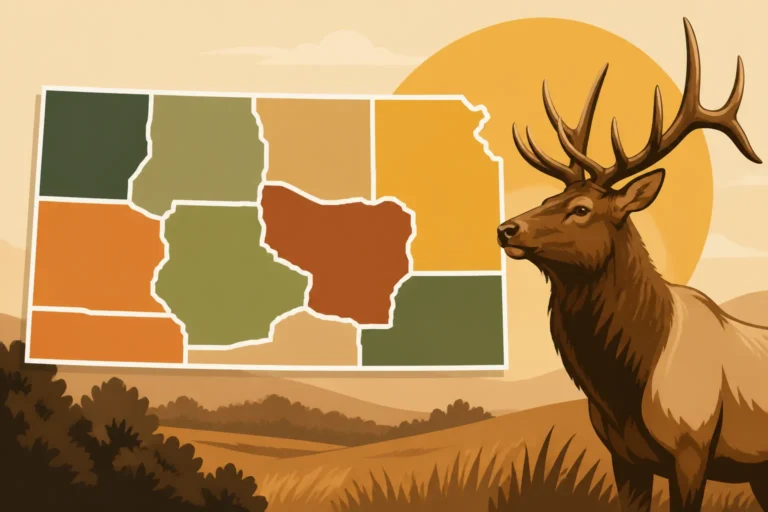
Kansas divides the state into different turkey units, and each unit has a specific quota of permits available to nonresidents. This is why tools like those offered by GoHunt are so valuable; they can provide insights into historical draw odds and help you choose a unit that aligns with your desired hunting experience and success probability. Some units are incredibly popular, making the draw very competitive, while others might have permits that go unfilled or become available as Kansas Leftover Turkey Permits after the initial draw.
The application window is typically in January or February for the spring season. Missing this window means you're out of luck for the primary draw, and you'll be banking solely on leftover permits, which can be scarce or in less desirable areas. This upfront planning is crucial for nonresidents, as you're investing time and money even before you set foot in the state. Don't underestimate the importance of being timely and informed about the specific Kansas Spring Turkey Permits and Units before you even think about applying.
What Happens if You Aren't Drawn?
It's a valid concern – what if you pay your application fee and don't get a permit? Unfortunately, if your name isn't pulled in the draw, that initial application fee of $7.50 is non-refundable. You won't be charged the $72.50 permit fee, of course, but the application fee is considered administrative. This is why researching Kansas Nonresident Turkey Unit Quotas and historical draw success rates, often available through platforms like GoHunt, becomes so important. It helps manage expectations and allows you to strategize your application. You might consider applying for a less popular unit to increase your odds, or perhaps focus on units known for having a higher likelihood of leftover permits.
Applying for Leftover Permits
If you missed the initial draw, or if you weren't successful, all is not lost! Kansas typically offers any remaining nonresident turkey permits as "leftover" permits, usually on a first-come, first-served basis, often starting in late March or early April. These permits are usually available online. The key here is to act fast when they become available. Popular units with leftover permits sell out quickly. While a leftover permit might not be for your top-choice unit, it's a great opportunity to still get in on the action if your initial plans didn't pan out. Be vigilant and check the KDWP website regularly during the leftover sale period.
Beyond the Permit: Hidden Costs and Budgeting for Your Trip
While the permit and license fees are concrete and easy to calculate, any seasoned hunter knows the true cost of a hunt extends far beyond these initial charges. For a nonresident chasing Kansas longbeards, there are numerous other expenses that can quickly add up and blow a budget if not properly accounted for.
Travel and Lodging Expenses
Kansas is a big state, and getting to your chosen hunting unit can involve significant travel. Whether you're driving hundreds of miles or flying in, fuel costs, airfare, and vehicle wear and tear are real considerations. Once you're there, where will you sleep? Options range from budget motels in rural towns to Airbnb rentals, or even camping on public land or a private farm with permission. Prices can vary wildly depending on the area and time of year. A typical hotel in a small Kansas town might run $80-$150 a night, while a campsite could be $10-$30. These are costs you need to research well in advance. Remember, the Kansas Spring Turkey Season Dates generally fall in April and May, which can coincide with other events, potentially driving up lodging prices.
Gear, Food, and Supplies
Think about everything you need for a successful turkey hunt. Quality camouflage, calls (mouth calls, slate calls, box calls), a shotgun or bow, appropriate ammunition or arrows, decoys, binoculars, a good hunting vest, and sturdy boots are all essentials. If your gear needs updating, factor that into your overall budget. Don't forget food and drinks for your trip. While you might bring some essentials, you'll likely be buying groceries or eating out, especially after a long morning in the field. Also, consider smaller items like bug spray, headlamps, and any personal items. These seemingly minor purchases can quickly accumulate.
Potential Guide or Lease Fees
Many nonresidents opt to hire a guide or lease private land, especially if they're unfamiliar with Kansas terrain or lack connections. Guided turkey hunts can range from several hundred dollars to over a thousand, often including lodging, meals, and expert assistance. Leasing private land offers more freedom but comes with a per-acre or flat fee, which can also be substantial. These options significantly increase your budget but can dramatically improve your chances of success and overall experience. If you're considering this route, always get a detailed breakdown of what's included and what's not before committing.
Planning Your Nonresident Turkey Hunt Effectively
Successfully hunting turkeys in Kansas as a nonresident involves more than just having the right permits; it's about meticulous planning, understanding the terrain, and knowing how to adapt your tactics. A well-thought-out plan can save you headaches, time, and money in the long run.
Scouting and Research Before You Go
Before you even apply for your permit, invest significant time in e-scouting. Utilize online mapping tools, review aerial imagery, and look at topography to identify potential roosting areas, feeding locations, and travel corridors. Platforms like GoHunt and the Kansas Online Hunting Atlas are invaluable for this. Pay close attention to public hunting areas, particularly Walk-In Hunting Access (WIHA) tracts. Understanding Kansas Walk-In Hunting Access Explained can open up many opportunities. Look for timbered creek bottoms, river corridors, and areas adjacent to agricultural fields. Identifying areas with good cover and access routes is paramount.
When you're actually on the ground, traditional scouting becomes critical. Look for tracks, droppings, feather piles, and dusting bowls. Listen for distant gobblers, particularly in the evenings before fly-up or mornings at fly-down. This helps you narrow down specific spots. Don't just drive around; get out and walk the edges of fields and timber, always being mindful of property boundaries.
Tactics for Kansas Turkeys
Kansas turkeys, particularly the Rio Grande subspecies prevalent across much of the state, can be highly vocal but also quite wary. They often roost in mature timber along river and creek bottoms, and then fly down to feed in nearby fields. Your calling strategy needs to be adaptable. Sometimes aggressive calling will pull a gobbler in from a long distance, especially early in the season or during the peak breeding phase. Other times, a softer, more subtle approach will be more effective, especially with henned-up birds. Learning to Call a Gobbler Off the Roost effectively can make or break your morning hunt.
For hunters on public land or larger private tracts, a "run-and-gun" approach can be highly effective. This involves covering a lot of ground, stopping to call periodically, and moving quickly to a gobbler's response. This tactic is especially useful on Run-and-Gun Turkey Tactics on Kansas Walk-In Ground where turkeys might be more dispersed due to hunting pressure. Decoys can also be incredibly effective, especially a single hen or jake decoy placed in an open field to draw a gobbler into range. Always position your decoy so that the gobbler approaches from a direction that offers you a clear shot.
Essential Safety and Ethical Considerations
Safety should always be your top priority. When hunting turkeys, especially on public land, always be aware of other hunters. Wear hunter orange when moving through dense cover or walking back to your vehicle, but remove it once you're set up to call. Never wear red, white, or blue while turkey hunting, as these colors are present on a gobbler's head and could lead to a mistaken identity. Always identify your target positively before taking a shot, and be absolutely certain of what's beyond it. Refer to state regulations for specific Public Land Turkey Safety guidelines.
Beyond safety, ethical hunting practices are paramount. Respect landowners, even if you're on public access land. Pick up all your trash, retrieve your birds efficiently, and leave the area as you found it. Understanding the Kansas Hunter Education and Licensing Basics is not just about legality; it instills a sense of responsibility and stewardship. By following these principles, you contribute to a positive perception of hunting and help preserve opportunities for future generations.
Why Kansas is Worth the Effort
Despite the costs and the draw system, Kansas remains a premier destination for nonresident turkey hunters. The state boasts strong populations of Rio Grande turkeys, known for their vocal nature and willingness to interact with calls. While Kansas Turkey Population Trends have seen some fluctuations, generally, good habitat and management ensure a solid hunting experience. The expansive landscapes, often featuring a mix of agricultural fields and timbered river bottoms, provide ideal turkey habitat and offer a unique hunting experience. The challenge and reward of calling in a big Kansas gobbler make the nonresident permit cost and associated travel expenses well worth the investment for many hunters.
Disclaimer
Please note that hunting regulations, permit costs, and season dates are subject to change annually by the Kansas Department of Wildlife, Parks and Tourism (KDWP). Always consult the official KDWP website or their current hunting regulations summary for the most up-to-date and accurate information before planning and executing your hunt. This guide is for informational purposes only and should not be considered a substitute for official state regulations.