Kansas Turkey Unit Quotas Compared
Applying for a Kansas turkey permit can feel like navigating a maze, especially when you're trying to figure out which unit gives you the best shot at drawing a tag. It's frustrating to put in the time and effort, only to miss out because you didn't understand the nuances of the quota system. This guide is here to break down the complexities of Kansas turkey unit quotas, helping you understand how they work, compare your options, and hopefully, put a spring gobbler in your sights.
The Landscape of Kansas Turkey Hunting Permits
Kansas is renowned for its incredible outdoor opportunities, and spring turkey hunting is definitely high on that list. However, understanding the permit system, especially for those coming from out of state, is absolutely crucial. It's not as simple as walking into a sporting goods store and grabbing a tag; there's a specific process, and it revolves heavily around unit quotas.
Understanding Unit-Specific Restrictions for Non-Residents
Unlike residents who often have the luxury of purchasing an over-the-counter permit valid for most of the state, non-residents face a more structured system. For non-residents, Kansas spring turkey permits are unit-restricted, meaning you apply for and receive a permit that is only valid within a specific management unit. This is where the concept of unit quotas truly comes into play. The Kansas Department of Wildlife and Parks (KDWP) allocates a predetermined number of non-resident permits to each of the open units (Units 1, 2, and 3). Once those permits are drawn or sold, they're gone. It creates a competitive environment, especially in units known for higher turkey densities. If you're planning your trip, knowing the details about Kansas Spring Turkey Permits and Units is your first step.
Why Unit 4 is Unique
Now, let's talk about Unit 4, the outlier. This unit, located in the eastern and southeastern portions of Kansas, is arguably one of the most productive turkey hunting regions in the state, boasting robust populations of Rio Grande and even some Eastern turkeys. However, for spring turkey season, Unit 4 is resident-only. This is a critical piece of information for non-residents planning a hunt, as it means you cannot apply for or hunt turkeys in Unit 4. This restriction helps manage hunter pressure and maintain turkey populations in a prime area for resident hunters. Understanding Why Kansas Unit 4 Is Resident Only helps explain this unique situation within the state's broader hunting regulations.
How Quotas Are Established
The KDWP doesn't just pull these quota numbers out of thin air. They're based on extensive research, population surveys, and long-term management goals. Biologists constantly monitor turkey populations, taking into account factors like poult survival rates, nesting success, habitat availability, and harvest data from previous seasons. If Kansas Turkey Population Trends show a decline in a particular unit, the KDWP might reduce the quota to allow the population to rebound. Conversely, if numbers are strong, the quota might remain stable or even slightly increase. The goal is always to provide sustainable hunting opportunities while ensuring the health and stability of the wild turkey resource across the state, from the Rio Grande Turkey Range in Kansas to areas with Eastern Turkeys in Eastern Kansas. These quotas are a direct reflection of the KDWP's ongoing commitment to conservation.
A Deep Dive into Kansas Turkey Unit Quotas
For non-resident hunters, the most crucial part of planning a Kansas spring turkey hunt is understanding the specific quotas for Units 1, 2, and 3. These numbers dictate your chances of drawing a tag and, consequently, where you'll be able to chase gobblers.
Quota Levels by Unit for Non-Residents
When looking at the Kansas turkey units open to non-residents (Units 1, 2, and 3), you'll notice that the quotas can vary significantly, reflecting both the turkey population density and historical hunter demand. While specific numbers can fluctuate slightly year to year based on KDWP assessments, there are general trends.
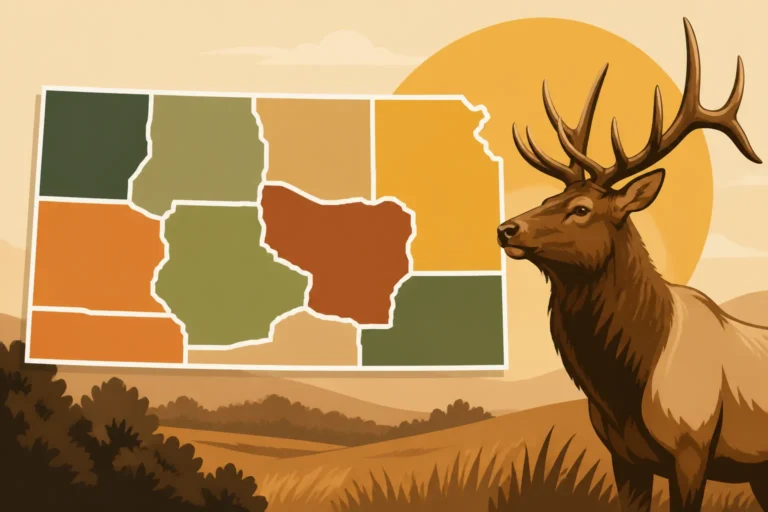
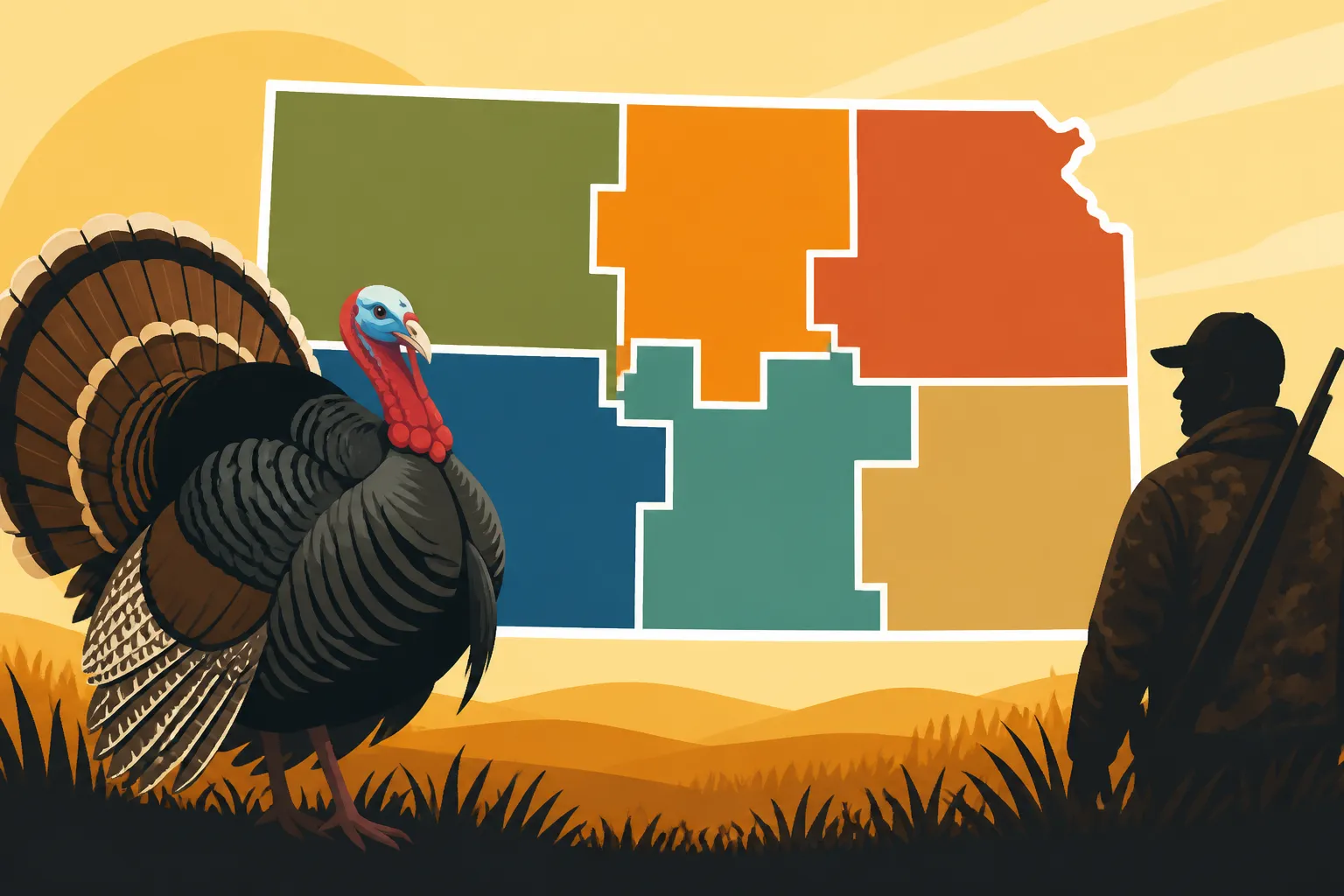
- Unit 1 (Northwest Kansas): This unit often has one of the lower non-resident quotas. The habitat here is typically more open prairie, with timbered river bottoms and creek draws being key turkey strongholds. While turkeys certainly exist here, the overall density isn't usually as high as in the eastern units. Drawing a tag for Unit 1 can be competitive because fewer are available.
- Unit 2 (North Central, West Central Kansas): Unit 2 tends to have a moderate quota, often offering a slightly better chance than Unit 1. It features a mix of agricultural land, CRP, and timbered waterways, providing excellent turkey habitat. This unit often strikes a balance between opportunity and demand.
- Unit 3 (South Central, Southwest Kansas): This unit frequently holds the highest non-resident quota, making it a popular choice. The diverse habitat, including expansive river systems like the Arkansas and Cimarron, offers significant turkey populations. More permits generally mean better drawing odds for non-residents.
It's vital to check the KDWP regulations annually for the most up-to-date Kansas Nonresident Turkey Unit Quotas. Websites like GoHunt provide valuable tools and insights for non-resident draws, often compiling historical data that can help predict drawing success for various units.
Geographic and Habitat Influences on Turkey Populations
The variation in unit quotas is directly tied to the underlying geography and habitat across Kansas.
- Eastern Kansas (Unit 4 – Resident Only, but habitat context): As mentioned, the eastern part of the state, including what constitutes Unit 4, is characterized by more abundant timber, river bottomlands, and varied terrain. This creates ideal roosting cover, nesting habitat, and food sources, leading to higher turkey densities. This rich habitat is a primary reason why Unit 4 is managed as a resident-only area.
- Central Kansas (Units 2 & 3): As you move west into central Kansas, the landscape transitions. While still featuring significant timber along major river systems and tributaries, you also encounter more expansive agricultural fields and CRP (Conservation Reserve Program) grasslands. Turkeys adapt well to this mosaic, utilizing tree lines for roosting and fields for foraging. The large river corridors in units like Unit 3 are crucial for supporting robust turkey populations.
- Western Kansas (Units 1 & 3): The westernmost reaches of Kansas become increasingly arid and open, dominated by shortgrass prairie. Timber is often confined to isolated creek beds, shelterbelts, and limited riparian zones. While turkeys are present, their populations are generally more localized and less dense than in the eastern and central parts of the state. This natural limitation on habitat directly influences the lower quotas seen in units like Unit 1.
Understanding these geographical differences can help you manage expectations about where you'll be hunting and what kind of environment you'll encounter once you've drawn your tag. For instance, Roosting Turkeys on a Kansas Evening might involve large cottonwoods in a river bottom in central Kansas, versus smaller, scattered timber in the west.
The Demand for Tags
Even with varying quotas, the demand for non-resident Kansas turkey tags consistently outstrips supply, particularly in units perceived to have higher turkey numbers or better access. Many non-resident hunters are drawn to Kansas's reputation for excellent turkey hunting, and with Unit 4 being off-limits, the pressure concentrates on Units 1, 2, and 3.
This high demand means that simply having a permit available doesn't guarantee you'll draw it. It becomes a lottery, and your odds can change annually depending on the number of applicants. This is why many hunters rely on tools from providers like GoHunt to analyze historical drawing odds and make the most informed decision possible when submitting their application. Understanding the competition is just as important as knowing the quotas themselves.
Here's a simplified comparison of general quota characteristics for non-resident spring turkey permits in Kansas:
| Turkey Unit | General Location | Typical Non-Resident Quota (Spring) | Primary Habitat Characteristics | Drawing Difficulty (Non-Resident) | Notes |
|---|---|---|---|---|---|
| Unit 1 | Northwest Kansas | Lower | Open prairie, limited river timber | Moderate to High | Often more isolated turkey pockets |
| Unit 2 | North Central, West Central | Moderate | Ag fields, CRP, significant river timber | Moderate | Good balance of habitat & numbers |
| Unit 3 | South Central, Southwest | Higher | Extensive river bottoms, ag fields, CRP | Lower to Moderate | Strong turkey populations along major rivers |
| Unit 4 | Eastern, Southeastern Kansas | N/A (Resident Only) | Abundant timber, varied terrain | N/A | Highest turkey density, no non-resident permits |
Please note: "Typical Quota" and "Drawing Difficulty" are generalizations based on historical trends and can vary year-to-year. Always consult current KDWP regulations for exact figures.
Strategies for Drawing a Kansas Non-Resident Turkey Permit
Navigating the application process for a non-resident Kansas turkey permit can feel daunting, but with a clear strategy, you can significantly improve your chances of success. It's all about understanding the timeline, the rules, and making informed choices.
Navigating the Application Period
The first and most critical step is knowing when to apply. The Kansas Spring Turkey Application Period usually opens in early January and closes around late February or early March. Missing this window means you'll miss out on the draw entirely. You'll need to apply online through the KDWP website or a licensed agent. During the application, you'll select your preferred unit (Unit 1, 2, or 3). You cannot pick Unit 4. You'll also need to have purchased a valid Kansas non-resident hunting license before or at the time of your turkey permit application. Double-checking all your information before submission is key, as mistakes can lead to disqualification. Many hunters keep a calendar reminder set for the opening of the application period to ensure they don't miss this crucial window.
Leveraging Leftover Permits
Even if you've done your homework and applied strategically, there's always a chance you won't draw a permit in the initial lottery. But don't despair! Kansas often has what are called "leftover permits." These are permits that were not allocated in the initial draw, either because they weren't applied for or because applicants chose not to purchase their drawn permit. Kansas Leftover Turkey Permits typically become available for purchase over-the-counter on a first-come, first-served basis, usually starting in late March or early April.
Leftover permits are often for units with lower demand, or sometimes for units where a few individuals failed to complete their purchase. While it's not a guaranteed strategy, keeping an eye on the KDWP website for announcements about leftover permit sales can be a great way to secure a tag if the initial draw didn't go your way. These permits sell out quickly, so you need to be ready to act as soon as they become available. If your initial application for Units 1, 2, or 3 doesn't pan out, this is your next best bet.
Maximizing Your Odds with Research
Smart planning and research are your best friends when it comes to drawing a Kansas turkey permit.
- Study Historical Draw Data: Resources like GoHunt are invaluable here. They often compile past drawing odds, showing you how many applicants typically apply for each unit and the success rate. This historical data can guide your unit selection, helping you pick a unit where your odds are statistically better, rather than just guessing. While past performance doesn't guarantee future results, it's a strong indicator.
- Understand Turkey Behavior: Beyond just drawing the tag, knowing about turkey behavior in Kansas will set you up for success. Whether it's practicing Calling a Gobbler Off the Roost or implementing Run-and-Gun Turkey Tactics on Kansas Walk-In Ground once you have your permit, research into effective hunting methods specific to Kansas's terrain will make your hunt more productive and enjoyable.
- Scout Your Chosen Unit: Once you've secured a permit for a specific unit, begin your scouting process, even if it's just e-scouting from home. Utilize aerial maps, county plat books, and even apps that show public land boundaries. Look for river systems, prominent timber blocks, and access points. The more you know about your unit before you arrive, the less time you'll spend figuring things out on the ground, and the more time you'll spend hunting. Also, be mindful of Public Land Turkey Safety when planning your hunts.
By combining a thorough understanding of the quota system with diligent application and research, you significantly increase your chances of having a memorable Kansas spring turkey hunt. It's a challenging but rewarding endeavor that starts long before you ever set foot in the field.
Disclaimer
Hunting regulations, season dates, and permit requirements in Kansas can change. This guide provides general information based on typical regulations. Always consult the most current official Kansas Department of Wildlife and Parks (KDWP) regulations and publications before planning any hunting trip to ensure compliance.