Kansas Deer Units 1 Through 19
Navigating the patchwork of Kansas deer units can feel like trying to decipher an ancient map, especially when you’re dreaming of chasing a Sunflower State whitetail or even a mule deer. For hunters, particularly those coming from out of state, understanding these distinctions is absolutely critical – it dictates everything from your permit application strategy to the very terrain you’ll find yourself hunting. This comprehensive guide will break down each of Kansas's 19 deer units, giving you a clear picture of what to expect, where the opportunities lie, and how to maximize your chances of success.
Decoding Kansas Deer Units: Why They Matter for Every Hunter
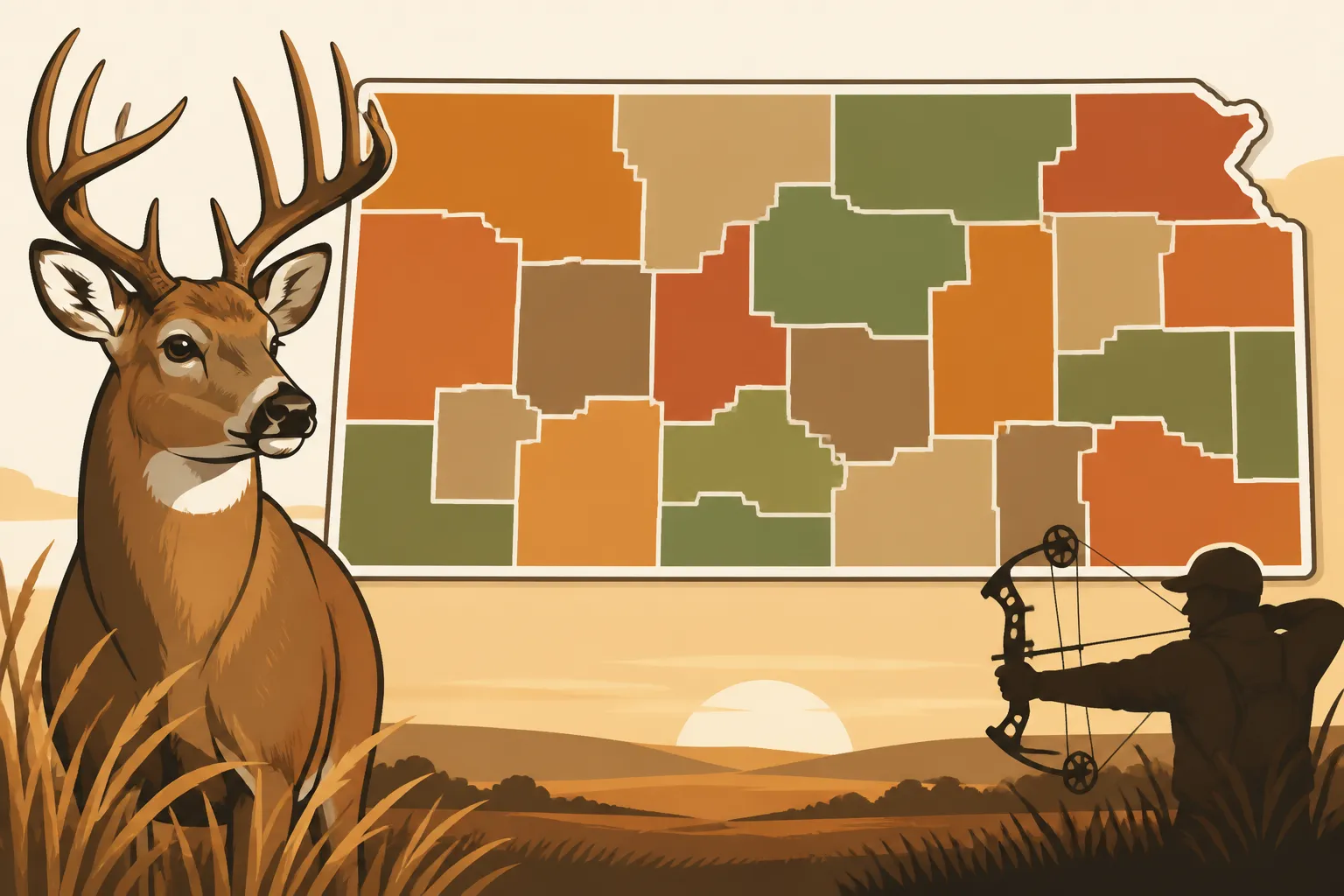
It’s easy to look at a map of Kansas and just see a vast expanse of plains and farmland. But for deer hunters, that map is intricately divided into 19 distinct management units, each with its own characteristics and challenges. These aren’t arbitrary lines; they’re the foundation of how Kansas manages its incredible deer resource. Ignoring these boundaries or misunderstanding their purpose can lead to frustration and missed opportunities.
The Purpose Behind the Lines: Managing the Herd
At its core, the Kansas Department of Wildlife, Parks and Tourism (KDWP) divides the state into deer management units to effectively manage the deer population. Think of it like a rancher dividing a large pasture into smaller paddocks – it allows for more precise control and observation. Each unit is assessed based on deer density, habitat availability, harvest data, and even localized issues like crop depredation. This granular approach allows KDWP to set specific harvest goals, regulate permit allocations, and ultimately, ensure a healthy, sustainable deer herd across the state. Without these units, it would be a free-for-all, leading to localized overpopulation in some areas and severe declines in others, which benefits no one – certainly not the deer or the hunters who pursue them. It’s a complex system, but it’s designed to keep those deer numbers strong and the hunting opportunities robust.
General Characteristics of Kansas Deer Units
While there are 19 individual units, they generally fall into broad geographical categories that dictate their primary characteristics. You have the eastern units, heavily influenced by timber and river systems; the central units, a fascinating mix of agriculture, grasslands, and scattered timber that serves as a transition zone; and the western units, dominated by vast plains, large-scale agriculture, and the primary range of the state's mule deer population. These geographical distinctions profoundly impact not just the quantity of deer, but also the species you'll encounter (primarily whitetail, or a mix of whitetail and mule deer), the types of habitat you’ll be hunting, and even the popular hunting tactics. A strategy that works wonders in the dense timber of eastern Kansas might be utterly useless on the open plains of the west. Understanding these general characteristics before diving into the specifics of each unit is crucial for setting realistic expectations and planning an effective hunt.
Eastern Kansas: Timber, Rivers, and Whitetail Powerhouses
When most folks think of Kansas, they picture endless flat fields. But in the eastern third of the state, you'll find a surprising amount of timber, winding river bottoms, and rolling hills that create prime whitetail habitat. This is where some of the state's biggest bucks are consistently harvested, making these units highly sought after, especially by nonresident hunters.
Units 1, 3, 4, 5, and 6: The Big Woods and Big Bucks
These units, stretching along the eastern border and into the northeast and southeast, are classic whitetail country. We're talking about substantial blocks of timber, deeply cut creek draws, and the incredible riparian corridors of major rivers like the Missouri, Kansas, Marais des Cygnes, and Neosho. These areas provide excellent cover, abundant browse, and natural travel routes for deer. The habitat here is rich, and the deer densities are generally high.
However, hunting here comes with its own set of challenges. Much of this prime ground is privately owned, and gaining access can be difficult, sometimes requiring a multi-year effort to build relationships or secure a lease. Public land, while present, often sees significant pressure. When you do find good timber, it can be thick, reducing visibility and making shot opportunities fleeting. Successful hunting in these units often means mastering tactics like reading sign in dense cover, understanding how deer use terrain to their advantage, and being proficient at :Eastern Kansas Timber and River Bottoms:. You'll need to be patient, stealthy, and ready to adapt to the deer's movements in varying conditions. The reward, though, can be a truly exceptional Kansas whitetail.
Unit 2: A Unique Blend of Agriculture and Timber
Unit 2, located in the northeastern corner of the state, offers a slightly different flavor than its purely timbered counterparts. While it still boasts significant timbered creek and river bottoms, it's also heavily interspersed with agricultural fields. This blend creates an almost perfect environment for whitetails, providing both ample cover and abundant food sources like corn, soybeans, and alfalfa. The deer here often don't have to travel far between bedding and feeding areas, leading to predictable patterns once you figure them out.
Due to its proximity to larger population centers, Unit 2 can experience higher hunting pressure, especially on public land during opening weekends. However, smart hunters who scout diligently and are willing to put in the legwork can still find incredible opportunities. Deer in these areas are often quite conditioned to human activity, making them challenging but not impossible to hunt. The key is finding those overlooked pockets of cover, thick shelterbelts, or isolated timber points where deer feel secure. If you can identify these sanctuaries and understand their access routes, you're in for a treat.
Central Kansas: The Transition Zone's Diverse Opportunities
As you move westward from the heavily timbered eastern units, Kansas begins to transition. The timbered blocks become more fragmented, giving way to vast stretches of native grassland, CRP (Conservation Reserve Program) fields, and immense agricultural operations. This central band of units offers a fascinating blend of hunting experiences, often requiring a hybrid approach to tactics.
Units 7, 8, 9, 10, 11, 12, and 13: Where East Meets West
These central units represent the true "heartland" of Kansas. Here, you'll find a mosaic of large agricultural fields, extensive CRP grass, and scattered timbered creek and river bottoms. It's a land where whitetails thrive, utilizing the cover of the grasslands and timber for bedding, and the crop fields for abundant nutrition. While mule deer are primarily associated with the far west, some of the westernmost units in this central band (like portions of 10 and 13) might occasionally see transient mule deer, adding a bit of extra intrigue for the lucky hunter.
Hunting in these units often revolves around understanding how deer use the edges of crop fields, isolated timber points, and dense CRP cover. The challenges here include the sheer scale of the landscape and the need to spot and stalk or set up ambush points that intercept deer moving between distant bedding and feeding areas. During the late season, understanding :Milo and Corn Stubble Deer Patterns: becomes paramount, as deer will often key in on these crucial food sources. This is truly diverse hunting ground, offering a different challenge than the dense timber of the east, but with no less potential for big deer.
Balancing Pressure and Potential in the Middle
The central units, due to their accessibility and generally good deer populations, can see moderate to high hunting pressure, especially on easily accessible public lands. However, many of these units also boast significant Walk-In Hunting Access (WIHA) ground, which can provide excellent opportunities for those willing to scout thoroughly and walk further than the average hunter. The key to success often lies in finding those unpressured pockets, which might be deep within a WIHA tract or require seeking permission on private land.
A common frustration for hunters in these mixed-habitat zones is finding a perfect spot, only to have it blown out by other hunters. This is where adaptation and mobility become critical. Sometimes, you need to be willing to adjust your strategy on the fly, moving stands or shifting your focus to different areas if pressure builds. For those willing to learn :Hunting Kansas Walk-In Land Without Burning It Out: and adopt a flexible mindset, these central units offer incredible potential. They truly embody the Kansas hunting experience – a blend of hard work, strategic thinking, and the reward of diverse landscapes.
Western Kansas: The Vast Plains and Mule Deer Enclaves
Heading further west, the landscape transforms dramatically. The rolling hills give way to wide-open plains, and significant timber becomes a rarity, confined mostly to narrow river drainages and shelterbelts. This is the domain of the mule deer in Kansas, though whitetails still hold strong in specific habitats. Hunting out here is a different ballgame entirely, demanding different skills and a keen eye for subtle terrain features.
Units 14-18: Wide Open Spaces and Unique Challenges
These units, covering the bulk of western Kansas, are characterized by expansive agricultural fields, shortgrass prairie, and vast tracts of CRP. Timber, when present, is usually found along river systems like the Republican, Solomon, Smoky Hill, and Arkansas, or in planted shelterbelts. While whitetails still inhabit these river bottoms and denser cover areas, these units are most renowned for holding Kansas's elusive mule deer population. If you're hoping to draw a :Mule Deer in Western Kansas: stamp, these units are your primary targets.
Hunting here is often about covering ground, glassing extensively, and mastering the art of the stalk. The open nature of the terrain means deer can spot you from a long way off, making concealment and wind direction paramount. Longer shot opportunities are common, so practicing your rifle skills at extended ranges is essential. The challenges are real – vast distances, unpredictable winds, and limited cover – but the rewards can be immense. The solitude and the beauty of the western Kansas landscape, coupled with the chance at a magnificent mule deer or a plains whitetail, make these units truly special. For a deeper dive, consider researching :Western Kansas Plains Hunting Country:.
Unit 19: The Far Southwest Frontier
Unit 19, located in the extreme southwestern corner of the state, is perhaps the most unique of all Kansas deer units. It’s an arid, almost desert-like landscape, with even less timber than its northern western counterparts. The terrain is characterized by shortgrass prairie, scrub brush, and deep canyons carved by erosion. This unit holds some of the lowest deer densities in the state, making it a challenging hunt, but it also offers a unique opportunity for hunters specifically targeting trophy mule deer.
Due to the low deer numbers and vastness of the unit, successful hunting in Unit 19 often requires extensive scouting and a willingness to commit to a long, arduous hunt. Hunters must be prepared for extreme weather conditions, from scorching heat in the early season to bitter cold and relentless winds later on. Water sources, though scarce, become critical focal points for deer movement. While opportunities for whitetail exist in the very limited river bottoms, the true allure of Unit 19 is the pursuit of a giant mule deer in its natural, rugged habitat. It’s not for the faint of heart, but for those up to the challenge, it can be an unforgettable experience.
Navigating the Kansas Deer Permit Draw by Unit
Securing a deer permit in Kansas, especially for nonresidents, isn't as simple as walking into a sporting goods store. The permit draw system is intricate and unit-specific, designed to manage harvest pressure and maintain herd health. Understanding how to apply and the odds for each unit is absolutely critical for any nonresident hunter, and even residents need to be aware of the nuances.
Nonresident Application Strategies for Each Unit
For nonresidents, the Kansas deer draw is a lottery system, heavily influenced by preference points. Each unit has its own application pool and draw odds, which can fluctuate year to year. Generally, units with higher deer densities and a reputation for trophy animals (often in eastern and some central units) are harder to draw. Similarly, units in western Kansas known for mule deer, especially the highly coveted :Kansas Mule Deer Stamp Cost:, can require a significant number of preference points or a stroke of luck to draw.
This is where your strategy truly comes into play. You’ll need to decide if you want to apply for a unit that's harder to draw but offers potentially higher trophy quality, or a more accessible unit with better draw odds. Most nonresident applicants select a primary unit and an adjacent unit. If your primary unit is full, your application rolls over to your adjacent choice. Resources like GoHunt provide invaluable insights into historical draw odds and the number of preference points required to draw specific units, helping you make an informed decision. Taking the time to understand :Kansas Preference Points Explained: and how to effectively make :Choosing a Primary and Adjacent Kansas Unit: selections is vital for maximizing your chances. Don't just pick a unit at random; do your homework!
Resident Permits and Over-the-Counter Options
Kansas residents have a much simpler path to deer hunting. Most resident whitetail permits are available over-the-counter (OTC) or through a relatively easy draw, ensuring widespread access to their deer resource. The specific availability can vary by unit and permit type, but generally, residents can secure a permit without the same level of concern as nonresidents.
Beyond the general resident permits, Kansas also offers an array of antlerless permits, which are often available OTC for both residents and nonresidents. These permits are crucial for herd management, helping to control population growth and balance buck-to-doe ratios. Utilizing :Kansas Antlerless Hunts and Filling the Freezer: can be a fantastic way to extend your hunting season, fill your freezer, and contribute to sound wildlife management. These permits are often unit-specific, too, so paying attention to which units have ample antlerless tags is a smart move, especially for late-season opportunities.
Making Your Unit Choice: Key Considerations
Choosing a Kansas deer unit isn't just about looking at a map and picking one. It's a strategic decision that should be informed by your hunting style, target species, preferred weapon, and tolerance for hunting pressure. The right unit for one hunter might be entirely wrong for another, so it's essential to consider all factors before you even think about submitting that permit application.
Researching Public vs. Private Opportunities
One of the biggest factors in unit selection is access. Kansas has a unique blend of public and private lands, and the distribution varies significantly by unit. Eastern units, while having excellent habitat, often have less public land and higher private land ownership, making access more challenging. Western units, with their larger federal and state holdings (like the Cimarron National Grassland or state wildlife areas), often offer more public hunting opportunities, though the deer densities might be lower.
The state's Walk-In Hunting Access (WIHA) program is a game-changer for many hunters, offering thousands of acres of private land leased for public hunting. Understanding :Kansas Walk-In Hunting Access Explained: and knowing which units contain the most WIHA acres can heavily influence your decision. Before you even step foot in the state, utilizing scouting tools, including aerial maps and data from platforms like GoHunt, can give you a significant advantage in identifying potential public land hotspots. Don't forget to research :Public Land Deer Hunting in Kansas: specifically for your chosen unit. While private land access can be tough, it's not impossible, especially if you start early and build relationships. However, for many, public ground is the only option, and choosing a unit with ample access is paramount.
Considering Season Dates and Weapon Choices
Kansas offers diverse deer seasons, including archery, muzzleloader, and firearm, each with its own dates and characteristics. Your preferred weapon can influence which unit is best suited for your hunt. For example, bowhunters might gravitate towards units with denser cover where deer are more easily ambushed at close range, as described in :Bowhunting Kansas Deer From September to December:. Rifle hunters, conversely, might appreciate the more open country of central and western units where longer shots are more common and cover is less dense.
It’s crucial to cross-reference your desired weapon season with the unit characteristics. Do the :Kansas Deer Season Dates by Weapon: align with your availability and the optimal time to hunt that particular unit's deer patterns? For instance, a unit heavily reliant on standing crops for late-season food might be a fantastic firearm opportunity, whereas a timbered creek bottom might be prime for an early archery hunt. Always consider how the habitat and deer behavior in a unit will interact with your chosen weapon and the time of year you plan to hunt. Looking at harvest data, especially for trophy quality, which can often be found aggregated on platforms like GoHunt, is a crucial step in ensuring your unit choice aligns with your hunting goals.
Here's a breakdown of the Kansas deer units, providing a general overview to aid your planning:
| Deer Unit | Primary Habitat Mix | Main Deer Species | Nonresident Whitetail Draw Difficulty (Estimate) | Public Land Access (General) | Notes |
|---|---|---|---|---|---|
| 1 | Timber, Ag, River Bottoms | Whitetail | Moderate to Hard | Limited | Dense timber, high private land, good trophy potential. |
| 2 | Ag, Timber, Urban Interface | Whitetail | Moderate | Moderate | Unique blend, good numbers, can be pressured. |
| 3 | Timber, Ag, River Systems (Marais des Cygnes) | Whitetail | Moderate to Hard | Moderate | Similar to Unit 1, but with slightly more WIHA. |
| 4 | Timber, Ag, Ozark Foothills | Whitetail | Moderate | Moderate | Rolling hills, good cover, consistent whitetail. |
| 5 | Ag, Timber, Osage Cuestas | Whitetail | Moderate | Moderate | Good mix, generally solid deer numbers. |
| 6 | Ag, Timber, Neosho River Bottom | Whitetail | Moderate | Moderate | Productive unit, significant ag influence, good river corridor hunting. |
| 7 | Ag, CRP, Scattered Timber | Whitetail | Moderate | Moderate | Transition zone, strong WIHA program, good for archery and firearm. |
| 8 | Ag, CRP, Limited Timber | Whitetail | Moderate | Moderate | Similar to Unit 7, high concentration of agriculture. |
| 9 | Flint Hills Prairie, Ag, River Draws | Whitetail | Moderate | Moderate | Unique Flint Hills landscape, good numbers, often requires different tactics. |
| 10 | Ag, CRP, River Breaks (Smoky Hill, Saline) | Whitetail, Mule | Moderate | Moderate | Transition unit, eastern edge of mule deer range, strong whitetail. |
| 11 | Ag, CRP, Limited Timber | Whitetail | Moderate | Moderate | Similar to Unit 8, good food sources. |
| 12 | Ag, CRP, River Bottoms (Arkansas, Neosho) | Whitetail | Moderate | Moderate | Diverse central unit, strong whitetail population. |
| 13 | Ag, CRP, River Breaks (Arkansas, Pawnee) | Whitetail, Mule | Moderate | Moderate | Westernmost central unit, increasing mule deer presence, good whitetail. |
| 14 | Ag, Prairie, Draws (Cimarron River) | Mule, Whitetail | Hard (Mule Deer Stamp) | Moderate | Western plains, primary mule deer range, challenging but rewarding. |
| 15 | Ag, Prairie, Draws (Smoky Hill, Ladder Creek) | Mule, Whitetail | Hard (Mule Deer Stamp) | Moderate | Strong mule deer unit, very open country, good for spot and stalk. |
| 16 | Ag, Prairie, Republican River | Mule, Whitetail | Hard (Mule Deer Stamp) | Moderate | Northwestern unit, good mule deer, significant ag. |
| 17 | Ag, Prairie, Solomon River | Mule, Whitetail | Hard (Mule Deer Stamp) | Moderate | Similar to Unit 16, solid mule deer, strong whitetail in river bottoms. |
| 18 | Cimarron National Grassland, Ag, Draws | Mule, Whitetail | Hard (Mule Deer Stamp) | High | Unique public land opportunity (National Grassland), lower deer density but great experience. |
| 19 | Arid Plains, Draws, Limited Cover | Mule, Whitetail | Very Hard (Mule Deer Stamp) | Limited | Far Southwest, lowest deer density, trophy mule deer potential, very challenging hunt. |
Note: Draw difficulty estimates are for nonresidents seeking an Any-Deer Whitetail permit, and are general estimates. Mule Deer Stamp draw is significantly harder in all Western units.
Disclaimer
The information provided in this guide is for general informational purposes only and is subject to change. Hunting regulations, season dates, and permit requirements are set by the Kansas Department of Wildlife, Parks and Tourism (KDWP) and can be modified annually. Always consult the most current KDWP hunting regulations and official sources before planning and executing any hunt. It is the hunter's responsibility to know and follow all applicable laws and regulations.