Kansas Weapon Choice on a Deer Application
Deciding on your weapon choice for a Kansas deer application can feel like navigating a maze, especially for non-residents or those new to hunting in the Sunflower State. You're not just picking a bow or a rifle; you're making a strategic decision that impacts your draw odds, hunting dates, and the overall experience you'll have in the field. This comprehensive guide will walk you through the nuances of each weapon choice, helping you make an informed decision for your Kansas deer hunting adventure.
Understanding Kansas Deer Permit Basics and Weapon Choices
Applying for a Kansas deer permit, especially as a non-resident, is a multi-step process that begins long before you ever step foot in the woods. One of the most critical decisions you'll make at the application stage is your weapon choice. This isn't just a formality; it dictates which season you'll be eligible for, which in turn affects everything from the weather you'll hunt in to the deer behavior you'll encounter. Getting this right from the start is paramount to a successful application and a rewarding hunt.
The Importance of Declaring Your Weapon Early
Many hunters, particularly those applying for a highly sought-after permit, tend to focus solely on the unit choice and accumulating preference points. However, failing to give proper consideration to your weapon choice at the time of application can severely limit your options. Kansas offers distinct seasons for different weapon types, and your application locks you into one of these. If you apply for a firearm permit and later decide you'd rather bowhunt, you can't simply switch; you'd need a completely different permit, which might not be available or could have different draw odds and costs.
Beyond the logistical headache, your weapon choice is intrinsically linked to the hunting experience itself. Bowhunting offers a close-quarters challenge, demanding stealth and patience. Muzzleloader season provides a unique blend of primitive weapon skill and the opportunity to hunt during a specific, often less-pressured, window. Rifle hunting, during the firearm season, typically allows for longer shots and a different strategic approach. Each has its own rhythm and feel, and declaring your preference early ensures you're aligning your permit with the type of hunt you truly desire.
Overview of Legal Weapon Types in Kansas Deer Seasons
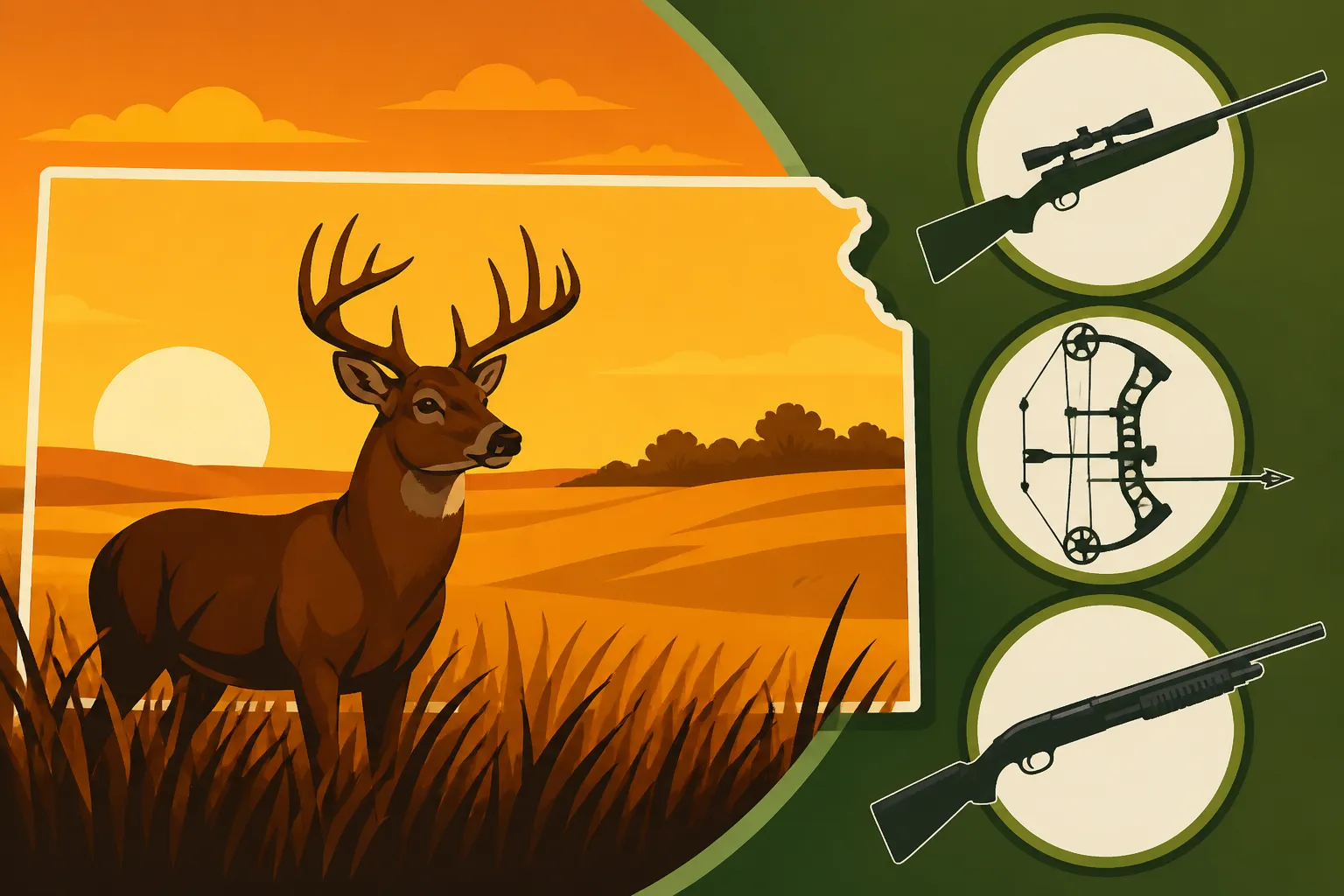
Kansas offers three primary weapon choices for deer hunting: archery, muzzleloader, and firearm (rifle). Each has its own designated season, rules, and permit structure.
The archery season is the longest, typically running from mid-September through December 31st, with a brief closure during the regular firearm season. This allows bowhunters ample time and opportunity, often spanning early season patterns, the peak of the rut, and late-season food source hunting. For those who enjoy the challenge and extended time in the woods, this is often the go-to.
Muzzleloader season usually falls in mid-September, offering a shorter, dedicated window before the main firearm season kicks off. This can be a fantastic opportunity to hunt deer before significant pressure sets in, often coinciding with the tail end of velvet or early hard-antler rubs. It's a specialized hunt that appeals to those who appreciate the traditions and unique skills required for primitive weapons.
The regular firearm season is typically a shorter, intense period in early to mid-December. This is often the most popular choice, particularly for non-residents, due to the higher success rates generally associated with rifle hunting. However, it also means higher hunting pressure and potentially more competition in the field. There are also specific youth and disability seasons, as well as extended antlerless seasons that can utilize various weapon types, offering additional opportunities.
How Weapon Choice Impacts Your Draw Odds
This is where strategy truly comes into play, especially if you're a non-resident vying for a coveted Kansas deer tag. The demand for permits varies significantly between weapon types, and this directly influences your chances in the draw. Generally speaking, firearm permits are the most sought-after, leading to lower draw odds and often requiring more preference points, especially in the prime units.
Archery permits, while still competitive in certain units, tend to have slightly better draw odds than firearm tags, particularly if you're flexible with your unit choice. This is partly due to the longer season and the inherent challenge of bowhunting, which naturally limits the number of hunters who pursue it exclusively. Muzzleloader permits often fall somewhere in between, sometimes offering a sweet spot for those looking for a slightly easier draw than firearm season but who still want a more "primitive" weapon experience than a modern rifle provides.
Understanding these dynamics is crucial when you are researching your potential draw odds using tools like GoHunt, which can provide historical data on point requirements and success rates for different weapon types and units. It's not just about what weapon you prefer; it's about what weapon gives you the best chance to actually hunt Kansas.
Archery Season Specifics and Application Considerations
Bowhunting in Kansas is a truly immersive experience, offering some of the best whitetail hunting opportunities in the country. The lengthy season means you can hunt through various phases of deer activity, from early-season patterns to the frantic rut. However, successfully applying for and hunting an archery permit requires specific considerations and an understanding of the challenges involved. For many, the extended season and intimate nature of the hunt make the extra effort more than worthwhile.
Advantages and Challenges of Bowhunting in Kansas
The primary advantage of archery season in Kansas is its sheer length. Running from mid-September to December 31st (with a brief break for firearm season), it encompasses virtually the entire deer lifecycle from early fall to deep winter. This allows hunters to target various patterns, from early-season feeding over Early-Season Bowhunting Over Water to keying in on cruising bucks during the peak of the rut. The opportunity to witness and adapt to changing deer behavior throughout the season is unparalleled. Furthermore, early season hunting often means less hunting pressure compared to the later firearm season, especially on public lands.
However, bowhunting presents significant challenges. It demands a much higher level of skill, patience, and scent control. You need to get deer within close range, often 20-40 yards, which requires meticulous scouting, quiet entry and exit routes, and precise shot placement. The weather can also be a factor, with September sometimes bringing sweltering heat, which makes September Bow Season Heat Strategy critical for meat preservation. For those committed to the craft, the rewards of a successful bow hunt are immense, but it's not a casual undertaking.
Archery-Specific Permits and Unit Restrictions
When applying for a Kansas deer permit, you'll declare "Archery" as your weapon choice. This secures you an "Either-Sex Whitetail" archery permit, which typically means you can harvest either a buck or a doe with your bow during the designated archery season. Kansas deer units are still relevant here; while some units may have better draw odds for archery permits than for firearm permits, demand still varies. For non-residents, understanding How to Apply for a Kansas Nonresident Deer Permit is key, as the application window in April is universal across weapon types.
It's crucial to check the most current Kansas Department of Wildlife, Parks and Tourism (KDWP) regulations for any unit-specific restrictions or special archery-only areas. While statewide regulations apply broadly, local rules on state wildlife areas or federal lands can sometimes differ. Always consult the latest hunting atlas and regulations summary. This ensures you're not caught off guard by unexpected limitations, especially if you plan to hunt public ground.
Combining Archery with Other Weapon Seasons
One often-overlooked aspect for Kansas hunters is the potential to combine archery hunting with other permit types, especially for residents or those with access to specific tags. For non-residents, your primary draw permit will be for a specific weapon. However, you might be able to purchase additional over-the-counter antlerless permits, which could be valid during various seasons, including archery. This allows you to fill your freezer if your primary goal is meat, or to add extra days afield if your buck tag is for another weapon.
For example, if you drew an archery buck tag, you might also purchase an antlerless-only permit that is valid during the extended antlerless archery season in December in certain units. This strategy can significantly extend your time in the woods and increase your harvest opportunities. Always verify the legalities and dates for Kansas Antlerless-Only Permit Cost and their validity during specific seasons when planning your hunt. Using resources like GoHunt can help you plan out these complex permit combinations to maximize your time in the field.
Muzzleloader Season and Its Unique Opportunities
The muzzleloader season in Kansas offers a distinct hunting experience, bridging the gap between the intimate challenge of archery and the longer-range capabilities of modern firearms. It's a short but often productive window that appeals to hunters seeking a unique challenge and a chance to hunt before the intense pressure of the December firearm season. For many, it's a nostalgic return to primitive methods combined with the thrill of chasing big Kansas deer.
Muzzleloader Permit Requirements and Dates
If you choose "Muzzleloader" as your weapon on your Kansas deer application, you'll be eligible for the state's dedicated muzzleloader season. This season typically runs for a short period in mid-September, right after the archery season kicks off. The exact dates can shift slightly year to year, so it's essential to check the official KDWP regulations well in advance. This permit typically allows you to harvest an either-sex whitetail, giving you the flexibility to pursue a buck or a doe.
Applying for a muzzleloader permit follows the same general process as other weapon types. Non-residents will still enter the draw during the Kansas Deer Application Window in April. While some units might have slightly different draw odds for muzzleloader tags compared to archery or firearm permits, the overall competition remains high in the best units. Ensure your muzzleloader is legal for hunting in Kansas, typically meaning it must be charged with black powder or a synthetic substitute, and can be loaded only from the muzzle.
Benefits of Hunting During the Muzzleloader Season
Hunting during the muzzleloader season offers several compelling benefits. Firstly, it provides an early opportunity to hunt deer, often when bucks are still in bachelor groups or have only recently shed their velvet. This can be a strategic time to target specific deer before they disperse and become more elusive. The weather in mid-September, while still potentially warm, is generally more pleasant than the scorching early days of archery season, or the often-frigid firearm season in December.
Secondly, the muzzleloader season often experiences less hunting pressure than the incredibly popular firearm season. Because it's a more specialized hunt, fewer hunters participate, which can lead to a more secluded and enjoyable experience, especially on public lands. This reduced pressure can sometimes make deer more predictable and easier to pattern. For those who appreciate the challenge of a single-shot opportunity and the traditional feel of a primitive weapon, the muzzleloader season is an excellent choice for a Muzzleloader Deer Hunting in Kansas's September Season.
Muzzleloader Limitations and Preparations
Despite its advantages, muzzleloader hunting comes with its own set of limitations and requires specific preparations. The effective range of a muzzleloader is generally much shorter than a modern rifle, often capped at 100-150 yards for most hunters, depending on their setup and proficiency. This means you still need to get relatively close to your target, demanding similar scouting and stalking skills to bowhunting, albeit with a bit more leeway.
Accuracy and practice are paramount. Muzzleloaders can be finicky, and consistent shot placement requires dedicated range time to find the right powder charge, bullet, and primer combination. Additionally, keeping your muzzleloader dry in the field, especially during unpredictable September weather, is critical to prevent misfires. Hunters must also be aware of specific regulations regarding optics, propellants, and bullet types that are legal for Kansas muzzleloader season. Always read the KDWP regulations carefully to ensure your equipment complies.
Firearm Season Dynamics for Rifle Hunters
The Kansas firearm season is arguably the most popular time for deer hunting, drawing a large number of hunters, both resident and non-resident, seeking to fill their tags with a modern rifle. This season, typically in early to mid-December, offers excellent opportunities for harvesting deer, but it also comes with increased competition and a different set of challenges. Understanding its dynamics is crucial for anyone considering this weapon choice on their application.
Firearm Permit Details and Popularity
Choosing "Firearm" on your Kansas deer application puts you in the running for an either-sex whitetail permit valid during the regular firearm season. This season is generally a shorter window, lasting about 12 days, usually in the first two weeks of December. Due to the inherent effectiveness of modern rifles at longer ranges and the colder weather that often encourages deer movement, this season tends to have the highest success rates for deer harvest.
This popularity, however, comes with a trade-off. Firearm permits are typically the most difficult to draw, especially for non-residents targeting prime units. You'll often need more Kansas Preference Points Explained to secure a firearm tag in a desirable unit compared to an archery or muzzleloader permit. Therefore, meticulous planning and an understanding of the draw odds are essential before committing to this weapon choice. Many hunters use resources like GoHunt to analyze historical draw data and determine their chances.
Strategic Considerations for Firearm Application
When applying for a firearm permit, your unit choice becomes even more critical due to the increased competition. Researching Which Kansas Units Are Hardest to Draw can give you an edge, allowing you to either commit to a long-term strategy of accumulating points for a top-tier unit or choose a unit with slightly better odds for a quicker draw. It's often a balance between your desired experience and your patience.
For many non-residents, the firearm season is their best bet for a successful hunt within a typical week-long trip, given the higher success rates. The ability to make accurate shots at longer distances can be a significant advantage, especially in open Kansas farm country or vast public land tracts where deer can be more spread out. However, this also means you need to be proficient with your rifle and comfortable with various shooting scenarios. Proper zeroing and practice are non-negotiable.
Hunting Pressure and Success Rates in Firearm Season
The firearm season sees the highest concentration of hunters in the field, leading to increased hunting pressure. This can make deer more nocturnal or push them into thicker cover, requiring hunters to adapt their strategies. Techniques like Firearm Season Drives on Small Timber or focusing on bedding areas during mid-day can become more effective as deer change their patterns due to pressure. However, more pressure also means more deer on the move, which can create opportunities if you're in the right place at the right time.
Despite the pressure, the success rates during the firearm season are generally higher than during archery or muzzleloader seasons. This is largely attributed to the effective range and stopping power of modern rifles, which can allow hunters to capitalize on opportunities that might be out of reach for a bow or muzzleloader. Understanding Rifle Hunting the Kansas December Firearm Season will give you detailed insights into navigating this popular season, maximizing your chances amidst the increased hunter presence.
The Process of Declaring Your Weapon on the Application
The Kansas deer permit application process is fairly straightforward, but selecting your weapon choice requires careful attention. It’s not just a click of a button; it’s a decision that will shape your entire hunting trip. Missing a step or making an uninformed choice can lead to disappointment, or at best, a less-than-ideal hunting scenario. Understanding the mechanics of the application and potential pitfalls is crucial.
Navigating the Online Application Portal
When the Kansas Deer Application Window in April opens, you'll typically apply through the KDWP's online licensing and permit system, often referred to as Go Outdoors Kansas. The process usually involves creating an account, selecting the type of permit you want (e.g., Non-Resident Either-Sex Whitetail), and then specifying your weapon choice. You'll see clear options for "Archery," "Muzzleloader," and "Firearm." It's imperative that you select the correct one at this stage.
As you move through the application, you'll also select your primary and adjacent deer management units. This is another critical decision, as Choosing a Primary and Adjacent Kansas Unit can significantly influence your draw odds. Double-check all your selections before finalizing and submitting your application. The system is designed to be user-friendly, but rushing through it could lead to errors that are difficult to rectify later. Tools like GoHunt often have guides specific to the Kansas application process, making it easier to navigate.
Changing Your Weapon Choice After Application
Here's the frustrating part: once you've submitted your Kansas deer application and declared a weapon, it's generally very difficult, if not impossible, to change it without forfeiting your application fee or, in some cases, even your preference points. The KDWP regulations are quite clear on this: your application is final once submitted, particularly concerning permit type and weapon choice. This is why the initial decision is so paramount.
If you made a mistake or had a change of heart, your options are extremely limited. You might be able to withdraw your application if it's still within a very specific, narrow window, but this typically means losing your application fee and any chance of drawing for that year. For non-residents, this often translates to a lost year of accumulating preference points. The lesson here is to be absolutely certain of your weapon choice (and unit choices) before hitting that submit button. Consult the most current KDWP regulations or contact the department directly if you believe you've made an error, but don't expect an easy fix.
Common Mistakes to Avoid When Declaring Your Weapon
One of the most common mistakes hunters make is selecting a weapon type that doesn't align with their actual hunting style, equipment, or available time. For instance, a hunter who only owns a rifle might mistakenly apply for an archery tag, realizing too late they can't hunt the designated season. Another common error is choosing a weapon type solely based on perceived draw odds without considering the actual hunting experience. If you prefer the challenge of bowhunting but choose a firearm tag because it seemed "easier" to draw in a particular unit, you might find yourself in the wrong season for your personal preference.
Another pitfall is not verifying the current year's season dates before applying. A slight shift in dates could mean the muzzleloader season, for example, no longer fits your travel schedule. Always review Kansas Deer Season Dates by Weapon well in advance of the application period. Finally, some hunters forget that their weapon choice often has implications for additional permits, like antlerless tags. Ensure your primary weapon choice allows you the flexibility for any secondary tags you might wish to purchase. Thorough research, perhaps using resources like GoHunt's detailed state profiles, can prevent these costly errors.
Comparative Analysis of Weapon Choices for Non-Residents
For non-resident hunters eyeing a Kansas deer hunt, the weapon choice isn't just a preference; it's a strategic calculation. The state is renowned for its trophy whitetails, but getting a tag, especially for a buck, requires navigating the complex draw system. Understanding how each weapon choice impacts your draw odds, hunting experience, and overall strategy is essential for maximizing your chances of success. It's about aligning your hunting goals with the realities of the Kansas permit system.
Draw Odds and Preference Points by Weapon Type
As a non-resident, your primary goal is often to draw an either-sex whitetail permit. The difficulty of doing so varies considerably by weapon type and, of course, by deer management unit. Generally, firearm permits are the most challenging to draw, often requiring several How Many Points to Draw a Kansas Unit for the coveted units. This means a long-term commitment to accruing preference points year after year.
Archery permits typically offer slightly better draw odds, especially in units that might be tougher for firearm hunters. This can be a good strategy for non-residents looking to hunt sooner rather than later, or who prioritize the longer season over a potentially "easier" shot. Muzzleloader permits often fall in between, presenting a viable alternative for those seeking a unique hunt with potentially better odds than firearm but perhaps not as easy as archery in some units. Using reliable data from sources like the KDWP's draw reports or subscription services like GoHunt is critical for making an informed decision about your point strategy and weapon choice.
Planning for Specific Hunt Experiences
Beyond draw odds, consider the type of hunt you truly desire. Are you seeking the ultimate challenge of getting a mature buck within bow range, spending weeks in a treestand during the rut, as outlined in Bowhunting Kansas Deer From September to December? Then archery is your clear choice. If you're fascinated by the history and unique skills of primitive weapons and enjoy an early-season hunt, muzzleloader season might be perfect. Or, if your priority is a higher probability of harvest within a shorter trip, taking advantage of the longer range and stopping power of a rifle, the firearm season is likely your target.
Each weapon choice dictates not just the dates you can hunt, but the entire character of the experience. It affects the gear you'll need, the scouting you'll do, and even the weather you'll likely encounter. Do you prefer the brisk cold of December, perfect for a Staying Warm on a December Sit, or the milder temperatures of September? Your weapon choice directly impacts these environmental factors.
Maximizing Your Kansas Deer Hunting Opportunity
To truly maximize your Kansas deer hunting opportunity as a non-resident, it often comes down to strategic application and understanding the rules thoroughly. If you have limited preference points, opting for an archery or muzzleloader permit in a less-pressured unit might get you hunting sooner. If you're dedicated to a firearm hunt in a top-tier unit, be prepared for a multi-year wait to accumulate the necessary points.
Consider applying for an either-sex permit that also allows you to harvest an antlerless deer. Some permit structures offer this flexibility, helping you fill the freezer even if a trophy buck proves elusive. Always check if Kansas Antlerless-Only Permit Cost is an option to supplement your primary tag. This planning allows you to make the most of your investment in a Kansas hunting experience, no matter your weapon of choice.
| Weapon Type | Primary Season Dates (Approx.) | Typical Draw Difficulty (Non-Resident) | Unique Advantages | Key Considerations |
|---|---|---|---|---|
| Archery | Mid-Sept. to Dec. 31 (w/ break) | Moderate to High | Longest season, early/late hunting, less pressure | Close range, high skill, weather variability |
| Muzzleloader | Mid-Sept. (short window) | Moderate | Early season access, unique challenge, less pressure | Shorter range, primitive weapon skill, specific rules |
| Firearm | Early to Mid-Dec. (short window) | High to Very High | High success rates, longer range shots | High pressure, short season, high point requirement |
Disclaimer
Please note that hunting regulations, season dates, and permit application processes in Kansas can change. Always consult the official Kansas Department of Wildlife, Parks and Tourism (KDWP) website or their most current hunting regulations summary before making any plans or submitting applications. This guide is for informational purposes only and should not replace official sources.