Which Kansas Units Are Hardest to Draw
It's a familiar ache for many Kansas deer hunters, especially those of us who travel to hunt: the anxiety of the draw. You pour over the regulations, dream of a giant Kansas whitetail or a phantom mule deer, and then click "submit" on your application, hoping this is finally your year. But let's be honest, some units in Kansas feel like winning the lottery, drawing a collective sigh from hunters who put in for them year after year with little success. This guide is here to shed some light on which Kansas deer units are historically the hardest to draw, why they’re so coveted, and how you might still stack the odds in your favor, or at least understand the game.
Understanding the Kansas Deer Draw System
Before we dive into the specific units that demand a king's ransom in preference points, it's crucial to grasp the mechanics of the Kansas deer draw. It's not just a random lottery for every applicant, though luck certainly plays a role, especially for nonresidents. The system is designed with a preference point structure that can either be your best friend or a long, drawn-out test of patience.
Preference Points: Your Ticket or Your Delay?
Preference points are Kansas's way of rewarding loyalty and persistence. For every year you apply for a nonresident deer permit and don't draw, you get one preference point. These points then accumulate, theoretically increasing your odds in subsequent draws. The idea is that the more points you have, the higher your priority in the drawing pool for the following year. This system tries to balance the desire for immediate success with the long-term commitment of hunters.
However, the reality of preference points, especially for the most sought-after units, is that they can feel more like a delay than a guaranteed ticket. Many units, particularly those known for trophy potential or rare species like mule deer, can require many points to draw. This means you might spend several years building points, knowing that even with a respectable number, it’s still not a sure thing when you throw your hat into those highly competitive units. It's a strategic dance: do you keep applying for your dream unit, potentially waiting a decade, or do you apply for an easier-to-draw unit now?
The Nonresident Conundrum: Why It's Different for Out-of-Staters
If you're an out-of-state hunter, the Kansas deer draw presents a unique set of challenges that significantly contribute to certain units being harder to draw. Kansas implements nonresident quotas, meaning only a limited number of permits are allocated to hunters from outside the state. This immediately shrinks the pool of available tags, intensifying the competition for every single one.
For nonresidents, securing a permit often means navigating a system where specific units might only have a handful of available tags, even if they boast vast amounts of public land or incredible deer populations. The cost of the nonresident hunting license and permit, coupled with the commitment of travel, makes drawing a tag even more critical. This increased investment often pushes nonresidents to apply for the "best" units they perceive, which in turn drives up the point requirements and makes those units even harder to draw for everyone, residents and nonresidents alike. The nonresident draw is a high-stakes game where careful planning is absolutely paramount. Kansas Deer Permits and the Nonresident Draw goes into more detail on this.
Weapon Choice and Its Impact on Draw Odds
It might surprise some, but your weapon choice can subtly, and sometimes not so subtly, influence your draw odds in Kansas. While many units lump all weapon choices into one general pool for drawing purposes, the popularity of certain seasons can create different levels of competition. Generally speaking, archery permits tend to be more abundant or have slightly better odds in some units simply because the season is longer and offers more flexibility, or perhaps there's a higher overall quota for archery permits.
Conversely, the firearm season, particularly the highly anticipated December firearm season, often sees the most intense competition. This is largely due to the convenience of rifle hunting, the colder weather (which often means more active deer), and the fact that many hunters prefer to use a firearm. Muzzleloader season, nestled in September, can sometimes be an easier draw than firearm, but still more challenging than archery in certain units, especially if those units boast a good population of quality bucks that appeal to early season hunters. Understanding these nuances can be a small but significant part of your application strategy, especially if you're teetering on the edge of drawing with your current point total.
The Elusive Units: Which Ones Demand the Most Points?
Alright, let's get down to brass tacks. Which units consistently make hunters wait, accumulate points, and cross their fingers for years? While specific point requirements fluctuate slightly year to year based on applicant numbers, certain units are perennially tough draws due to their reputation, habitat, and species makeup.
The Western Gems: Mule Deer and Trophy Whitetails
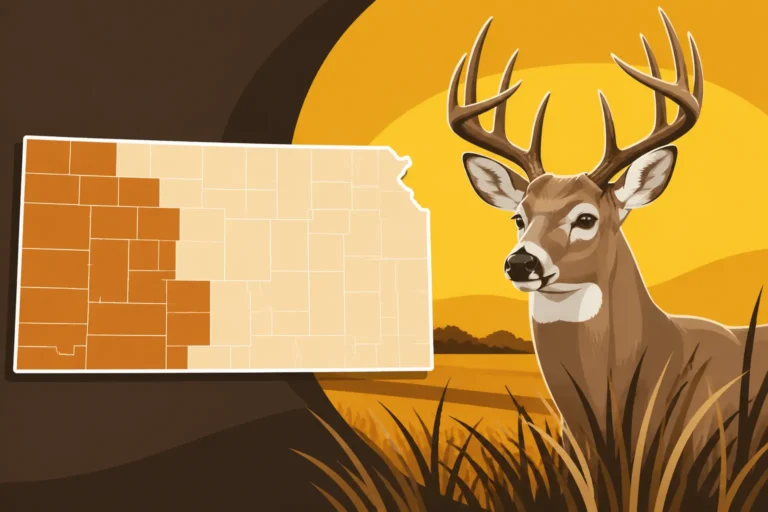
When people talk about the hardest units to draw in Kansas, the conversation often starts out west. Units 1, 2, and 3, which hold the bulk of Kansas's limited mule deer population, are legendary for their difficulty. Drawing a mule deer permit in these units usually requires maxing out your preference points, or being incredibly lucky. The allure of a Kansas mule deer is immense, given their scarcity and the unique challenge they present.
But it’s not just mule deer. Many western Kansas units also boast incredible whitetail populations, often found in the limited but rich riparian corridors and creek bottoms. Units like 17 and 18, for instance, are known for producing massive whitetails. The combination of vast open country, good genetics, and solid nutrition from agricultural fields allows bucks to reach impressive sizes. These units, with their mix of species and trophy potential, consistently require many preference points. Hunters who apply here are often in it for the long haul, knowing they are playing a numbers game for a truly exceptional experience. Mule Deer in Western Kansas delves deeper into these magnificent animals.
Eastern River Bottom Riches: Whitetail Havens
Moving east, the landscape changes dramatically, but the draw difficulty for prime units remains high. Eastern Kansas is characterized by rolling hills, expansive timber blocks, and fertile river bottoms. These river systems – the Kansas, Smoky Hill, Arkansas, Neosho, and Marais des Cygnes – create perfect habitat for large-bodied whitetails with impressive antlers. Units that encompass significant stretches of these river corridors and their associated timber often become highly sought after.
Units such as 6, 7, 8, 10, and 11, among others, can be notoriously difficult draws for those seeking prime whitetail hunting. These units offer abundant cover, year-round water sources, and access to a continuous buffet of agricultural crops, allowing whitetails to thrive and grow large. The consistent reports of mature bucks coming out of these areas drive intense competition. Hunters are drawn to the chance of encountering an animal that has grown old and wise in these rich bottomlands, making these permits a precious commodity. Understanding Scouting Kansas River Bottoms and Creek Draws can be key to success once you finally draw.
Lesser-Known but Still Tough: High Quality, Lower Profile
Beyond the headline-grabbing mule deer units and the renowned river bottom units, there are often a handful of units that, while perhaps not the absolute hardest, are still significantly challenging to draw. These are the units that might not always be featured in every trophy photo spread, but they consistently produce quality deer and offer excellent hunting opportunities. Their "lower profile" status sometimes means a slightly better chance than the most extreme units, but they still require a solid preference point bank.
These units might be characterized by a good mix of timber and agriculture, lower hunter density overall, or unique habitat features that make them attractive. They often fly a bit under the radar compared to the most famous ones but are well-known among seasoned Kansas hunters. The competition here is less about a specific trophy species and more about consistent quality and a rewarding hunting experience. Identifying these units often requires a deeper dive into harvest data and unit-specific reports, beyond just word-of-mouth.
Factors Driving High Draw Difficulty
Why do certain units become so elusive? It's a combination of objective factors and subjective perceptions that drive applicant numbers and, consequently, point requirements sky-high. Understanding these underlying currents is key to making informed decisions for your own application strategy.
Trophy Potential and Antler Quality
Let's face it: many hunters dream of tagging a wall-hanger. The reputation of a unit for consistently producing large, mature bucks with impressive antler growth is arguably the biggest driver of draw difficulty. Kansas, as a state, is famous for its Kansas Whitetail Deer and Why They Grow Big, but certain units just seem to have that extra magic. This trophy potential isn't just about luck; it's a direct result of several factors.
Firstly, excellent genetics are at play. Secondly, abundant, high-quality nutrition from corn, soybeans, and alfalfa fields provides the building blocks for antler growth. Lastly, and perhaps most importantly, a healthy buck age structure allows deer to live long enough to reach their full potential. When a unit is known for producing 150-inch plus whitetails year after year, or even a shot at a mule deer, every hunter wants a piece of that action. This concentrated desire from thousands of applicants for a limited number of tags inevitably pushes the required preference points higher and higher.
Public Land Access and Walk-In Opportunities
Another significant factor contributing to a unit's draw difficulty is the amount and quality of public hunting land available within its boundaries. Kansas has an incredible Walk-In Hunting Access (WIHA) program and various state wildlife areas and federal lands. Units with a high percentage of these accessible acres often attract more nonresident interest, as finding private land permission can be a significant hurdle.
Hunters, especially those traveling from out of state, often prioritize units where they know they'll have somewhere to hunt upon drawing a tag. Tools like onX Hunt have revolutionized the way hunters identify and navigate public and private land boundaries, making it easier than ever to pinpoint these accessible tracts. When a unit offers both great deer and readily available public land, the demand for permits skyrockets. This creates a feedback loop: more public land attracts more applicants, which makes the unit harder to draw, which in turn makes hunters even more eager for that elusive tag. Public Land Deer Hunting in Kansas discusses these opportunities in depth.
Hunter Density and Perceived Quality of Hunt
Beyond just trophy potential, many hunters are also chasing a "quality hunt experience." This often translates to a desire for lower hunter density. Nobody wants to be tripping over other hunters in the woods, especially when they've waited years to draw a tag. A unit with a reputation for being less crowded, offering a more peaceful and "wild" hunting experience, can become highly desirable.
This perceived quality of hunt often correlates with units that have large, unbroken blocks of habitat, whether it's vast grasslands, expansive timber, or remote river bottoms. While the deer numbers might not always be the absolute highest in these areas, the opportunity to hunt undisturbed, to feel like you're truly alone in the wilderness, is a powerful draw. Even if the trophy potential isn't quite as high as some of the famed units, the chance for a less pressured hunt can make a unit extremely competitive, contributing to its difficulty to draw. It's a testament to the fact that hunting is about more than just the kill; it's about the entire experience.
Strategizing Your Kansas Deer Application
Navigating the Kansas deer draw can feel like a chess match, especially when you're aiming for those hard-to-draw units. It requires patience, research, and a clear understanding of your own hunting goals.
Researching Unit Specifics: Beyond the Anecdotes
Never rely solely on rumors or a single photo you saw online. Comprehensive research is your most powerful tool when deciding where to apply. Start by diving into the official Kansas Department of Wildlife, Parks and Tourism (KDWP) harvest reports. These documents provide invaluable data on harvest success rates, buck-to-doe ratios, and even antlerless harvest, giving you a statistical snapshot of each unit. Look for trends over several years, not just one exceptional season.
Beyond raw numbers, utilize modern mapping applications like onX Hunt. These platforms allow you to e-scout from home, identifying potential public land opportunities, habitat types, and access points within a unit. You can visualize timber blocks, crop fields, water sources, and topography, all of which influence deer movement and density. Another excellent resource is subscription services like GoHunt, which often compile draw odds, harvest data, and unit breakdowns in an easily digestible format, helping you cut through the noise and make data-driven decisions. The more informed you are about a unit's actual characteristics, the better your chances of making a strategic application. E-Scouting Kansas Farm Country From Home is a must-read for this.
The Point System Play: When to Apply, When to Build Points
This is the eternal question for every hunter facing a preference point system: do you apply for your dream unit now, hoping for a miracle, or do you play the long game and build points? For those hard-to-draw units, the reality is that if you have zero or very few points, your chances of drawing are incredibly slim. In these cases, it might be more strategic to simply purchase a preference point (if available without applying for a unit) for a few years, building your equity until your point total gives you a realistic chance.
Alternatively, if you have a mid-range number of points, you might decide to take a calculated risk and apply for one of the tougher units, knowing that if you don't draw, you'll earn another point. The key is to avoid wasting your points on units where you are significantly under the typical draw threshold, unless you truly don't mind not hunting that particular year and are purely playing for the future. Always balance your desire to hunt this year with your long-term goal of drawing a premium tag. This decision also ties into Kansas Preference Points Explained.
Considering Adjacent Units: A Back-Up Plan
Kansas's application system allows you to select a primary unit and an adjacent unit. This feature is a critical component of your draw strategy, especially when aiming for hard-to-draw units. If you apply for a highly competitive primary unit and don't draw, your application rolls over to your chosen adjacent unit. This acts as a vital safety net, increasing your chances of still securing a permit, even if it's not for your top choice.
When selecting an adjacent unit, don't just pick the first one that borders your primary. Research your adjacent unit with as much diligence as your primary. Look for units with similar habitat, good deer numbers, and acceptable draw odds for your point level. Sometimes, an adjacent unit might offer a very comparable hunting experience to your primary, just without the same level of competition. This strategy can mean the difference between hunting Kansas deer in a decent unit or sitting out the season entirely. It's about maximizing your odds and ensuring you get to experience the incredible hunting opportunities Kansas offers.
| Draw Difficulty | Typical Unit Characteristics | Example Draw Strategy (General) |
|---|---|---|
| Hardest (Mule Deer/Top Whitetail) | High trophy potential (160"+ whitetail, mule deer presence), high public land demand, specific habitat (western plains, rich river bottoms), high nonresident demand. | Focus on building maximum preference points (5+ years). Apply with max points, or be prepared for a long wait if starting with few. |
| Moderate (Solid Whitetail) | Consistent quality whitetails (140-150" potential), good mix of private/public, diverse habitat, popular with residents and nonresidents. | 2-4 preference points usually give a decent chance. Can apply with fewer points as a gamble, but higher points increase certainty. |
| Easier (Good Whitetail/Antlerless) | Good numbers of whitetails (average buck quality), often higher hunter density, good for antlerless hunts or management tags, good for hunting now. | Can often be drawn with 0-1 preference points, especially if flexible on weapon choice or specific season dates. Excellent for those wanting to hunt every year. |
Disclaimer
This article is for general informational purposes only and does not constitute professional advice. Laws, prices and regulations vary by location and change over time. Consult a qualified professional for guidance on your specific situation.