Kansas WIHA Fall Opening Dates
One of the biggest head-scratchers for any hunter in Kansas, especially those new to the state's incredible public land opportunities, is figuring out the exact opening dates for Walk-In Hunting Access (WIHA) tracts. It's not always a straightforward "open on this date, close on that date" situation, and the confusion can lead to missed opportunities or, worse, unintended trespassing. This guide is here to untangle the complexities of Kansas WIHA fall opening dates, providing you with a clear roadmap to understanding when and where you can chase your fall hunting dreams.
Understanding the Kansas WIHA Program (Walk-In Hunting Access)
Before we dive into the nitty-gritty of dates, let's make sure we're all on the same page about what WIHA actually is. This program is a true gem for hunters, especially in a state like Kansas where private land dominates the landscape. The Kansas Department of Wildlife, Parks and Tourism (KDWP) works with private landowners to open up acres upon acres for public hunting and fishing, all marked with distinctive signs.
What is WIHA and Why is it So Important to Hunters?
The Walk-In Hunting Access (WIHA) program is a collaborative effort between the KDWP and private landowners across Kansas. Essentially, landowners are compensated for allowing public hunting access on their property for specified periods throughout the year. For hunters, particularly those without access to private land or who prefer the challenge of public ground, WIHA is nothing short of a lifesaver. It dramatically increases the amount of available hunting land beyond state wildlife areas and federal holdings, making hunting accessible for many who otherwise wouldn't have a place to go.
Think about it: Kansas is known for its vast agricultural fields and private holdings. Without programs like WIHA, a huge chunk of the state would be off-limits to the average hunter. These tracts often comprise prime habitat – crop fields, creek bottoms, timber strips, and CRP grasslands – that hold abundant deer, pheasants, quail, and turkeys. They offer diverse hunting opportunities, from chasing whitetails during the rut to working bird dogs through milo stubble. For anyone serious about Public Land Deer Hunting in Kansas or Upland Bird Hunting Kansas Grass and Milo Edges, understanding and utilizing WIHA is absolutely essential.
The beauty of WIHA lies in its simplicity for the user: if it's marked with the official WIHA signs, you can hunt it during the designated seasons and dates without needing explicit landowner permission. This removes the often awkward and time-consuming process of knocking on doors, which can be intimidating for many hunters. It democratizes access, leveling the playing field and allowing hunters from all backgrounds to experience the rich hunting heritage of Kansas.
Differentiating Between Annual WIHA and the iWIHA System
While many WIHA tracts are available for extended periods, usually spanning several months, Kansas also employs a system called "iWIHA," which stands for "interactive WIHA." It's crucial to understand the difference because their access rules and opening dates can operate on different schedules and have distinct limitations. Both are part of the broader How Kansas WIHA Works umbrella, but they cater to slightly different needs and management strategies.
Annual WIHA tracts are the most common and typically encompass larger land parcels. These areas are usually enrolled for a full hunting season, often from September 1 through January 31, or even longer depending on the specific agreement. Once these tracts are designated and published in the annual WIHA atlas, their access dates are generally set for the season, allowing hunters consistent access for various game species throughout the fall and winter. You can scout these areas, plan your hunts, and expect them to be open as published.
The iWIHA system, on the other hand, is a more dynamic, real-time access program. These tracts often have daily hunter capacity limits, meaning only a certain number of hunters can be on the property at any given time. To hunt iWIHA land, you typically need to check in and out electronically using the Go Outdoors Kansas mobile app or website. This system helps manage hunter pressure, particularly in popular areas, and can lead to different opening and closing dynamics, sometimes even having specific dates that differ from general WIHA openings. It's a fantastic concept for managing pressure but requires a bit more active engagement from the hunter. You can find specific rules for checking in on these parcels by looking up Kansas iWIHA Check-In Rules.
Deciphering Kansas WIHA Fall Opening Dates
Now, let's get to the heart of the matter: when do these opportunities actually become available in the fall? The answer isn't a single date, but rather a series of dates tied to specific hunting seasons and, sometimes, to the type of WIHA tract itself. It requires a little homework, but the reward of access to prime hunting ground is well worth it.
General Opening Periods for Various Game Species
For many hunters, the fall instantly brings to mind deer, pheasants, and quail. The good news is that WIHA tracts are typically opened to coincide with the start of these major seasons, ensuring hunters have access right when the action begins. This alignment is designed to maximize opportunity for hunters.
Generally, many WIHA tracts will become available for deer hunting starting with the archery season, which traditionally opens in late September. This is a fantastic time to be in the woods, especially for Early-Season Bowhunting Over Water or targeting bucks still on summer patterns. For upland bird hunters, the pheasant and quail seasons usually kick off in early to mid-November, and many WIHA tracts are specifically enrolled to offer access during these prime times. These tracts, often featuring CRP, milo, or wheat stubble, become hotspots for chasing birds.
It's also worth noting that some WIHA tracts might open earlier for specific early fall seasons like dove or even spring turkey, but the bulk of the enrollment period and the most significant acreage becomes available for the core fall deer and bird seasons. Understanding the general Kansas Deer Season Dates by Weapon and Kansas Upland Bird Season Dates and Limits will give you a strong foundation for when to expect WIHA access to open. Remember, the goal of WIHA is to provide access when you need it most.
How Tract Enrollment Dates Can Affect Access
While the general season dates provide a good baseline, it's crucial to understand that individual WIHA tracts might have varying enrollment dates. Not every parcel opens on September 1st, and not every parcel closes on January 31st. Some landowners enroll their property for specific, shorter windows, often tied to a particular season or even just a few weeks.
For example, a landowner might enroll a tract specifically for the pheasant season, meaning it won't be open for early archery deer hunting in September. Conversely, another landowner might enroll their timber patch solely for deer hunting from October through December, but then close it for late-season bird hunting. These variations are often due to the landowner's specific land management practices, agricultural schedule (e.g., harvesting corn before opening for hunting), or personal preferences. These details are important to know, as they directly impact your ability to hunt a particular parcel.
This is where your diligence comes into play. You can't just assume every WIHA parcel is open for every season. You must check the specific dates for each tract you plan to hunt. Ignoring these nuanced enrollment dates could lead to frustrating situations, like driving hours to a tract only to find it's not yet open for the species you intend to hunt, or worse, hunting outside the legal access window. It's an extra step, but it's a non-negotiable one for responsible hunting.
Locating Specific Opening Dates in the WIHA Atlas
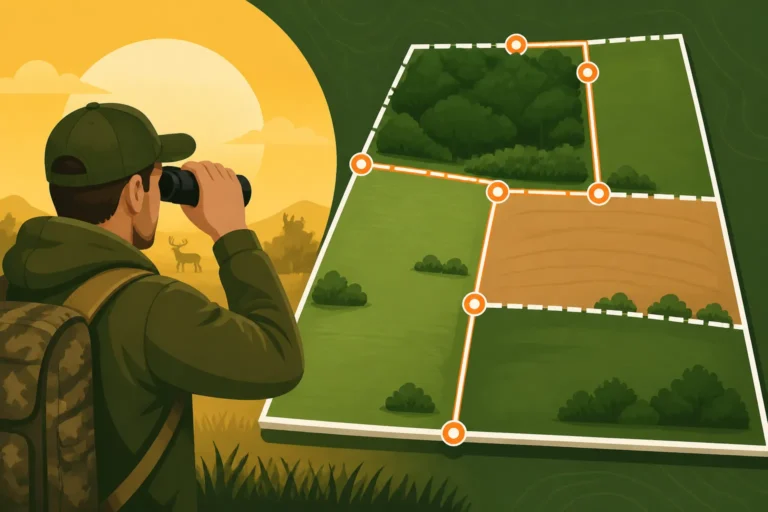
The definitive source for specific Kansas WIHA opening and closing dates is the official WIHA Atlas. This atlas, published annually by the KDWP, is your Bible for public land access in Kansas. It details every enrolled WIHA tract, complete with maps, boundaries, and, most importantly, the exact access dates.
You can typically get a physical copy of the WIHA atlas at KDWP offices, sporting goods stores, or by ordering it online. However, in today's digital age, the most convenient way to access this information is through the Kansas Online Hunting Atlas on the KDWP website. This digital version is usually updated in real-time or as soon as new tracts are added, providing the most current information available. When you view a specific tract on the online atlas, you'll see a clear indication of its active dates, often broken down by species or season.
For instance, a particular WIHA field might state "Open for Pheasant/Quail: Nov 13 – Jan 31" and "Open for Deer Archery: Sept 27 – Dec 31." This level of detail is critical for planning. Many serious hunters combine this information with digital mapping apps like onX Hunt, which often integrates WIHA boundaries and data directly into their platforms. This allows you to visually see the boundaries and check the dates all in one place, which is incredibly helpful for E-Scouting Kansas Farm Country From Home before you ever set foot on the ground.
Here's a quick reference table for general WIHA opening categories, but always check the official atlas for specific tract details:
| WIHA Tract Type / Species Focus | Common Fall Opening Period (General) | Specific Considerations |
|---|---|---|
| Early Archery Deer (Whitetail) | Late September | Often extends through late December / early January. |
| Muzzleloader Deer | Mid-September | Overlaps with archery. Check if the tract specifies weapon type. |
| Youth & Disability Deer Season | Early September | Specific, short windows. May open earlier than general archery. |
| Pheasant & Quail Season | Early to Mid-November | Critical to check for tracts specifically enrolled for birds. |
| Firearm Deer (December Season) | Early December | Typically open for the entire 12-day season. |
| Late Season Archery/Extended Antlerless | January | Some tracts remain open. Important for Late-Season Food Source Hunting. |
| Early Fall Game (Dove, Squirrel) | September | Fewer tracts dedicated, but some general enrollment covers it. |
Strategic Hunting on WIHA Grounds Throughout the Fall
Once you understand when the gates (so to speak) open, the next step is to strategize how to best utilize these valuable public resources. Timing your hunts to coincide with fresh access and understanding hunter pressure can significantly impact your success.
Leveraging Early Season WIHA Opportunities
The early season, particularly September and early October, presents some fantastic opportunities on newly opened WIHA tracts. Many of these areas haven't seen significant hunter pressure, allowing deer to move more naturally and birds to hold tighter. If you're targeting whitetails, this is a prime time to catch bucks still in their relatively predictable summer patterns before the rut kicks in and before heavy hunting pressure disperses them.
Scouting these tracts, whether in person or using tools like onX Hunt to analyze aerial imagery for potential bedding areas, food sources, and travel corridors, is invaluable. Being one of the first hunters to access a newly opened WIHA property can give you a significant advantage. Deer, especially, can be very sensitive to human intrusion. If you're able to slip in and set up on a fresh sign, your chances of success are much higher than if you're hunting an area that's been pounded by other hunters for weeks. Consider focusing on areas with good cover near water sources if it's hot, or where standing crops transition to timber.
For upland bird hunters, hitting WIHA fields shortly after the pheasant and quail seasons open can mean encountering less pressured birds. Later in the season, birds become much wilder and harder to hold for a dog, or to walk up without one. By capitalizing on these early season dates, you can find birds that are still holding tight in cover, making for more exciting flushes and better shooting opportunities. Don't underestimate the power of fresh ground.
Adapting to Mid-Season Changes and Pressure
As the fall progresses into mid-season (late October through November), hunter pressure on WIHA tracts can increase dramatically, especially around the major deer firearm season and the pheasant/quail openers. This is when you need to adapt your strategy. Hunting Pressure Patterns on Kansas Public Land are real, and deer, turkeys, and upland birds quickly learn to adjust their movements to avoid detection.
During this period, many hunters find success by looking for overlooked corners, thicker cover, or areas that are harder to access. While everyone else might be walking the obvious field edges, a savvy hunter will dive into a dense cedar thicket or a particularly brushy creek bottom that others shy away from. Deer will often retreat to these sanctuaries. For birds, look for plum thickets or heavy cattails that provide refuge from both hunters and predators.
Another mid-season tactic is to shift your focus to the rut for deer. Even pressured bucks can become less cautious when chasing does. Learning When the Kansas Rut Peaks can help you time your hunts on WIHA ground effectively. Don't be afraid to experiment with different stand locations or even try a mobile hunting setup if the initial spots aren't producing. Mid-season requires flexibility and a willingness to explore beyond the obvious.
The Late Season Potential of WIHA Tracts
Don't hang up your gear just because the prime rut or bird openers have passed! Late season, often extending into January, can offer some of the most rewarding hunting on WIHA tracts, especially for deer and sometimes for persistent upland birds. While the weather might be colder and some tracts might have closed, the remaining open WIHA can be absolute goldmines, particularly if you're targeting specific resources.
For deer, late season is all about food. With most crops harvested and natural browse depleted, deer will concentrate on the remaining accessible food sources. This could be standing milo overlooked by the farmer, leftover gleanings in cornfields, or even specific types of browse in timbered creek bottoms. Finding these late-season food sources on WIHA can lead to incredible opportunities, as deer patterns become much more predictable. Late-Season Food Source Hunting is a strategy that shines on WIHA ground.
For upland birds, while numbers may be lower and birds wilier, late season can present unique challenges and rewards. Look for heavy thermal cover, like dense plum thickets or cattail marshes, especially on cold, windy days. These areas provide vital protection for birds. While many hunters have quit for the year, you might find you have entire WIHA tracts largely to yourself, creating a much more peaceful and potentially productive hunting experience. Just be sure to double-check those closing dates, as some WIHA agreements conclude at the end of December.
Essential Resources for Navigating Kansas WIHA
Successfully navigating the Kansas WIHA program requires good information and the right tools. Thankfully, there are several excellent resources available to help you pinpoint those fall opening dates and plan your hunts effectively.
The Indispensable Kansas WIHA Atlas and Online Tools
As mentioned earlier, the annual Kansas WIHA Atlas is your primary resource. Whether you prefer the physical map book or the digital version, it's packed with crucial information. The physical atlas offers a tactile, large-format view that many hunters still appreciate for big-picture planning, though it's important to ensure you have the most current edition, as new tracts are added and old ones removed annually.
The digital version, accessible through the KDWP website's Kansas Online Hunting Atlas, is arguably even more powerful. It allows you to search by county, game species, or even specific features, and you can zoom in to see detailed boundaries, aerial imagery, and those all-important opening and closing dates for each parcel. This online tool is constantly updated, making it the most reliable source for up-to-the-minute information. I always recommend checking the online atlas just before you head out, even if you've looked at it previously, as plans can sometimes change.
These official resources not only provide the dates but also often list special regulations that might apply to a specific tract, such as restrictions on vehicles or blind placement. Knowing these Kansas Walk-In Rules and Restrictions before you go is key to having a smooth and legal hunt. Don't just glance at the map; read the details for each tract you intend to hunt!
Harnessing Digital Mapping Apps like onX Hunt
Beyond the official KDWP resources, digital mapping applications have revolutionized how hunters approach public land, and Kansas WIHA is no exception. Brands like onX Hunt and GoHunt have integrated WIHA data directly into their platforms, providing an incredibly powerful tool for hunters.
With an app like onX Hunt, you can overlay property lines, public land boundaries (including WIHA), and satellite imagery directly on your phone or GPS device. This allows you to visually identify WIHA tracts, see their boundaries in relation to private land, and even mark potential stand locations or travel corridors from the comfort of your home. Many of these apps also pull in the season dates and specific rules for WIHA, making it a one-stop-shop for planning. The onX Layers for Kansas Land Status are particularly useful for quickly identifying and verifying WIHA ground.
Furthermore, these apps allow for offline map saving, which is crucial when hunting in remote areas with limited cell service. You can drop pins, record tracks, and navigate confidently, knowing exactly where you are in relation to WIHA boundaries. GoHunt's platform also provides similar functionality, helping hunters research and plan their trips, often including detailed insights into drawing odds and hunting units, which can indirectly inform your WIHA strategy by highlighting good general areas. Utilizing these digital tools means you spend less time guessing and more time hunting effectively.
Staying Current with Regulations and Updates
The landscape of hunting regulations and public access can sometimes shift. While WIHA dates are generally stable once published, it's always wise to stay informed about any potential changes or emergency closures. This is especially true in an era where weather events, agricultural practices, or disease outbreaks (like EHD for deer) can sometimes necessitate adjustments to access.
Subscribing to KDWP newsletters, following their social media channels, or regularly checking their website for news releases is a good practice. These channels are typically where any significant changes to WIHA availability or season dates would be announced. For iWIHA tracts, checking the Go Outdoors Kansas app frequently for daily capacity and real-time status updates is essential, as these can fill up quickly on popular days.
Being proactive in seeking out current information ensures you're always operating within the legal framework and can adapt your plans if needed. A successful hunt isn't just about knowing where to go, but also knowing when you can legally and ethically be there, and WIHA's dynamic nature makes this ongoing awareness paramount. Don't let a small oversight ruin what could be an incredible Kansas hunting adventure.
Disclaimer
This article is for general informational purposes only and does not constitute professional advice. Laws, prices and regulations vary by location and change over time. Consult a qualified professional for guidance on your specific situation.