Kansas Elk Permits and Fort Riley Hunts
Hunting elk in Kansas might sound like a far-fetched dream to many, especially when you think of the state primarily as a whitetail deer haven. But the truth is, a limited number of elusive elk do roam parts of the Sunflower State, and drawing one of those coveted permits, particularly for a Fort Riley hunt, is a once-in-a-lifetime opportunity. This comprehensive guide is here to walk you through the often-confusing world of Kansas elk permits, demystify the draw process, and illuminate the unique experience of hunting these majestic animals, especially on military lands.
Understanding Kansas Elk Populations
For many, the idea of elk in Kansas feels almost mythical. We’re so accustomed to hearing about the massive herds out West that it’s easy to overlook the smaller, more discreet populations that have found a home in the heartland. Yet, Kansas does indeed support a few elk herds, offering a truly unique hunting challenge.
The History of Elk in Kansas
Believe it or not, elk were once abundant across the Kansas prairies, alongside bison and countless deer. However, westward expansion, unregulated hunting, and habitat destruction in the 19th century led to their extirpation from the state. For decades, elk were merely a memory, a part of Kansas's wild past. It wasn't until the latter half of the 20th century that efforts began to reintroduce them, primarily in controlled environments. The Fort Riley Military Reservation played a crucial role in these reintroduction efforts, establishing a viable, free-ranging herd within its boundaries, offering a glimpse into what the state once was. Other herds have slowly established themselves outside of Fort Riley, mostly through escapees from private game farms or natural dispersion from neighboring states, leading to the limited hunting opportunities we see today.
Current Herd Sizes and Locations
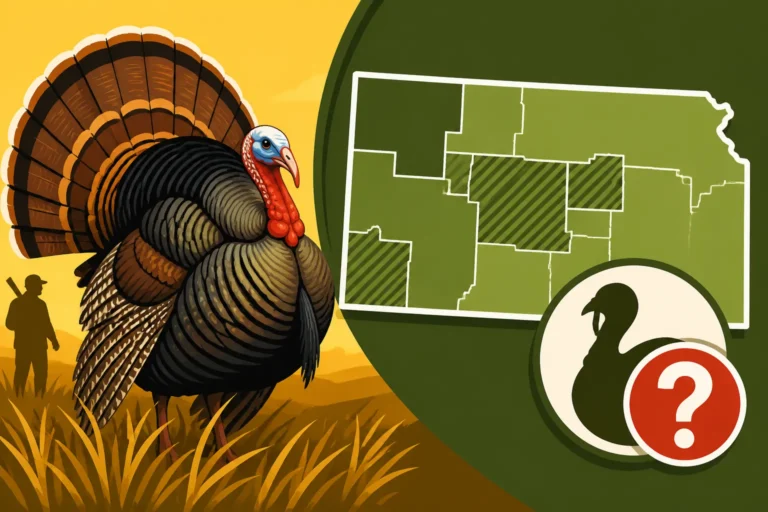
Today, Kansas boasts a relatively small, but stable, elk population. The most significant and well-managed herd resides within the vast confines of Fort Riley. This military installation provides extensive habitat and protection, allowing the elk to thrive relatively undisturbed. Outside of Fort Riley, you'll find smaller, more dispersed herds, primarily in two key areas designated as Elk Management Units: Unit 2 and Unit 3. Unit 2 encompasses portions of Wallace and Logan counties in the far western part of the state, an area characterized by wide-open plains and agricultural fields. Unit 3 covers much of Morton County in the extreme southwest, a rugged landscape bordering Oklahoma and Colorado, often reminiscent of the high plains of the Rocky Mountain foothills. While these populations are nowhere near the scale of western states, they represent a remarkable conservation success and a challenging hunt for those fortunate enough to draw a tag.
Factors Influencing Elk Distribution
The distribution of Kansas elk isn't random; it's heavily influenced by habitat availability, human disturbance, and the landscape itself. Fort Riley offers a mosaic of timber, grasslands, and agricultural fields, along with limited public access, which creates an ideal sanctuary. These elk have adapted to the relatively flat terrain, often using small timber blocks, creek bottoms, and tall grass for cover, much like their deer counterparts. Outside Fort Riley, the story changes slightly. The Unit 2 and Unit 3 elk often inhabit private ranchlands and remote sections of public land, like the Cimarron National Grassland, where they can find solace away from human activity. Water sources, food availability – particularly agricultural crops – and the presence of suitable cover dictate their movements. Unlike the mountainous terrain typically associated with elk, Kansas elk are masters of using subtle changes in elevation and vegetation to disappear, making scouting an even more critical component of a successful hunt.
Navigating the Kansas Elk Permit Draw System
Drawing an elk permit in Kansas is a challenging endeavor, largely due to the limited number of tags issued each year. It's a system that can be frustratingly opaque if you don't understand the nuances, but with a bit of persistence and strategic planning, it's not impossible to put your name in the hat for this extraordinary opportunity.
Eligibility and Application Requirements
First and foremost, eligibility for a Kansas elk permit draw is primarily restricted to residents. The Kansas Department of Wildlife, Parks and Tourism (KDWP) regulations are quite clear on this: non-residents are generally not eligible for the standard elk draw, with very few exceptions tied to specific landowner or military personnel circumstances. This makes it an exclusive pursuit for Kansas residents. To apply, you'll need a valid Kansas hunting license, along with completing the online application during the designated application period. It’s imperative to declare your chosen weapon (archery, muzzleloader, or firearm) at the time of application, as this cannot be changed later. You'll also select your preferred unit, usually Fort Riley, Unit 2, or Unit 3, understanding that Fort Riley typically offers the most permits but also sees the highest demand.
Preference Points and Your Chances
Kansas utilizes a preference point system for its big game draws, including elk, to give loyal applicants a better chance over time. For every year you apply for an elk permit and are unsuccessful, you accrue a preference point. These points are essentially a way to increase your odds in subsequent draws, as applicants with more points are given priority. However, unlike some states where a certain number of points guarantees a tag, Kansas's system is still a lottery. More points simply mean more entries into the drawing for a given unit and weapon choice. This can be a source of frustration for many hunters; you could accumulate points for years, only to still come up empty-handed due to the limited tags and high demand. It's a long game, requiring patience and a realistic understanding that even with maximum points, success is never guaranteed. Many hunters use tools like GoHunt to analyze draw odds and strategize their application process, which can provide invaluable insights into how many points it might realistically take to draw in a particular unit.
Permit Types: Resident vs. Non-Resident
As mentioned, the Kansas elk draw is predominantly for residents. This means if you're a non-resident dreaming of a Kansas elk, your options are severely limited, generally restricted to landowner permits or specific military personnel permits on Fort Riley, which are tied to direct military affiliation rather than a public draw. For residents, the permits are species-specific (elk), unit-specific (Fort Riley, Unit 2, Unit 3), and weapon-specific (archery, muzzleloader, firearm). There are no "either-sex" elk permits in Kansas; all general draw permits are for antlered elk (bulls), except for a very limited number of antlerless-only permits which are even rarer and typically aimed at specific herd management goals within Fort Riley. This distinction is crucial to understand when applying, as it dictates what you can legally harvest if successful. For more details on the general permit costs, you can explore the information on Kansas Hunting Licence and Permit Costs.
| Elk Unit | Permit Type (Resident) | Typical Bull Permits Issued Annually | Antlerless Permits (Rare) | General Accessibility | Draw Difficulty (Preference Points) |
|---|---|---|---|---|---|
| Fort Riley | Any-Season Bull | 50-70 | Very Limited (5-10) | Restricted Military Access | High (Many points required) |
| Unit 2 | Any-Season Bull | 1-3 | 0 | Mixed Private/Public | Extremely High (Many points required) |
| Unit 3 | Any-Season Bull | 1-3 | 0 | Mixed Private/Public | Extremely High (Many points required) |
| Statewide | Over-the-Counter (OTC) | 0 | 0 (No OTC bull permits) | N/A | N/A |
Note: Permit numbers are approximate and can change annually based on KDWP herd management objectives. Always check current regulations for exact figures.
Fort Riley Elk Hunts: A Unique Opportunity
For most Kansas hunters, Fort Riley represents the most realistic, albeit still incredibly challenging, chance at an elk tag. Hunting on a military installation comes with its own set of rules, procedures, and a truly unique experience that sets it apart from any other elk hunt in the country.
The Fort Riley Draw Process and Special Rules
The Fort Riley elk draw is managed by KDWP in conjunction with the military base. When you apply for a Fort Riley elk permit, you're not just entering a draw for a tag; you're also agreeing to abide by the installation's rigorous hunting regulations, which are often more stringent and dynamic than standard state hunting laws. For instance, specific training exercises can lead to unexpected area closures or date changes, adding a layer of logistical complexity. Hunters must acquire a separate Fort Riley hunting permit and often attend mandatory orientation sessions to understand the specific safety protocols, access points, and check-in/check-out procedures. It's not uncommon for hunters to need specific vehicle passes, adhere to strict weapon transport rules, and be keenly aware of unexploded ordnance zones. This isn't your typical walk-in hunt; it requires meticulous planning and constant communication with Fort Riley wildlife management.
Hunt Dates and Zones on Military Land
Unlike traditional hunting seasons with fixed dates, Fort Riley elk hunts operate within specific windows and zones dictated by military operations. While KDWP sets general season dates for firearm, archery, and muzzleloader, the actual huntable days and locations on Fort Riley are dynamic. Hunters drawn for Fort Riley are usually assigned to a specific "hunting period" within the broader season, which helps manage hunter density and coordinate with military activities. The installation is divided into various training areas, and only certain areas are open to hunting on any given day. This means successful applicants need to constantly check Fort Riley's iSportsman website or dedicated hotlines for daily updates on open zones and restrictions. This unpredictability can be a source of stress, but it also contributes to the low hunting pressure in many areas, creating a truly wild hunting experience for those who adapt. Being flexible and having a backup plan is paramount when hunting these unique military lands.
Tactics for Hunting Fort Riley Elk
Hunting elk on Fort Riley requires a blend of traditional elk hunting skills and an understanding of the military landscape. The elk here aren't accustomed to the deep timber and mountainous terrain of their western cousins. Instead, they often utilize the dense creek bottoms, scattered timber blocks, and tall grass prairies for cover, much like whitetail deer. This means tactics might lean more towards those used for Kansas Whitetail Hunting Tactics Through the Rut or even scouting river bottoms for deer sign. However, don't underestimate their elusiveness or size. They are still elk, and they can cover ground quickly. Scouting heavily before your assigned hunt period is crucial, using aerial imagery to identify key cover, water sources, and travel corridors. Hunters often focus on glassing large areas of prairie, then moving into creek bottoms or timber blocks to still-hunt or call. Since the terrain is generally flat, understanding wind direction and thermals, even on a river bank, becomes extremely important to avoid alerting these wary animals. Being mobile and adaptable, especially with limited access points and changing open zones, will increase your chances of success significantly.
Beyond Fort Riley: Other Elk Hunting Zones in Kansas
While Fort Riley undeniably holds the lion's share of Kansas's elk hunting opportunities, it's not the only place you can pursue these magnificent animals. Other limited chances exist in the western part of the state, though these tags are exceptionally rare and often even harder to draw.
Unit 2: A Limited Opportunity
Elk Management Unit 2, located in the Wallace and Logan County area, offers a truly unique, albeit extremely limited, hunting experience. This is classic western Kansas shortgrass prairie and agricultural country. The elk here are fewer in number, often found in smaller, more fragmented groups, and their presence can fluctuate. Drawing one of the one to three permits typically issued annually for Unit 2 is like winning the lottery twice over. These elk are often found on private land, which means successful permit holders face the additional challenge of securing landowner permission to hunt. Without pre-arranged access, a tag can be almost useless. The hunting here is largely a spot-and-stalk affair, requiring immense patience, good optics, and the ability to cover vast distances on foot while navigating wide-open spaces. It's a stark contrast to the timbered river bottoms often associated with eastern Kansas deer hunting, demanding a completely different skillset.
Unit 3: Over-the-Counter Options (Not for Bulls)
Elk Management Unit 3, centered in Morton County in the extreme southwest corner of Kansas, presents another incredibly sparse but challenging elk hunting opportunity. Similar to Unit 2, the permits for bull elk are exceedingly rare, often only one or two are issued in the draw. These elk inhabit a rugged landscape that includes parts of the Cimarron National Grassland, offering some public land access, alongside extensive private ranches. The terrain can be surprisingly broken, with draws, canyons, and interspersed timber.
It's important to clarify a common misconception regarding "over-the-counter" (OTC) permits for elk in Kansas. While some states offer OTC elk tags, Kansas does not offer OTC bull elk permits. The only OTC option that sometimes arises is for antlerless elk permits, which are exceptionally rare and typically issued only when specific herd management objectives require reduction in cow numbers in certain areas, usually to mitigate agricultural damage. These are not general hunting opportunities for the average hunter and are often managed on a very localized, responsive basis by KDWP. Therefore, for bull elk, the draw system is the only avenue. If you are fortunate enough to draw a Unit 3 tag, be prepared for a hunt that demands extensive e-scouting, ground scouting on the Cimarron National Grassland if accessible, and likely knocking on doors for private land access.
Understanding Unit Boundaries and Access
A crucial first step for any prospective elk hunter in Kansas is to thoroughly understand the boundaries of each Elk Management Unit. These units are defined by county lines, and accidentally crossing into a non-permit area can lead to serious legal trouble. KDWP provides detailed maps on their website, and resources like the Kansas Hunting Atlas Online can be invaluable for pinpointing these boundaries. Beyond the unit lines, understanding land ownership is paramount, especially in Units 2 and 3 where private land predominates. Public land access in these units is limited, with the Cimarron National Grassland being a significant exception in Unit 3.
Always consult the Kansas Department of Wildlife, Parks and Tourism (KDWP) maps and regulations for the most up-to-date and accurate unit boundary information. For Unit 2 and Unit 3, where much of the land is privately owned, securing landowner permission is not just a courtesy but a legal necessity before attempting to hunt. This often means building relationships with landowners well in advance, something easier said than done, but absolutely essential for a successful hunt outside of Fort Riley. For further detail on how to get permission on private land, consider checking out Finding Private Land Access in Kansas.
Preparing for Your Kansas Elk Hunt
Drawing an elk tag in Kansas is a monumental achievement, but the real work begins once that permit is in your hand. Proper preparation can make the difference between a once-in-a-lifetime memory and a frustrating experience. This isn't just about showing up; it's about being ready for the challenges that a Kansas elk hunt, regardless of unit, will throw your way.
Physical Conditioning and Gear
Unlike a sedentary treestand hunt for whitetails, elk hunting in Kansas, even on flatter terrain, is physically demanding. You'll likely be covering many miles on foot, often carrying heavy gear, and potentially hauling out a substantial animal. Whether you're navigating the broken creek beds of Fort Riley or the vast expanses of the western units, good physical conditioning is non-negotiable. Start a regular exercise routine months in advance, focusing on endurance, strength, and hiking with a weighted pack.
Your gear selection is equally critical. Quality optics, including binoculars and a spotting scope, are essential for glassing open country. A reliable rangefinder is a must for accurate shot placement. Dress in layers to adapt to Kansas's notoriously fluctuating weather, which can swing from warm to freezing in a single day. Consider durable, comfortable hiking boots that can withstand diverse terrain. A good quality backpack capable of carrying essential supplies and, if successful, quarters of an elk, will be your best friend. Don't forget a first-aid kit, navigation tools (GPS, compass, and maps, perhaps even a premium GoHunt membership for their mapping capabilities), and plenty of water. Even though you might not be in the mountains, you still need to be self-sufficient and prepared for the unexpected.
Scouting Strategies for Elk
Effective scouting is paramount to locating elk in Kansas. Given the limited populations and often vast hunting areas, you can't rely on sheer luck. Start with extensive E-Scouting Kansas Farm Country From Home using online mapping tools, satellite imagery, and topographic maps to identify potential bedding areas, feeding zones, water sources, and travel corridors. Look for isolated timber pockets, deep creek draws, and areas with dense thermal cover that elk might use for sanctuary.
Once you have identified potential areas, ground scouting is essential. This might involve driving roads open to public access, glassing likely habitat from a distance, or hiking into promising areas, being careful not to spook game. Look for fresh tracks, droppings, rubs, and wallows. Pay attention to how elk might move through the landscape, considering factors like wind direction and thermals, especially near water sources or along major elevation changes, no matter how subtle. On Fort Riley, understanding the daily open zones and utilizing the specific resources provided by the base for scouting will be key. For the western units, confirming private land access before scouting is crucial. Scouting for elk in Kansas requires persistence and a keen eye for subtle signs in what might seem like ordinary country.
Weapon Choices and Practice
Kansas regulations allow for archery, muzzleloader, and firearm hunting for elk, and your choice of weapon should align with your comfort level, hunting style, and ethical considerations. Regardless of your choice, extensive practice is non-negotiable.
For archery, a compound bow with sufficient draw weight and a well-tuned setup is critical. Practice shooting from various positions and distances, as opportunities might be fleeting. Broadhead selection is important for quick, humane kills on such a large animal. If you're considering Bowhunting Kansas Deer From September to December, many of those same principles of stealth and shot placement will apply, but with a larger vital zone to consider.
Muzzleloader season often falls early, sometimes overlapping with warmer temperatures. This means you need to be proficient with your muzzleloader and understand how weather affects its performance. Practice at various ranges, accounting for bullet drop and wind drift. Keeping a Muzzleloader Dry in Rain is also a consideration if late-season weather moves in.
For firearm hunting, a flat-shooting rifle in a suitable caliber for elk (e.g., .270, .30-06, .300 Win Mag) is recommended. Practice shooting from various field positions – prone, kneeling, standing – to ensure accuracy under pressure. Given the often open terrain, longer shots might be presented, so knowing your rifle's capabilities out to 300-400 yards is vital. Always sight in your rifle well in advance and practice consistently to ensure you're ready when the moment of truth arrives.
Applying for Kansas Elk Permits: Step-by-Step
The application process for a Kansas elk permit can feel a bit like navigating a maze, especially if you're new to the KDWP system. But breaking it down into manageable steps makes it much less daunting. Remember, precision and adherence to deadlines are critical.
Online Application Portal Navigation
The Kansas elk permit application is conducted exclusively through the KDWP online licensing and permit portal, typically found on the Go Outdoors Kansas website. This is the same portal you'd use for your annual hunting license and other big game draws like deer or turkey. First, ensure you have an active KDWP customer account. If not, you'll need to create one, which involves providing personal details and potentially linking any previous hunting license history. Once logged in, navigate to the "Permits and Applications" section. You'll typically find a clear option for "Elk Permit Application." The system will guide you through selecting your preferred unit (Fort Riley, Unit 2, Unit 3), your weapon choice (archery, muzzleloader, or firearm), and verifying your personal information. Be meticulous when entering your selections, as errors can result in an invalid application or a permit you didn't intend to get. This portal is also where you would apply for your annual Kansas Deer Application Window in April, so familiarity with it is a good general skill for any Kansas hunter.
Key Application Dates and Deadlines
Missing the application deadline for elk can be heartbreaking, especially if you've been accumulating preference points. The application period for Kansas elk permits typically opens in the spring, often around April, and closes in late April or early May. These dates are firm, and late applications are not accepted. KDWP publishes the exact dates well in advance on its website and through its annual hunting regulations summary. Mark these dates prominently on your calendar, set reminders, and apply early to avoid any last-minute technical glitches. While you can apply for a preference point only without applying for a permit, if you intend to hunt, you must apply for the permit during this window. Always double-check the current year's Kansas Deer Application Window in April, as elk dates often coincide or are very close. Results are usually announced in June, giving successful applicants time to plan their hunts.
Understanding the Permit Lottery Results
Once the application period closes, KDWP conducts the lottery drawing. When the results are announced, usually in June, you'll receive a notification via email or be able to check your application status directly on the Go Outdoors Kansas portal. If you're successful, congratulations! Your permit will typically be issued electronically and available to print from your account. If unsuccessful, you will automatically be awarded a preference point for the next year's draw, provided you selected that option during application.
It's important to understand that even if drawn for Fort Riley, your KDWP elk permit is only one piece of the puzzle. You still need to obtain the separate Fort Riley hunting permit and adhere to all their specific requirements and check-in procedures. Don't assume the KDWP permit grants you automatic access to the military base. For those who didn't draw, it can be a tough pill to swallow, especially after years of accruing points. But remember, the point system is designed to give you a better chance next time, so keep building those points and stay persistent for the future Kansas Elk Permits and Fort Riley Hunts.
What to Expect on a Kansas Elk Hunt
So, you've beaten the odds, drawn a coveted Kansas elk tag, and now you're wondering what the actual hunt will be like. Forget the towering Rockies or vast wilderness areas of more famous elk states. Kansas offers a truly unique, flatland elk hunting experience that demands different strategies and mental fortitude.
Hunting Strategies for Different Terrains
A Kansas elk hunt, whether on Fort Riley, Unit 2, or Unit 3, often involves navigating a mosaic of terrain types. You might find yourself glassing large expanses of native prairie or cut agricultural fields, hoping to spot a bull at a distance. This is where high-quality optics and patience are key, much like hunting antelope. Once an animal is spotted, a long, careful stalk might be required, using subtle dips in the terrain, tall grass, or fence lines for cover. On the other hand, many elk, especially on Fort Riley, will use the dense creek bottoms and timber draws for bedding and travel. Here, strategies might shift to still-hunting these linear features, trying to intercept animals moving between bedding and feeding areas. This could involve slowly walking into the wind, paying close attention to every sound and movement. Understanding how to read a Kansas creek bottom for deer sign can be incredibly valuable here, as elk often use similar pathways. These areas can be surprisingly thick, so being ready for a close-range shot, especially if bowhunting, is crucial.
Dealing with Weather and Terrain Challenges
Kansas weather is notoriously unpredictable, and an elk hunt can throw anything at you, from scorching early-season heat to bitter December cold and everything in between. Early archery and muzzleloader seasons can bring high temperatures, making scent control, hydration, and meat care immediate concerns. Later firearm seasons might involve freezing temperatures, snow, or muddy conditions. You need to be prepared for it all with appropriate gear, including Cold Weather Stand Clothing if you're in a fixed position, or breathable layers for mobile hunts. The terrain, while not mountainous, has its own challenges. Thick mud after a rain can make walking arduous, and crossing deep, brushy creek bottoms can be physically taxing. In the western units, vast open country means long walks and little natural cover for stalks, requiring maximum stealth. Always check weather forecasts and understand that conditions can change rapidly. Being adaptable and having alternative strategies for different weather patterns will greatly increase your chances of success.
Field Dressing and Game Recovery Logistics
Successfully harvesting an elk is only half the battle; getting that massive animal out of the field and properly cared for is the next significant challenge. Elk are large, heavy animals, and unlike a typical whitetail, one person generally cannot move them whole. You'll need a plan for field dressing and quartering the animal quickly to cool the meat, especially in warmer temperatures. Having sharp knives, a game bag, and a quality frame pack or deer cart will be essential. If hunting alone, quartering the animal in the field is often the only realistic option for extraction.
On Fort Riley, specific check-out procedures for harvested game will apply, and you'll need to know designated exit points and potentially have your harvest inspected. In Units 2 and 3, recovering an animal on private land will require coordinating with the landowner. If on public land like the Cimarron National Grassland, you'll need to know the regulations regarding motorized vehicle access for retrieval. Planning for game recovery before you even pull the trigger is crucial. This includes knowing how you'll get the meat to a processor or how you'll handle it yourself. For insights into cooling game, especially if hunting in warmer weather, you might find tips on Getting a Deer Cooled in September useful, as the principles are similar.
Important Regulations and Safety Considerations
Elk hunting in Kansas is a highly regulated activity, and adhering to all rules is non-negotiable. Furthermore, especially on military installations, safety is paramount. Taking the time to understand these regulations and prioritize safety will ensure a lawful and successful hunt.
Tagging and Reporting Requirements
Kansas has strict tagging and reporting requirements for all harvested big game, and elk are no exception. Immediately after harvesting an elk, you must complete and attach your permit tag to the animal, following the specific instructions provided by KDWP. This tag must remain with the carcass until it reaches its final destination (e.g., your home, a locker plant, or taxidermist). Within a short timeframe (usually 48 or 72 hours, but always check current regulations), you are required to report your harvest to KDWP. This can typically be done online through the KDWP website or the Go Outdoors Kansas app. This electronic check-in system is crucial for KDWP to collect vital harvest data for herd management. Failure to properly tag or report your harvest can result in significant penalties, including fines and permit revocation.
Carcass Transport Rules
Transporting an elk carcass, especially across state lines, involves specific regulations designed to prevent the spread of diseases like Chronic Wasting Disease (CWD). While Kansas has relatively low rates of CWD compared to some western states, it's still present. If you harvest an elk in Kansas and plan to transport it out of the state, you must adhere to carcass transport restrictions. Generally, this means only certain parts of the carcass can be transported, such as deboned meat, antlers (clean of all tissue), hides, and skulls (cleaned of all brain and spinal tissue). Whole carcasses or spinal columns are usually prohibited from crossing state lines. Always check the current KDWP regulations and the regulations of any state you plan to travel through to ensure compliance. Ignorance of the law is not an excuse, and violating these rules can lead to serious consequences.
Safety Protocols for Public and Military Land
Safety should always be your number one priority when hunting. On public lands in Kansas, this includes standard hunting safety practices: always know your target and what's beyond it, keep your firearm pointed in a safe direction, keep your finger off the trigger until ready to shoot, and ensure your firearm is unloaded when crossing obstacles. Wearing hunter orange during firearm seasons is legally required and critical for visibility. Always inform someone of your hunting plans, including your location and expected return time.
On Fort Riley, these general safety rules are amplified by the unique military environment. As discussed, military training operations can take precedence, and areas can be closed without much warning. Adhering to all Fort Riley-specific safety briefings, signage, and directives from military personnel is non-negotiable. This often includes strict rules on weapon handling, vehicle operation in certain zones, and awareness of unexploded ordnance. Given the unique blend of military activity and wildlife, awareness of your surroundings is paramount. Always ensure you have a way to contact emergency services, carry a robust first-aid kit, and understand that immediate assistance might be delayed in remote areas. Your safety, and the safety of others, depends on strict adherence to all rules and protocols. For general hunting safety, it's always a good idea to review Kansas Hunter Education and Licensing Basics.
Disclaimer
The information provided in this guide is intended for educational and informational purposes only and is subject to change. Hunting regulations, permit requirements, and season dates are determined by the Kansas Department of Wildlife, Parks and Tourism (KDWP) and, for Fort Riley, by the military installation. It is the hunter's sole responsibility to consult the most current and official KDWP regulations and Fort Riley specific rules and directives before applying for permits or engaging in any hunting activities. Always verify all information with the official sources to ensure compliance and a safe, legal hunt.