Kansas Antelope Permit Draw
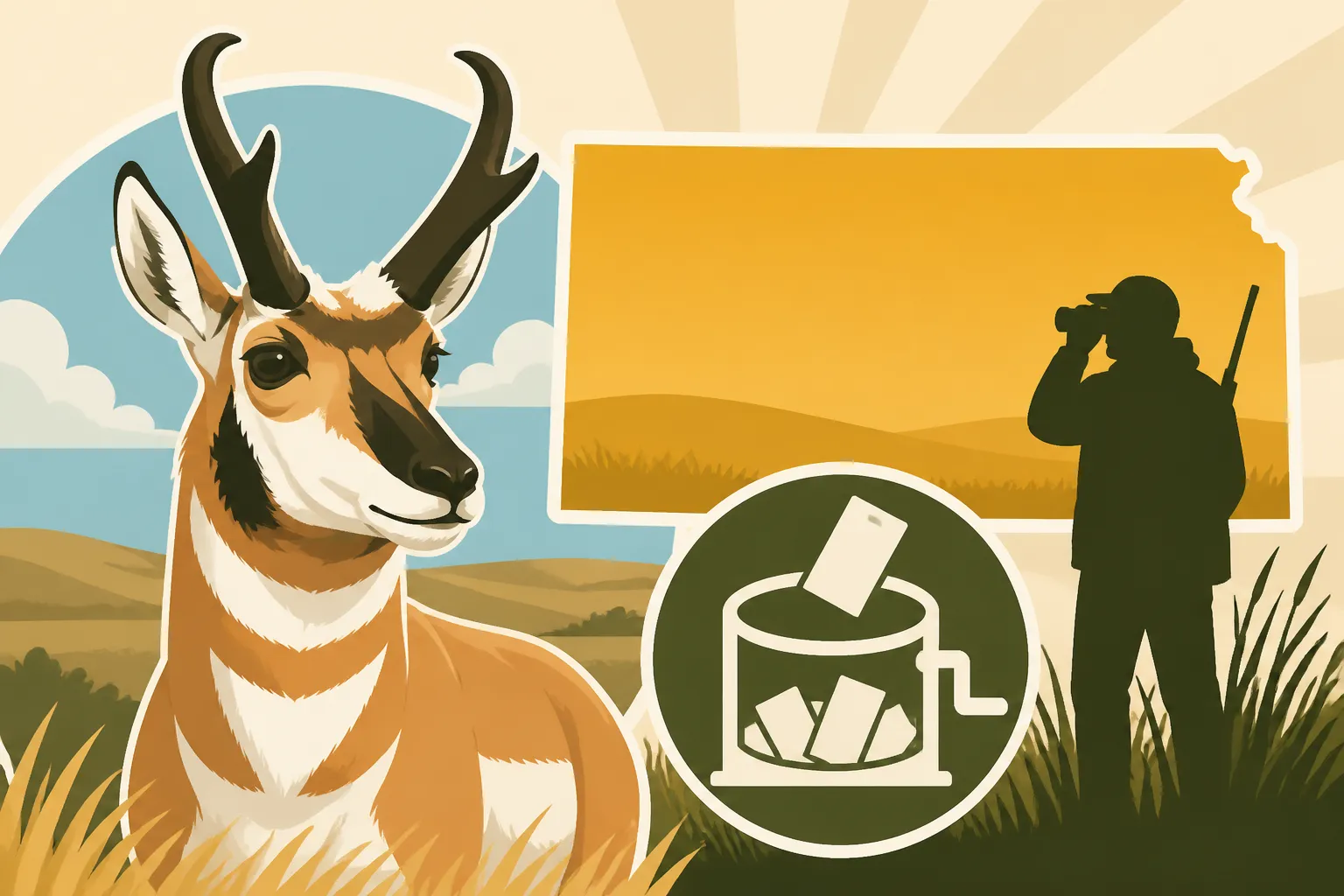
It can feel overwhelming trying to navigate the application process for some of Kansas's most sought-after hunting opportunities, especially when the odds are stacked against you. Many hunters dream of pursuing a pronghorn, but the limited permits available through the Kansas Department of Wildlife and Parks (KDWP) draw can make the dream seem out of reach. This guide is here to break down everything you need to know about the Kansas antelope permit draw, from understanding the population to crafting a solid application strategy.
Understanding the Kansas Antelope Population and Range
Kansas isn't widely known for its antelope hunting, and that's precisely why securing a permit feels like winning the lottery. Unlike our robust whitetail deer population, the antelope herd in Kansas is quite small and geographically restricted. This makes every permit issued a precious commodity, and understanding this scarcity is the first step in approaching the draw.
Where Antelope Live in Kansas
The vast majority of Kansas's antelope population resides in the extreme western part of the state. We're talking about the high plains, the true western frontier of Kansas, where the landscape stretches out seemingly forever under big skies. Specifically, you'll find these incredible animals concentrated in counties like Morton, Stanton, Hamilton, Greeley, Wallace, Sherman, Cheyenne, Rawlins, and Thomas. These are wide-open agricultural areas, interspersed with shortgrass prairie, ideal for the speed and vision of pronghorn. You won't find them lurking in the river bottoms or dense timber like deer; they need that expansive, unobstructed view to feel safe and thrive. The landscape itself dictates their presence, and these western counties offer the sparse vegetation and wide-open spaces they prefer. To learn more about where these animals roam, you might be interested in our deep dive into the Antelope Range in Northwest Kansas.
The Limited Nature of the Kansas Antelope Herd
Let's be real: Kansas is primarily a whitetail state, and rightly so. Our incredible genetics and habitat produce some truly giant bucks year after year. However, antelope are a different beast entirely. The Kansas antelope herd is relatively small, especially when compared to states further west like Wyoming or New Mexico. This isn't due to poor management but rather the natural limits of their preferred habitat within the state's borders. The KDWP manages this population very carefully to ensure its health and sustainability, which directly translates to the limited number of permits available each year. They are extremely conservative with permit allocation, often offering only a handful of tags for archery hunters, and even fewer, if any, for firearm hunters in some years. This stringent management means that while the opportunity exists, it's certainly not a numbers game where everyone gets a chance. The small herd size is a primary reason why the draw is so competitive, and why securing one of these tags is such an accomplishment.
The Kansas Antelope Permit Draw Process Explained
Navigating any hunting draw can feel like deciphering ancient texts, and the Kansas antelope draw is no exception. It's vital to understand the nuts and bolts of the application process, permit types, and the stark reality of the odds you'll face.
Application Period and Requirements
For most big game in Kansas, including antelope, the application period typically runs through the month of April. This is a crucial window you absolutely cannot miss if you hope to draw a tag. Applications are submitted online through the KDWP's licensing portal. It's generally the same system you'd use for deer or turkey, so if you've applied for other draws in Kansas, the interface will feel familiar.
To be eligible to apply for an antelope permit, you must generally meet the standard hunting license requirements for Kansas, including purchasing a valid Kansas hunting license. Nonresidents are eligible to apply, but keep in mind that the number of nonresident permits is even more limited, making the draw even tougher for out-of-state hunters. There are specific residency requirements you'll need to meet if you plan to apply as a resident, so always double-check the KDWP regulations summary for the most current information. Don't assume anything; a quick check of the KDWP website or the annual hunting regulations booklet can save you a lot of headache and heartbreak down the line. You can find more general information about the application timeline in resources like When Kansas Deer Applications Open.
Permit Categories and Costs
Kansas antelope permits are usually issued as "either-sex" permits, meaning you can harvest either a buck or a doe. Historically, these permits have been primarily archery-only, especially for nonresidents, emphasizing a more challenging and limited opportunity. Firearm permits for antelope, if offered at all, are exceedingly rare and often restricted to specific units or residency categories.
The cost for a Kansas antelope permit will be listed on the KDWP website during the application period. Like other nonresident big game tags, the price point reflects the demand and the unique nature of the hunt. For context, these costs are often in line with other premium big game draws in the state. For instance, the Kansas Nonresident Deer Permit Cost can give you a ballpark idea of what you might expect for a coveted tag. Remember, the application itself usually carries a non-refundable fee, even if you don't draw, so factor that into your budgeting. This fee covers the administrative costs of running the draw system.
| Permit Type | Typical Season | Residency | Estimated Cost (Permit + App Fee) | Application Window | Preference Points? |
|---|---|---|---|---|---|
| Either-Sex | Archery | Resident | ~$75 – $100 | April 1 – April 30 | No |
| Either-Sex | Archery | Nonresident | ~$350 – $400 | April 1 – April 30 | No |
| Either-Sex | Firearm | Resident | ~$75 – $100 (Very Limited/Rare) | April 1 – April 30 | No |
Note: Costs are estimates and can change annually. Always verify current prices and regulations on the official KDWP website.
Odds of Drawing a Permit
Here's where we get to the heart of the matter for many hunters: the odds. Due to the extremely limited number of permits, the Kansas antelope draw is notoriously difficult. Unlike deer, where there's a Kansas Preference Points Explained system that can eventually improve your chances in many units, there are no preference points for Kansas antelope permits. It's a true lottery system. Every applicant has the same chance each year, regardless of how many times they've applied in the past. This is a critical distinction and often a point of frustration for hunters accustomed to building points in other states.
What does this mean in practical terms? It means that drawing an antelope tag in Kansas is primarily a matter of luck. In many years, only a handful of permits are issued, often less than 10 or 20 across the entire state for nonresidents, and not many more for residents. The number of applications, however, can easily run into the hundreds, if not thousands, for those few coveted tags. This makes for very long odds. While some hunters will apply year after year, others might only throw their name in once and get lucky. It's a game of chance, pure and simple, but for those passionate about hunting these unique prairie speedsters, the slim hope is enough to keep them coming back. If you're comparing it to other limited draws, understanding Kansas Elk Permits and Fort Riley Hunts might provide some perspective on draw difficulty.
Strategies for a Successful Antelope Draw Application
Even with long odds and no preference points, there are still ways to approach the Kansas antelope draw strategically. While you can't guarantee a tag, you can make sure you're doing everything possible to put your name in the hat correctly and intelligently.
Maximizing Your Chances
Since the Kansas antelope draw is a pure lottery, "maximizing your chances" isn't about accumulating points or applying in less popular units (because most are equally tough). Instead, it's about consistency and being prepared.
- Apply Every Year: This sounds obvious, but it's the fundamental truth of any lottery system. If you don't apply, you can't draw. Make it an annual tradition to submit your antelope application during the April window. Set reminders, mark your calendar, and make sure you're in the running.
- Ensure Eligibility: Double-check all residency requirements, hunting license validity, and any other specific criteria listed in the KDWP regulations. A minor oversight can disqualify your application, rendering all your hopes moot.
- Understand Unit Options: While antelope are primarily found in western units, KDWP specifies which Deer Management Units (DMUs) are open for antelope hunting. Familiarize yourself with these units. While there might not be a "low draw odds" unit for antelope, knowing the primary Kansas Deer Units 1 Through 19 can help you understand the general geography and perhaps align with other hunt goals if you're multi-species planning.
- Consider Archery-Only: As mentioned, archery permits are often more available than firearm permits. If you're an archer, focusing solely on the archery antelope permit offers the best, albeit still slim, chance. This is usually the primary, if not only, option for nonresidents.
- Keep Expectations Realistic: This isn't a strategy for getting a tag, but for managing your emotional well-being! Go into the draw understanding that it's highly competitive. If you draw, it's a fantastic bonus. If you don't, you haven't lost anything except a small application fee, and you can try again next year. This mindset helps alleviate the frustration that many hunters experience with low-opportunity draws.
Using Tools for Application Insight
While Kansas doesn't have a complex preference point system for antelope that requires intricate mathematical analysis, tools can still be invaluable for understanding the context of the draw. Platforms like GoHunt are fantastic resources for hunters across the country, providing detailed insights into draw odds, unit breakdowns, and harvest data for various species and states.
Even without preference points, GoHunt's data can help you understand historical application numbers versus permit allocations for Kansas antelope. This kind of information, when available, paints a clearer picture of just how competitive the draw truly is. It can also help you research the general Kansas Antelope Herd Size in the areas where permits are issued, giving you a better understanding of the quality of the hunt if you are lucky enough to draw. GoHunt might provide heat maps or detailed information on the specific characteristics of units where antelope permits are available, helping you visualize the terrain and potential hunting challenges. While it won't magically give you a tag, using GoHunt helps you make an informed decision when applying and mentally prepare for the odds.
What to Do if You Don't Draw
Let's face it, for the vast majority of applicants, the answer to "What if I don't draw?" will be "You probably won't." But that's okay! Not drawing an antelope tag doesn't mean your Kansas hunting season is over. Far from it.
- Reapply Next Year: Simple as that. The only way to win a lottery is to buy a ticket. Keep your name in the hat for future draws.
- Focus on Other Kansas Opportunities: Kansas offers incredible hunting for other species. Our whitetail deer hunting is world-class, our turkey hunting is fantastic (check out Kansas Spring Turkey Permits and Units), and our upland bird hunting for pheasants and quail is legendary. Don't let the elusive antelope overshadow the abundance of other hunts available.
- Consider Other States: If antelope is your primary goal and you're tired of the Kansas lottery, consider applying in other states like Wyoming, Montana, or New Mexico, which have larger antelope populations and more consistent draw systems, sometimes including preference or bonus points. While those draws have their own complexities, they might offer a clearer path to an antelope tag.
- Explore Private Land Access: For any hunting in Kansas, if public land draw opportunities are limited, focusing on Finding Private Land Access in Kansas can open up a world of possibilities for various species. While most antelope in Kansas are on private ground, gaining access is always an option to pursue.
The Kansas antelope draw is a tough one, but the allure of chasing those prairie ghosts across the western plains keeps many hunters coming back year after year. Understanding the process, being realistic about the odds, and consistently applying are your best bets for one day holding that coveted tag.
Disclaimer
This guide is intended for informational purposes only and is based on general hunting regulations and practices in Kansas. Hunting regulations, season dates, permit costs, and draw processes are subject to change annually by the Kansas Department of Wildlife and Parks (KDWP). Always consult the official KDWP website or their current year's hunting regulations summary for the most accurate and up-to-date information before applying for any permit or planning a hunt.