Kansas Pheasant Daily Bag Limit
It's incredibly frustrating, isn't it, trying to keep all the hunting regulations straight, especially when you're just excited to get out in the field? One of the most common areas of confusion for pheasant hunters in Kansas revolves around the daily bag limit. You want to make sure you're ethical and legal, but sometimes the jargon can be a bit opaque. This guide is here to untangle all the complexities, explaining exactly what the Kansas pheasant daily bag limit means for you and how to ensure you're always on the right side of the law.
Understanding the Kansas Pheasant Daily Bag Limit
The daily bag limit for pheasants in Kansas is one of those crucial regulations every hunter needs to internalize before stepping foot in the field. It’s not just a suggestion; it’s a hard-and-fast rule designed to manage wildlife populations responsibly and ensure sustainable hunting opportunities for everyone. For pheasants in Kansas, the daily bag limit is generally set at 4 roosters. This means that within a single calendar day, regardless of how many times you go out or where you hunt within the state, you cannot harvest more than four male pheasants.
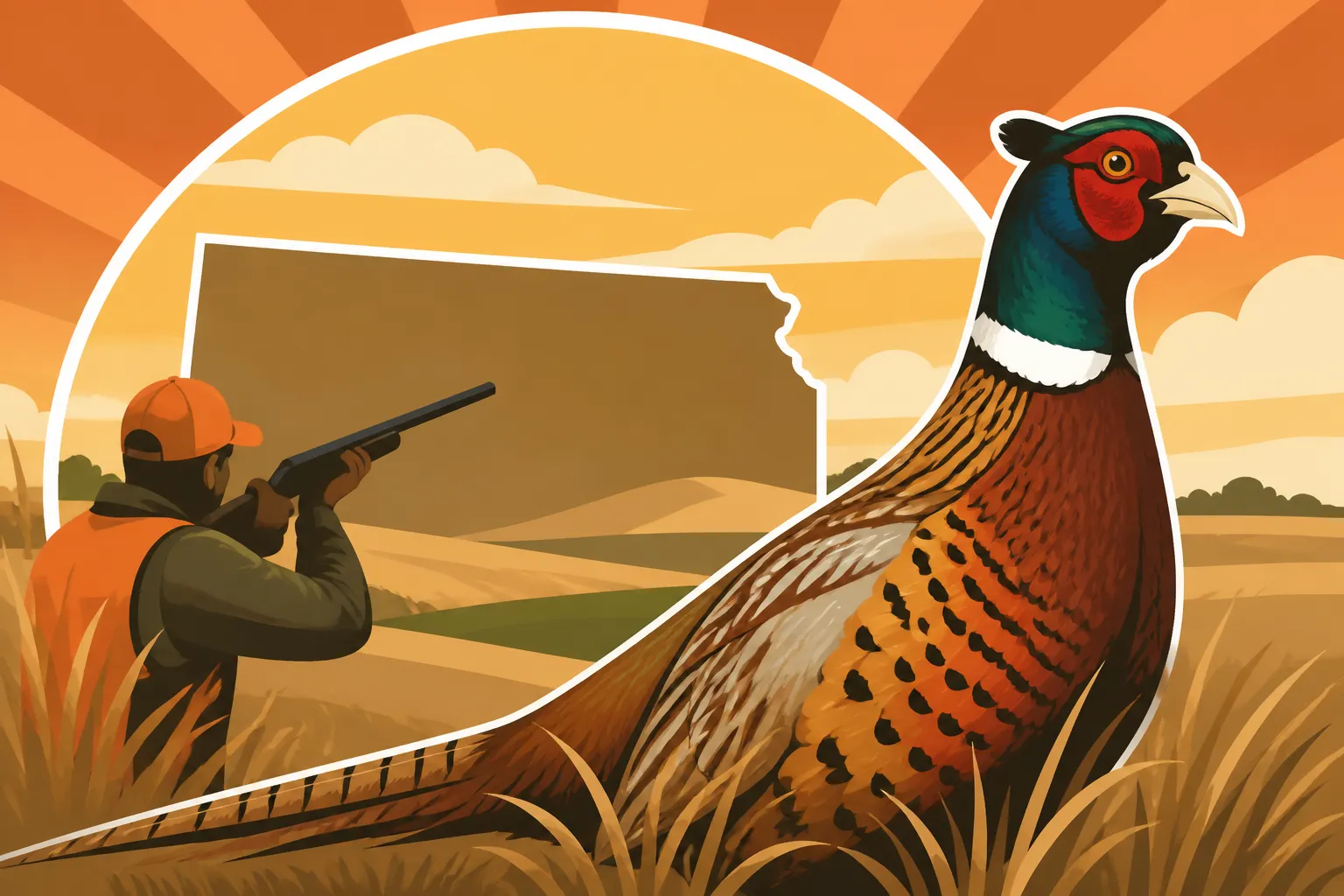
This limit is specifically for roosters – male pheasants. Kansas regulations are clear on this, and it’s a critical distinction. Hens (female pheasants) are protected, and harvesting them is illegal. This approach helps protect the breeding stock, ensuring that next year's populations have a strong foundation. Identifying the difference between roosters and hens is usually quite straightforward. Roosters are the much more colorful, flamboyant birds with iridescent plumage, long tail feathers, and a distinctive white neck ring. Hens, in contrast, are much duller, brown, and camouflaged, designed to blend into their surroundings to protect nests and broods. If you're ever in doubt, let the bird fly. It's always better to be safe than sorry and avoid an accidental hen harvest.
Imagine you're out with a buddy, and it's a fantastic morning. You've been working some CRP grass and have already bagged two beautiful roosters. You decide to take a break for lunch, maybe run into town, and then head back to a new spot in the afternoon. The key here is that your daily limit resets with the calendar day, not with your hunting outing. So, when you head back out, you still have two roosters left to fill your personal daily limit. It's not four pheasants per trip or per location; it's four per hunter, per day. This consistency is vital for proper wildlife management. Many hunters find using a digital mapping tool like the GoHunt app helpful for keeping track of their daily harvest and even logging their hunting spots, helping them visualize their efforts and remain compliant.
Distinguishing Daily Bag from Possession Limits
While the daily bag limit dictates how many pheasants you can harvest in a single day, the possession limit is a different beast entirely. This is where a lot of hunters can get confused, and honestly, it’s a distinction that trips up even seasoned veterans sometimes. The possession limit refers to the maximum number of pheasants you can have in your physical possession, whether that’s in your cooler, your freezer at home, or in your vehicle while traveling, at any given time after hunting. It essentially represents the total accumulation of your daily harvests over multiple days.
For pheasants in Kansas, the possession limit is typically three times the daily bag limit. Since the daily bag limit for roosters is 4, the possession limit is generally 12 roosters. This means that if you hunt for three days straight and bag your limit of 4 roosters each day, by the end of the third day, you would have 12 roosters, which is right at your possession limit. If you were to hunt a fourth day and successfully bag another 4 roosters, you would exceed your possession limit unless you had already consumed or legally gifted some birds from your previous harvests.
Let's walk through a scenario: You arrive in Kansas for a weekend hunt. On Friday, you shoot 4 roosters. Your daily limit is met, and you have 4 pheasants toward your possession limit of 12. On Saturday, you go out again, and it's another great day – you bag another 4 roosters. Now you have 8 pheasants total in your cooler/freezer, still well within your possession limit. Sunday rolls around, and you complete your trip by harvesting your final 4 roosters. You now have 12 pheasants total, hitting your possession limit square on. If you were to continue hunting on Monday, you would need to have processed and consumed (or legally transferred) some of those 12 birds to legally harvest more, as you cannot exceed the 12-bird possession limit. This distinction is critical for hunters staying for extended periods, perhaps enjoying a Kansas Upland Bird and Waterfowl Seasons hunt that spans several days. Always double-check the current Kansas Department of Wildlife and Parks (KDWP) regulations, which you can often find summarized easily on platforms like GoHunt.
Here's a quick table to clarify the limits:
| Game Species | Daily Bag Limit (Roosters) | Possession Limit (Roosters) |
|---|---|---|
| Pheasant | 4 | 12 |
Key Regulations Affecting Your Pheasant Harvest
Beyond the daily bag and possession limits, there are several other important regulations that can impact your pheasant harvest in Kansas. Ignoring these can lead to fines, loss of hunting privileges, or worse. Staying informed is your best defense against unintended violations.
Open Season Dates
First and foremost, you can only hunt pheasants during the designated open season. The KDWP sets these dates annually, and they are rigidly enforced. Generally, the Kansas pheasant season runs from early November through late January, providing ample opportunity. However, these dates can shift slightly from year to year, so always check the most current regulations. Hunting outside of the established dates, even if you’re only taking one bird, is a serious offense. This is especially important if you're planning a trip that might straddle the season's opening or closing. You can find up-to-date season information in the official Kansas hunting regulations summary or by using tools that aggregate this data, like the resources available through GoHunt. It's crucial to consult the official KDWP website or regulation pamphlet for the most precise dates each year.
Hunter Orange Requirements
Kansas requires hunters to wear a certain amount of hunter orange during the firearm pheasant season for safety. This rule is designed to make hunters more visible to each other in the field, especially in tall grass or thick cover, reducing the risk of accidental shootings. Typically, this means wearing an orange hat and an outer garment with a minimum amount of visible orange. Failure to wear appropriate hunter orange not only puts you and others at risk but can also result in a citation. Given that pheasant hunting often involves multiple hunters walking in a line or blocking fields, like when Blocking and Driving Kansas Milo Fields tactics are used, visibility is paramount. Always dress for safety according to the regulations, even if you're just Working Pheasant Fields Without a Dog.
Tagging and Transport
While pheasants don't require species-specific tags like deer or turkey in Kansas, there are still rules for transporting your harvest. All game birds must be identifiable as to species and sex while in transport. This means if you've harvested a rooster, it should retain enough natural markings (like its head or a portion of the wing) so that a conservation officer can clearly identify it as a male pheasant. Removing all identifying features and just having a bag of breast meat, for example, is usually a violation. When you get back to your lodging or home, you can then process the bird as you see fit. Understanding this helps ensure you don't run into issues, especially if you're traveling across state lines. Remember, a properly presented bird shows respect for the animal and the law.
Private vs. Public Land
Where you hunt also plays a role. While the daily bag limit remains consistent across all huntable land in Kansas, access rules differ dramatically. On private land, you must have permission from the landowner before hunting. Without express permission, you are trespassing, regardless of whether you harvest a bird or not. On public lands, such as Kansas Walk-In Hunting Access (WIHA) tracts or State Wildlife Areas, you generally have legal access during the open season, but even these areas can have specific rules, such as daily hunter limits on iWIHA properties or special rules for using ATVs. Before heading out, always verify access rules, especially if you're looking at Hunting Kansas Walk-In Land Without Burning It Out or exploring Public Land Deer Hunting in Kansas.
Practical Tips for Adhering to Pheasant Limits in Kansas
Staying within the legal limits isn't just about knowing the numbers; it's about adopting smart practices in the field. Here are some practical tips to help you enjoy your hunt without worrying about compliance.
Count Carefully and Communicate
This might sound simple, but in the excitement of a flush, it's easy to lose track. If you're hunting alone, consciously count each rooster you harvest. If you're hunting with a group, clear communication is key. Designate someone to keep a tally for the group, or better yet, everyone should keep their own count. When a bird is down, confirm it's a rooster and then mark it down. There's no shame in double-checking, and it's far better than realizing too late that someone in the group has over-harvested. Remember, ignorance is rarely an excuse in the eyes of the law. Knowing your Kansas Pheasant Population Cycles can also give you an idea of the likelihood of success and help manage expectations for the day's harvest.
Plan Your Hunt Duration
If you're planning a multi-day hunting trip, factor in the possession limit. If you hit your daily limit every day, you'll reach your possession limit quickly. For a 3-day hunt, the 12-rooster possession limit works perfectly if you limit out each day. If your trip is longer, say five days, you'll need a plan for your birds. This might mean processing and cooking some pheasants mid-trip, or arranging to gift some birds to local friends or family (ensuring you follow any legal transfer requirements, such as leaving appropriate identifying features). Thinking ahead like this, especially when considering Pheasant Numbers After a Dry Summer and potential success rates, can save you a headache later on.
Utilize Technology and Official Resources
In today's world, there's no excuse for not having the most current regulations at your fingertips. The Kansas Department of Wildlife and Parks (KDWP) website is always the official source for regulations, season dates, and limits. You can download or print their annual hunting and trapping regulation summary. Additionally, many hunters find applications like GoHunt incredibly useful. These platforms often aggregate official data, provide interactive maps of public hunting lands, and offer tools to track your harvest. Before leaving home, make it a habit to check for any emergency regulation changes, which can happen, though rarely for pheasant limits mid-season. Regularly checking the Kansas Regulation Summary Release Date ensures you're always working with the latest information.
Responsible Bird Identification
As mentioned earlier, only rooster pheasants are legal to harvest in Kansas. This means you need to be confident in your ability to distinguish a male from a female bird in the field. When a bird flushes, take the extra moment to identify it before shouldering your shotgun. Roosters are unmistakable with their vibrant colors, especially the white neck ring and long tail feathers. Hens are duller, brown, and shorter-tailed. If light conditions are poor, or the bird is flushing at an odd angle, and you can't make a positive ID, it's always best to let it go. There will always be more birds. Ethical hunting practices dictate that if there’s any doubt, you don't take the shot. This careful approach helps conserve the population and ensures that Rainfall and Pheasant Numbers can positively influence future hunting seasons.
Final Thoughts on Kansas Pheasant Limits
Navigating the daily bag and possession limits for Kansas pheasants doesn't have to be a source of stress. With a clear understanding of the rules, careful counting, good communication with your hunting partners, and a commitment to ethical practices, you can enjoy a highly rewarding experience in the Sunflower State's famous pheasant country. Remember, these regulations are in place for a reason: to ensure that Kansas continues to offer incredible pheasant hunting opportunities for generations to come. Respecting the limits respects the resource.
Disclaimer
The information provided in this guide is intended for general informational purposes only and does not constitute legal advice. Hunting regulations can change, and it is the sole responsibility of the individual hunter to consult the official Kansas Department of Wildlife and Parks (KDWP) regulations and statutes before engaging in any hunting activities. Always refer to the most current official KDWP publications for accurate and up-to-date rules and requirements.