Kansas Elk Unit Boundaries
Trying to wrap your head around Kansas elk hunting can feel like deciphering a secret code, especially when it comes to understanding the specific unit boundaries that dictate where you can even attempt to pursue these magnificent animals. Unlike the vast elk country out West, Kansas offers a unique, highly controlled, and incredibly rare opportunity. This guide is here to untangle the complexities of Kansas's elk units, their unique characteristics, and how you might, just might, get a chance to chase an elk in the Sunflower State.
The Elusive Nature of Kansas Elk Hunting Opportunities
When most hunters think of elk, their minds wander to the towering Rockies or the expansive timberlands of the Pacific Northwest. Kansas, a state primarily known for its trophy whitetails and abundant pheasants, rarely enters the conversation. Yet, a small, resilient population of elk does call parts of the Sunflower State home, offering one of the most unique and sought-after big game permits you can draw. The very idea of elk hunting in Kansas often comes with a raised eyebrow, but for those who understand the challenge and the rarity, it's a truly special pursuit.
A Brief History of Elk in Kansas
Elk were once native to Kansas, roaming the vast prairies and woodlands before westward expansion and unregulated hunting led to their extirpation by the late 1800s. It wasn't until the 1980s that elk began to re-establish a foothold, primarily through reintroduction efforts and natural dispersal from neighboring states. The largest and most stable population quickly coalesced around the Fort Riley Military Reservation, a massive tract of land in northeast Kansas that provides ample habitat and limited human disturbance. Other smaller, transient herds have popped up in various corners of the state over the years, often as a result of wanderlust animals seeking new territories. Understanding the Kansas Elk Herd History is crucial to appreciating the current management strategies.
These herds, while relatively small compared to western states, are a testament to successful conservation and adaptation. They primarily consist of Rocky Mountain elk, displaying the impressive size and antler growth characteristic of the species. Because these populations are not widespread, the Kansas Department of Wildlife and Parks (KDWP) maintains strict control over hunting to ensure the long-term health and stability of the herds. This careful management is why the opportunity to hunt elk here is so tightly regulated, making every permit a golden ticket.
Why Permits are So Limited
The primary reason for the extreme scarcity of Kansas elk permits boils down to population size and distribution. The KDWP's goal is to maintain viable, healthy elk populations without allowing them to cause significant damage to agricultural lands or private property, a common conflict point in areas with large elk herds. Therefore, only a handful of permits are issued each year, specifically targeted to manage herd numbers in designated areas. This isn't like deer hunting, where you can often pick up an over-the-counter tag for an antlerless deer. For elk, the numbers are critically managed, making the draw odds incredibly challenging, especially for non-residents.
The limited number of available permits is also why the KDWP carefully defines its elk units. These units aren't just arbitrary lines on a map; they are drawn based on known elk ranges, population densities, and access considerations. This precision allows the KDWP to focus hunting pressure where it's most needed for management purposes, while protecting nascent or sensitive herds elsewhere. It's a fine balance, and one that makes every drawn permit an experience of a lifetime for the lucky few. The Kansas Elk Population Numbers are closely monitored, and permit quotas reflect these delicate balances each year.
Decoding Kansas's Official Elk Units
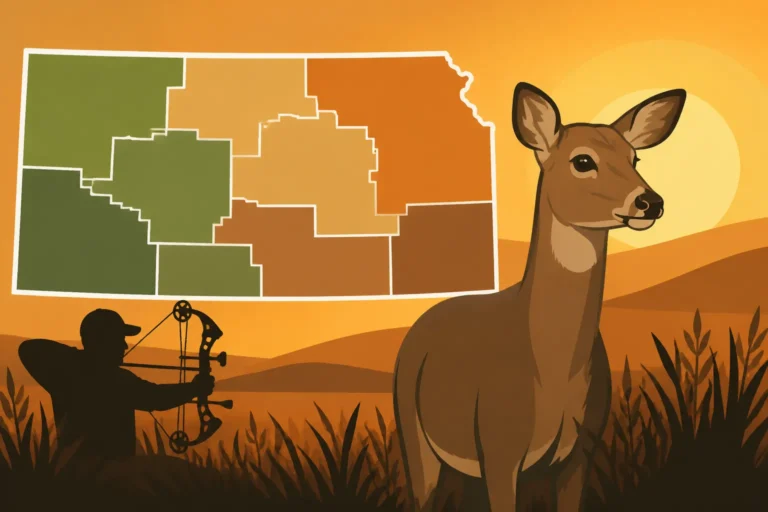
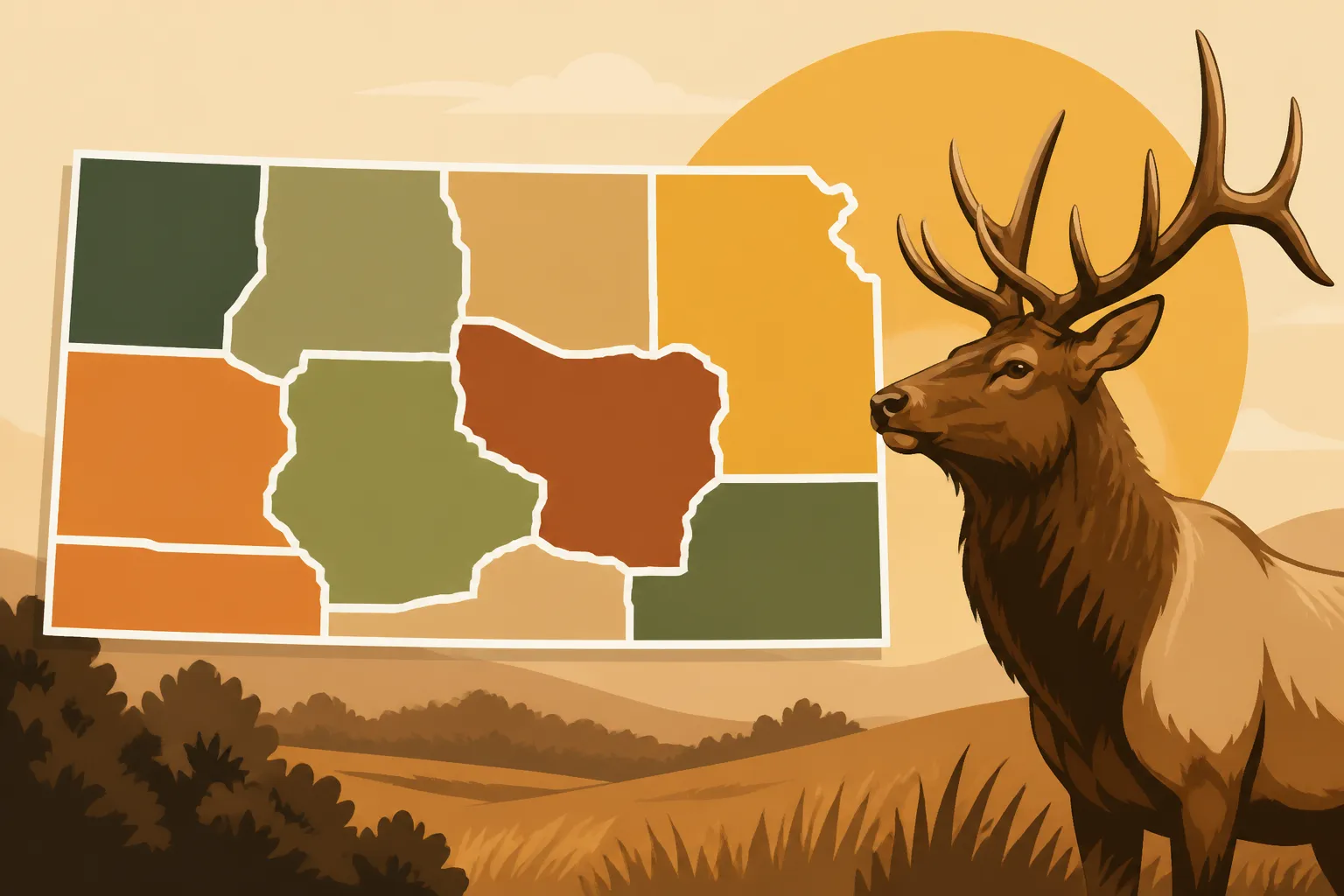
Kansas divides its elk hunting opportunities into three distinct units, each with its own unique characteristics, regulations, and permit application process. These units are not uniform in size or elk density, and understanding their differences is paramount before even thinking about applying for a permit. It’s not a simple case of one-size-fits-all; each unit presents a completely different challenge and opportunity profile.
Unit 1: The Fort Riley Military Reservation
Unit 1 is undeniably the heart of Kansas elk hunting, encompassing the vast majority of the Fort Riley Military Reservation. This area is the stronghold of Kansas's largest and most stable elk herd. For many, this is the Holy Grail of Kansas elk permits. However, hunting Unit 1 comes with significant restrictions due to its military status. Access is strictly controlled, and hunters must adhere to specific rules set forth by Fort Riley, in addition to KDWP regulations. This includes range closures, safety briefings, and checking in and out procedures. The Kansas Elk Unit 1 Closure rule is more about restricted public access than a complete ban, but it’s critical for hunters to understand the nuances of military base operations impacting huntable days.
Permits for Unit 1 are typically draw-only and highly coveted. The KDWP coordinates closely with Fort Riley to determine permit numbers, which are usually geared towards managing the herd within the reservation boundaries. While there are a good number of Elk Numbers Around Fort Riley, the sheer demand for these permits means drawing one is an extraordinary stroke of luck. Hunters applying for Unit 1 must be prepared for the stringent access requirements and the unique challenges of hunting on an active military installation. It's an adventure unlike any other, demanding both patience and strict adherence to protocols.
Unit 2: Southeastern Kansas Draw Zones
Unit 2 covers a broad, scattered region of southeastern Kansas, characterized by smaller, more transient elk herds. Unlike the concentrated population of Fort Riley, elk in Unit 2 are often found in smaller groups across private lands, river bottoms, and timbered areas. This unit typically has very few, if any, permits available each year, and when they are offered, they are exclusively through a limited draw. The Kansas Elk Unit 2 Draw is often for a single bull permit, or perhaps a cow permit, making the odds even steeper than for Unit 1.
Hunting in Unit 2 largely depends on securing private land access. While there might be some scattered public land, the elk, if present, are likely to be on private agricultural or timber ground. This adds another layer of complexity for successful hunters, as gaining permission from landowners is critical. The dispersed nature of the elk and the reliance on private land access mean that success in Unit 2 requires extensive scouting, local knowledge, and good relationships with landowners. It’s a completely different challenge than the more contained environment of Fort Riley, demanding a blend of luck and significant legwork.
Unit 3: Southwestern Kansas Over-the-Counter Opportunities
Perhaps the most unique and often misunderstood elk unit in Kansas is Unit 3, located in the far southwestern corner of the state. This unit sometimes offers Kansas Elk Unit 3 Over-the-Counter Permits, which sounds almost too good to be true for an elk hunt in Kansas. However, there's a significant caveat: these permits are strictly for antlerless elk and are typically available only to Kansas residents who also possess a resident hunting license and a General Either-Sex or Antlerless-Only Deer Permit for the same unit. Non-residents cannot typically purchase these. This is explicitly a management tool to address elk depredation on agricultural crops in a region where elk are not considered a "herd" in the traditional sense, but rather a nuisance from expanding populations in neighboring states like Colorado or Oklahoma.
The availability of over-the-counter permits for Unit 3 fluctuates greatly and is determined year by year based on perceived agricultural damage and elk presence. Hunters pursuing these permits must understand that they are hunting in a very open, agricultural landscape where elk sightings can be rare and fleeting. It's not about trophy hunting; it's about agricultural damage control. The Kansas Over-the-Counter Elk Permits are a reflection of a very specific local issue, and hunters must be prepared for a hunt that might involve more driving and glassing than traditional elk hunting tactics. Success here is often about being in the right place at the right time, with landowner permission being absolutely essential.
Here’s a quick overview of the Kansas Elk Units:
| Unit Number | Primary Location | Permit Type | Primary Species Focus | Access Considerations | Key Challenge |
|---|---|---|---|---|---|
| Unit 1 | Fort Riley Military Reservation | Draw-Only (Bull/Cow) | Management/Trophy | Strict military access rules, training closures | Drawing a permit; navigating military protocols |
| Unit 2 | Southeastern Kansas Counties | Draw-Only (Limited Bull/Cow) | Management | Heavily reliant on private land access | Drawing a permit; securing private land access |
| Unit 3 | Southwestern Kansas Counties | Over-the-Counter (Antlerless) | Depredation Control | Primarily private land, elk often transient; resident only | Finding elk; securing private land access |
Navigating the Kansas Elk Permit Application Process
The application process for Kansas elk permits is not for the faint of heart, nor for those expecting guaranteed success. It requires meticulous attention to detail, a deep understanding of the draw system, and a healthy dose of patience. Given the rarity, it's a process that serious hunters plan for years in advance.
Understanding the Limited Quotas and Draw Odds
The KDWP issues an incredibly limited number of elk permits each year, which directly translates into abysmal draw odds for applicants. For example, in a given year, there might only be a handful of bull permits for Unit 1, perhaps one or two for Unit 2, and maybe a few dozen antlerless permits for residents in Unit 3. These numbers are determined annually, taking into account herd health, population estimates, and landowner tolerance. The official KDWP hunting atlas or website will publish the exact quotas for each year's draw, and it's essential to check these before applying.
Unlike states with large elk populations and a preference point system that guarantees a tag eventually, Kansas elk permits are often a true lottery. There is no preference point system for Kansas elk, so every applicant essentially starts from scratch each year, regardless of how many times they've applied unsuccessfully in the past. This means that while some might get lucky on their first application, others could apply for decades without ever drawing a tag. It's a testament to the challenge and desirability of a Kansas elk permit that so many continue to try year after year. Websites like GoHunt provide valuable insights into draw odds and unit breakdowns for various states, helping hunters make informed decisions, even though the Kansas elk draw remains highly unpredictable.
Non-Resident Challenges and Application Strategies
For non-resident hunters, the challenge of drawing a Kansas elk permit is even greater, if not almost impossible for some units. Non-residents are typically only eligible for a small percentage of the total permits, and in some cases, certain permits (like the Unit 3 over-the-counter antlerless tags) are strictly reserved for residents. The Kansas Elk Permits and Fort Riley Hunts are often where most non-resident interest lies, but even then, the pool of available tags is tiny. This makes drawing a non-resident elk tag in Kansas one of the most difficult big game tags to acquire in the country.
Beyond the permit, non-residents must also purchase a non-resident hunting license, which adds to the overall cost, whether successful in the draw or not. Understanding the Kansas Nonresident Hunting Licence Cost is part of the upfront investment for any hopeful elk hunter from out of state. My advice for non-residents is to focus your application efforts on Unit 1, if any non-resident permits are available, as this is where the most consistent herd resides and where a limited number of non-resident tags might be offered. However, manage your expectations; drawing a Kansas elk tag as a non-resident is a long shot by any measure.
The Role of the Kansas Big Game Permit
When applying for an elk permit in Kansas, you'll be navigating the KDWP's Go Outdoors Kansas portal. Crucially, while Kansas has a preference point system for deer, this system does not apply to elk permits. As mentioned, every applicant for an elk permit is essentially on an equal footing each year, regardless of past applications or accumulated points for other species. This means that while you might be building points for a coveted deer tag, those points won't help you secure an elk tag.
It's vital to carefully review the KDWP's annual big game regulations each spring for the most up-to-date application periods, quotas, and any changes to unit boundaries or rules. Don't assume anything from previous years, as regulations can and do change. The application window is usually in the spring, similar to deer, and missing that deadline means you're out of luck for the entire year. Ensure all your licensing is up to date, including any general hunting licenses required, before attempting to apply for a special elk permit.
Regulations and Realities of Elk Hunting in Kansas
Once the excitement (or disappointment) of the draw is over, successful permit holders must then dive into the specific regulations that govern elk hunting in Kansas. These rules are designed to ensure safety, promote ethical hunting, and, most importantly, manage the limited elk resource responsibly. Ignoring any of these regulations can lead to severe penalties, including fines and loss of hunting privileges.
Season Dates and Weapon Restrictions by Unit
Kansas elk season dates are highly variable and specific to each unit and permit type. For Unit 1 (Fort Riley), seasons are typically structured to align with military training schedules, meaning hunt dates can be intermittent and require flexibility from the hunter. There might be separate archery, muzzleloader, and firearm seasons, but these are all dependent on the specific permit drawn and Fort Riley's operational calendar. Generally, the Fort Riley hunts can stretch from late summer through early winter.
Unit 2 and Unit 3, when permits are available, usually have season dates that more closely align with statewide deer seasons, often in early September for archery or a dedicated firearm season in late fall. Weapon restrictions also apply; a drawn permit will explicitly state what weapons are legal for that specific tag (e.g., archery-only, muzzleloader, or any legal equipment during a firearm season). It's not uncommon for antlerless permits, especially in Unit 3, to have longer seasons or more flexible weapon choices to achieve management goals. Always, always double-check the specific regulations booklet or the details of your drawn permit for the exact legal season dates and weapon types.
Tagging, Reporting, and Carcass Transportation Rules
Just like with deer, successful elk hunters in Kansas must immediately tag their harvested animal with the permit provided. The permit will detail where and how the tag should be affixed. Following harvest, the elk must be reported to the KDWP. This usually involves an online check-in system or possibly a phone call, confirming the harvest date, location, and other pertinent details. This data is critical for the KDWP to monitor harvest success and manage future permit allocations.
Beyond tagging and reporting, hunters must also be aware of carcass transportation rules, especially concerning Chronic Wasting Disease (CWD). While CWD prevalence in Kansas elk is generally low, regulations might restrict the transport of certain carcass parts (e.g., brain, spinal column) across state lines or even within Kansas. It is essential to consult the most current KDWP regulations on CWD and carcass handling to avoid violations. Quartering a deer in the field or elk in this case is often the most practical solution for larger animals to manage transportation, particularly in warm weather, and to comply with CWD rules.
Accessing Public and Private Land Within Elk Units
Access is a critical aspect of Kansas elk hunting, especially for units outside of Fort Riley. While Unit 1 is on federal military land, Unit 2 and Unit 3 are predominantly private land. Even on Fort Riley, Fort Riley Hunting Access requires coordination and understanding of their rules. For Unit 2 and 3, obtaining landowner permission before your hunt is absolutely essential. Trespassing is a serious offense, and simply drawing a permit does not grant you access to private property. This often means scouting prior to the season, making connections with landowners, and respectfully asking for permission to hunt.
Kansas does have Walk-In Hunting Access (WIHA) lands and State Wildlife Areas (SWAs) that offer public hunting. However, very few of these tracts are known to consistently hold elk. While it's worth checking the Kansas Public Land Deer Hunting in Kansas resources to see if any WIHA or SWA land might overlap with elk units, hunters should not rely solely on public access for elk, especially in Unit 2 and 3. The best approach for Unit 2 and 3 is to gain specific, written permission from private landowners. Websites like GoHunt often have mapping overlays that show public/private land boundaries, which can be invaluable for identifying potential access points and adjacent landowners to contact.
Scouting and Hunting Strategies for Kansas Elk
Drawing a Kansas elk permit is just the first, albeit monumental, step. The real work begins with scouting and developing a sound hunting strategy tailored to the unique environment of the Sunflower State. Unlike western elk hunting where vast public land allows for expansive roaming, Kansas demands a more targeted and nuanced approach.
Identifying Elk Habitat and Movement Patterns
Kansas elk, much like their deer counterparts, are creatures of habit, often keying in on specific types of cover and food sources. In Unit 1, the Fort Riley elk utilize the diverse terrain of the military reservation, including extensive timber, open grasslands, and creek bottoms. They will often hold tight to thicker cover during daylight hours and move into more open areas to feed at dawn and dusk. Understanding the Scouting Kansas River Bottoms and Creek Draws can be particularly effective, as these areas often provide both cover and travel corridors.
In Unit 2, elk are more nomadic, using larger timber blocks, dense creek drainages, and areas adjacent to agricultural fields where they can browse and feed. Their movement patterns will be heavily influenced by hunting pressure and food availability. Unit 3 elk, being primarily depredation-focused, are almost exclusively found near agricultural fields, often moving from distant, dense cover (which might be over a property line) into crops like alfalfa, corn, or wheat during low light. For all units, understanding how wind and thermals on a river bank affect movement is critical, especially in the mornings and evenings.
Utilizing E-Scouting Tools and Ground Reconnaissance
Effective scouting in Kansas, especially for elk, starts long before you ever step foot in the field. E-scouting using aerial imagery and topographical maps is indispensable. Tools from GoHunt, for instance, allow you to pour over satellite images, identify potential bedding areas, travel corridors, and feeding locations. Look for pinch points, dense timber blocks, major drainages, and crop fields that provide both food and cover. Understanding how to use these tools for Reading Aerial Imagery for Bedding Cover is paramount.
Once you have a few target areas identified, ground reconnaissance is key, but it needs to be done strategically to avoid educating elk. For Unit 1, this might mean carefully walking roads and observation points, looking for tracks, droppings, and rubs. For Units 2 and 3, it involves driving county roads, glassing potential areas from a distance, and focusing on securing landowner permission to get boots on the ground. Setting up trail cameras in key areas, with permission, can also provide invaluable insights into elk movement and herd composition without disturbing the animals.
Adaptable Hunting Approaches for Different Units
Hunting strategies will vary significantly depending on which unit you've drawn. For Unit 1, a combination of still-hunting, strategic stand placement near bedding-to-feeding routes, and even limited calling can be effective. Because the area is so large and the elk are relatively undisturbed by human presence, they might respond well to bugling during the rut, which often occurs in September. However, the military's unpredictable training schedules mean you need to be highly adaptable and ready to hunt whenever and wherever access is granted.
In Unit 2, with its more scattered herds and private land focus, patience and stealth are key. Spot-and-stalk can work in more open areas, but often, still-hunting through timbered creek bottoms or setting up on known travel routes near crop fields is more productive. Calling can be effective here too, but given the smaller, more wary herds, a more conservative approach is often warranted. For Unit 3, it's primarily a glassing and ambush hunt. Locating where elk are feeding in fields and setting up for an evening or morning ambush, ideally from a ground blind or natural cover, is typically the most successful method. Remember, these are often nuisance elk, and getting them off crops is the goal, so targeting specific feeding patterns is crucial.
Disclaimer
Hunting carries inherent risks, and regulations can change. Always consult the official Kansas Department of Wildlife and Parks (KDWP) regulations and relevant land management agency rules before planning or undertaking any hunting activity. This guide is for informational purposes only and does not supersede official regulations.