Elk Numbers Around Fort Riley
It's quite a surprise for many folks to learn that Kansas, often envisioned as endless prairies and wheat fields, actually has a small but thriving population of wild elk. These majestic animals primarily call the area around Fort Riley home, and trying to understand their numbers and the opportunities to pursue them can feel like navigating a maze. This comprehensive guide aims to shed light on the elusive elk of Kansas, focusing specifically on the population dynamics around Fort Riley, how they're managed, and what it means for those hoping to catch a glimpse or even draw a coveted tag.
The Unexpected Presence of Elk in Kansas
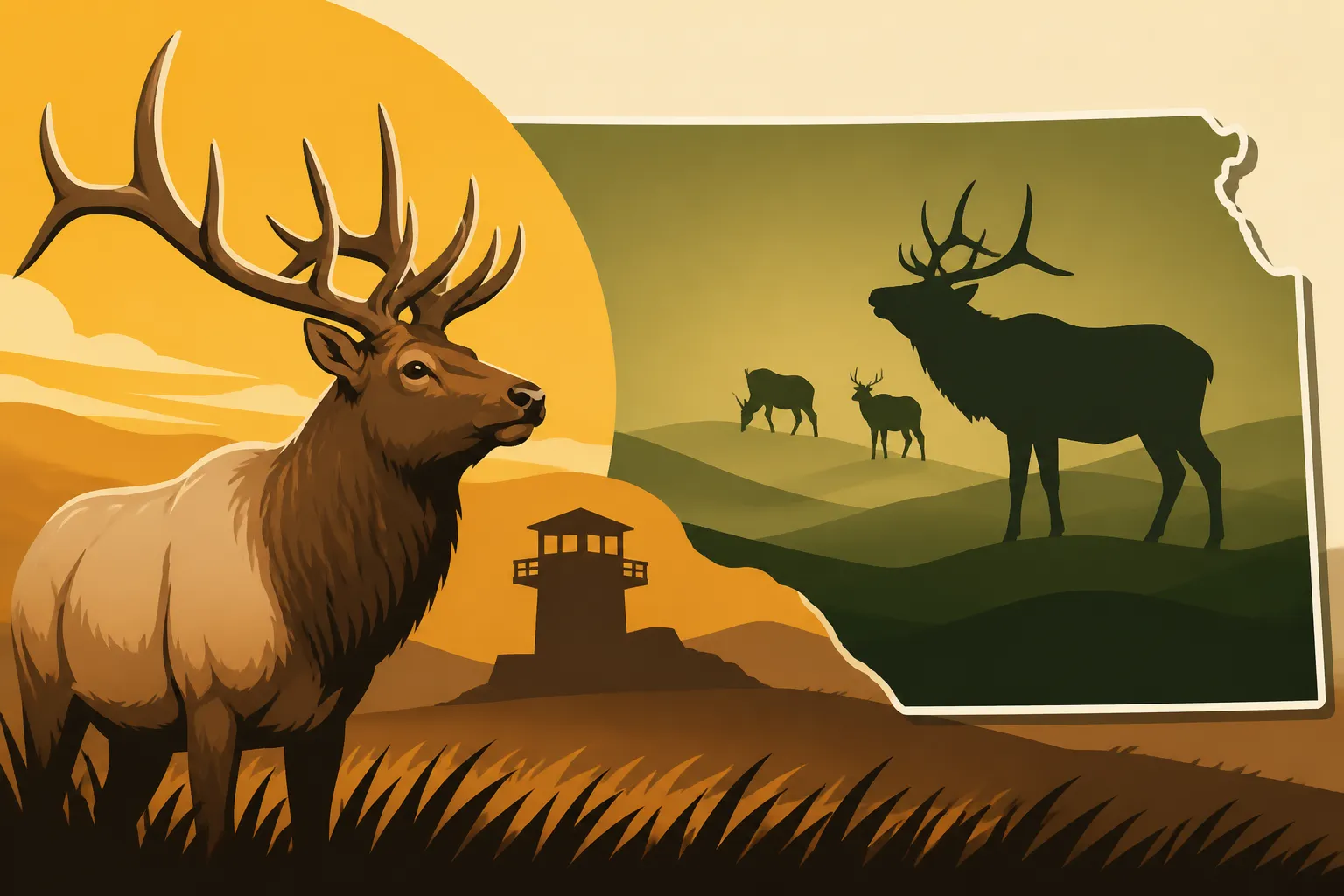
When you picture Kansas, you probably think of whitetail deer, pheasants, and perhaps even some impressive Rio Grande turkeys. Elk rarely enter the conversation for most hunters, even those familiar with other western states. Yet, against all odds, a wild elk herd has managed to establish a foothold and persist in the heart of the Flint Hills, with its epicenter being the vast lands of Fort Riley. It's a testament to the adaptability of these animals and the unique conditions the military installation provides.
Historical Context of Kansas Elk
Believe it or not, elk were once native to Kansas, roaming the vast grasslands and timbered river bottoms centuries ago. These magnificent creatures were an integral part of the prairie ecosystem, but like so many other large game species, they were extirpated from the state by the late 19th century due to unregulated hunting and habitat loss as European settlers moved westward. For decades, Kansas was void of wild elk.
The reintroduction story is a fascinating one, though it wasn't a formal statewide effort like some other states experienced. The current wild herd in Kansas is believed to be primarily descended from animals that escaped from private game farms in the mid-20th century. These hardy individuals found refuge and ideal conditions within the expansive and relatively undisturbed boundaries of Fort Riley, where they were able to reproduce and slowly expand their numbers, forming the foundation of the population we see today.
Why Fort Riley Became an Elk Hub
Fort Riley offers a unique combination of factors that make it an ideal sanctuary for elk in a state not typically known for them. First and foremost is its sheer size; as a major military training installation, it encompasses tens of thousands of acres of diverse habitat. This includes large tracts of native tallgrass prairie, timbered river bottoms along the Kansas River and its tributaries, and agricultural fields bordering the military grounds. This mosaic of habitat provides excellent forage, cover, and water sources essential for elk survival and thriving.
Beyond the habitat, the restricted public access to much of Fort Riley plays a crucial role. Military operations mean that large portions of the post are often closed off to civilian traffic and development, creating a significant buffer from human disturbance. This low human pressure allows elk to establish natural patterns, calve, and forage with minimal disruption, contributing to a more stable and less stressed herd. It's an unintentional, yet highly effective, wildlife preserve right in the middle of Kansas.
Understanding Kansas Elk Management and Population Estimates
Managing a large, free-ranging game animal like elk within a state predominantly known for smaller game and whitetails presents a unique set of challenges. The Kansas Department of Wildlife and Parks (KDWP) works closely with Fort Riley's natural resources staff to monitor, manage, and regulate the elk population, ensuring its health and providing limited, highly sought-after hunting opportunities. This collaboration is crucial for the long-term success of the herd.
The Role of KDWP and Fort Riley in Elk Management
KDWP is the state agency responsible for wildlife management across Kansas, and that includes the small but significant elk population. They establish hunting regulations, conduct population surveys, and issue permits. However, because the primary herd resides on federal land, Fort Riley's Directorate of Public Works, Environmental Division, plays an equally vital role. They manage the habitat on the military installation, conduct their own surveys, and coordinate directly with KDWP to ensure management goals align.
This cooperative approach is essential for tracking herd health, understanding movement patterns, and making informed decisions about harvest quotas. Biologists from both entities conduct aerial surveys, ground observations, and utilize GPS collaring studies to gather data on herd size, cow-to-calf ratios, and bull-to-cow ratios. The data collected from these ongoing efforts forms the backbone of their adaptive management strategies, aiming to maintain a healthy and sustainable population within the available habitat.
Current Elk Numbers and Trends Around Fort Riley
Estimating precise elk numbers can always be a bit tricky, especially for a free-ranging herd that can move between military and private lands, but KDWP and Fort Riley continuously work to provide the most accurate figures. While the population fluctuates year to year due to various factors like calf survival, harvest, and occasional dispersal, the general consensus is that the Fort Riley herd typically hovers in the range of 100-200 animals. This makes it a relatively small population compared to those in traditional elk states, but a significant one for Kansas.
In recent years, the trend has largely been one of stability, though there are always variations. Management efforts focus on maintaining a healthy age structure and preventing overpopulation, which could lead to habitat degradation or increased conflict with private landowners adjacent to the post. The limited hunting opportunities are designed to keep the herd within ecological carrying capacity while allowing for some mature bulls to develop, adding to the trophy potential that draws hunters to apply for these rare permits.
Factors Influencing Elk Health and Distribution
The health and distribution of the Fort Riley elk herd are a direct result of the interplay between their environment, management practices, and natural factors. Understanding these elements is key to appreciating why the elk persist here and what challenges they face in maintaining a presence in a state not traditionally known for them. It's a delicate balance that biologists strive to maintain.
Habitat Quality and Forage Availability
The diverse landscape of Fort Riley provides excellent habitat, but certain aspects are particularly critical for elk. The vast tracts of native tallgrass prairie offer abundant forage, especially during the spring and summer months when elk are building reserves and cows are nursing calves. These grasses, combined with the forbs and browse found in the timbered areas, provide a varied and nutritious diet throughout the year. The rolling terrain and scattered timber also provide crucial cover for bedding and thermal regulation, especially during harsh Kansas winters or hot summers.
Water availability is another non-negotiable factor. The Kansas River, along with numerous smaller creeks and drainages that crisscross Fort Riley, ensures a constant water supply. Elk are water-dependent animals, and reliable sources are vital for their health and survival. The presence of both upland prairie and accessible water in the river bottoms allows the elk to utilize different parts of their range throughout the seasons, adapting to changing forage conditions and weather patterns. You can often find deer and elk alike in these vital river bottom areas, making them critical for species like whitetails and deer.
Impact of Hunting Pressure and Disease
Given the limited size of the Kansas elk herd, hunting pressure is tightly controlled to ensure sustainability. KDWP issues a very small number of permits each year, usually fewer than 20 for the entire state, with the majority allocated specifically for Fort Riley. This highly regulated harvest is designed to target specific age classes or sexes (often antlerless elk to control herd growth) and prevent over-harvesting, which could quickly decimate such a small population. The goal is to allow for some recreational opportunity while prioritizing the long-term health of the herd.
Like all wild populations, Kansas elk are susceptible to diseases. Chronic Wasting Disease (CWD), a neurological disease found in deer, elk, and moose, is a persistent concern. While the prevalence rate in elk is typically lower than in deer, KDWP conducts surveillance and testing to monitor for CWD within the herd. Other potential health issues include EHD (Epizootic Hemorrhagic Disease), although elk are generally less impacted by EHD than whitetails. The dispersed nature of the herd and constant monitoring help mitigate large-scale disease outbreaks, but it remains a continuous management consideration to ensure the long-term viability of the herd.
Hunting Opportunities and Permit Systems
For many hunters, the very idea of hunting elk in Kansas is a fantasy. However, for a fortunate few, it becomes a reality each year through one of the toughest draws in the nation. The permit system is designed to be extremely restrictive, reflecting the small population, and ensures that the harvest remains sustainable while offering a truly unique hunting experience.
The Highly Coveted Fort Riley Elk Permits
The primary elk hunting opportunities in Kansas are concentrated around Fort Riley, and these permits are notoriously difficult to draw. KDWP offers a limited number of "Either-Sex" and "Antlerless-Only" permits specifically for Fort Riley each year, usually through a lottery drawing. Non-residents face even longer odds, as the majority of permits are reserved for Kansas residents. It's common for applicants to accumulate many preference points over several years, or even decades, before finally drawing a tag. Resources like GoHunt can provide valuable insights into draw odds and help applicants strategize their approach, though even with their tools, success is far from guaranteed.
The application period typically runs in the spring, and successful applicants are notified later in the summer. Hunters drawn for Fort Riley permits then have to navigate the military installation's specific hunting regulations, which are often more stringent and dynamic than standard KDWP rules. This includes specific access points, safety briefings, and checking in and out with range control. It's a unique process that demands careful planning and adherence to military protocols, but the reward of pursuing a wild elk in Kansas is an experience unlike any other. For more details on the application process, consider reading our guide on Kansas Elk Permits and Fort Riley Hunts.
Other Elk Hunting Zones in Kansas
While Fort Riley is the main stage for Kansas elk, KDWP does recognize other management units with small, free-ranging elk populations, primarily Unit 2 and Unit 3. These areas are typically in western Kansas, where small groups of elk have either dispersed from larger herds in neighboring states or are remnants of other escapees. The populations in these units are even smaller and more sporadic than Fort Riley, making permits incredibly rare and drawing odds astronomical.
Unit 2 and Unit 3 permits are also issued via a lottery system, often with only one or two tags available statewide for these zones in a given year, if any. Unlike Fort Riley, hunting in these units takes place primarily on private land, requiring hunters to secure permission from landowners. This adds another layer of complexity to an already challenging hunt. While the dream of drawing a tag for these "other" units is even more remote, it speaks to the fact that elk, though few in number, are spread across various corners of the Sunflower State, making the overall story of Kansas Elk Herd History even more interesting. For those considering an antlerless tag, our post on Kansas Antlerless Hunts and Filling the Freezer might offer some transferable strategies, even if specific to deer.
Below is a table comparing the general characteristics of Kansas's main elk units:
| Elk Unit | Primary Location | Estimated Herd Size | Permit Availability | Permit Type | Draw Difficulty (Residents) | Key Challenge |
|---|---|---|---|---|---|---|
| Unit 1 (Fort Riley) | Geary/Riley County | 100-200 | Very Limited | Either-Sex, Antlerless | Extremely High | Military Access/Rules |
| Unit 2 | Western Kansas | Very Small (Sporadic) | Extremely Rare | Either-Sex, Antlerless | Astronomical | Private Land Access |
| Unit 3 | Western Kansas | Very Small (Sporadic) | Extremely Rare | Either-Sex, Antlerless | Astronomical | Private Land Access |
Note: Permit numbers and draw odds are subject to annual changes by KDWP.
Challenges and Future Outlook for Kansas Elk
The presence of wild elk in Kansas is a conservation success story, even if it's on a smaller scale than other states. However, maintaining this herd comes with its own set of challenges, from balancing hunting demand with conservation to ensuring long-term habitat viability. The future of these magnificent animals in the Sunflower State depends on ongoing management, public cooperation, and dedicated conservation efforts.
Balancing Conservation with Public Access
One of the perpetual tightropes KDWP and Fort Riley walk is balancing the desire for public hunting access with the imperative to conserve a relatively small elk population. The demand for elk permits far outweighs the supply, creating intense competition and often disappointment for many hopeful hunters. The decision-making process involves careful consideration of biological data, habitat conditions, and the social aspects of hunting. The goal is to provide a high-quality, fair chase opportunity for a limited number of hunters without jeopardizing the herd's genetic health or overall population stability.
Furthermore, managing elk on and around a military installation adds layers of complexity. The military's primary mission always takes precedence, meaning hunting seasons or access can be adjusted or curtailed at short notice due to training exercises. This dynamic environment requires flexibility from both the management agencies and hunters. Efforts are continuously made to secure and maintain habitat on the post, which in turn supports the elk. This dedicated approach helps sustain the population, similar to how sound strategies are vital for Hunting Kansas Walk-In Land Without Burning It Out for other species.
The Role of Public Awareness and Support
The future of Kansas elk heavily relies on public awareness and support, both from hunters and non-hunters alike. Understanding that elk exist and are a valuable part of the state's wildlife heritage helps foster appreciation and reduces potential conflicts. For hunters, this means adhering strictly to regulations, respecting private land boundaries, and educating others about responsible hunting practices. It also involves acknowledging the value of preference points for these rare opportunities, as outlined in Kansas Preference Points Explained.
Conservation groups, local communities, and landowners all have a part to play. Continued land management practices that enhance habitat, such as prescribed burns in the Flint Hills or maintaining riparian corridors along rivers, benefit elk and many other species. Reporting unusual elk sightings, disease concerns, or poaching activities to KDWP helps biologists stay informed about the herd's condition and distribution. This collective stewardship is what will ensure that future generations can continue to marvel at the sight of wild elk bugling across the Kansas landscape. Understanding game species, such as Why Kansas Grows Trophy Whitetails, also helps create a broader conservation ethic.
Disclaimer
The information provided in this guide is for general informational purposes only and does not constitute legal advice. Hunting regulations, season dates, permit application periods, and fees are subject to change by the Kansas Department of Wildlife and Parks (KDWP) and Fort Riley authorities. Always consult the official KDWP hunting regulations and Fort Riley hunting guidelines directly before planning any hunting activities.