Kansas Elk Unit 2 Draw
Trying to navigate the complex world of Kansas elk permits, especially for something as elusive as Unit 2, can feel like you're searching for a needle in a haystack. It’s a common frustration for hunters, both resident and nonresident, who dream of chasing an elk in the Sunflower State, only to be met with confusing draw odds and tight regulations. This guide is here to unravel the mystery of the Kansas Elk Unit 2 draw, walking you through everything you need to know from application to preparation.
Understanding Kansas Elk Unit 2 and Its Unique Appeal
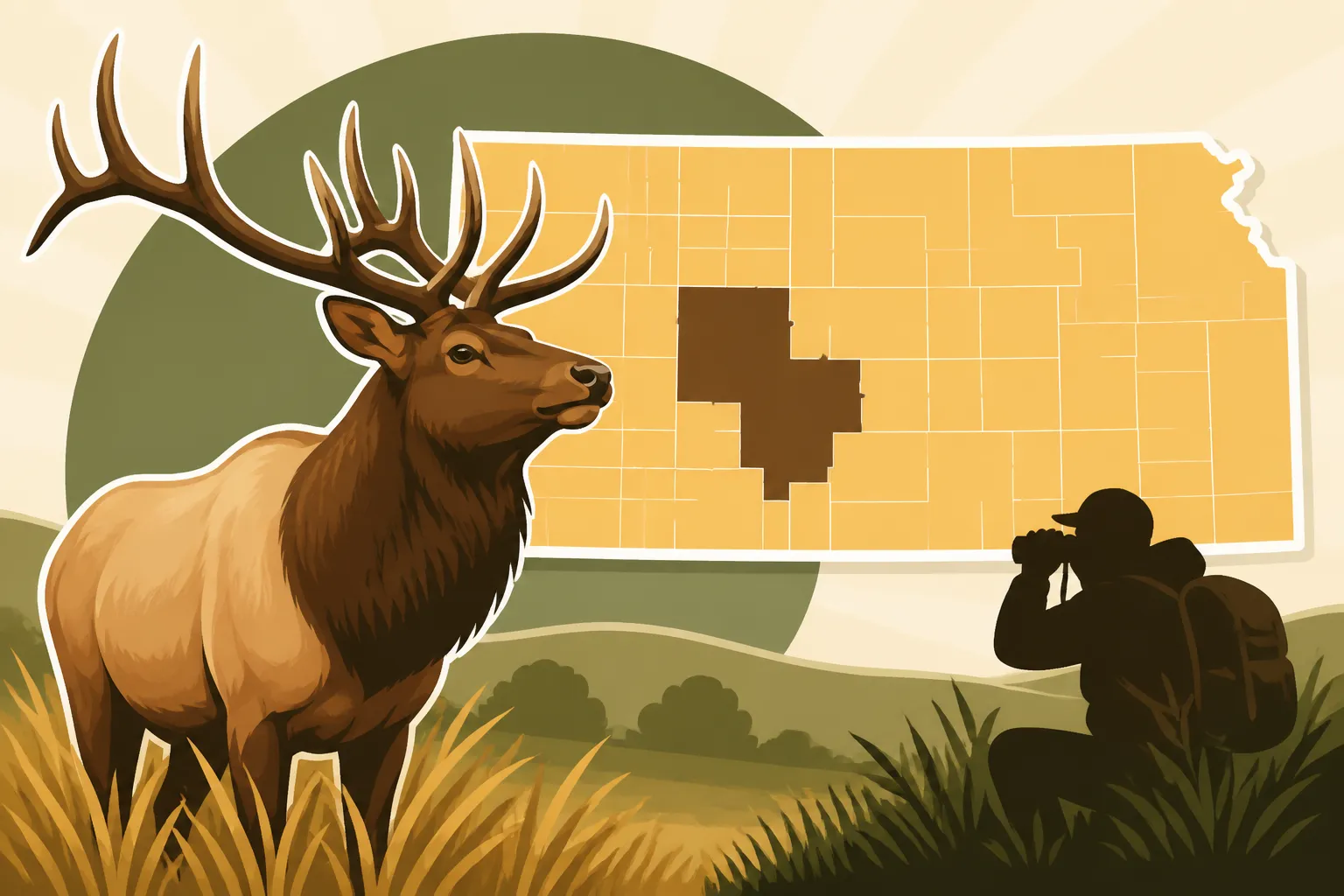
Kansas isn't exactly renowned as a premier elk hunting destination like some of its western neighbors, and that's precisely what makes the limited opportunities here so special and highly sought after. Unlike the more publicized, and often military-restricted, Fort Riley elk hunts, Unit 2 encompasses a vast majority of the state outside of that specific military installation. This unit is where most of the free-ranging elk reside, offering a true big game hunting experience that's incredibly rare.
What draws hunters to Unit 2, despite the notoriously low draw odds, is the sheer challenge and the unique bragging rights. Imagine successfully drawing a tag and then pursuing an elk in the expansive agricultural landscapes and river bottoms of Kansas. It’s a hunt that tests patience, scouting skills, and persistence, far removed from the mountainous terrains typically associated with elk. For many, it's the ultimate local pursuit, a chance to take an impressive animal in their home state or a neighboring one, without the hassle of a cross-country trip. The population isn't huge, but the presence of any elk is enough to ignite the passion of many a hunter.
Navigating the Application Process for a Unit 2 Permit
Getting your name in the hat for a Kansas Elk Unit 2 permit requires careful attention to detail and strict adherence to the Kansas Department of Wildlife and Parks (KDWP) regulations. This isn't a draw you want to miss because of a technicality.
Eligibility and General Requirements
First and foremost, you'll need a valid Kansas hunting license. Whether you're a resident or a nonresident, this is your foundational step. Residents generally have a better chance in the draw and lower permit fees, but nonresidents are not entirely excluded, though their odds are significantly lower. Before you even think about the elk permit, ensure your Kansas Hunter Education and Licensing Basics are covered. If you're a first-time applicant or haven't hunted Kansas before, understanding the full scope of requirements is essential.
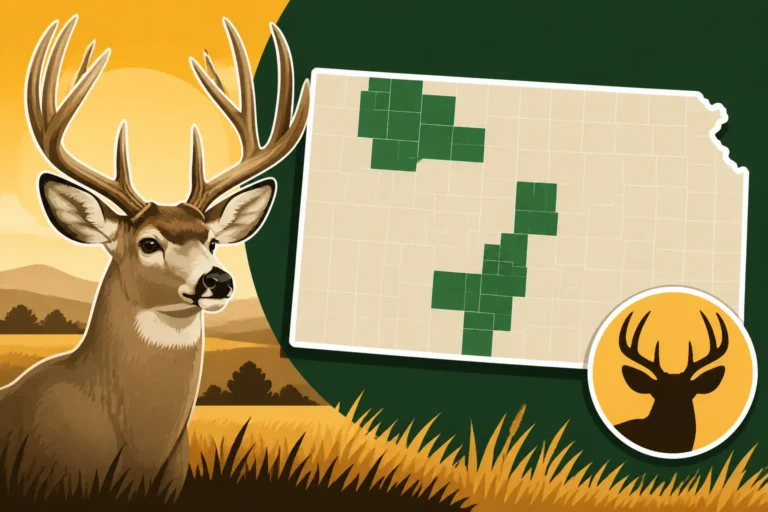
There are specific permit categories within Unit 2. Typically, these include "Any Elk" permits, which allow you to harvest a bull, cow, or calf, and "Antlerless Elk" permits, restricting you to females or calves. The "Any Elk" permits are by far the most difficult to draw, often with single-digit numbers issued statewide for Unit 2. The KDWP defines the Kansas Elk Unit Boundaries, so it's critical to know precisely where you can hunt if successful. Keep in mind that elk in Kansas, beyond Fort Riley, can be highly transient, making scouting even more important.
Key Dates and How to Apply
The application window for Kansas elk permits usually opens in May and closes in early June. Missing this short window means waiting another year, so mark your calendar! All applications are processed online through the KDWP website. You’ll need to create an account or log in to the Go Outdoors Kansas portal. This system is fairly straightforward, but double-checking all your information before submission is crucial.
During the application, you'll select your desired permit type (e.g., Unit 2 Any Elk, Unit 2 Antlerless Elk) and indicate whether you wish to purchase a preference point if unsuccessful. We'll delve deeper into preference points shortly, but this is a critical choice. The Kansas Application Fee and Refund Rules are important to understand; while you might get a refund on the permit cost if unsuccessful, the application fee itself is usually non-refundable. For nonresidents, the total cost for a hunting license and an elk permit can be substantial, so ensure you budget accordingly. You can find detailed breakdowns on Kansas Hunting Licence and Permit Costs.
Maximizing Your Chances: Draw Odds and Preference Point Strategy
Let's be realistic: drawing a Kansas Elk Unit 2 permit is exceptionally tough. It's often referred to as a "once-in-a-lifetime" draw, and for good reason. The number of permits issued is extremely low, reflecting the limited Kansas Elk Herd History and the KDWP's conservative management strategies to maintain a healthy, viable population.
Understanding Preference Points
Kansas uses a preference point system for its elk draw, which is a bit different from how it works for deer. For elk, if you apply for a permit and are unsuccessful, you can choose to receive a preference point. These points accumulate, and each point gives you an additional entry into the drawing, theoretically increasing your odds over time. However, it's not a true bonus point system where points are squared, nor is it a guaranteed draw after a certain number of points. It simply means you have more "tickets" in the hat.
The Kansas Preference Point Cost and Expiry are important considerations. You can also opt to purchase a preference point outright without applying for a permit, which is a good strategy for those who know they can't hunt this year but want to start building points for the future. The trade-off is that you forgo the chance to draw in the current year. Because the "Any Elk" Unit 2 tags are so few, accumulating points can feel like a very long game. It's not uncommon for hunters to apply for a decade or more without drawing. For tools that help analyze draw odds in other states, resources like GoHunt provide valuable insights, though Kansas-specific elk draw data can be more elusive due to the low numbers.
Realistic Expectations and Long-Term Strategy
Given the incredibly low draw odds, approaching the Kansas Elk Unit 2 draw requires a healthy dose of realism. This is not a draw where you can expect success quickly. Your long-term strategy should likely involve consistently applying, either for the permit directly or just purchasing a preference point each year, to slowly build up your number of entries.
It's wise to research the prior year's draw results, which KDWP often publishes, to get a sense of the number of applicants versus permits issued. This will underscore just how challenging it is. Don't be discouraged if you don't draw; it's the norm rather than the exception. Consider it a long-term investment in a truly unique hunting opportunity. For those who enjoy planning and strategizing, analyzing the draw patterns and understanding the unit dynamics can be a rewarding part of the process itself, even before a tag is in hand. GoHunt has sophisticated tools for other species and states, which can inspire a similar analytical approach for Kansas, even if the data is less robust.
Preparing for Your Hunt After Drawing a Unit 2 Tag
Congratulations, you've beaten the odds and drawn a Kansas Elk Unit 2 permit! This is an incredible achievement, and now the real work begins. Unlike a whitetail hunt, elk hunting in Kansas is a different beast entirely.
Pre-Season Scouting and Intelligence Gathering
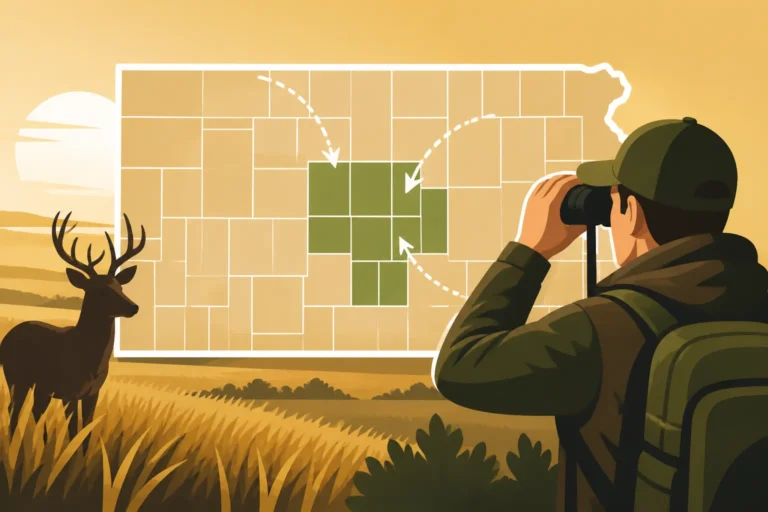
Elk in Unit 2 are free-ranging and can cover a tremendous amount of ground. They are not confined like those in a specific military zone like Fort Riley. Your scouting efforts need to be extensive and strategic. Start by pouring over aerial maps and public land access maps. While most of Unit 2 is private, there are scattered public land opportunities, including Walk-In Hunting Access (WIHA) tracts, and some State Wildlife Areas that may occasionally host elk. Utilizing tools like onX Hunt or even GoHunt's mapping features can be invaluable for E-Scouting Kansas Farm Country From Home. Look for large tracts of timber, river bottoms, and areas with consistent water sources, as these are natural elk magnets in the plains.
If you drew a bull tag, understanding general Kansas Elk Herd History and typical bull behavior in a plains environment is key. They might not bugle like their mountain cousins, or their vocalizations might be less frequent due to lower densities and different habitat. Locating fresh sign – tracks, scat, rubs, and wallows – is paramount. This isn't a hunt where you can just show up on opening day and expect success; it demands dedicated legwork. Remember, Finding Private Land Access in Kansas will likely be a major part of your strategy, as much of Unit 2 is privately owned. Start knocking on doors early, well before the season.
Regulations and Field Considerations
Once you have that Unit 2 tag in hand, familiarize yourself with all the specific regulations for the season. This includes legal hunting hours, tagging requirements, and any special restrictions that might apply to elk. Since elk are massive animals, having a plan for recovery is crucial. Unlike a deer, you simply cannot drag an elk out of a creek bottom alone. Consider having a hunting partner or a team to help with field dressing and extraction. The KDWP regulations summary will detail all harvest reporting procedures, which are mandatory.
Additionally, plan for meat care. Kansas weather, especially during early seasons, can be warm, and you'll need to cool down an elk quickly to preserve the meat. Think about coolers, ice, and quick transport to a locker plant or processing facility. This is a big game hunt, and treating it with the respect it deserves means being fully prepared for the moments after the shot.
| Permit Type | Estimated KDWP Cost (Resident) | Estimated KDWP Cost (Nonresident) | Draw Difficulty (Unit 2) | Typical Hunt Dates |
|---|---|---|---|---|
| Any Elk (Bull/Cow/Calf) | ~$300-$325 | ~$600-$625 (plus license) | Extremely High | Mid-October to Mid-December |
| Antlerless Elk | ~$275-$300 | ~$550-$575 (plus license) | Very High | Mid-October to Mid-December |
| Preference Point (Annual) | ~$15 | ~$15 | N/A (point purchase) | Application Window (May-June) |
Note: Costs are approximate and can change. Always check the official KDWP website for the most current fees and season dates.
Disclaimer
The information provided in this guide is for general informational purposes only and is subject to change. Hunting regulations, season dates, and permit costs are determined by the Kansas Department of Wildlife and Parks (KDWP) and can be updated annually. Hunters are responsible for consulting the official KDWP website and current hunting regulations brochure before applying for any permits or heading afield. Always prioritize safety and ethical hunting practices.