Kansas Antlerless Deer Permits
There’s nothing quite like the feeling of extending your deer season, is there? For many of us, after the excitement of chasing a mature buck, the thought of putting more delicious, organic venison in the freezer is incredibly appealing. But getting another deer often means navigating the complex world of permits and regulations, which can feel like trying to solve a puzzle while a ten-pointer walks by. This guide is here to untangle the specifics of Kansas antlerless deer permits, helping you understand how to obtain them, where to use them, and why they’re such a valuable tool for hunters and herd managers alike.
Understanding Kansas Antlerless Deer Permits
For many hunters, the focus naturally gravitates towards big antlers and the challenge of outsmarting a mature buck. But when it comes to managing deer populations, providing additional hunting opportunities, and filling the freezer with high-quality protein, the unsung hero is often the antlerless deer permit. These permits are a crucial part of wildlife management, and understanding them is key to maximizing your hunting season in Kansas.
What Exactly is an Antlerless Permit?
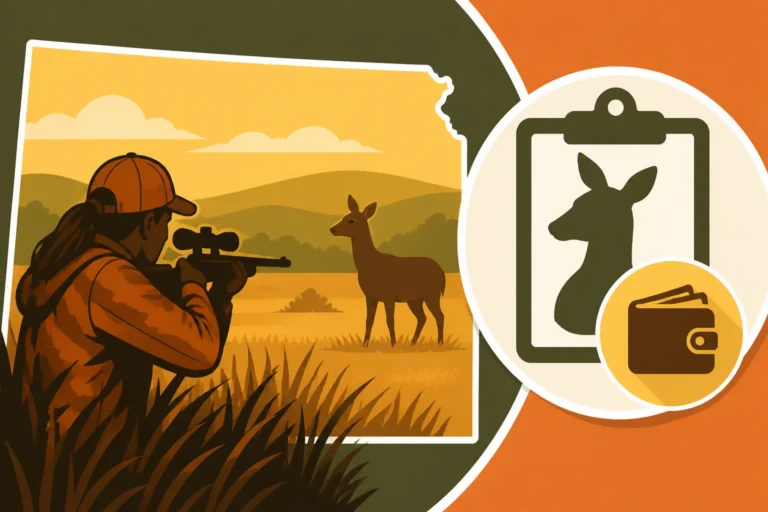
An antlerless deer permit, sometimes colloquially referred to as a "doe tag," is precisely what it sounds like: a permit that allows a hunter to harvest a deer that does not have antlers, or has antlers less than five inches in length, as defined by Kansas law. This distinction is vital because it specifically targets female deer (does) and occasionally young bucks that haven't developed significant antlers yet. These permits exist primarily for herd management, aiming to control deer populations, balance sex ratios, and alleviate agricultural damage in areas where deer numbers are high.
Unlike the highly sought-after "either-sex" or "any-deer" permits that allow you to take any deer regardless of antler size, antlerless permits are focused solely on the female segment of the herd. They are a direct tool for KDWP (Kansas Department of Wildlife and Parks) to fine-tune deer populations unit by unit. For the hunter, it translates to additional opportunities beyond your primary buck tag, allowing you to spend more time in the woods and bring home more venison. There's often a common misconception that an "antlerless" permit means you can only shoot a doe. While it's true most deer harvested on these tags are does, legally, it just means a deer without visible antlers or antlers less than five inches. Always double-check your target before pulling the trigger to ensure it meets the legal definition.
Why Pursue Antlerless Deer in Kansas?
The motivations for pursuing antlerless deer are multi-faceted, offering significant benefits to both the individual hunter and the broader deer herd and ecosystem. For the hunter, the most immediate and tangible benefit is undoubtedly the venison. An antlerless deer provides a substantial amount of lean, healthy meat, perfect for everything from steaks and roasts to ground venison and jerky. This can significantly reduce your grocery bill and connect you more deeply with your food source.
Beyond the dinner plate, antlerless hunts offer extended season opportunities. Often, antlerless permits are available later in the season or during specific management hunts when buck tags might be filled or unavailable. This means more time afield, honing your skills, scouting new areas, and simply enjoying the outdoors during periods of lower hunting pressure. It’s a fantastic way to introduce new hunters, especially youth, to deer hunting, as the pressure to find a "trophy" is removed, allowing them to focus on ethical harvest and the overall experience. From a biological standpoint, harvesting does is crucial for maintaining a healthy and balanced deer population. Unchecked doe numbers can lead to overpopulation, resulting in habitat degradation, increased spread of diseases like EHD or CWD, and an imbalanced buck-to-doe ratio. By participating in antlerless hunts, hunters actively contribute to the ecological health of Kansas's deer herds, ensuring a sustainable future for the species and the sport we love.
Key Differences from Other Deer Permits
Navigating the world of Kansas deer permits can sometimes feel like trying to read a foreign language, especially when you start comparing the different types available. Antlerless permits stand distinctively apart from your primary "whitetail deer" or "either-sex" permits in several crucial ways. The most fundamental difference is the harvest restriction: your primary permit often allows you to take either an antlered or antlerless deer, or specifically an antlered deer, depending on its type. An antlerless permit, as we've discussed, strictly limits your harvest to a deer that is indeed antlerless. This means you can't use an antlerless permit to tag that 10-point buck you've been chasing all season.
Crucially, antlerless permits do not count towards the "one buck" rule. In Kansas, hunters are generally restricted to harvesting only one antlered deer per year, regardless of how many permits they possess. Antlerless permits offer additional harvest opportunities beyond that single antlered deer. This is fantastic news for dedicated hunters looking to maximize their venison supply or simply spend more time hunting. For non-residents, these permits might have different availability windows or even higher costs compared to residents. While you might apply for an Kansas Either-Species Deer Permits in the general draw, the antlerless-only tag is a separate purchase, often over-the-counter after the main draw, specifically designed for population control. The Kansas Department of Wildlife and Parks strategically issues these permits to manage localized deer populations, address agricultural damage, and ensure a healthy buck-to-doe ratio, particularly in units with high deer densities. Therefore, they serve a distinct, complementary role to your primary deer tags, offering flexibility and additional opportunity without impacting your ability to pursue a trophy buck.
Eligibility and Application Process for Antlerless Permits
Thinking about adding an antlerless permit to your Kansas hunting plans? That’s a smart move! But before you start scouting for doe bedding areas, it’s essential to understand who can get these permits and the steps involved in securing one. Kansas has a pretty clear system, but missing a detail can mean missing out on an opportunity.
Who Can Apply for Antlerless Permits?
When it comes to Kansas antlerless deer permits, eligibility can vary slightly depending on your residency status. For Kansas residents, the process is generally more straightforward and offers broader access. Residents typically have multiple opportunities to purchase these permits, often over-the-counter (OTC) after the main deer draw, or during specific management seasons. You will, of course, need a valid Kansas hunting license to even consider applying for or purchasing any deer permit. Junior hunters, those under the age of 16, also have opportunities, often with special youth-only seasons where antlerless permits play a significant role in providing an easier, less pressured hunting experience to learn the ropes.
For non-residents, the rules can be a bit more restrictive. While non-residents can certainly obtain antlerless permits, they are usually only available after the primary non-resident draw results are released, and often are only offered as leftover permits if quotas aren't met by residents. Sometimes, specific units might have non-resident antlerless permits available, but it’s less common for non-residents to purchase them directly OTC right from the start of the season like residents. The key takeaway for non-residents is to pay close attention to the KDWP regulations summary each year, as availability can change. Landowners and tenants often have specific permit options tailored to their property, which may include special antlerless considerations, but generally, the statewide antlerless permits are open to any licensed hunter, regardless of property ownership, within the established guidelines.
When and How to Apply
The "when" and "how" of applying for Kansas antlerless permits are crucial details that often trip up even seasoned hunters. Unlike the main deer draw, which has a very specific Kansas Deer Application Window in April, antlerless permits typically become available later in the year. For residents, many antlerless permits are sold over-the-counter starting in late summer or early fall, often right before the archery season kicks off. This allows hunters to assess their needs after the primary draw results are out and plan for additional hunts. These are usually purchased directly through the KDWP website via the Go Outdoors Kansas portal. This user-friendly online system makes it relatively simple to find and purchase the permits you need once they become available.
For non-residents, if antlerless permits are made available, they are usually offered much later in the year, often after all resident opportunities have been exhausted, or they might be included as an option during the draw for certain multi-species permits. It’s less common for non-residents to have the same broad over-the-counter access for antlerless permits as residents, but it does happen if specific unit quotas aren't met. It’s absolutely vital to check the KDWP regulations summary released annually, as exact dates and availability can fluctuate. You’ll find details on specific application periods for all weapon types – archery, muzzleloader, and firearm – indicating precisely when and where you can secure these valuable tags. The KDWP website is your best friend here, as it will list current availability and the exact process for purchasing.
Permit Costs and Quantity Limitations
Let's talk brass tacks: what do these permits cost, and how many can you actually get your hands on? The Kansas Antlerless-Only Permit Cost is generally quite reasonable, especially when compared to the price of a primary either-sex or antlered deer tag. For Kansas residents, the cost of an antlerless permit is typically set to encourage participation in herd management, making it an affordable option for filling the freezer. Non-resident antlerless permits, if available, will likely be higher, reflecting the tiered pricing structure for out-of-state hunters.
The quantity of antlerless permits a hunter can purchase is another important consideration. While there's usually a limit on how many primary buck tags you can hold, KDWP often allows hunters to purchase multiple antlerless permits. However, this isn't an unlimited free-for-all. There are generally statewide bag limits, and often, unit-specific quotas. For example, a hunter might be able to purchase up to five antlerless permits statewide, but a specific deer management unit might only allow for two antlerless deer to be harvested per hunter. These limits are put in place to ensure responsible management and prevent over-harvest in certain areas, while still providing ample opportunity in others. It’s paramount to understand both the statewide limits on How Many Antlerless Permits Kansas Allows and any additional unit-specific restrictions. These details are clearly outlined in the annual Kansas Hunting & Trapping Regulations Summary, which you should review thoroughly before planning your hunt. Always remember that purchasing a permit doesn't guarantee availability in your desired unit, as some of the more popular units might sell out quickly.
| Permit Type | Resident Cost (Approx.) | Non-Resident Cost (Approx.) | Purchase Method | Quantity Limit (per hunter) | Primary Purpose |
|---|---|---|---|---|---|
| Antlerless-Only | $37.50 | $102.50 | OTC/Draw (late) | Varies by Unit (e.g., 2-5) | Population Control, Venison, Extended Season |
| Whitetail Deer | $42.50 | $347.50 | Draw | 1 (antlered) | Trophy/Recreational |
| Either-Species | $42.50 | $347.50 | Draw | 1 (antlered/antlerless) | General Deer Hunt (Whitetail/Mule Deer) |
| Junior Antlerless | $12.50 | N/A (Youth Combo) | OTC/Youth Season | Varies | Youth Opportunity, Population Control |
Note: Costs are approximate and subject to change by KDWP annually. Always check current regulations for exact pricing and availability.
Seasons and Units for Antlerless Hunting
One of the great advantages of antlerless deer permits in Kansas is the flexibility they offer throughout different hunting seasons and across various units. This flexibility is a direct result of KDWP's efforts to provide diverse opportunities while effectively managing deer populations.
General Antlerless Season Dates
Antlerless hunting isn't confined to a single narrow window; rather, it's woven into the fabric of Kansas's established deer seasons. This means you can pursue antlerless deer with a bow, muzzleloader, or firearm during their respective open periods, provided you have the correct permit for that unit and weapon. For instance, you can typically harvest an antlerless deer during the entire archery season, which generally runs from mid-September through December 31st. This offers a fantastic chance to fill your freezer early or enjoy some late-season bowhunting.
Muzzleloader season, usually in September, also permits antlerless harvest, often coinciding with warm weather, which makes early Getting a Deer Cooled in September a critical consideration. The general firearm season in December is, perhaps, the most popular time for antlerless hunting, given the higher success rates associated with modern firearms. However, Kansas also strategically implements specific seasons designed exclusively for antlerless harvest. Keep an eye out for dates related to the Kansas Pre-Rut Antlerless Deer Hunts, which can offer prime opportunities when deer movement is increasing before the full rut. Additionally, some units feature Kansas Extended Antlerless Seasons by Unit, pushing opportunities into January. These late-season hunts can be highly productive, especially when deer are heavily focused on available food sources after the rut.
Unit-Specific Opportunities and Restrictions
Kansas is divided into numerous deer management units, and the availability and quantity of antlerless permits can vary significantly from one unit to another. This unit-specific approach allows KDWP to target areas that require more intensive management due to high deer densities, agricultural damage, or specific population goals. You'll find that certain Kansas Deer Units 1 Through 19 will offer more liberal antlerless opportunities than others. Units in eastern Kansas, for example, often have higher deer populations and more agricultural land, leading to greater antlerless permit availability and extended seasons.
Conversely, units in western Kansas, particularly those with a strong mule deer presence where overall deer densities might be lower, may have fewer antlerless permits or more restrictive seasons. It's crucial to consult the KDWP regulations summary and the Go Outdoors Kansas website to pinpoint which units offer the best antlerless hunting prospects for your desired season. Some units, like Kansas Unit 19 Extended Archery Antlerless or Kansas Unit 12 Extended Antlerless Hunt, have special extended seasons specifically to manage their populations. These extended periods are golden opportunities for hunters looking to add to their venison supply, but you must be certain your permit is valid for that specific unit and extended timeframe. This targeted approach ensures that herd management is effective and localized, helping to balance deer numbers across the state.
Public vs. Private Land Considerations
When planning an antlerless hunt in Kansas, understanding the differences and opportunities on public versus private land is essential. Kansas is known for its vast amount of private agricultural land, but there are still excellent opportunities on Public Hunting Land in Kansas. Programs like Walk-In Hunting Access (WIHA) provide crucial access to private lands leased by KDWP for public hunting, and many of these tracts are prime locations for antlerless deer. Always check the WIHA atlas (available on Go Outdoors Kansas) to find tracts designated for deer hunting and their specific season dates. State Wildlife Areas and Corps of Engineers lands around major reservoirs also offer public hunting grounds, and these can be fantastic spots for antlerless deer, especially during early and late seasons when pressure might be lower.
On private land, the story changes slightly. If you have permission to hunt on private property, your antlerless permit is typically valid, adhering to the statewide and unit-specific regulations. Many landowners are keen on hunters harvesting does, as it helps manage the herd on their property and can reduce crop damage. This often translates to more consistent opportunities, less hunter pressure, and the ability to establish food plots or other habitat improvements. While public land offers democratic access, securing private land access, whether through permission or a lease, can greatly enhance your antlerless hunting success, allowing for more strategic and consistent herd management on that specific parcel. Always ensure you have explicit written permission when hunting private ground in Kansas to avoid any misunderstandings or trespassing issues.
Strategic Considerations for Antlerless Hunters
Hunting antlerless deer might seem simpler than pursuing a mature buck, but successful and ethical antlerless hunting still requires strategy, skill, and an understanding of deer behavior. It's not just about pointing and shooting; it's about making smart decisions that lead to a clean harvest and contribute positively to herd management.
Maximizing Success in the Field
To consistently fill your antlerless tags, you need to think like a deer and adjust your tactics. Unlike buck hunting, where you might focus on rub lines or scrape areas, antlerless hunting often revolves around identifying and patterning doe groups. Does and their fawns, along with younger bucks, typically congregate in areas rich with food and secure bedding cover. Start by scouting for reliable food sources – standing crops like corn or beans, winter wheat fields, or even brushy areas with abundant browse. These are the magnets that will draw does, especially during the colder months when nutritional needs are high.
Once you’ve identified key feeding areas, look for travel corridors leading to and from secure bedding cover, such as thick CRP grass, cedar thickets, or river bottom timber. These funnels are ideal locations for setting up, as you'll likely encounter multiple deer. Patience is truly a virtue here, just as it is when hunting bucks. Set up downwind of anticipated travel routes, maintain strict scent control, and be prepared to sit for extended periods. Focus on identifying mature does; they are the primary breeders, and their harvest has the most significant impact on population control. A good pair of binoculars will be invaluable for discerning age and confirming antlerless status before you even think about raising your weapon.
Best Seasons and Weather for Antlerless Hunting
Choosing the right time to hunt antlerless deer can dramatically influence your success. While permits are available throughout various seasons, some periods offer distinct advantages. The early archery season in September and October provides opportunities when deer are still in their summer patterns, often predictable around specific food and water sources. However, warmer temperatures mean that Field Dressing in Warm Kansas Weather and rapid cooling are critical for meat preservation.
As the season progresses into the pre-rut and rut, deer movement generally increases, making them more visible. This can be a great time to capitalize on the increased activity, but also be mindful that bucks will be more active, requiring careful identification. For sheer consistency, the late firearm and extended antlerless seasons in December and January are often highly productive. Deer are generally in larger groups, focused intensely on calorie-rich food sources as winter sets in. Cold fronts, especially those accompanied by snow, can trigger significant deer movement, making them ideal hunting days. Hunting during these colder periods also simplifies meat care, as natural refrigeration is often at hand. Prioritizing Late-Season Food Source Hunting during these months will yield the best results for antlerless tags. Think standing corn, winter wheat, or brassicas if you're on managed land.
Gear and Tactics for Antlerless Deer
While the gear might be similar to what you’d use for buck hunting, the tactical application for antlerless deer can differ. Your weapon choice – bow, muzzleloader, or rifle – will be dictated by the season you’re hunting, but all are effective. Regardless of your chosen tool, ensure it's sighted in perfectly and you're comfortable with ethical shot placement. Optics, specifically a good pair of binoculars, are non-negotiable for identifying deer at a distance and confirming they are indeed antlerless.
Stand placement for antlerless hunting often shifts from specific buck hot spots to more general high-traffic areas where doe groups frequent. This might mean setting up along the edge of a large crop field, overlooking a major trail system between bedding and feeding, or near a reliable water source. Ground blinds can be exceptionally effective for antlerless hunting, especially in open Kansas country where natural cover might be sparse. They offer concealment, scent containment, and comfort for long sits, which can be crucial for encountering multiple deer. While less common, doe bleat calls can sometimes be effective at drawing in curious does, especially younger ones. Scent control remains paramount, as doe groups are often incredibly vigilant and wary. Focus on being quiet, still, and always playing the wind, whether you’re hunting a small timber patch or a sprawling field edge.
Ethical Considerations and Herd Management
Beyond the thrill of the hunt and the bounty of venison, antlerless deer hunting carries a significant responsibility. It's a critical component of ethical hunting and sound wildlife management, directly influencing the health and sustainability of Kansas's deer herds for generations to come.
The Importance of Doe Harvest
The harvest of does is arguably the most impactful tool in a wildlife manager's arsenal for maintaining healthy deer populations. It directly influences the future fawn crop, essentially turning down the "spigot" of new deer entering the population. When doe numbers become too high, several detrimental consequences can arise. Overpopulation leads to increased competition for food resources, resulting in stunted antler growth in bucks, lower body weights, and reduced overall health for the entire herd. It can also exacerbate habitat degradation, as deer browse intensely on vegetation, impacting other wildlife species and forest regeneration.
Furthermore, high deer densities facilitate the rapid spread of diseases like Chronic Wasting Disease (CWD) and Epizootic Hemorrhagic Disease (EHD). By strategically harvesting does, hunters help to alleviate these pressures, ensuring a healthier deer herd with a more balanced buck-to-doe ratio. This balance means bucks don't have to work as hard during the rut, improving their physical condition and longevity. Therefore, when you head out with an antlerless permit, you're not just hunting for meat; you're playing an active role in ecological stewardship, helping to ensure the vitality of Kansas's prized whitetail resource. It’s a tangible way to give back to the land and the animals we cherish.
Responsible Hunting Practices
With the responsibility of doe harvest comes the imperative for responsible hunting practices. The first and foremost ethical consideration is positive identification. Always be 100% certain your target is an antlerless deer before taking a shot. In the excitement of the moment, mistaking a spike buck or a young antlered deer for an antlerless one can happen, but it’s crucial to take your time and verify. If there's any doubt, don't shoot. Adhering strictly to bag limits and unit restrictions, as outlined by KDWP, is also non-negotiable. These limits are not arbitrary; they are carefully calculated by biologists to ensure sustainable harvest rates.
Beyond the shot, proper meat care is a cornerstone of responsible hunting. Especially during warmer early-season hunts, prompt and thorough Field Dressing in Warm Kansas Weather is vital to prevent spoilage. Getting the deer cooled down as quickly as possible, whether by quartering or using ice, preserves the quality of the venison. Finally, respect for private property, if you’re hunting on leased or permission ground, and courtesy towards fellow hunters on public land, upholds the positive image of our hunting heritage. Leaving no trace, cleaning up after yourself, and being a good steward of the land are all part of the responsible hunter's creed.
Reporting Your Harvest
Once you've successfully harvested an antlerless deer in Kansas, your responsibility isn't over. Reporting your harvest is a mandatory and critical step in the hunting process, often overlooked by less experienced hunters, but absolutely vital for wildlife management. The Kansas Department of Wildlife and Parks relies heavily on accurate harvest data to make informed decisions about deer populations, permit quotas, and season structures for future years. Without this information, their ability to effectively manage the herd is significantly hampered.
Kansas has made the process straightforward with its Kansas Electronic Deer Check-In system, typically accessible through the Go Outdoors Kansas platform. You'll need to report your harvest within 12 hours of taking the deer and before processing the meat. This usually involves providing details like the permit number, date of harvest, county, and species. Failing to report your harvest can result in penalties, including fines and potential loss of hunting privileges. Beyond the legal obligation, think of it as your final contribution to conservation. Every reported deer contributes to a clearer picture of the state's deer population, ensuring that the hunting opportunities we enjoy today will still be available for our children and grandchildren. It’s a simple, quick step that makes a world of difference for future wildlife management efforts.
Maximizing Your Venison Yield
For many hunters, especially those pursuing antlerless deer, the primary goal is to stock the freezer with lean, healthy venison. Getting the most meat from your harvest involves careful steps from the moment the deer hits the ground until it's packaged and ready for cooking.
Field to Freezer: Initial Steps
The journey from "field to freezer" is critical, and the initial steps are perhaps the most important for ensuring high-quality venison. The first priority after a successful shot is a quick and ethical recovery. The faster you can get to your deer, the better, especially in warmer conditions. Once recovered, proper field dressing must commence immediately. This involves carefully removing the internal organs to allow the carcass to begin cooling down. In warm early-season hunts, dealing with Getting a Deer Cooled in September can be a challenge. If temperatures are high, consider packing the body cavity with ice or, if possible, quartering the deer in the field to expose more surface area to cooling air.
Transporting your deer back to camp or home also requires thought. For smaller antlerless deer, a deer cart can be a lifesaver, especially if you’re hunting on public land with longer packing distances. If you're alone or dealing with tough terrain, quartering the deer in the field and packing it out in game bags might be the most practical solution. Always ensure your venison is kept clean and cool throughout this process, protected from dirt, flies, and extreme temperatures. A clean kill and efficient field-to-freezer handling directly translate into better-tasting meat.
Professional Processing vs. DIY
Once your deer is out of the field, you face a choice: take it to a professional processor or handle the butchering yourself? Both options have their merits. Using a professional butcher offers convenience and expertise. They can provide specific cuts, prepare various sausages, and vacuum-seal your meat efficiently, saving you significant time and effort. This is often the preferred choice for busy hunters or those who want specialty products. When budgeting for your hunt, remember to factor in the processing cost, which can vary depending on the services you choose. You can expect a good Kansas Deer Meat Yield from an antlerless deer, typically around 40-60 pounds of boneless meat, depending on the deer's size and condition.
However, processing your own deer at home offers a deeply satisfying experience and considerable cost savings. With a few basic tools – sharp knives, a good cutting board, and maybe a meat grinder – you can turn your harvest into custom cuts tailored to your preferences. There are countless online tutorials and resources available to guide you through the process, even if you're a beginner. Home processing allows you to control exactly how your meat is handled, ensuring cleanliness and precise cuts. It’s a skill that deepens your connection to the food you’ve harvested and can be a rewarding tradition to share with family.
Creative Venison Recipes and Storage
Congratulations, you've got a freezer full of venison! Now comes the fun part: enjoying the fruits of your labor. Venison is incredibly versatile, and you're only limited by your imagination. Beyond the obvious steaks and roasts, consider transforming your deer into ground venison for chili, tacos, or shepherd's pie. Venison jerky is a fantastic snack, and homemade sausages can be a real treat, perfect for breakfast or grilling. Don't be afraid to experiment with different marinades and seasonings; venison takes well to strong flavors like juniper, rosemary, and garlic.
For long-term storage, vacuum sealing is your best friend. It removes air, preventing freezer burn and extending the shelf life of your meat for a year or even longer. Label each package with the cut and the date to easily identify what you have. Sharing your venison with friends and family is also a wonderful way to introduce them to wild game and the hunting lifestyle. Just be sure to always keep your meat at safe temperatures throughout the handling and cooking process to ensure a delicious and healthy meal. Remember, the quality of your venison starts in the field, so those early steps of rapid cooling and clean processing pay dividends at the dinner table.
Frequently Asked Questions About Antlerless Permits
We get a lot of questions about antlerless permits, and it's understandable – the rules and nuances can sometimes feel a bit murky. Let's clear up some of the most common inquiries to ensure you're fully informed and ready for your hunt.
Can I buy an antlerless permit if I didn't draw a buck tag?
This is a really common question, especially for non-residents or hunters who weren't successful in the primary draw. The good news is, for Kansas residents, absolutely! Antlerless permits are often available over-the-counter (OTC) after the main draw period, specifically to offer additional hunting opportunities and assist with herd management. So, even if you strike out on drawing a coveted buck tag, you can almost always pick up an antlerless permit or two to extend your season and put some meat in the freezer.
For non-residents, the situation can be a bit trickier, but it's often still possible. Non-resident antlerless permits, if available, are typically released later in the year, usually after the resident opportunities have had their run. This means keeping a very close eye on the KDWP website and the Go Outdoors Kansas portal for announcements. While the availability for non-residents might be more unit-specific or limited, the flexibility to purchase an antlerless tag even without drawing a primary buck tag is a key feature of the Kansas system, designed to allow more hunters into the field while meeting management goals. It's a fantastic backup plan or primary goal for hunters focused purely on venison.
Are antlerless permits available for both whitetail and mule deer?
This question gets right to the heart of species identification in Kansas. In Kansas, an "antlerless" permit generally refers to any deer that is antlerless, regardless of species, unless specifically stated otherwise. However, practically speaking, and for most hunters, an antlerless permit will almost exclusively be used to harvest a whitetail deer. Mule deer populations in Kansas are much smaller and are primarily confined to the westernmost counties. Because mule deer are a species of special concern, hunting opportunities for them are highly regulated.
When you apply for a primary deer permit that could include mule deer (like the Kansas Mule Deer Stamp Cost add-on), it's typically for an antlered mule deer. It's exceedingly rare for KDWP to issue specific "antlerless mule deer" permits, and if they do, they would be extremely limited and unit-specific. Therefore, if you have an antlerless permit and are hunting in an area where both whitetails and mule deer exist, your tag covers an antlerless animal of either species. However, given the scarcity of mule deer, the vast majority of antlerless deer harvested under these permits will be whitetails. The critical takeaway is to always verify your target and understand the local population dynamics of your hunting unit.
What if I accidentally shoot an antlered deer with an antlerless tag?
This is a serious concern, and it underscores the importance of positive identification and ethical hunting practices. Mistakes can happen in the field, but accidentally harvesting an antlered deer with an antlerless tag is a violation of Kansas hunting regulations. The most critical step if this occurs is to immediately contact the Kansas Department of Wildlife and Parks, specifically a game warden or the local KDWP office. Do not attempt to tag the deer with the incorrect permit or conceal the mistake.
Honesty and immediate reporting are crucial. While there will likely be legal ramifications, including fines, and potentially the forfeiture of the deer, proactive reporting demonstrates responsibility and respect for the law. The game warden will provide instructions on how to proceed. This scenario is precisely why hunters are constantly reminded to take their time, use binoculars, and be 100% certain of their target before pulling the trigger. The "no visible antlers or antlers less than five inches" rule is a strict one, and understanding it perfectly is part of your responsibility as a Kansas deer hunter.
Disclaimer
The information provided in this guide is intended for general informational purposes only and is not a substitute for official Kansas Department of Wildlife and Parks (KDWP) regulations. Hunting laws, permit requirements, season dates, and fees are subject to change annually. Always consult the most current official Kansas Hunting and Trapping Regulations Summary and the KDWP website (Go Outdoors Kansas) before planning and engaging in any hunting activities. Hunters are solely responsible for understanding and complying with all applicable federal, state, and local laws and regulations.