Booking a Kansas Whitetail Hunt With an Outfitter
Planning a Kansas whitetail hunt, especially for non-residents or those looking for a specific kind of experience, can feel like navigating a maze. There's the draw system, finding the right ground, understanding regulations, and simply having enough time to scout and prepare. For many, the dream of a big Kansas buck is real, but the logistics of achieving it on a DIY basis can be daunting. This comprehensive guide is here to help you understand if booking a Kansas whitetail hunt with an outfitter is the right path for you, walking you through everything from choosing a service to what questions to ask and how to prepare.
Why Consider a Kansas Whitetail Outfitter?
Let's face it, the allure of hunting Kansas whitetails is powerful. We all see those pictures of giant bucks, and the thought of chasing them in the vast landscapes of the Sunflower State is intoxicating. But for many, especially those coming from out of state or with limited time, turning that dream into a reality can be a real head-scratcher. That's where a good outfitter often comes into play. They're not just selling you a hunt; they're selling an experience, convenience, and a higher probability of encountering mature deer.
The Allure of Kansas Whitetails
Kansas has earned its reputation, and it's well-deserved. The state consistently produces some of the biggest whitetail deer in North America. This isn't just luck; it's a combination of fertile soils, abundant agricultural crops, diverse habitat, and excellent deer management practices by the Kansas Department of Wildlife, Parks, and Tourism (KDWP). Hunters flock here for the chance to pursue a true trophy buck, often bigger than anything they might find back home. The potential for a Kansas Whitetail Deer and Why They Grow Big is what draws so many.
Imagine rolling into a unit, knowing that the corn and milo fields are providing optimal nutrition, the creek bottoms offer secure bedding, and the overall deer herd is healthy with a great buck-to-doe ratio. That's the Kansas dream. However, simply knowing the potential is one thing; accessing it and putting yourself in a prime position is another. That's where the outfitter's local knowledge and established relationships with landowners become invaluable, unlocking those prime locations that might otherwise be impossible to find or access.
When DIY Isn't Enough
For the intrepid DIY hunter, Kansas offers incredible opportunities on public land and through its Walk-In Hunting Access (WIHA) program. Many of us, myself included, cut our teeth on these tracts and have incredible memories (and frustrations!) from them. However, hunting public or WIHA land successfully takes a tremendous amount of time, scouting, and adaptability. You need to be prepared for Hunting Kansas Walk-In Land Without Burning It Out and the challenges that come with it.
If you're traveling from hundreds or thousands of miles away, taking weeks off work to scout, secure permission, hang stands, and then hunt simply isn't feasible. The cost of travel, fuel, lodging, and time off can quickly add up, and if you don't connect with a good piece of ground, you might end up feeling like you wasted it all. Outfitters eliminate much of this legwork. They've already done the pre-season scouting, secured private leases, hung stands, and have a handle on current deer movement patterns. They essentially condense months of work into a concentrated hunting experience, maximizing your precious time in the field.
Understanding Outfitter Services
At its core, an outfitter provides access and expertise. But "outfitter" can be a broad term. Some are small, family-run operations with a handful of leases, while others are large businesses managing thousands of acres and multiple guides. What they provide can vary dramatically, from a simple land lease to an all-inclusive, five-star experience. It's not just about guiding you to a stand; it often includes lodging, meals, transportation to and from hunting areas, game recovery, and even caping services.
The key is understanding what you need and what they actually offer. Are you looking for a fully immersive, guided experience where every detail is handled? Or are you more independent, simply needing access to quality private land? Knowing your own hunting style and expectations will be crucial in finding the right match. This understanding will help you filter through the many options and find an outfitter whose services align perfectly with your ideal Kansas hunt.
Types of Kansas Whitetail Hunts Offered
When you start looking at Kansas outfitters, you'll quickly realize there isn't a one-size-fits-all package. Instead, they typically offer a range of services designed to fit different hunter needs, experience levels, and budgets. Understanding these distinctions is crucial to ensure you're booking the right kind of hunt for you and your expectations.
Fully Guided Experiences
This is often what people envision when they think of an "outfitted hunt." A fully guided hunt means the outfitter and their guides are deeply involved in every aspect of your trip. From the moment you arrive, they'll typically handle your transportation to and from hunting areas, walk you to your stand or blind, and pick you up. They'll have specific stands pre-scouted and set up based on current conditions – wind direction, deer movement, and recent sightings. You'll likely discuss strategy each morning and evening, and they'll adapt plans based on real-time information.
These hunts are perfect for hunters who want to maximize their chances with minimal personal planning. You don't have to worry about reading maps, figuring out access routes, or even guessing where the deer might be. The guide will handle game recovery, field dressing, and often transport your deer to a processor. Lodging and meals are almost always included, creating a communal camp atmosphere where you can share stories with other hunters. This level of service comes at a premium, but for many, the peace of mind and enhanced opportunity are well worth the investment, especially if you're coming from a long distance and have limited time.
Semi-Guided Options
A semi-guided hunt is a popular middle ground, offering a balance between the full-service experience and a more independent approach. With a semi-guided hunt, the outfitter typically provides pre-scouted properties and stand locations, but you're often responsible for your own transportation to and from the hunting areas on their leased land. They'll show you the ropes on arrival, explain the boundaries, point out where stands are, and give you intel on recent deer activity. They might drop pins on your hunting app or provide maps.
The key difference here is that you're more self-sufficient in the field. You choose which stand to hunt each day based on the information provided and your own judgment. Game recovery assistance is usually available, and some outfitters might offer basic lodging, but meals might be on your own. This option suits hunters who have some experience, enjoy the solitude of hunting on their own, but still want the advantage of quality private ground and the outfitter's knowledge. It's generally a more affordable option than a fully guided hunt, making it accessible to a broader range of hunters.
Self-Guided Lease Hunts
This option is for the truly independent hunter who just needs quality access to private land. A self-guided lease hunt is essentially paying for access to an outfitter's private property. The outfitter will provide the boundaries, and that's often where their direct involvement ends. You're responsible for scouting (within the leased property), bringing and hanging your own stands, figuring out deer movement, game recovery, and all your own logistics, including lodging and meals.
This type of hunt can be incredibly rewarding for experienced hunters who enjoy the challenge of a DIY hunt but want to avoid the crowds and uncertainty of public land. It gives you complete control over your hunting experience, from stand placement to daily strategy. While you're not getting a "guide" in the traditional sense, you are gaining access to private parcels that have likely been managed for deer and are less pressured than open-access public areas. This is usually the most budget-friendly outfitter option, as you're primarily paying for the land access. When considering this, think about what you truly want to handle yourself. Do you need a guide, or just a good place to hunt?
Here's a quick comparison of the common outfitter hunt types:
| Feature | Fully Guided | Semi-Guided | Self-Guided Lease |
|---|---|---|---|
| Guide Presence | Constant, involved in daily strategy | Initial orientation, periodic check-ins | Minimal to none, just property access |
| Stand Setup | Outfitter-provided, pre-set | Outfitter-provided, pre-set | Hunter brings and hangs their own |
| Transportation | Provided to/from hunting areas | Hunter drives to hunting areas on lease | Hunter handles all transportation |
| Lodging/Meals | Usually included | Sometimes included (lodging), meals often DIY | Hunter handles all lodging and meals |
| Game Recovery | Provided, often included | Assistance usually available | Hunter handles their own recovery |
| Decision Making | Collaborative with guide | Hunter-led with outfitter intel | Entirely hunter-led |
| Price Point | Highest | Moderate | Lowest (for private land access) |
| Ideal For | Less experienced hunters, maximizing convenience | Experienced hunters seeking good ground & some help | Highly experienced, independent hunters |
Navigating the Kansas Draw and Outfitter Assistance
One of the biggest hurdles for non-resident hunters eyeing Kansas is the deer permit draw. It's not as simple as showing up and buying a tag over the counter for a mature buck, at least not for rifle or prime archery dates. Understanding how the draw works and how outfitters can assist (or not assist) is critical before you commit to booking a hunt.
Understanding the Nonresident Permit System
Kansas operates a preference point system for nonresident deer permits. This means that if you apply and don't draw a permit in a given year, you accumulate a point for the next year, increasing your odds in subsequent draws. It's a system designed to give loyal applicants a better chance over time. The application period typically opens in April, and results are usually announced in June. You'll need to decide on your weapon choice (archery, muzzleloader, or firearm) and select a primary and adjacent unit. For specific dates and how to apply, definitely check out Kansas Deer Application Window in April and How to Apply for a Kansas Nonresident Deer Permit.
Many popular units, especially in eastern Kansas known for producing large whitetails, require several preference points to draw. This can be a source of real frustration for hunters who want to hunt next year but are stuck in a multi-year waiting game. It means planning your hunt isn't just about finding an outfitter; it's about aligning with the draw odds for your desired unit and weapon. This long-term planning is a reality of hunting trophy whitetails in Kansas.
How Outfitters Handle Permits
This is where a lot of confusion can arise, so let's clear it up. Outfitters cannot guarantee you a permit. They are not allowed to "sell" you a tag. You, as the hunter, are solely responsible for applying for and drawing your own Kansas deer permit. A reputable outfitter will provide guidance and advice on the application process, often recommending specific units they operate in that have reasonable draw odds for your point level. They'll tell you when to apply, what to select, and help you understand the Kansas Preference Points Explained.
Some outfitters, particularly those who own a significant amount of land, might have access to "landowner permits." These are special permits granted to landowners, which they can sometimes sell or transfer. However, the rules around these can be complex and are often tied to specific eligibility requirements for both the landowner and the hunter. Always verify the legality and legitimacy of any such arrangement directly with KDWP regulations if it's not a standard draw permit. Most reputable outfitters work within the standard draw system, advising their clients and booking hunts only for the years they successfully draw a permit.
What If You Don't Draw?
This is a very real possibility, especially if you're aiming for a high-demand unit with fewer points. A solid outfitter contract should clearly outline what happens if you don't draw a permit. Common scenarios include:
- Rolling Your Deposit: The most frequent solution is that your deposit will be rolled over to the following year's hunt, assuming you apply again and successfully draw. This means you maintain your spot for a future season.
- Refunds: Some outfitters might offer a partial or full refund, though this is less common, especially for larger operations that need deposits for operational costs. Always check the contract carefully.
- Hunting a Different Season/Species: If you're flexible, you might be able to use your deposit for an antlerless hunt, an extended archery season hunt in Unit 19 if available, or even a spring turkey hunt with the same outfitter. This gives you a chance to still experience Kansas hunting.
It's vital to discuss these contingencies upfront. Don't assume anything. Get it in writing within your contract. Losing out on a permit draw is frustrating enough; you don't want the added stress of a lost deposit or a squabble with your outfitter. Reputable outfits will have a clear, fair policy in place for these situations.
Key Questions to Ask Before Booking Your Hunt
Booking a guided hunt is a significant investment, both financially and emotionally. You're putting your trust and a good chunk of change into an outfitter to deliver on the promise of a quality hunting experience. To avoid disappointment and ensure you choose wisely, it's absolutely crucial to ask a lot of questions – and listen carefully to the answers. Don't be shy; a good outfitter will appreciate your thoroughness.
Ground Details and Hunter Density
This category is all about understanding where you'll be hunting and how many other hunters you'll be sharing that ground with. Overcrowding can quickly ruin a hunt, no matter how good the deer are.
- How much acreage do you lease/own, and how is it distributed across the unit? More land generally means more options and less pressure on any single spot. Understanding if it's one large tract or multiple smaller, scattered parcels can affect how you hunt.
- How many hunters do you take at one time, and what's the typical hunter-to-acreage ratio? This is perhaps the most critical question. An outfitter who packs too many hunters onto their ground can lead to over-pressured deer and a diminished experience for everyone. A good outfitter will have a conservative approach to hunter density.
- How many stands/blinds are available per hunter? Can I hang my own? You want options, especially if winds change or deer patterns shift. If you're doing a semi-guided or self-guided hunt, the ability to hang your own stand or use a Mobile Hunting With a Saddle in Kansas setup might be crucial.
- What does the neighboring pressure look like? This is often overlooked. Even if your outfitter manages their ground perfectly, heavy hunting pressure on adjacent properties can still impact deer movement and your hunt quality. Do they have large buffer zones, or are their leases surrounded by highly pressured land?
- What kind of habitat does the property offer? Are you hunting timber, CRP, crop fields, creek bottoms? Understanding the predominant habitat type will help you visualize your hunt and understand the deer movement. For example, Reading a Kansas Creek Bottom for Deer Sign is very different from Milo and Corn Stubble Deer Patterns.
Success Rates and Opportunity
Every hunter wants to kill a big deer, but "success" can be defined in many ways. Don't just ask "What's your success rate?" Dig deeper into what that number actually means.
- What are your opportunity rates versus kill rates for mature bucks? Opportunity rate means seeing a mature, shootable buck within range. Kill rate means actually harvesting one. A high opportunity rate suggests the outfitter has good ground and puts hunters in the right spots, even if not every hunter seals the deal. A low opportunity rate is a major red flag.
- What do you define as a "mature buck"? Some outfitters have minimum score requirements (e.g., 140" or 150" gross B&C). Others might define it by age (e.g., 4.5 years old or older). Be sure your definition aligns with theirs to avoid disappointment or, worse, a penalty fee for shooting a smaller buck.
- What's the average antler score of bucks taken by your clients each year? This gives you a more concrete idea of the quality of deer they consistently produce. Ask to see photos from previous years, not just the single biggest buck ever taken.
- Can you provide references from hunters who hunted with you last season? This is non-negotiable. Talk to at least 3-5 past clients. Ask them about their experience, the quality of the hunting, the accuracy of the outfitter's claims, and if they'd book again. This is where you can find honest feedback that websites and brochures won't tell you.
Contract Terms, Deposits, and Cancellations
This is the nitty-gritty business side, but it's essential for protecting your investment. Get everything in writing!
- What is the total cost, and what exactly is included (lodging, meals, transportation, game care, etc.)? Be clear on the package price versus additional costs for permits, licensing, processing, taxidermy, and tips. Kansas Hunting Licence and Permit Costs should be factored into your budget.
- What are the deposit requirements and payment schedule? How much upfront? When are remaining payments due?
- What is your cancellation policy, especially if I don't draw a permit? As discussed, this is huge for Kansas. Ensure their policy aligns with your comfort level.
- Are there any trophy fees or penalties for shooting a smaller buck? This can be a deal-breaker for some hunters. Be absolutely clear on this policy before you book. If there's a minimum, what is it, and how is it enforced?
- Do you have insurance? While rare, accidents can happen. A professional outfitter should carry liability insurance.
- What are the exact hunt dates? Double-check these against the official KDWP season dates to ensure they're legitimate. If you're after the When the Kansas Rut Peaks, ensure your dates fall within that window.
Logistics: Lodging, Meals, and Game Care
These details might seem secondary, but they significantly impact your overall experience and comfort.
- What kind of lodging is provided? Is it a shared bunkhouse, private rooms, a hotel? Comfort after a long day in the stand is important.
- What are the meal arrangements? Home-cooked meals, self-serve, or do you eat out? If meals aren't included, factor that into your budget. Be sure to mention any dietary restrictions upfront.
- What is your process for game recovery, field dressing, and transportation? If you shoot a deer late in the evening, how quickly will it be recovered? How do they ensure the meat is handled properly, especially in warmer weather?
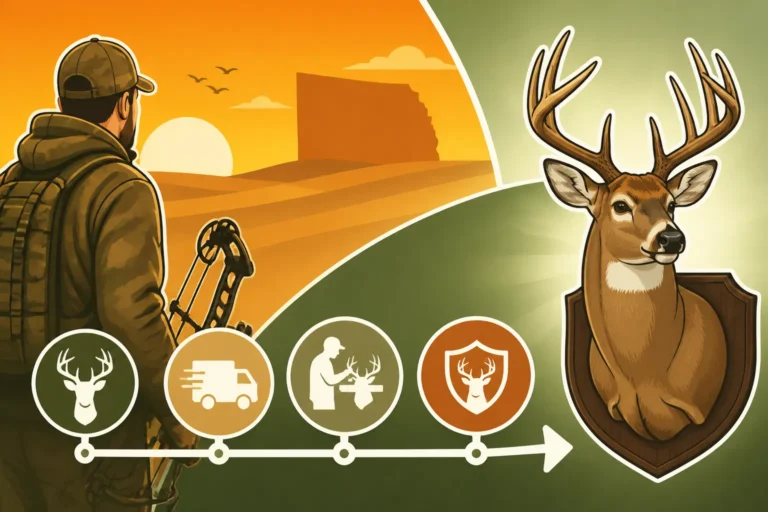
- Do you have recommendations for local meat processors or taxidermists? Some outfitters work with specific local businesses. Understanding this can streamline getting your trophy home.
- How do I get my meat and trophy home? This is a huge consideration, especially for non-residents. Will they help you quarter the animal, pack coolers, or arrange shipping? Look up Carcass Transport Across State Lines for regulations.
Choosing the Right Time to Book Your Kansas Hunt
Timing is everything in deer hunting, and Kansas is no exception. Deciding when to book your hunt depends heavily on your preferred hunting style, weapon, and what you prioritize in terms of deer behavior. Outfitters often price their hunts differently based on these prime windows, so understanding the various seasons is key.
The Legendary Kansas Rut
Ah, the Kansas rut! This is arguably the most sought-after time to hunt whitetails, and for good reason. Typically peaking in early to mid-November, the rut is when bucks are most active, often throwing caution to the wind in search of does. This means increased daytime movement, making them more visible and vulnerable. If you want to experience Rattling and Grunting During the Kansas Rut, this is your window.
Booking a rut hunt with an outfitter usually means higher prices and far less availability. Many prime November spots are booked a year or more in advance, often requiring successful draws two or three years in a row. Hunters are hoping for that magical week where a mature buck makes a mistake. If your goal is to intercept a cruising buck or witness intense deer activity, then targeting the rut is your best bet, but be prepared to plan far ahead and potentially pay a premium. The excitement of seeing multiple bucks throughout the day and the chance at a true monster during this period is unparalleled.
Early Season Opportunities
The early season in Kansas offers a completely different hunting experience, focusing more on patterns, food sources, and less on random buck movement. The archery season typically opens in mid-September, coinciding with the muzzleloader season. While the weather can still be warm, offering unique challenges like Muzzleloader Deer Tactics in Warm September Weather and Field Dressing in Seventy-Degree Weather, it's an excellent time to target bucks still on predictable summer patterns.
Outfitters who specialize in early season often focus on food plots, standing crops, or water sources. Bucks are often still in bachelor groups or have just broken up, and their movements revolve around feeding, bedding, and hydration. This can be a fantastic time for a bowhunter to capitalize on a known pattern before hunting pressure sets in and the deer become more nocturnal. It requires patience and precision, but success rates can be high for those who understand early-season deer behavior. These hunts are generally less expensive than rut hunts and might have better availability, making them a great option if your schedule or budget is tighter.
Late Season and Extended Hunts
Don't overlook the late season in Kansas! After the frenzy of the rut and the firearm season, deer shift their focus back to food and survival. This period, often spanning December through January (for archery, depending on the unit), can offer incredible hunting, especially if cold weather sets in. Think about Late-Season Food Source Hunting as your primary tactic.
Outfitters during the late season will be keyed in on remaining food sources – standing corn, milo, brassicas, or winter wheat. Deer need to pack on calories to survive the winter, making these food sources magnets for deer. It can be a very productive time, especially for hunters willing to brave the cold. Many outfitters also offer antlerless-only hunts during late December and January to help clients fill the freezer and manage deer populations, sometimes at a reduced rate. If your goal is meat or a less pressured hunt where deer are concentrated, the late season provides a unique and often fruitful opportunity, and permits for antlerless-only hunts are generally easier to obtain.
Red Flags and Reputable Research for Outfitters
Finding a quality outfitter requires due diligence. Sadly, there are always a few bad apples in any industry, and the hunting world is no exception. Avoiding a bad experience means knowing what to look for, what questions to ask, and how to verify claims. Your hard-earned money and precious vacation time deserve a trustworthy operation.
Spotting Common Red Flags
When you're talking to potential outfitters, keep an ear out for these warning signs:
- Vague Answers or Evasiveness: If an outfitter is unwilling or unable to answer specific questions about their land, hunter numbers, success rates, or contract terms, that's a major red flag. Reputable outfitters are transparent.
- Pressure to Book Immediately: High-pressure sales tactics are never a good sign. A good outfitter doesn't need to strong-arm you; their reputation and service speak for themselves. Be wary of "once-in-a-lifetime deals" that expire in 24 hours.
- Unrealistic Success Claims: "100% shot opportunity on a Boone & Crockett buck" is a fantasy. Deer hunting is hunting, and guarantees are impossible. Be skeptical of any outfitter promising guaranteed success or unbelievably high harvest rates.
- Lack of References or Poor References: If they can't provide references, or the references you call sound hesitant or negative, run!
- No Written Contract: Never, ever book a hunt without a detailed written contract that outlines all terms, costs, dates, and cancellation policies. Verbal agreements are worthless if a dispute arises.
- Requests for Cash Only: While some small operations might prefer cash, be wary if it's the only payment option or if they push it heavily, especially without a clear invoice.
- Poor Online Presence or Reviews: While not all great outfitters are tech-savvy, a complete lack of any online presence or overwhelmingly negative reviews across multiple platforms should give you pause.
Utilizing Online Resources
The internet is a powerful tool for vetting outfitters. Take advantage of it!
- Outfitter Directories and Booking Platforms: Websites like BookYourHunt are excellent starting points. They list numerous outfitters, often with customer reviews, detailed descriptions of services, and photos. This allows you to compare multiple options side-by-side. Platforms like this provide a level of vetting and structure that can give you more confidence.
- Hunting Forums and Social Media Groups: These can be treasure troves of honest, unfiltered feedback. Search for the outfitter's name and see what past clients are saying. Be mindful that online forums can have biases, but consistent themes (positive or negative) are usually indicative.
- Google Reviews and Business Listings: Check for their Google My Business listing. Do they have reviews? Are they recent? How do they respond to positive and negative feedback?
- Dedicated Hunting Information Sites: Resources like GoHunt often have articles or forums where hunters discuss outfitters and their experiences. These sites can offer insights into general outfitting practices and help you frame your questions.
- State Wildlife Agency Websites: Cross-reference the outfitter's claims with official KDWP regulations. Ensure they are operating legally and within ethical guidelines. You can also sometimes find information on any past violations or complaints.
Getting and Verifying References
This step cannot be overstated. A good outfitter will be happy to provide references.
- Ask for at least three to five recent references (from the past year or two). Don't just take the names they give you; ask for references from hunters who pursued the same type of hunt (e.g., archery whitetail) during the same season you're targeting.
- Prepare a list of specific questions:
- What was your overall impression of the hunt?
- Did the outfitter deliver on what they promised?
- Were the guides knowledgeable and helpful?
- How was the lodging and food?
- What was the actual hunter density like?
- Did you feel pressured or overcrowded?
- What was the quality of deer seen? Did you have shot opportunities at mature bucks?
- Were there any hidden costs or unexpected issues?
- Would you hunt with this outfitter again? Why or why not?
- Listen to their tone and enthusiasm. A genuinely happy client will likely sound excited and readily share details. Someone who is hesitant or vague might be holding back negative feedback.
- Be polite and respectful of the reference's time. They are doing you a favor, so keep your questions focused and don't take up too much of their day.
The True Cost of a Kansas Guided Whitetail Hunt
When you look at the price tag for a guided Kansas whitetail hunt, it can feel like a big number. But it's crucial to understand that the "sticker price" often doesn't include everything. To truly budget for your trip, you need to factor in all the potential expenses, some obvious, some less so. This comprehensive view will prevent sticker shock and allow you to fully enjoy your experience without financial stress.
Base Package vs. Total Expenses
The advertised price for a Kansas whitetail hunt typically covers the outfitter's services for a specific number of days, including guiding, stand access, and often lodging and meals. However, there are many additional costs that will quickly add up to your total investment:
- Kansas Nonresident Deer Permit: This is the big one. You have to apply for and draw your own permit, and the cost will vary. For instance, a nonresident archery either-sex whitetail permit will be a significant expense. Don't forget the non-refundable application fee.
- Kansas Nonresident Hunting License: In addition to your deer permit, you'll need a general hunting license. Factor this into your budget as well. The Kansas Nonresident Hunting Licence Price is a separate fee from your deer tag.
- Travel Costs: This includes airfare or fuel if driving, car rental, and potentially a night or two of hotel stays on the way to and from the outfitter's lodge. Kansas is a large state, and getting to your hunting area can take time and fuel.
- Ammunition/Arrows & Gear: While you likely already have your weapon, ensure you have plenty of practice arrows or ammo. You might also need specific clothing for Kansas weather, like specialized cold weather gear for a December hunt, or insect repellent for September.
- Processing Fees: Once you harvest a deer, you'll need to pay to have it processed by a locker plant or have the necessary equipment to do it yourself. This cost varies based on the services you want (e.g., ground meat, steaks, jerky).
- Taxidermy: If you harvest a trophy buck, taxidermy is a significant additional cost. Plan for this well in advance and discuss caping instructions with your outfitter.
- Coolers and Ice: You'll need plenty of large coolers to transport your meat and cape home, especially if driving. Ice can also add up, particularly in warmer early seasons.
- Shipping Costs: If flying, you'll need to check with your airline about transporting antlers and frozen meat. Shipping via freight can be very expensive. Shipping a Cape and Antlers Home and Shipping Frozen Venison by Air can add hundreds of dollars to your trip.
A good practice is to create a detailed spreadsheet itemizing all these potential costs to arrive at a realistic total budget for your hunt.
Tipping Your Guide and Camp Staff
Tipping is a customary and expected part of a guided hunting experience. It's a way to show your appreciation for the hard work, long hours, and dedication of your guide and the camp staff. While it's discretionary, a general guideline helps.
- Guides: A common range for tipping your guide is 10-20% of the hunt's base price. If your guide went above and beyond, worked tirelessly, and truly enhanced your experience, lean towards the higher end. For example, if your hunt cost $3,000, a $300-$600 tip would be appropriate. This covers everything from taking you to the stand, tracking, recovery, field dressing, and ensuring your safety. Discussing Tipping a Kansas Guide and Cook with the outfitter beforehand can help you budget appropriately and understand their camp's specific etiquette.
- Camp Staff: If there's a cook, lodge manager, or other support staff who contributed to your comfort (preparing meals, cleaning rooms), a separate tip for them is also appreciated. A pooled tip jar or individual envelopes can be appropriate, usually in the range of $50-$150 per person for a typical week-long hunt, depending on the level of service.
- When to Tip: Tips are generally given at the end of the hunt. You can present it directly to your guide or the outfitter to distribute to the staff. It's often best to use cash if possible.
- Factor it in: Don't forget to include these amounts in your overall budget. Running out of cash for tips at the end of a great hunt can be an awkward situation.
Managing Unexpected Costs
Even with the best planning, unforeseen circumstances can arise. Being prepared for these can save you stress.
- Lost or Damaged Gear: While rare, a dropped rangefinder, a broken arrow, or torn clothing might require an unexpected replacement. Carry a small emergency fund for such incidents.
- Medical Emergencies: While a hunting trip is often in remote areas, having proper travel insurance that covers medical emergencies can be a wise investment, especially for out-of-state hunters.
- Weather Delays: Unfavorable weather can impact travel plans or even cut a hunt short. While most outfitters won't refund for bad weather, flexible flight bookings or an emergency fund for extra hotel nights can be helpful. Remember, you might be driving through snow or ice, which means slower travel and potentially more overnight stops.
- Trophy Fees: If your outfitter has a minimum score requirement and you accidentally shoot a smaller buck, be prepared for a potential penalty fee. This is why discussing these terms thoroughly in your contract is so important.
By carefully considering all these elements, you'll have a much clearer picture of the true cost of your Kansas whitetail adventure and can budget accordingly, leading to a much more enjoyable and stress-free experience.
Preparing for Your Guided Kansas Whitetail Hunt
You've booked your hunt, secured your permit, and the countdown has begun! Now it's time to shift your focus to preparation. Showing up physically, mentally, and gear-ready will not only increase your chances of success but also ensure you have a more enjoyable and safe experience. A good outfitter will provide a packing list and pre-hunt information, but here are some general considerations.
Physical and Mental Preparation
Hunting, especially in different terrain or weather than you're used to, can be physically demanding. Long sits in a stand, walking to and from access points, and the excitement of the moment all take their toll.
- Physical Fitness: Start a walking regimen, especially if you're not accustomed to regular exercise. Practice walking with your hunting pack on, simulating the weight you'll carry. Being able to comfortably walk a mile or two in your hunting boots without getting winded will make a huge difference, especially when recovering a deer. If you're planning a Getting a Deer Out of a River Bottom Alone, you'll be glad you hit the gym.
- Endurance for Stand Sits: Mentally prepare for long hours in the stand, especially during the rut. This means practicing patience and focusing on staying still and alert. Many outfitters encourage all-day sits during prime times, and if you're not used to it, it can be tough.
- Shooting Practice: This is non-negotiable. Practice shooting your bow or rifle from various positions, including elevated positions if you'll be in a treestand. Know your effective range cold. The last thing you want is to be staring at the buck of a lifetime and doubt your shot placement. Practice often and with the broadheads or ammunition you'll use for the hunt. For rifle hunters, make sure you're Sighting In Before Firearm Season with confidence.
- Mental Toughness: Be prepared for setbacks. Hunting can be frustrating. You might not see many deer, the weather might turn foul, or you might miss a shot. Maintain a positive attitude and resilience. Your outfitter is working hard for you, but ultimately, it's hunting, not killing.
Gear and Clothing Considerations
Kansas weather can be notoriously unpredictable. A warm front can blow through in November, making it feel like October, and then a brutal cold front can drop temperatures into the single digits the next day. Packing appropriately is key.
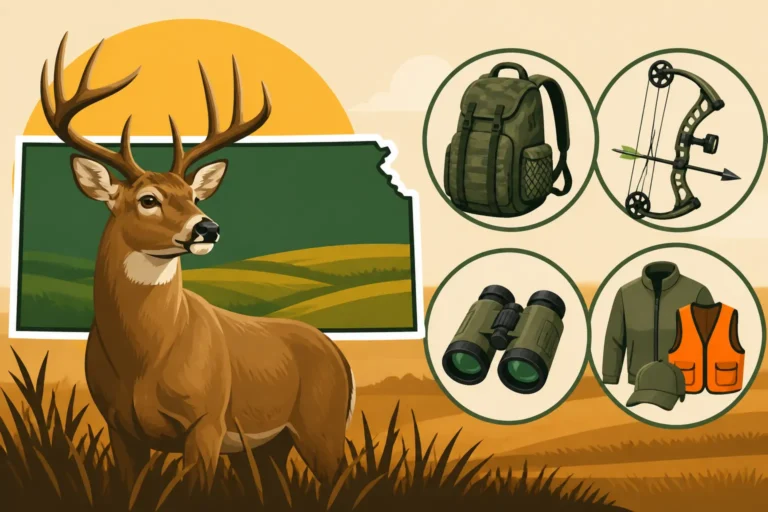
- Layering System: This is paramount. Instead of one heavy coat, bring multiple layers you can add or remove throughout the day. A good base layer, insulating mid-layers, and a waterproof/windproof outer shell will keep you comfortable in a wide range of temperatures. Think about Cold Weather Stand Clothing and how to maintain warmth on long sits.
- Scent Control: Kansas whitetails have incredible noses. While no system is foolproof, take scent control seriously. Use scent-free detergents, store clothes in airtight containers, and apply scent-eliminating sprays. Your outfitter may have specific recommendations on Ozone and Scent Control Claims.
- Boots: Invest in comfortable, waterproof, and well-insulated boots. You'll be spending a lot of time on your feet or in a cold stand. Extra socks are always a good idea.
- Optics: Good binoculars and a rangefinder are essential. Knowing the exact distance to your target is critical for ethical shots, especially in open Kansas country.
- Safety Gear: A quality safety harness is non-negotiable for treestand hunting. Always wear it, even for short climbs. A headlamp with a red light setting is invaluable for navigating in the dark without spooking deer.
- Miscellaneous: Hand warmers, a thermos for coffee or water, a good knife, field dressing gloves, and a small first-aid kit are always smart to have.
Ethical Considerations and Outfitter Rules
You are a guest on private land and an ambassador for hunters. Adhering to ethical practices and your outfitter's rules ensures a positive experience for everyone and preserves hunting opportunities.
- Respect the Land: Treat the outfitter's leases and property with the utmost respect. Leave no trash, don't damage property, and follow all rules regarding vehicles, gates, and property boundaries. For those on self-guided hunts on WIHA ground, always be mindful of Leaving No Trace on Walk-In Ground.
- Follow Regulations: Always adhere to Kansas hunting regulations and any specific rules your outfitter might have (e.g., minimum antler size, restricted areas). Ignorance of the law is no excuse. Your outfitter is relying on you to be a responsible hunter.
- Communication with Your Guide: If you're on a guided hunt, communicate clearly with your guide. Tell them what you're seeing, any concerns you have, or if you need to be picked up early. Your input helps them adapt and put you in the best position.
- Shot Selection: Only take ethical shots at ranges you are confident in. It's better to pass on a questionable shot than to wound an animal. Your outfitter will appreciate your commitment to ethical hunting.
- Reporting Your Harvest: Understand the Kansas deer tagging and reporting requirements. Your outfitter can usually assist with this, but it's ultimately your responsibility to ensure your deer is legally tagged and reported.
By taking the time to properly prepare, you'll arrive in Kansas confident, comfortable, and ready to make the most of your incredible whitetail hunting adventure!
Disclaimer
This article is for general informational purposes only and does not constitute professional advice. Laws, prices and regulations vary by location and change over time. Consult a qualified professional for guidance on your specific situation.