Bringing a Non-Hunting Guest
Planning a hunt in Kansas is an exciting endeavor, full of anticipation for big bucks or strutting gobblers. But often, the thought crosses your mind: "Can I bring my spouse, my child, or a good friend along, even if they aren't hunting?" It's a valid question, and one that can bring up a whole host of anxieties, from extra costs to logistical headaches. This guide is here to walk you through everything you need to know about successfully bringing a non-hunting guest on your Kansas hunting trip, ensuring a great experience for everyone involved.
The Basics of Bringing a Non-Hunting Guest to Your Kansas Hunt
Let's face it, hunting can be an incredibly solitary pursuit, and sometimes, you just want to share the experience, or at least the camp atmosphere, with someone special. But before you invite your favorite non-hunting companion, there are some fundamental things you need to understand, especially when it comes to regulations and the expectations of whoever is hosting your hunt.
Understanding Regulations and Rules
First and foremost, you need to check the specific rules regarding non-hunting individuals in the field or on the property where you'll be hunting. In Kansas, the wildlife regulations primarily focus on licensed hunters, but that doesn't mean a non-hunter can just wander wherever they please without consideration. For instance, if you're hunting on public lands like a Kansas Walk-In Hunting Access (WIHA) tract or a State Wildlife Area, there might be specific guidelines about accompanying persons, especially during certain seasons like the firearm deer season when hunter orange requirements are in place. Your non-hunting guest would likely need to adhere to those safety requirements even if they aren't carrying a weapon.
On private land, the rules might be more relaxed, but it's entirely at the discretion of the landowner or outfitter. They might have concerns about liability, disturbance to other hunters, or simply want to maintain a certain solitude on their property. Imagine showing up to a Kansas deer lease with an unexpected guest when the outfitter was expecting only you. That could create an awkward situation quickly. Always verify these details well in advance to avoid any unwelcome surprises or misunderstandings down the line. It's better to ask too many questions than not enough.
Defining "Non-Hunting Guest"
It might seem obvious, but clearly defining what a "non-hunting guest" means in the context of your trip is crucial. This isn't just a semantic exercise; it has practical implications. A non-hunting guest is typically someone who is accompanying you on the trip but will not be participating in any hunting activities themselves. This means they won't carry a weapon, won't hold a hunting license or permit (unless they simply want one for identification, which is usually unnecessary), and won't be involved in the pursuit, taking, or handling of game, other than perhaps assisting after the animal has been legally harvested and tagged by a licensed hunter.
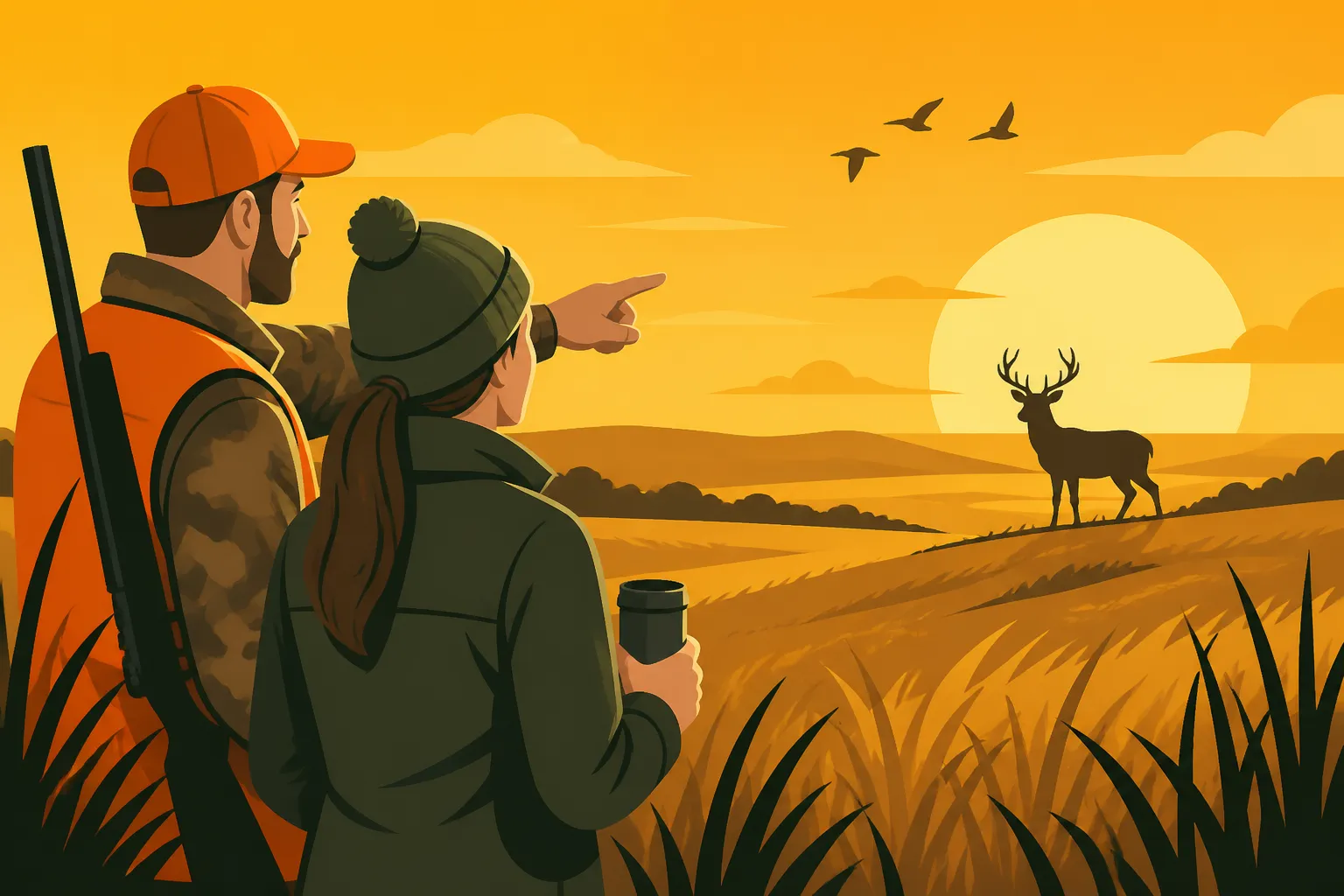
For example, your spouse might want to join you at the camp, prepare meals, read a book, or even go for a hike outside the designated hunting zones and during non-hunting hours. They might even enjoy observing wildlife from a distance, provided they are not interfering with your hunt or other hunters. What they absolutely cannot do is participate in any way that would require a hunting license, like spotting deer for you from a vantage point while you're actively hunting, or tracking a wounded animal with you before you've legally tagged it. Make sure your guest understands these boundaries clearly to avoid any accidental violations.
Communicating Expectations with Outfitters
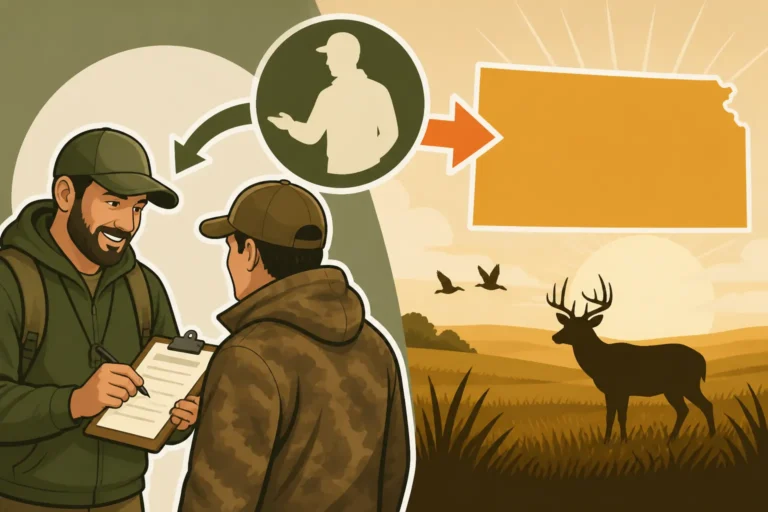
If you've booked a guided or semi-guided hunt through an outfitter, this step is non-negotiable. You absolutely must communicate your intention to bring a non-hunting guest before you book, or at the very least, as soon as possible after booking. Outfitters run tight ships, managing logistics for multiple hunters, and an unexpected extra person can throw a wrench into their operations. They have specific capacities for lodging, meals, and even transportation to and from hunting areas.
Many reputable Kansas outfitters are accommodating and understand that hunters might want to share their experience. However, they will almost certainly charge an additional fee for lodging, meals, and any other amenities your guest utilizes. This fee can vary widely, from a flat daily rate to a percentage of your hunt cost. Be prepared for this, and don't try to sneak someone in; it's disrespectful to the outfitter and could jeopardize your hunt. When you're researching potential outfitters, platforms like BookYourHunt often allow you to filter by amenities, and it's always a good idea to check their specific guest policies on their individual listings or website. Getting all these details ironed out upfront ensures a smooth and stress-free trip for everyone.
Practical Considerations for Non-Hunting Guests
Bringing a non-hunting guest means thinking beyond just your own hunting itinerary. You need to consider their comfort, safety, and what they'll actually do while you're out chasing game. It's a partnership, and a little planning goes a long way in making their trip enjoyable too.
Lodging and Accommodation Logistics
Where will your non-hunting guest sleep? This is a fundamental question. If your hunting trip involves staying in a rustic camp with bunk beds and minimal privacy, that might not be ideal for someone who isn't there to rough it. Many Kansas hunting lodges offer comfortable accommodations that can easily host an additional person, often with private rooms or cabins. However, these usually come with an extra cost, as discussed. Clarify if the extra person will share your room, or if a separate room is needed and available.
If you're going the DIY route and plan to stay in a local motel or AirBnB near your hunting grounds, bringing a guest is generally simpler, as you're already managing your own lodging. Just ensure the booking reflects the correct number of people. If you're camping, consider if your setup can comfortably accommodate an extra person. Will they have a comfortable place to relax while you're in the stand from before dawn until after dusk? Having a clear understanding of the sleeping arrangements and daily living situation will prevent discomfort or resentment from your guest.
Activities and Entertainment Beyond the Hunt
Let's be real: you're going to be out in the field for long hours, likely from before sunrise until after sunset, especially during peak seasons like the Kansas Whitetail Hunting Tactics Through the Rut or the Kansas Muzzleloader Deer Hunting in Kansas's September Season. What will your non-hunting guest do with all that downtime? Kansas offers plenty of charm, but many prime hunting areas are rural, meaning nearby entertainment options might be limited.
Consider their interests. Do they enjoy reading, photography, or exploring small towns? Perhaps a visit to a local museum, an antique shop, or a scenic drive through the Flint Hills might appeal to them. Some might enjoy birdwatching (non-hunting, of course!) or simply relaxing at the lodge with a good book. If the weather is nice, they might enjoy short walks or hikes on designated trails away from hunting activity. Think about bringing along entertainment like books, movies, games, or craft supplies. Having a vehicle available to them if you're being dropped off at your hunting spot could also open up possibilities for day trips. The key is to help them plan their own schedule so they don't feel stranded or bored.
Safety First: Understanding Hunting Protocols
This is perhaps the most critical aspect of bringing a non-hunting guest. Safety must be paramount. Your guest needs a thorough understanding of basic hunting safety protocols, even if they aren't carrying a weapon. This includes knowing when and where you will be hunting, understanding the sound of gunfire, and, critically, dressing appropriately. During any firearm season in Kansas, bright hunter orange is often mandatory, and your non-hunting guest should absolutely wear it if they are going to be anywhere near a hunting area, even if just walking a road.
They also need to understand that hunting areas are not places for casual strolling during hunting hours. Teach them about boundaries, safe zones, and when it's appropriate to be out and about versus staying safely within a lodge or vehicle. Explain the importance of silence, scent control (even if they're not hunting, strong perfumes can blow a buck's nose), and minimizing disturbance. If they accompany you to and from a stand, ensure they know the access routes that Access Routes That Do Not Bump Deer and how to move quietly. A responsible outfitter will likely cover these points, but it's your responsibility as the host to ensure your guest is fully informed and respects these vital safety guidelines.
The Financial Side of Bringing an Extra Person
Money matters are often the trickiest part of inviting a non-hunting guest. It's crucial to be transparent and have open conversations about costs upfront to prevent any awkwardness or misunderstandings later.
Extra Costs to Anticipate
When you bring a non-hunting guest, you're essentially adding another person to the trip's expenses. Here’s a breakdown of where those extra costs usually come from:
- Lodging: Whether you're at a dedicated hunting lodge or a motel, there's often an additional charge for a second person in the room. This covers utilities, housekeeping, and general wear and tear.
- Meals: If your hunt package includes meals, the outfitter will charge for your guest's food. This could be a flat daily rate for three meals a day, or it might be itemized. Even if you're cooking for yourselves, you'll see an increase in your grocery bill.
- Transportation: While often overlooked, if your outfitter provides transportation to and from hunting areas, and your guest hitches a ride, there might be a small fee or simply a request for gas money, especially if it's a long drive.
- Amenities: Some lodges might charge for access to specific amenities like a hot tub, game room, or even Wi-Fi, which your guest might utilize more than you do.
- Activities: Any activities your guest participates in independently, such as visiting local attractions, will come out of their pocket. While not directly a "hunting cost," it's part of the overall trip budget.
It’s easy to underestimate these add-ons. Don't assume anything is free. Get specific numbers from your outfitter or factor them into your self-guided budget.
Negotiating With Outfitters or Landowners
When you communicate with an outfitter about bringing a non-hunting guest, don't be afraid to ask about their specific policies and any potential flexibility. While major outfitters typically have set rates, smaller operations or private landowners might be more open to negotiation, especially during off-peak times or if your guest is truly low-impact (e.g., they bring their own food and only need a place to sleep).
For instance, you might ask if there's a reduced rate if your guest won't be eating all meals with the group, or if they bring their own bedding. Some outfitters might offer a "spouse rate" that's slightly less than a full hunter's rate. Similarly, if you've secured permission from a private landowner, they might simply ask that your guest be respectful and stay out of certain areas, without an additional charge. However, always offer to cover any increased costs on their end. A great way to find and compare different outfitter packages and their guest policies is by using resources like GoHunt or other online hunt planning tools, though direct communication is always best for these specific requests.
Hidden Expenses You Might Overlook
Beyond the obvious, there are often smaller costs that can add up. For instance, if your guest requires specific dietary accommodations, and your outfitter isn't accustomed to it, there might be an extra charge for specialized groceries. Don't forget tips – if you're tipping your guide, cook, or lodge staff, it's customary to include your guest in that calculation, especially if they received services.
Consider things like souvenirs from local shops, extra snacks for the lodge, or even just higher fuel costs if your guest drives around while you're hunting. If your guest causes any accidental damage, you'll be on the hook for that. Having a buffer in your budget for these "just in case" scenarios is always a smart move. A frank conversation with your guest about who covers what – whether they're contributing to overall costs or you're absorbing everything – is essential for financial harmony.
| Item | Common Scenario (Outfitter) | Common Scenario (DIY) | Potential Extra Cost Factors |
|---|---|---|---|
| Lodging | Flat daily rate per person | Hotel/Airbnb extra person fee | Size of room, demand, additional amenities (e.g., private bath) |
| Meals | Daily meal plan inclusion | Increased grocery budget | Dietary restrictions, frequency of eating at camp vs. out |
| Transportation | Ride to/from hunting areas | Extra fuel, wear on vehicle | Distance to hunting spots, guest's independent travel |
| Amenities | Use of lodge facilities | None (DIY usually has fewer) | Hot tub, Wi-Fi, game room access, pool use |
| Tipping | Customary for guides/staff | N/A | Extent of service received by guest |
| Entertainment | Local attractions, day trips | Local attractions, day trips | Specific interests, availability of free activities |
| Insurance | Traveler's insurance | Traveler's insurance | Coverage for non-hunting incidents or cancellations |
Making the Experience Enjoyable for Everyone
The goal, ultimately, is to ensure that both you and your non-hunting guest have a memorable and positive experience. It takes effort and consideration from both sides, but it's entirely achievable with good planning.
Balancing Hunting Time with Family Time
This is where the rubber meets the road. As a hunter, you're likely geared up for long, focused hours in the field. But your guest isn't. You need to consciously carve out time to spend with them. This might mean shortening an evening hunt slightly, or dedicating a full afternoon to exploring a nearby town or enjoying a meal together. Perhaps you can plan a relaxing breakfast or dinner at the lodge, where you can recap your day's adventures while they share what they did.
It’s a balancing act. If your guest feels neglected, the trip can become a source of contention rather than connection. On the flip side, if you constantly cut your hunts short, you might feel frustrated. Discuss expectations for shared time before the trip begins. For example, you might agree to hunt hard from dawn until early afternoon, then meet up for a late lunch and an activity together. Or perhaps you designate one full day out of a five-day hunt to be a "non-hunting" day for a joint excursion. This advance planning ensures both parties feel valued and engaged.
Tips for a Smooth Trip
A little foresight can prevent a lot of headaches. Here are some pointers:
- Communicate, Communicate, Communicate: Can't stress this enough. Talk about schedules, expectations, costs, and interests before you even leave home.
- Pack Appropriately for Them: Remind your guest to pack for the weather, which can be highly variable in Kansas. Layers are key. Comfortable shoes for walking, and if they'll be outdoors at all, perhaps some Tick and Chigger Season in September repellent and hunter orange during appropriate seasons.
- Provide Comforts: Ensure they have what they need at the lodge or camp – a comfortable chair, charging access for their devices, perhaps even their favorite snacks or beverages. Small gestures make a big difference.
- Designate a "Home Base": Make sure your guest has a comfortable, safe place to retreat to when you're in the field. This could be their room, a common area in the lodge, or a specific spot at a campsite.
- Respect Their Pace: They're not on a hunting schedule. Allow them to wake up later, stay up later, or simply enjoy downtime without feeling rushed or obligated.
- Bring a Camera (for them!): If your guest enjoys photography, encourage them to capture the scenic beauty of Kansas while you're hunting. They might get some incredible landscape shots or photos of non-game wildlife.
Remember that a hunting trip is often a vacation for your guest. By being thoughtful and prepared, you can make it an enjoyable one for them.
Post-Hunt Relaxation and Shared Memories
Even after the hunt is over, the trip isn't truly done. The time after you've tagged out or finished your last sit is prime for creating shared memories. This could be a celebratory dinner, a visit to a local eatery, or simply relaxing around a campfire. If you were successful, your guest might enjoy seeing the harvest up close (if they're comfortable with it) or learning about the Field Dressing in Warm Kansas Weather process.
Perhaps they can help celebrate your success, or commiserate if the hunting was tough. This is an excellent opportunity to reflect on the experience together, whether it was witnessing a breathtaking Kansas sunset, spotting a rare bird, or simply enjoying the peaceful solitude of the countryside. These shared moments, even if they aren't directly about hunting, are what truly enrich a trip and make it a bonding experience. Consider bringing home a small local souvenir or memento that you both can enjoy, serving as a reminder of your Kansas adventure together.
Disclaimer
This article is for general informational purposes only and does not constitute professional advice. Laws, prices and regulations vary by location and change over time. Consult a qualified professional for guidance on your specific situation.