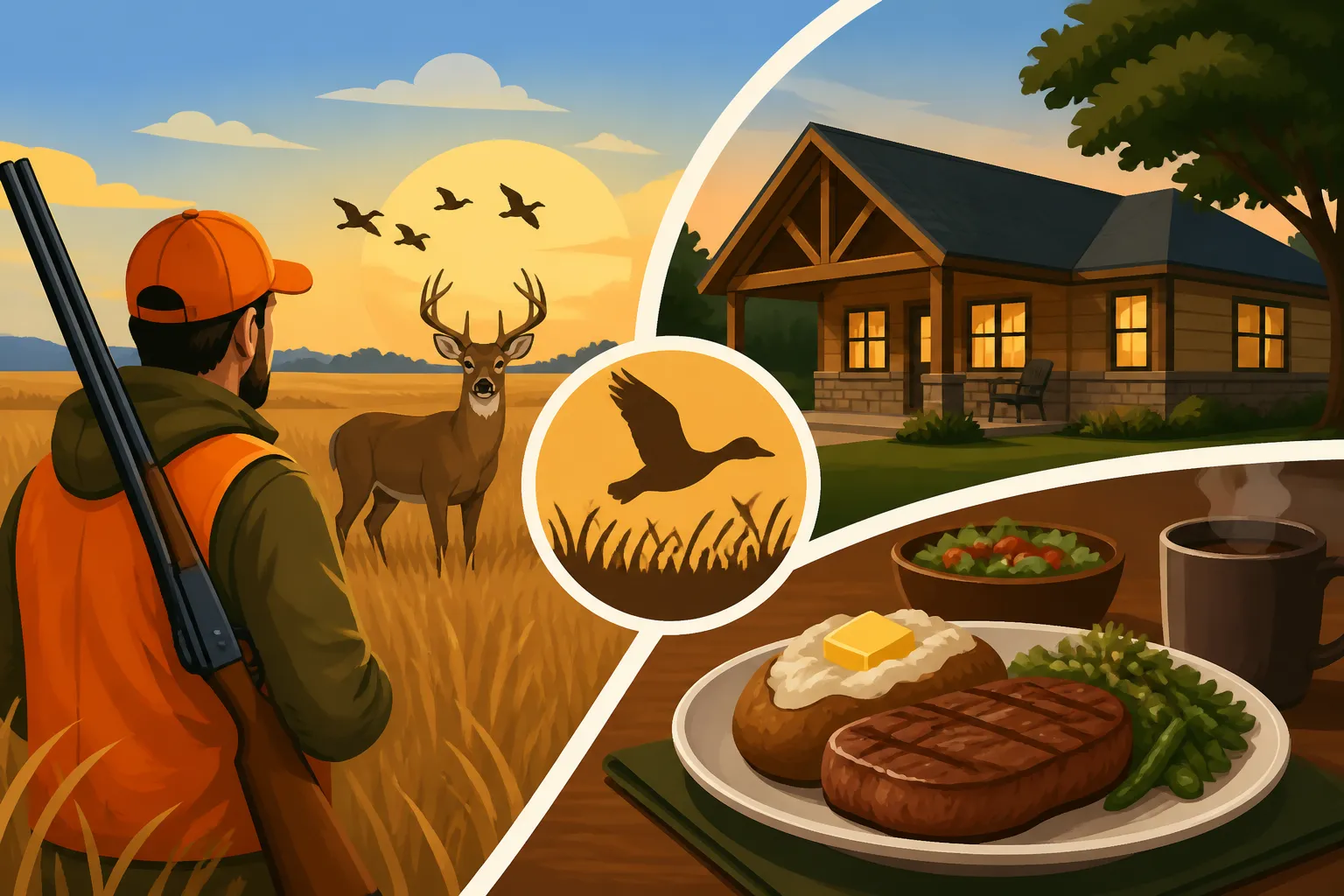
Meals and Lodging in a Kansas Package
When you're dreaming of a Kansas hunting trip, it's easy to get swept up in the excitement of big bucks, strutting gobblers, or abundant upland birds. But before you finalize your plans, one of the biggest questions for many hunters is often the practical side: what about meals and lodging? This guide will delve deep into the common types of accommodations and meal plans offered by Kansas outfitters and guides, helping you understand exactly what to expect so there are no unwelcome surprises when you arrive.
The Reality of "All-Inclusive" in Kansas Hunting Packages
The term "all-inclusive" gets thrown around a lot in the hunting industry, and frankly, it can be a bit misleading. What one outfitter considers "all-inclusive" might be vastly different from another, and understanding these nuances is crucial for managing your expectations and budget. It's not like booking a resort vacation where every single thing is covered from start to finish.
The Spectrum of "All-Inclusive" Packages
In Kansas, an "all-inclusive" hunting package usually refers to a hunt that bundles most of the essential elements: guiding services, access to hunting land, and typically, accommodations and meals. However, the quality and extent of those meals and accommodations can vary wildly. Some outfitters truly go all out, providing luxury lodge stays with gourmet meals prepared by a chef, while others might offer a more rustic bunkhouse experience with hearty, home-cooked, family-style dinners. The key is to realize it's a spectrum, not a single definition.
For instance, a guided whitetail hunt during the peak When the Kansas Rut Peaks might include a comfortable lodge, transportation to and from your stand, and three square meals a day. A pheasant hunt, on the other hand, might offer a motel room in town and dinner at a local cafe. It's important to dig into the details of what "all-inclusive" truly entails for the specific package you're considering. Don't assume anything is included unless it's explicitly stated in writing. This is where researching thoroughly on platforms like BookYourHunt can really help, as many outfitters list the specifics of their offerings.
What's Typically Excluded From the Price
Even with an "all-inclusive" label, there are almost always expenses that are not included. The most common exclusions are your actual hunting license and permits, which you'll need to purchase separately through the Kansas Department of Wildlife, Parks and Tourism (KDWP). Depending on the species, these can be significant costs, especially for non-residents seeking a coveted Kansas deer tag. You might need a Kansas Nonresident Whitetail Permit Price on top of your hunting license.
Beyond tags, personal gear is always on you – your weapon, ammunition, clothing, boots, and any specialized hunting equipment. Transportation to and from the outfitter's location is also almost universally excluded, meaning your flights, gas money, or vehicle rental will be extra. Many hunters also forget about the cost of deer processing or taxidermy. While some outfitters might have a preferred local processor, the bill for turning your harvest into venison steaks or a trophy mount will be your responsibility. And let's not forget gratuities for your hard-working guides and camp staff; Tipping a Kansas Guide is customary and should be factored into your budget.
The Value of Clarity in Contracts
This is perhaps the most critical takeaway: always get a detailed contract or written agreement. Vague promises or verbal assurances can lead to disappointment and friction later on. A good outfitter will provide a clear, itemized list of what's included and what's not. This document should specify the type of lodging, the number of meals provided per day, and any other amenities like transportation, game recovery, or initial field dressing.
If a contract simply says "meals and lodging included," don't hesitate to ask for more specifics. How many meals? What kind of lodging? Is it private or shared? What if you have dietary restrictions? Having these details hammered out upfront, preferably in writing, protects both you and the outfitter. It eliminates misunderstandings and allows you to budget accurately. It's your hard-earned money and precious vacation time; ensuring everything is clear will make for a much more enjoyable hunt.
Common Lodging Options in Kansas Hunting Packages
When you book a hunting trip in Kansas, your accommodation can range from a rustic, shared bunkhouse to a sprawling, luxurious lodge. Understanding the typical options will help you match your expectations with the outfitter's offerings.
Lodge-Style Accommodations
Many premier Kansas outfitters offer lodge-style accommodations, which are often the most sought-after option. These lodges can vary greatly, from beautifully renovated farmhouses with multiple bedrooms and shared bathrooms to purpose-built, expansive facilities featuring private rooms, en-suite bathrooms, and common areas designed for hunters to relax and share stories. Imagine coming back after a long day of Hunting Terrain Funnels in Flat Country to a warm, comfortable bed and a cozy common area with a fireplace.
These lodges often come with amenities like Wi-Fi, satellite TV, and comfortable seating. The atmosphere is usually communal, allowing you to connect with other hunters and build camaraderie. In a lodge, meals are typically served family-style in a dining area, fostering a sense of community. While more comfortable, these options are generally on the higher end of the price spectrum due to the investment in facilities and the level of service provided. It’s worth asking about the specific setup – are rooms private, or is it a shared dormitory situation? Will you have your own bathroom, or will you share with others?
Cabin or Bunkhouse Setups
A more traditional and often more budget-friendly option is the cabin or bunkhouse. These are typically simpler structures, often found on the outfitter's property or nearby. A bunkhouse is exactly what it sounds like: a room, or series of rooms, with multiple bunk beds. Privacy is generally minimal, and bathrooms are usually shared, often in a central facility. Think of it as a step up from tent camping, offering basic shelter, heat, and a place to sleep.
Cabins might offer a bit more privacy, sometimes featuring a couple of beds per room, or even small, self-contained units. They often include a small kitchen area or at least a refrigerator and microwave. While not luxurious, these setups are perfectly functional and can be great for groups of friends who are comfortable sharing space and are more focused on the hunt itself than plush amenities. They offer a no-frills, authentic hunting camp experience. This type of lodging can be ideal for a Kansas Turkey Hunting Tactics for Spring Gobblers trip where the focus is early mornings and being out in the field.
Motels and Local Stays
Some Kansas outfitters, particularly those operating on large tracts of public land or multiple scattered private leases, might opt to put hunters up in local motels or even rent houses in nearby towns. This approach offers convenience, as motels usually provide private rooms, private bathrooms, and amenities like daily cleaning. It also allows the outfitter flexibility without having to maintain dedicated lodging facilities.
The downside is that it can sometimes feel less like a "hunting camp" experience. You might be eating meals at local restaurants rather than a communal dining hall, and the travel time to and from the hunting grounds could be longer. However, if privacy is paramount for you, or if you prefer the predictability of a hotel chain, this can be an excellent option. When exploring outfits that use local lodging, it's wise to inquire about the specific motels they use. You might even want to check reviews of the motel yourself, just to ensure it meets your comfort standards. Knowing what to expect for Motels in Kansas Hunting Towns can help you prepare.
Meal Plans: From Home-Cooked to DIY
Just like lodging, the meal situation on a Kansas hunting trip can range from gourmet, chef-prepared dinners to you being fully responsible for your own grub. It's a huge aspect of the overall experience and can significantly impact your daily routine and budget.
Fully Catered Dining Experiences
This is often the dream for many hunters: three square meals a day, prepared for you, allowing you to focus entirely on the hunt. In these setups, typically found at higher-end lodges, a cook or chef is on staff to prepare delicious, hearty meals. You might wake up to coffee and a hot breakfast, be sent out with a packed lunch or return to camp for a midday break, and then cap off the day with a substantial dinner.
The food itself can vary from classic home-style cooking – think biscuits and gravy, burgers, steak, and chili – to more refined culinary offerings. Some outfitters pride themselves on the quality of their meals, seeing it as a crucial part of the overall experience. This takes all the stress out of meal planning, shopping, and cooking after a long day in the field, making your hunt truly about the chase. It's a significant perk, especially during a demanding rifle hunt in Rifle Hunting the Kansas December Firearm Season. Don't forget to communicate any dietary restrictions or allergies well in advance; a good outfitter will do their best to accommodate.
Self-Serve or Partially Provided Meals
This is a very common model, especially with mid-range outfitters. In these scenarios, the outfitter might provide a fully equipped kitchen within the lodge or bunkhouse and stock it with basic staples like bread, eggs, bacon, coffee, and maybe some sandwich meat for lunches. You and your fellow hunters are then responsible for preparing your own meals. Dinners, however, might still be provided, perhaps a big family-style meal cooked by the outfitter's wife or a local cook.
This option offers a good balance between cost and convenience. It allows for flexibility in what and when you eat, catering to individual preferences. It can also be a fun, bonding experience, with hunters taking turns cooking or collaborating on meals. However, it does add a layer of responsibility and effort to your trip. After a long day of Blood Trailing in CRP and Cedars, the last thing some hunters want to do is cook. Make sure to clarify exactly what food items are provided and what you're expected to bring or purchase yourself.
Bring Your Own Grub: The DIY Approach
For hunters looking for the most budget-friendly options, or those who prefer complete control over their food, some outfitters or self-guided lease arrangements might require you to bring all your own food. In these cases, you'll usually have access to a kitchen or at least a refrigerator and microwave. This is a popular option for groups who are very particular about their diet or who simply want to keep costs down.
The "bring your own grub" approach allows you to tailor your meals precisely to your tastes and energy needs. You can pack easy-to-prepare meals, MREs, or items that only require reheating. The trade-off, of course, is the added planning, shopping, packing, and cooking effort on your part. This option is common for Kansas Semi-Guided Hunt Costs or Kansas Self-Guided Lease Prices where the focus is solely on providing access and basic services. If you're going this route, consider doing some meal prep at home to minimize cooking time in camp, especially for those early mornings when you need to be out for Early-Season Bowhunting Over Water. Remember to bring plenty of snacks and drinks, as those aren't typically provided either.
Factors Influencing Meals and Lodging Options and Costs
The specific meals and lodging you'll encounter in a Kansas hunting package aren't random; they're driven by several key factors. Understanding these can help you better evaluate offers and make informed decisions.
Seasonality and Hunt Type
The time of year and the type of hunt you're booking play a huge role in what's available and at what price point. For instance, a deer hunt during the peak of the Kansas Whitetail Hunting Tactics Through the Rut in November is generally going to be more expensive and might offer more robust lodging and meal options due to higher demand and perceived value. Outfitters know hunters will pay a premium for that prime timeframe.
Conversely, an early-season Muzzleloader Deer Hunting in Kansas's September Season or a late-season antlerless hunt might have simpler accommodations, or even require you to stay in a nearby motel, simply because the outfitter's main lodge might not be fully staffed or open. Upland bird hunts, like those for Upland Bird Hunting Kansas Grass and Milo Edges, often feature different lodging styles than deer hunts, sometimes leaning more towards local hotels or smaller farmhouses, and meal plans might be more flexible. The shorter duration of some bird hunts might also mean less elaborate catering.
Group Size and Privacy Needs
Are you hunting solo, with a buddy, or bringing a large group? Your group size will significantly impact your lodging options. A solo hunter might be perfectly fine sharing a bunkhouse with strangers, but a couple or a family often prefers private accommodations. Outfitters need to maximize their lodging capacity, so single hunters or small groups might find themselves in shared rooms to fill the available beds.
If privacy is a high priority for you, be prepared to pay a premium. Some lodges offer private rooms at an additional cost, or you might need to seek out outfitters who specialize in smaller, more exclusive groups. For larger groups, booking an entire lodge or cabin might be an option, offering complete privacy and a custom experience. Always be upfront with the outfitter about your group size and your desire for shared versus private rooms when discussing what a Kansas hunt package includes. It's a key question when you're looking into Kansas Hunting Lodge Accommodation.
Outfitter Reputation and Amenities
The reputation and established amenities of an outfitter are directly tied to the type and quality of meals and lodging they offer. A long-standing, well-regarded outfitter with a history of successful hunts and satisfied clients often invests more in comfortable lodges, experienced cooks, and a higher level of service. These operations are typically more expensive, but you're often paying for a more refined, seamless experience where every detail, including food and lodging, is taken care of to a high standard.
Newer or smaller outfitters, or those focusing on more budget-conscious hunts, might offer simpler accommodations and meal plans to keep their prices competitive. They might rely on local restaurants for meals or provide a kitchen for hunters to cook for themselves. When researching outfitters, check reviews on hunting forums or platforms like GoHunt. Pay attention to what past clients say about the food and lodging. Do they praise the comfort of the beds or the quality of the meals? Or do they mention it being "rustic but functional"? This feedback is invaluable for setting realistic expectations.
Key Questions to Ask About Meals and Lodging Before Booking
Booking a hunt is a significant investment, both financially and in terms of your precious vacation time. To avoid any unwelcome surprises regarding meals and lodging, it's absolutely critical to ask the right questions upfront. Don't assume anything.
Clarifying Accommodation Details
When you're discussing your hunt with an outfitter, make sure you get explicit details about where you'll be sleeping. Start by asking, "What specific type of lodging is included in the package?" If they say "lodge," follow up with: "Is it a private room, or will I be sharing a room with other hunters?" If sharing, "How many hunters to a room?" Then, inquire about bathroom facilities: "Are bathrooms private or shared, and if shared, how many people share each bathroom?"
Beyond the basics, think about comfort. Ask about amenities: "Is there Wi-Fi available at the lodge/cabin? What about cell service?" For those who need to stay connected or simply unwind, this can be crucial. If you're sensitive to noise, ask about soundproofing or quiet hours. Finally, confirm the location: "Is the lodging on the hunting property, or will we be driving to and from a nearby town each day?" This affects your daily travel time and overall convenience. These are all part of a comprehensive list of Questions to Ask a Kansas Outfitter.
Understanding the Meal Plan
The food situation can make or break a hunting trip for many people. Don't be shy about asking detailed questions here. Start with the basics: "How many meals are provided each day (breakfast, lunch, dinner)?" Then, delve into the specifics: "Are meals fully catered by a cook, or are hunters expected to prepare some of their own?" If it's self-serve, ask, "What specific food items and cooking supplies are provided in the kitchen?"
It's also vital to discuss dietary needs: "Do you accommodate dietary restrictions or allergies (e.g., vegetarian, gluten-free, nut allergies)?" It's much easier for an outfitter to plan ahead if they know well in advance. Consider beverages: "Are drinks like coffee, water, and soda provided, or should I bring my own?" And finally, "What is the typical meal schedule?" Knowing when meals are served can help you plan your hunting times and breaks, especially if you're Hunting the Kansas Pre-Rut in Late October and want to maximize time in the stand.
Logistical Considerations and Hidden Costs
Beyond the direct meals and lodging, there are often logistical questions that tie into these aspects. Ask about towels and linens: "Are towels, bedding, and toiletries provided, or should I bring my own?" This can significantly impact your packing list. Inquire about laundry facilities: "Is there a washing machine and dryer available for hunters to use?" This is a big plus for longer hunts or if you experience unexpected foul weather.
Finally, confirm any potential hidden costs. "Are there any additional fees for specific amenities related to lodging or meals that aren't included in the base package price?" This could include things like private room upgrades, special meal requests, or even charges for excessive use of certain utilities. Being thorough with these questions ensures that the Cost of a Guided Kansas Deer Hunt truly reflects what you expect to receive, giving you peace of mind before you even set foot in Kansas.
Making Your Kansas Hunting Trip Comfortable and Enjoyable
Planning a hunting trip to Kansas involves more than just scouting locations and understanding regulations; it's about ensuring your comfort and enjoyment throughout the entire experience. Thoughtful consideration of meals and lodging can elevate a good hunt into a great one.
Preparing for Diverse Accommodations
Kansas offers a wide array of hunting experiences, and with that comes diverse accommodation styles. If you're opting for a more rustic cabin or bunkhouse, mentally prepare for shared spaces and potentially fewer creature comforts. Bringing essentials like earplugs, an eye mask, and even your favorite pillow can make a huge difference in shared sleeping arrangements. A good power bank for charging electronics is also wise, as outlets might be limited.
For those staying in local motels, research the specific establishment to understand its amenities. Will it have a mini-fridge for your snacks, or a coffee maker? Packing a small cooler for drinks and snacks can always be beneficial, no matter the lodging type. Regardless of where you lay your head, keeping your gear organized and contained will make your shared space more pleasant for everyone. Knowing how Kansas Outfitter Unit Coverage affects logistics can also help you anticipate travel times from your lodging to hunting spots.
Managing Your Meal Expectations and Preferences
When it comes to meals, flexibility is your friend. Even with a fully catered experience, tastes vary. If you have very specific preferences or severe allergies, communicate these well in advance and be prepared to supplement with some of your own snacks or simple meals if needed. For self-serve or BYO food situations, planning is paramount. Consider pre-making and freezing simple dinners, or bringing ingredients for easy one-pot meals. A portable slow cooker can be a lifesaver for returning to a hot meal after a cold day in the stand.
Don't underestimate the importance of hydration. Kansas weather can be unpredictable, so bringing a good water bottle and a hydration pack for the field is essential, regardless of what's provided at camp. Having a stash of your favorite high-energy snacks for those long hours Staying Warm on a December Sit can also be a game-changer. Remember, the goal is to keep your energy up so you can focus on the hunt.
The Value of Communication and Reviews
Ultimately, the best way to ensure your meals and lodging align with your expectations is through clear, consistent communication with your outfitter. Don't be afraid to ask detailed questions before you book, and confirm everything in writing. A reputable outfitter will appreciate your thoroughness and be happy to provide all the information you need. You might find some excellent insights by reading reviews about Kansas Outfitters That Take Bowhunters Only or other specialized hunts, paying close attention to feedback on the camp experience.
Once you've booked, if you have any questions or concerns as the trip approaches, reach out again. Don't wait until you arrive to discover a misunderstanding. By being proactive and informed, you can set yourself up for a comfortable, well-fed, and ultimately successful Kansas hunting adventure. After all, a good night's sleep and a full belly can make all the difference when you're pursuing that dream buck or gobbler.
| Meal Plan Type | Hunter's Responsibility | Typical Cost Impact | Flexibility for Dietary Needs | Common Amenities |
|---|---|---|---|---|
| Fully Catered | None (food prepared by staff) | Highest | High (with advance notice) | Chef-prepared, served meals, shared dining, coffee |
| Partially Catered | Some (e.g., breakfast/lunch DIY, dinner provided) | Medium-High | Medium (some DIY, some provided) | Equipped kitchen, some staples, provided dinners |
| Self-Serve (Provided Staples) | High (prepare own meals, use provided basics) | Medium | High (choose own ingredients) | Equipped kitchen, basic groceries (eggs, bread, etc.) |
| Bring Your Own Grub | Complete (all food and prep by hunter) | Lowest | Absolute (total control) | Kitchen access (fridge, stove), dining area |
Disclaimer
This article is for general informational purposes only and does not constitute professional advice. Laws, prices and regulations vary by location and change over time. Consult a qualified professional for guidance on your specific situation.