Tipping a Kansas Guide
Stepping into the world of guided hunting in Kansas can be an incredible experience, but for many hunters, especially those new to booking a trip, one question often lurks in the back of their minds: "How much do I tip the guide?" It's a common source of anxiety, a silent etiquette that often goes unaddressed until the very end of the hunt. This guide aims to pull back the curtain on tipping expectations for Kansas hunting guides, helping you feel confident and prepared.
The Unspoken Expectation: Why Tipping Guides is Standard Practice
Let's be real, a guided hunt isn't cheap. You're already investing a good chunk of change into What a Kansas Guided Deer Hunt Costs, your license, gear, and travel. So, the idea of adding more to that can feel a bit daunting or even confusing if you're not used to it. But tipping a hunting guide, much like in many other service industries, is a deeply ingrained and expected part of the experience. It's how guides are compensated for the monumental effort they put in, often behind the scenes, to make your dream hunt a reality.
More Than Just a Job: The Guide's Dedication
When you arrive at camp, your guide might seem like they just rolled out of bed, grabbed a coffee, and are ready to go. But that perception couldn't be further from the truth. Guiding isn't a 9-to-5 job; it's a lifestyle and a passion that demands constant dedication. Long before you ever set foot on their ground, your guide has been scouting, planting food plots, checking trail cameras, maintaining equipment, and building stands. They've spent countless hours studying Kansas Whitetail Hunting Tactics Through the Rut, observing Muzzleloader Deer Hunting in Kansas's September Season, and trying to understand the nuanced movement patterns of Kansas Wild Turkeys and the Population Decline.
Think about the sheer amount of work: vehicle maintenance, stand placement and safety checks, blind brushing, e-scouting, land management work, and even just simple chores around the lodge. All of this happens outside of the actual hunting hours. During your hunt, they're waking up hours before you, often staying up late to process game, strategize for the next day, or ensure your comfort. Their reputation, and often their livelihood, hinges on providing an exceptional experience, and a good guide pours their heart and soul into that mission.
A Service Industry Standard: Comparing Hunting to Other Experiences
If you've ever eaten at a nice restaurant, stayed at a hotel, or gone on a fishing charter, you're likely familiar with the concept of tipping for good service. Hunting guides operate in a similar service industry model. While they are paid a base wage or a portion of the hunt fee, tips are an absolutely essential component of their income. This is especially true for seasonal work, where income fluctuates.
Consider the physical demands, the unpredictability of wildlife, and the critical need for safety a guide manages. They're often putting in 12-16 hour days during hunting season, sacrificing time with their own families, all to give you the best possible chance at success and a memorable experience. It’s not just about pointing you to a treestand; it's about interpreting deer sign, understanding Wind and Thermals on a River Bank, adapting to changing weather, and often becoming a friend and mentor during your time in the field. Your tip acknowledges their expertise, their hard work, and the quality of the overall adventure they facilitated.
How Much to Tip Your Kansas Hunting Guide
Now for the burning question: how much is enough? This is where many hunters get hung up, fearing they'll under-tip or over-tip. While there's no official rulebook, the industry has established some pretty clear guidelines that can help you navigate this.
The Standard Percentage Guideline
Generally speaking, a widely accepted guideline for tipping hunting guides in Kansas, and across the country, is 10-20% of the total hunt cost. This percentage is a reflection of the overall value of the service and the quality of the experience provided. For instance, if you booked a multi-day hunt and the price you paid for the guided portion (before licenses and travel) was a certain amount, you'd calculate your tip based on that figure.
It’s important to clarify what "hunt cost" means in this context. It typically refers to the price you paid for the guided portion of your trip, which includes the guide's time, expertise, and the use of the outfitter's resources like land access and stands. It usually doesn't include your travel expenses, your Kansas Hunting Licence and Permit Costs, or any taxidermy or meat processing fees. The 10-20% range gives you flexibility to reward truly exceptional service at the higher end, or to acknowledge a solid, standard experience.
Factors That Influence Your Tip Amount
While the 10-20% rule provides a good starting point, several factors can and should influence where you land within that range, or even push you beyond it. A successful harvest is often a natural trigger for a higher tip, but it should never be the only factor. Wildlife is unpredictable, and a guide cannot guarantee a kill.
- Guide's Effort and Dedication: Did your guide work tirelessly, adapting to conditions, changing strategies, and putting in long hours? Did they go above and beyond, perhaps helping you track a deer well after dark, or relocating stands based on fresh sign? This tireless effort, regardless of the outcome, is a strong indicator for a generous tip.
- Overall Experience and Hospitality: Beyond the hunt itself, how was the entire experience? Was the guide friendly, knowledgeable, and good company? Did they enhance your time in Kansas, share insights, and ensure your comfort and safety? A memorable experience, full of good conversation and learning, adds significant value.
- Adaptability and Problem Solving: Kansas weather can be fickle, and deer patterns shift. Did your guide show flexibility and creative problem-solving when faced with challenging conditions, like sudden cold fronts during Rifle Hunting the Kansas December Firearm Season or unexpected high winds? Their ability to adjust and maintain a positive attitude is invaluable.
- Support Staff Contributions: If your hunt included lodge staff (cooks, housekeepers), consider their contributions as well. A fantastic meal after a long day in the field, or a clean, comfortable lodge, greatly enhances the overall trip. More on this below.
Cash Versus Other Methods
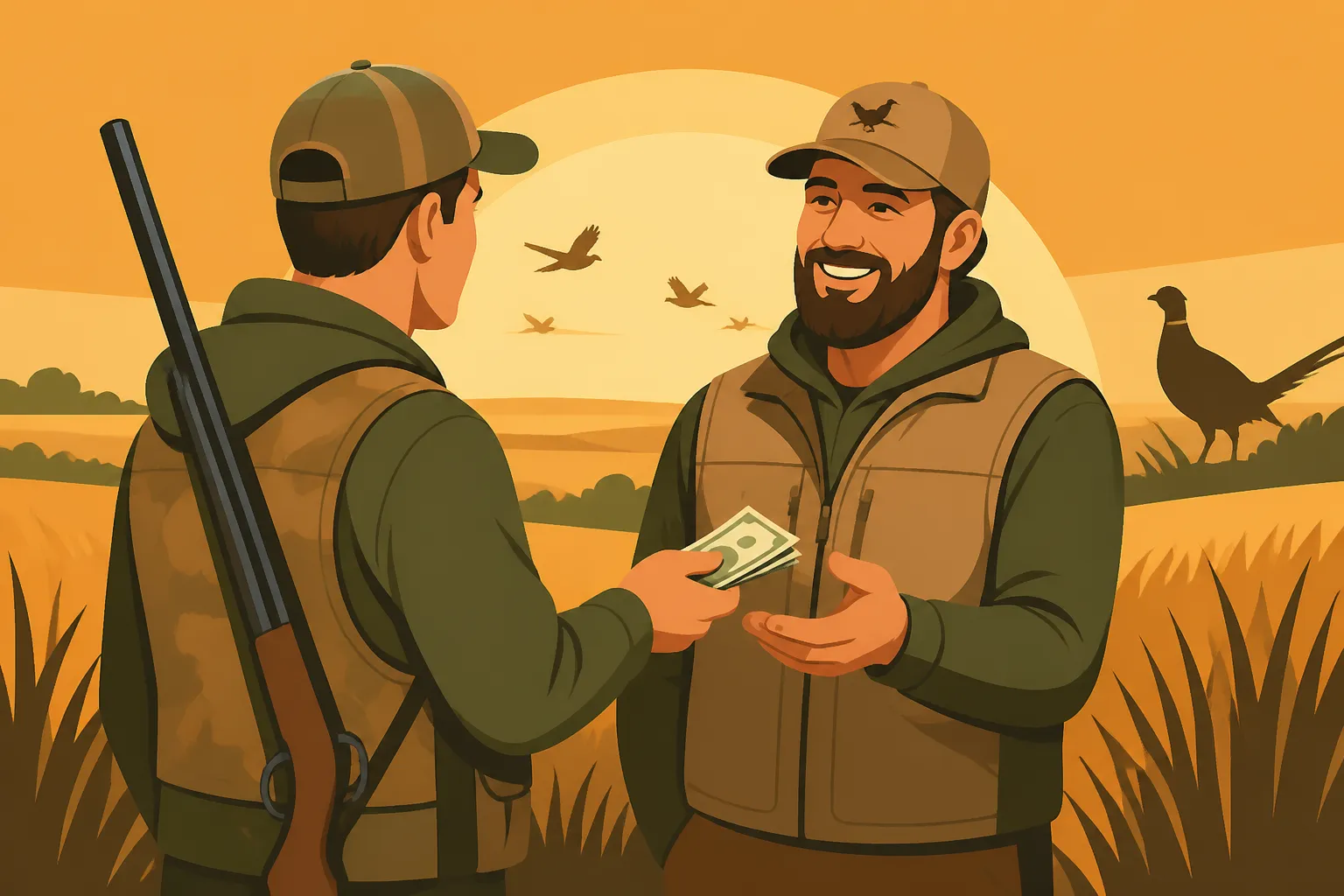
When it comes to the actual exchange, cash is almost always preferred and is the easiest method for guides. They often work long hours with limited access to banks or ATMs, and cash is immediately accessible. It also avoids any processing fees that might be associated with electronic payments.
If carrying a large sum of cash isn't feasible or comfortable for you, discuss alternatives with the outfitter beforehand. Some guides or outfitters might accept digital payments like Venmo or PayPal, or even a personal check. However, be aware that these methods might incur fees for the guide or take time to clear. If you use a digital method, consider covering any fees the guide might incur. The key is to be discreet and respectful; slipping a folded envelope or a handshake with cash is a time-honored tradition.
Tipping the Entire Team: Beyond Just the Guide
While the guide is often the primary contact and focus of your tipping consideration, a successful hunt operation usually involves a team of dedicated individuals working together behind the scenes. Recognizing these contributions shows a deep appreciation for the entire experience.
Recognizing Lodge Staff and Support Personnel
A well-run hunting lodge offers more than just a place to sleep; it provides comfort, sustenance, and a welcoming atmosphere. The cook who prepares delicious meals, the housekeeper who keeps the lodge clean, and any other support staff (like bird boys on an upland hunt or skinners/capers) all play vital roles. Without them, your overall experience would be significantly diminished.
It’s customary to also tip these individuals. Sometimes, an outfitter will have a communal tip jar or a system where you can leave a general tip for the staff, and the outfitter will distribute it. Other times, you might want to give individual envelopes to those who provided exceptional service. A good rule of thumb is to factor in an additional percentage of your hunt cost (e.g., 5-10%) specifically for the support staff, or consider a per-day amount for each person. Don't be shy about asking the outfitter upon arrival how they prefer staff tips to be handled.
When the Outfitter Owns the Operation
In some cases, especially with smaller, family-run operations, the outfitter might also be your primary guide. This can sometimes create a moment of awkwardness: do you still tip the owner? The answer is generally yes. While they are the business owner and benefit directly from your hunt fee, they are still performing the demanding, hands-on work of guiding you. Their effort, expertise, and hospitality are still valuable services that warrant recognition.
Think of it this way: even the owner of a restaurant receives a portion of the tips if they are actively serving tables. If the outfitter is personally guiding you, they are putting in the same physical and mental effort as any other guide. The same percentage guidelines apply, reflecting their direct service to you in the field. If they have other guides working for them, clarify how tips are shared or if they prefer a direct tip for themselves as guide, and separate tips for their staff.
Understanding Outfitter Contracts and Policies
Before you even arrive in Kansas, it’s wise to thoroughly review your outfitter's contract or website for any information regarding gratuities. Reputable outfitters, especially those listed on platforms like BookYourHunt or GoHunt, are often upfront about their tipping policies. Sometimes, gratuity might be included in the total package price, though this is less common for deer or turkey hunts and more typical for high-end, all-inclusive experiences or preserve hunts.
If gratuity is included, it's typically stated explicitly in the contract. If it's not mentioned, assume that tipping is expected and plan accordingly. Never hesitate to ask the outfitter directly when you're Choosing a Kansas Deer Outfitter or Booking a Kansas Whitetail Hunt With an Outfitter. A simple question like, "What are the customary tipping practices for your guides and staff?" can save you a lot of guesswork and ensure you're prepared.
Ethical Considerations and When to Adjust Your Tip
While tipping is a standard practice, it's also a reflection of the quality of service you received. This means there are times when you might feel compelled to tip more, and, rarely, situations where a lower tip or no tip at all might be warranted.
When to Tip More
You've planned this hunt, perhaps for a Kansas trophy buck, for months or even years. When the experience truly exceeds your expectations, a more generous tip is a fantastic way to show your appreciation. Here are some scenarios where a higher tip is well-deserved:
- Exceptional Effort Despite Poor Conditions: Some days, the weather simply doesn't cooperate, or the animals aren't moving. If your guide continued to work tirelessly, scouted new areas, and maintained an incredibly positive attitude even when the odds were stacked against them, that extra effort deserves a higher tip. Imagine them trudging through deep snow during Kansas Antlerless Hunts and Filling the Freezer or sitting through a torrential downpour to keep you comfortable.
- Going Above and Beyond in Service: Did your guide do something truly special? Perhaps they helped you with an incredibly difficult blood trail late into the night, provided extra amenities you didn't expect, or took amazing photos of your harvest. Exceptional hospitality, like making sure you were always warm, fed, and comfortable, despite challenges, also warrants a higher tip.
- Unforeseen Circumstances Handled Professionally: Life happens, even on a hunt. If you had a minor injury, a gear malfunction, or some other unexpected issue, and your guide handled it with professionalism, calmness, and effective problem-solving, that peace of mind is invaluable.
- Trophy Harvest and Memorable Experience: While harvest isn't the sole factor, if you successfully took a truly special animal and your guide's expertise was instrumental in that success, a more generous tip often feels natural. The pride and joy of a lifetime hunt are often directly linked to your guide's knowledge and strategic planning.
When to Consider Tipping Less (or Not at All)
This is a sensitive topic, as it’s rare that a guide truly merits a significantly reduced or zero tip. Most guides are dedicated professionals. However, a tip is earned, and if you genuinely receive subpar service that negatively impacts your safety, enjoyment, or the ethical standards of the hunt, you have the right to adjust your gratuity.
Valid reasons for a reduced tip might include:
- Safety Concerns: If your guide knowingly put you or others in an unsafe situation, showed negligence with firearms, or allowed unsafe practices, this is a serious issue that should be reflected in the tip and likely escalated to the outfitter or even authorities.
- Unprofessional or Unethical Behavior: This could include being consistently late, being unprepared, showing little effort, being rude, or engaging in unethical hunting practices.
- Clear Misrepresentation: If the hunt was significantly different from what was advertised or promised, and the guide's actions contributed to that disappointment (e.g., hunting private land that was clearly public, or lacking promised resources).
It’s crucial to differentiate between a tough hunt where the animals simply weren't cooperating (which is out of the guide's control) and a situation where the guide's performance was genuinely poor. If you find yourself in this rare situation, approach it respectfully. Don't use the tip as a weapon; instead, consider communicating your concerns directly to the guide or outfitter after the hunt.
The Importance of Communication and Feedback
Regardless of the tip amount, open and honest communication is always beneficial. If your guide did an amazing job, tell them! A heartfelt "thank you" and specific praise can be just as meaningful as a generous tip. They want to know their hard work is appreciated.
Conversely, if you had a negative experience, it's often more productive to provide constructive feedback directly to the guide or the outfitter. This allows them an opportunity to understand what went wrong, make improvements, or address any misunderstandings. A lack of tip without explanation leaves them guessing, and doesn't help improve future hunts. Ethical outfitters value feedback and use it to refine their services, ensuring a better experience for everyone, whether it's for Kansas Turkey Hunting Tactics for Spring Gobblers or Kansas Antlerless Deer Permits.
Navigating Booking and Tipping Expectations
Being prepared for the tipping aspect of your hunt starts long before you pack your bags. Integrating this consideration into your planning process will help ensure a smooth and enjoyable experience without any last-minute financial surprises.
Asking About Tipping Before You Book
One of the easiest ways to alleviate tipping anxiety is to simply ask about it upfront. When you're in the process of Choosing a Kansas Deer Outfitter or reaching out to potential guides, include a question about gratuities. A reputable outfitter will be transparent and happy to discuss their expectations. They might offer a general percentage range or clarify if tips for staff are pooled or individual.
This conversation not only helps you budget but also signals that you are a thoughtful and respectful client. Don't be shy about it; it's a common question, and it shows you're doing your due diligence. Services like BookYourHunt or GoHunt often provide platforms where you can ask these questions directly to outfitters before committing.
Budgeting for Gratuity in Your Hunt Costs
Many hunters meticulously budget for their hunt fee, license, travel, and gear, but completely forget to factor in the tip. This is a big mistake that can lead to an uncomfortable situation at the end of your trip. Treat the guide's gratuity as an integral part of your total hunt expense, just like your fuel or your Kansas Deer Permits and the Nonresident Draw.
When calculating your total expected cost, add 15-20% of the hunt price for tips (plus a bit extra for lodge staff if applicable). This way, the money is set aside, and you're not scrambling at the last minute or feeling financially strained. Having the cash ready and discreetly available allows you to focus on the hunt itself, rather than worrying about the logistics of payment.
Researching Outfitter Reviews
Beyond direct questions, take the time to read reviews and testimonials from previous clients. When looking at outfitters, particularly for hunts like Kansas Elk Permits and Fort Riley Hunts or general deer hunts, pay attention to what past hunters say about the guide's effort, the staff's hospitality, and the overall experience. Sometimes, hunters will even mention how they handled tipping, or if a particular guide went above and beyond.
While positive reviews about harvest success are great, look for comments that speak to the guide's character, work ethic, and ability to make the experience enjoyable, even on challenging days. This kind of research can give you a clearer picture of what to expect from the service, and thus, what kind of tip will feel appropriate at the end of your adventure. Sites like GoHunt often compile outfitter reviews, which can be a valuable resource in this regard.
Here’s a quick table to help summarize tipping considerations:
| Factor | Lower Tip Justification (Rare) | Standard Tip Justification | Higher Tip Justification |
|---|---|---|---|
| Guide's Effort | Indifferent, minimal preparation | Consistent, dedicated, knowledgeable | Exceptional, goes above and beyond |
| Safety & Professionalism | Compromised safety, unprofessional | Adhered to all safety, professional | Proactive safety, expert conduct |
| Hunt Conditions | N/A (guide can't control) | N/A (guide can't control) | Adaptable, creative despite tough conditions |
| Overall Experience | Negative, uncomfortable | Enjoyable, productive | Unforgettable, truly exceptional |
| Harvest Success | N/A (outcome not sole factor) | N/A (outcome not sole factor) | Contributed directly to trophy harvest |
| Lodge Staff | Poor service, dirty accommodations | Clean, good meals, helpful | Outstanding hospitality, personalized care |
Disclaimer
This article is for general informational purposes only and does not constitute professional advice. Laws, prices and regulations vary by location and change over time. Consult a qualified professional for guidance on your specific situation.