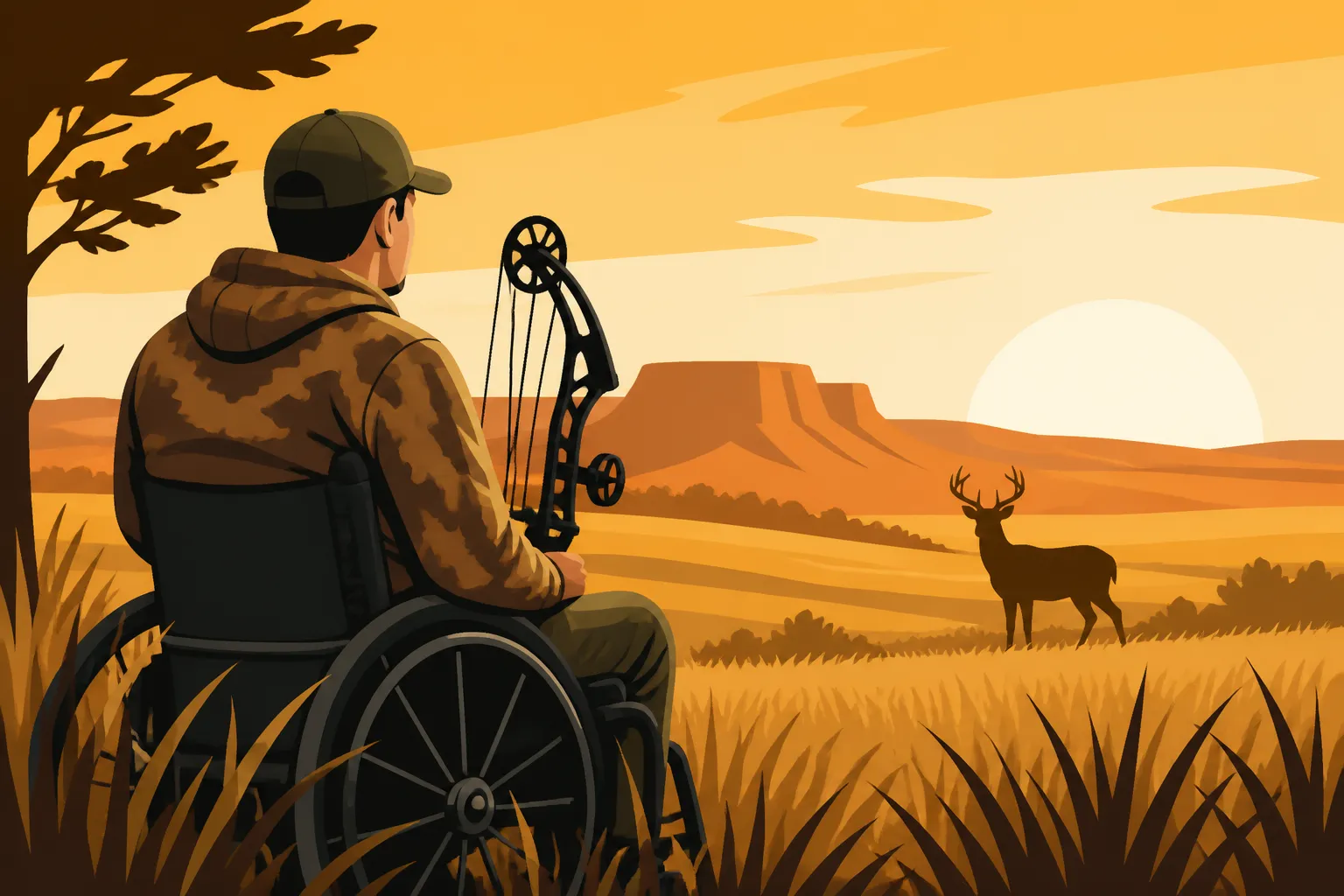
Hunts for Hunters With Disabilities
For hunters with disabilities, the dream of a successful hunt often comes with a unique set of challenges and frustrations, especially in a state like Kansas where vast open spaces can sometimes mask hidden accessibility barriers. This guide is here to cut through that complexity, offering practical advice and insight into finding and enjoying accessible hunting opportunities across the Sunflower State.
Understanding the Unique Challenges for Hunters with Disabilities
Hunting in Kansas, with its diverse landscapes of rolling hills, dense timber, and endless croplands, presents unique opportunities. However, for hunters with disabilities, these opportunities can sometimes feel out of reach without the right information and preparation. It's not just about getting to the hunting ground; it's about navigating the terrain, accessing stands, managing equipment, and ensuring safety in remote areas.
Mobility and Terrain Concerns
One of the most significant hurdles for many disabled hunters is navigating the actual hunting terrain. While Kansas is often perceived as flat, there are plenty of creek bottoms, steep river banks, and muddy crop fields that can be incredibly challenging for wheelchairs, mobility scooters, or even just walking with limited mobility. Think about trying to cross a freshly tilled milo field after a rain – that sticky, heavy mud can lock up even the most rugged all-terrain chairs. Scouting Kansas River Bottoms and Creek Draws highlights how difficult some of these areas can be.
Beyond the actual walking or rolling, consider the journey to the stand. Many prime hunting locations require navigating rough two-track roads, crossing fences, or traversing thick CRP grass. Standard public access points may not always accommodate wider vehicles or provide a smooth path to a blind. The effort required just to get into position can be exhausting, leaving less energy for the actual hunt.
Equipment and Accessibility Adaptaions
Another major consideration is specialized equipment. Traditional treestands or ground blinds might not be suitable or safe for all hunters. Adapting to a hunting lifestyle might mean investing in specialized wheelchairs designed for rough terrain, or custom-built ground blinds with ramp access. Even simple tasks like loading a harvested deer into a truck or dragging it out of a field can become monumental challenges without adaptive equipment or assistance. Getting a Deer Out of a River Bottom Alone underscores the general difficulty of deer recovery, which is magnified for hunters with disabilities.
Finding and financing these adaptations can be a significant barrier. While many innovative solutions exist, they often come at a premium. It’s important to research what’s available, what works best for your specific needs, and what assistance programs might be out there to help cover costs. Every hunter's situation is unique, and a one-size-fits-all approach simply doesn't work.
Kansas Regulations and Special Provisions for Accessible Hunting
Kansas, through the Kansas Department of Wildlife, Parks and Tourism (KDWP), does offer some provisions and considerations to help make hunting more accessible for individuals with disabilities. These are crucial to understand, as they can significantly expand your hunting options and ensure you're operating within legal guidelines.
Disability Permits and Exemptions
KDWP offers specific permits and exemptions designed to assist hunters with disabilities. For instance, there are permits that allow qualified individuals to hunt from a vehicle under certain conditions, which can be a game-changer for those with severe mobility limitations. This isn't a blanket rule, so you'll need to apply for the specific permit and meet the criteria set by the state. This could involve medical documentation and an application process, but it's well worth the effort for the increased access it provides.
It's also worth noting that some regulations, like those concerning crossbow use during archery seasons, may have specific exemptions for hunters with certain disabilities. Always check the most current Kansas hunting regulations summary or directly contact KDWP to ensure you understand all available provisions and how they apply to your situation. Kansas Hunter Education and Licensing Basics covers the general requirements, but specific disability rules are usually detailed separately.
Designated Accessible Hunting Areas
While not as common as general public hunting areas, Kansas does have some designated accessible hunting sites or features within larger public lands. These might include paved paths to blinds, specialized blinds built with ramps, or areas with more forgiving terrain specifically managed for accessibility. These areas are often found within state parks or larger wildlife areas.
It takes a bit of research to find these spots, as they aren't always widely advertised. The KDWP website or a direct call to a specific wildlife area office can often provide the most up-to-date information on accessible features. Sometimes, these sites require reservations or have limited capacity to prevent overcrowding and ensure a quality experience for all. Don't be shy about asking questions when you call; the staff are usually very helpful in pointing you toward suitable locations.
| Feature / Consideration | General Hunting Public | Hunters with Disabilities |
|---|---|---|
| Vehicle Use Off-Road | Generally Restricted | Possible with Special Permit |
| Crossbow During Archery | Season-Specific Rules | Possible with Medical Exemption |
| Blind/Stand Accessibility | Standard, Self-Adapted | Designated Accessible Blinds/Areas Available |
| Terrain Navigation | Standard Hiking/Walking | Specialized Mobility Aids, Paved Paths, Ramps |
| Assistance While Hunting | Limited | Often Encouraged/Permitted for Safety |
| Permit Application | Standard Process | May require additional medical documentation |
Finding Accessible Hunting Opportunities in Kansas
Once you understand the regulations, the next step is locating actual hunting spots. This can involve a mix of public and private land, each with its own advantages and disadvantages regarding accessibility. It's often a process of diligent research and networking.
Utilizing Public Lands and WIHA
Kansas boasts a substantial amount of public hunting land, including Walk-In Hunting Access (WIHA) tracts. While many of these are traditional farm fields and CRP grasslands, some may offer terrain that is more navigable or easier to access for hunters with disabilities. The KDWP's online hunting atlas is an invaluable tool for this, allowing you to filter by location and sometimes even by specific features. Kansas Walk-In Hunting Access Explained provides a great overview of the program.
When scouting WIHA or other public lands, look for tracts adjacent to paved roads or with established field entrances that minimize rough terrain. Pay close attention to aerial imagery to identify flatter areas, open timber stands, or even old farm roads that might provide easier access. Remember that even on WIHA, you'll still need to respect general regulations and landowner agreements regarding vehicle use. Calling the local KDWP office responsible for a particular public area can also yield critical information about specific accessible features or areas that might be less challenging. Many wildlife area managers are deeply knowledgeable about their properties.
Engaging with Outfitters and Guides
For many hunters with disabilities, especially those traveling from out of state or with very specific needs, a reputable outfitter or guide can be an absolute game-changer. These professionals often have access to private land and can provide crucial logistical support, specialized equipment, and knowledgeable assistance that makes a hunt possible and enjoyable.
When searching for an outfitter, prioritize those who explicitly state they cater to hunters with disabilities or have a proven track record of doing so. Don't be afraid to ask very specific questions about their facilities: "Do you have ground blinds with wheelchair ramps?" "Are your vehicles capable of navigating rough terrain to drop me close to the stand?" "Can you provide assistance with game retrieval?" Websites like BookYourHunt can be a good starting point to search for outfitters, but always follow up with direct, detailed conversations. Be upfront about your needs and limitations so they can honestly assess if they can provide a safe and successful experience. You want to make sure their "accessible" definition matches your needs. Choosing a Kansas Deer Outfitter details the general process of selecting a guide, which becomes even more critical when seeking accessible options.
Gear and Adaptations for Mobility and Other Needs
The right gear can transform a challenging hunt into a memorable experience. While some adaptations are highly specialized, others are simply smart choices that can benefit any hunter, regardless of mobility.
Specialized Mobility Equipment
For hunters relying on wheelchairs or other mobility devices, the options have expanded considerably. All-terrain wheelchairs, often motorized, can handle much rougher ground than standard chairs, opening up access to more diverse habitats. Some are even designed for silent operation, crucial for getting into position without spooking game. Tracked chairs, while heavier and more expensive, offer unparalleled off-road capability.
Beyond the chair itself, consider accessories like hoists for loading game, portable ramps for vehicle access, or even specialized shooting rests that can be mounted to a chair. The goal is to reduce physical strain and increase independence. It's a significant investment, but these tools empower you to pursue your passion without unnecessary limitations.
Hunting Aids and Support Systems
It's not just about mobility; other hunting aids can make a huge difference. For those with limited upper body strength or dexterity, adaptive shooting devices can stabilize a rifle or bow, allowing for accurate shots. Electronic hearing aids are invaluable for hearing subtle game movements, and even specialized optics that can be mounted for easy viewing can enhance the experience.
Support systems extend beyond equipment to human assistance. Many hunters with disabilities rely on a trusted hunting partner or guide. This isn't just about physical assistance; it's about having an extra set of eyes and ears, and someone to share the experience with. KDWP often has provisions for assistants to accompany disabled hunters, sometimes without needing their own permit if they are solely there to assist. Always confirm these rules before you head afield.
Resources and Support Networks for Disabled Hunters
You are absolutely not alone in your pursuit of accessible hunting. There are incredible organizations and networks dedicated to supporting hunters with disabilities, offering everything from mentorship to adaptive equipment and guided hunts.
Non-Profit Organizations and Foundations
Numerous non-profit organizations exist specifically to empower hunters with disabilities. Groups like the National Wild Turkey Federation (NWTF) or Safari Club International (SCI) often have chapters or programs dedicated to accessible hunting. There are also smaller, more specialized foundations focused solely on providing hunting opportunities for individuals with disabilities, sometimes even fully funding trips or providing adaptive gear.
These organizations are invaluable resources. They can connect you with experienced mentors, provide information on accessible hunting properties, and even organize fully supported hunts. A simple online search for "disabled hunter organizations Kansas" or "accessible hunting programs" will yield a wealth of contacts. Many of these groups host events or expos where you can try out adaptive equipment and meet fellow hunters facing similar challenges.
Online Communities and Forums
The digital age has brought together communities of disabled hunters from across the country and even globally. Online forums, social media groups, and specialized websites (like GoHunt, which can help with e-scouting and identifying public land characteristics that might suit specific accessibility needs) are fantastic places to share experiences, ask questions, and get recommendations. These communities often have members who have "been there, done that" and can offer practical advice on everything from specific gear recommendations to navigating permit applications in Kansas.
Joining these communities can provide not only practical tips but also a strong sense of camaraderie. Hearing stories of successful hunts and overcoming challenges can be incredibly motivating and inspiring. Don't underestimate the power of shared knowledge and encouragement when facing the unique obstacles of accessible hunting. You'll find that the hunting community, by and large, is incredibly supportive and eager to help fellow sportsmen and women get out into the field.
Disclaimer
This article is for general informational purposes only and does not constitute professional advice. Laws, prices and regulations vary by location and change over time. Consult a qualified professional for guidance on your specific situation.