Day Rate Versus Package Price in Kansas
Hunting in Kansas can be an incredible experience, but navigating the myriad of hunting opportunities and their pricing structures can feel like trying to track a ghost buck in a blizzard. You're looking at outfitters, dreaming of that big Kansas whitetail, and suddenly you're faced with "day rates" and "package prices," and it's not always clear what you're actually getting for your hard-earned money. This guide aims to pull back the curtain on these pricing models, helping you understand the real differences and make an informed decision for your next hunt in the Sunflower State.
Understanding Day Rate Hunts in Kansas
A day rate hunt, as the name suggests, means you're paying for each individual day you spend hunting with an outfitter or guide. This can seem appealing at first glance because the upfront per-day cost might appear lower than a full package. It offers a certain level of flexibility, which can be a huge draw for local hunters or those with very specific, limited timeframes. However, it's crucial to understand what is typically not included, as these omissions can quickly add up and turn a seemingly budget-friendly option into a surprise expense.
What's Typically Included in a Day Rate?
Generally, a day rate in Kansas will cover the absolute essentials. This often means you get access to the hunting ground for that specific day, a guide who might drop you off at a stand or blind, offer some scouting advice, and perhaps assist with game recovery if you're successful. Some day rates might include a basic lunch or a drink, but don't count on it as a standard offering. It's essentially buying a ticket for a single day's opportunity, with the expectation that you're largely self-sufficient in terms of lodging, meals, and other logistics.
For instance, you might book a day rate for a specific two days during the Kansas Rut Timing in Kansas to target a cruising buck. The outfitter might assign you a pre-set stand or advise on a Best Stand Locations in Flat Farm Country based on recent deer movement. Your guide will be there to get you to your spot before first light and pick you up after dark, but the rest of the experience – where you sleep, what you eat, how you get there – is entirely your responsibility. This is where the perceived savings can begin to erode if you haven't budgeted for everything else.
When a Day Rate Makes Sense
Day rates shine for hunters who live relatively close to their hunting destination or those with very specific, non-continuous hunting windows. If you're a Kansas resident, for example, and only have a long weekend or a couple of random weekdays to hunt, a day rate could be perfect. You can drive to the hunting property, hunt all day, and drive home or stay in a nearby motel. This model allows you to tailor your hunt precisely to your availability, rather than committing to a fixed, multi-day package.
It's also a good option for experienced hunters who prefer a high degree of independence but want access to proven ground. You might not need constant guidance or an all-inclusive experience; you simply want a solid piece of property that holds game, and you're confident in your own ability to scout, strategize, and execute your hunt. Perhaps you're looking for a specific, short-window opportunity, like a Kansas Antlerless Hunts and Filling the Freezer after you've tagged out on a buck, and only need a day or two to accomplish that goal.
Hidden Costs and Considerations
The biggest pitfall of day rate hunts is underestimating the additional expenses. When comparing a day rate to a package price, hunters often just look at the daily number and multiply. However, lodging can quickly become a significant cost. Are you staying in a hotel, renting an Airbnb, or camping? Food is another consideration; will you be buying all your meals out, or can you prepare them yourself? Transportation to and from the hunting area, and even daily transport around the property, might not be included. Many outfitters provide transport to stands with a package, but for a day rate, you might be driving your own vehicle, or shuttling yourself around.
Don't forget the practical necessities that go beyond the hunt itself. If you harvest an animal, what are the arrangements for Deer Processing After a Kansas Hunt? Is the guide responsible for helping you track and retrieve it? Is there an extra fee for quartering or caping? And of course, there's the customary Tipping a Kansas Guide. While this is a good practice for any guided hunt, it's an additional cost that needs to be factored in. All these individual components can add up, potentially making a day rate hunt more expensive than a seemingly higher-priced package if you're not meticulous in your planning.
Deciphering Kansas Package Hunt Prices
Package hunts, often referred to as "all-inclusive" or "turnkey" experiences, aim to bundle most, if not all, aspects of your hunting trip into one fixed price. This model is extremely popular, especially for nonresident hunters coming to Kansas, as it simplifies the planning process and provides a clear financial picture from the outset. You'll typically pay a single sum for a multi-day hunt, and the outfitter handles many of the logistics that would otherwise fall to you.
Common Elements of an All-Inclusive Package
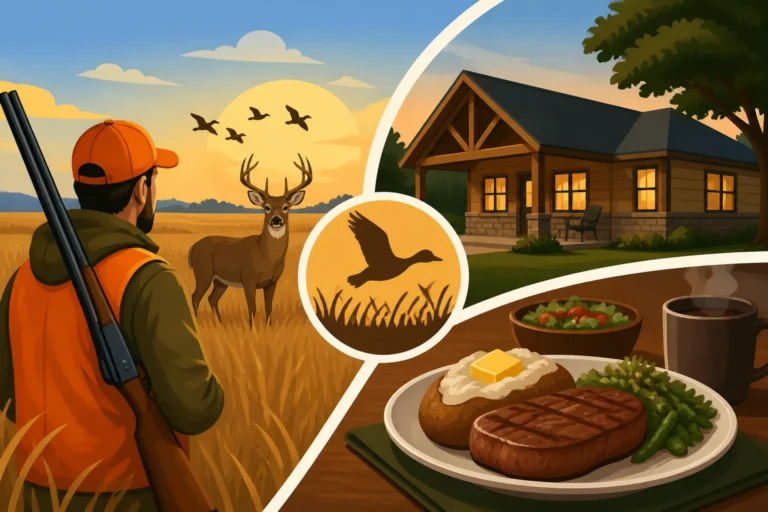
A typical Kansas package hunt will include several key components designed to make your trip as seamless as possible. Lodging is almost always part of the deal, whether it's a dedicated hunting lodge, a comfortable cabin, or even a converted farmhouse on the property. Meals are usually provided, often home-cooked and hearty, reflecting the local flavor of Kansas. Guide services are a given, with dedicated support for scouting, stand placement, transportation to and from hunting locations, and assistance with game recovery and initial field dressing.
Many packages also include local transportation once you arrive at the lodge, covering shuttles to and from different hunting areas. Some even go further, offering services like caping for taxidermy or basic freezer storage for your game. The idea is that once you arrive, your primary focus can be solely on the hunt itself, with the outfitter taking care of the day-to-day practicalities. This level of comprehensive service is a significant reason why many hunters opt for packages, valuing the convenience and predictability. For a deeper look at what to expect, check out What a Kansas Hunt Price Includes.
Types of Package Hunts Available
Not all packages are created equal, and understanding the different levels of service is key.
- Fully Guided Hunts: This is the most hands-on option. Your guide will be with you, or in very close communication, throughout your hunt. They'll often take you to and from stands, scout in real-time, and provide extensive advice. This is ideal for less experienced hunters or those who prefer maximum support and local expertise.
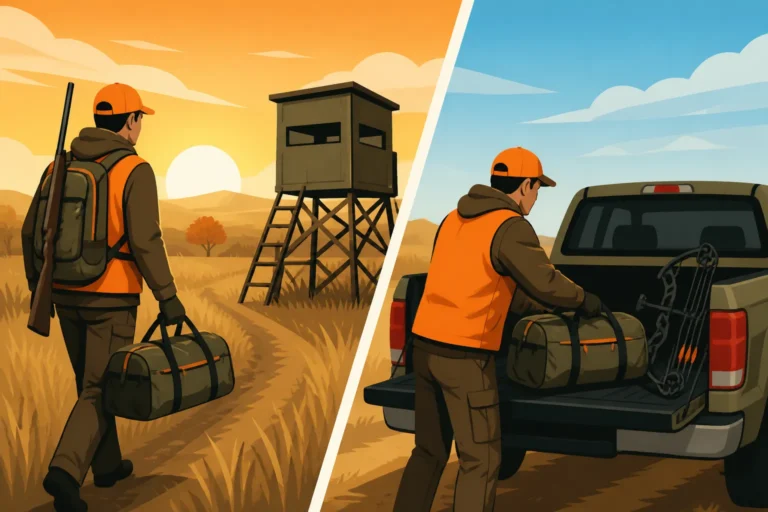
- Semi-Guided Hunts: A popular middle-ground, semi-guided hunts provide access to prime land and pre-scouted stand locations, but the hunter has more independence. The guide will typically get you oriented, show you the property, review maps, and provide intel, but you'll often get yourself to and from stands and make more of your own in-field decisions. This offers a balance of support and autonomy.
- Self-Guided Lease Hunts: While often referred to in the context of packages, these are essentially leases of hunting ground for a set period, sometimes with basic lodging included. There's minimal, if any, direct guiding. This is for the truly independent hunter who wants to run their own show on private, managed land. Many platforms, like GoHunt or BookYourHunt, can help you explore these different types of offerings and compare features directly. For more details on these options, consider reading Kansas Semi-Guided and Self-Guided Hunts.
Value Proposition of a Package
The primary value of a package hunt lies in its convenience and simplified budgeting. Knowing most of your major expenses are covered upfront allows you to plan your finances with greater certainty, avoiding those unwelcome surprises that can pop up with day rates. This comprehensive approach means less stress over logistics, leaving you more mental energy to focus on the hunt. For many, the peace of mind that comes from knowing accommodations, meals, and expert guidance are all handled is well worth the bundled price.
Furthermore, packages are often structured for multi-day experiences, allowing you to settle into the rhythm of the hunt. Deer hunting, especially for elusive Kansas whitetails, often requires patience and multiple sits. A package gives you the time to learn the property, adapt to conditions, and increase your chances of success without the pressure of a ticking daily clock that you're paying for individually. It fosters a more immersive and less rushed hunting experience, which can be invaluable when pursuing big game.
Making the Right Choice for Your Kansas Hunt
Choosing between a day rate and a package isn't just about the dollar amount; it's about aligning the hunt with your personal preferences, budget realities, and desired level of involvement. There's no single "best" option, only the best option for you. Understanding your own needs and expectations is the first step in making the right decision.
Evaluating Your Budget and Time Commitment
When looking at budget, don't just compare the advertised daily cost versus the total package price. Instead, estimate the total cost for the entire trip, including all potential "hidden" expenses for day rates. Factor in the cost of lodging, all meals, transportation, and any potential extra services like game processing or specific guiding needs. Sometimes, a package that seems more expensive upfront might actually be a better value once every single cost is accounted for. For instance, if you're traveling a long distance, the cost of flying, renting a vehicle, and eating out for multiple days can quickly overshadow the difference in outfitter fees.
Your time commitment is equally important. If you can only realistically carve out one or two scattered days for hunting throughout the season, a day rate might be more practical than trying to squeeze a full five-day package into an impossible schedule. Conversely, if you're dedicating a solid week or more to your hunt, a package often provides a more relaxed and fulfilling experience without the stress of daily re-booking or feeling rushed. Think about how much personal time you have available to manage logistics versus how much you want to simply show up and hunt.
Skill Level and Desired Experience
Your hunting skill level and how much assistance you prefer play a huge role. If you're a seasoned hunter who loves the challenge of figuring out a property on your own, setting your own stands, and relying purely on your instincts, a day rate or a self-guided lease might be perfect. You're paying for access and perhaps basic recovery, but you're in command. This aligns with a more DIY approach to hunting in Kansas.
However, if you're newer to hunting, unfamiliar with Kansas terrain and deer behavior, or simply want to maximize your chances and learn from an expert, a fully guided package offers immense value. A knowledgeable guide can provide critical insights into Kansas Whitetail Hunting Tactics Through the Rut, local deer patterns, and Best Kansas Counties for Public Access that would take years to acquire on your own. Many hunters also appreciate the camaraderie and shared experience that comes with a fully catered lodge environment. Consider how much guidance you truly want versus how much independence you crave.
Questions to Ask Before Booking
Regardless of whether you choose a day rate or a package, transparency is key. Don't be shy about asking detailed questions before you commit.
- What exactly is included? Get a clear, itemized list for both options.
- What is not included? This is just as important. Ask about licenses, tags (like Kansas Deer Permits and the Nonresident Draw), transportation to and from the lodge/field, specific meals, drinks, game processing, caping, and any trophy fees.
- Are there any additional fees? Inquire about hidden costs, fuel surcharges, or minimum tipping expectations.
- What are the accommodation details? If lodging is included, what are the facilities like? Shared rooms, private rooms, showers, heat?
- What is the guide-to-hunter ratio? This indicates how much individual attention you might receive.
- What happens if I tag out early? Will you be able to continue hunting for other species, or are you expected to leave?
- What are the deposit and cancellation policies? This is critical. Check out Deposits and Cancellation Terms in Kansas for more insights.
- Can I get references? Speaking to past clients can provide invaluable, unbiased feedback.
Getting everything in writing, perhaps in a detailed Outfitter Contracts and Deposits in Kansas, is always a smart move to avoid misunderstandings down the road.
Additional Factors to Weigh
Beyond the direct costs and inclusions, a few other considerations can sway your decision when evaluating Kansas day rates versus package prices. These often involve administrative hurdles, logistical challenges after the harvest, and how you find and book your hunt.
Permit and License Logistics
One often-overlooked aspect, especially for nonresident hunters, is the permit and license process. Kansas operates on a draw system for nonresident deer permits, which means you need to apply well in advance, typically in April. Will your outfitter assist with this process, or are you entirely on your own? Some outfitters offer guidance or even assistance in ensuring you apply correctly, helping you understand options like choosing a Kansas Primary Unit and an adjacent unit.
With a package hunt, some outfitters might offer more support in navigating the Kansas Department of Wildlife, Parks and Tourism (KDWP) website, providing links or even reminding you of deadlines. For day rate hunters, you'll generally be responsible for understanding and securing all necessary Kansas Hunting Licence and Permit Costs and tags on your own, which adds another layer of planning to your plate. Ensure you factor in the cost and effort of acquiring these necessary documents, as no hunt can proceed without them.
Post-Harvest Services
The moment of truth arrives when you finally get that trophy buck down. What happens next? With a day rate, you might find yourself field dressing and hauling your animal primarily on your own, with limited assistance from the guide, unless explicitly negotiated. For larger animals like a whitetail buck, this can be a significant undertaking, especially if you're alone or hunting in a challenging river bottom. You'll then need to arrange for Getting a Deer Cooled in September and processed.
Package hunts often include comprehensive post-harvest services, which can be a huge relief. This typically means the guide will assist fully with tracking, retrieval, field dressing, and transport back to the lodge. Many lodges have facilities for initial processing, cooling, and even freezer storage until you depart. Some outfitters also have partnerships with local Deer Processors Near Kansas Lodges or taxidermists, simplifying the process of getting your meat cut and packaged or your trophy prepared. If you're planning for Shipping a Cape and Antlers Home, these services can be invaluable.
The Role of Hunt Booking Platforms
In today's digital age, platforms like BookYourHunt and GoHunt have become increasingly popular for finding and booking hunting trips. These services can be incredibly helpful when comparing day rates and package prices across multiple outfitters in Kansas. They often provide detailed listings that break down what's included, what's excluded, and offer a transparent way to compare different offerings side-by-side. You can often see reviews from previous clients, read through itineraries, and get a better sense of an outfitter's reputation before making contact.
Using these platforms can save you a significant amount of research time, as they consolidate information that would otherwise require sifting through countless individual outfitter websites. When using them, pay close attention to the filter options and read the fine print on each listing to ensure you're comparing apples to apples. While they provide a fantastic starting point, remember to still engage directly with the outfitter to ask specific Questions to Ask a Kansas Outfitter and ensure all your needs and expectations are clearly understood and documented.
| Feature | Day Rate Hunt (Typically) | Package Hunt (Typically) |
|---|---|---|
| Pricing Structure | Per day, variable total cost | Single, fixed price for multiple days |
| Inclusions | Access to land, guide for drop-off/pickup, basic recovery | Lodging, meals, full guide service, transport, game handling |
| Exclusions | Lodging, most meals, extensive guide time, extra services | Licenses/tags, personal gear, sometimes trophy fees |
| Flexibility | High for short, non-continuous hunts | Lower, fixed itinerary |
| Convenience | Low, requires significant self-management | High, many logistics handled by outfitter |
| Ideal For | Local hunters, experienced DIYers, short specific trips | Nonresidents, less experienced hunters, comprehensive experience |
| Budgeting | Can be misleading if hidden costs aren't factored in | Predictable, clearer total cost |
| Post-Harvest | Mostly hunter's responsibility | Outfitter assistance for field dressing, transport, initial storage |
Disclaimer
This article is for general informational purposes only and does not constitute professional advice. Laws, prices and regulations vary by location and change over time. Consult a qualified professional for guidance on your specific situation.