What a Kansas Guided Deer Hunt Costs
Trying to figure out the cost of a guided deer hunt in Kansas can feel like trying to hit a moving target in the fog – confusing, frustrating, and often leaving you with more questions than answers. You’ve heard the legends of monster whitetails, but the price tag attached to chasing them with a professional guide isn’t always clear. This comprehensive guide is here to shed light on exactly what goes into the cost of a guided Kansas deer hunt, helping you understand the variables and budget effectively for that dream trip.
Why Consider a Guided Deer Hunt in Kansas?
Let's face it, Kansas has a reputation for producing some absolutely incredible whitetail deer. The fertile agricultural lands, diverse habitat, and excellent genetics combine to make it a bucket-list destination for many deer hunters. But getting access to quality ground, understanding local deer movement, and navigating the complexities of a new area can be a huge hurdle. This is where a guided hunt often shines, offering a distinct advantage that goes far beyond just having someone show you a stand.
The Value of Local Expertise and Pre-Scouted Ground
One of the biggest struggles for any out-of-state hunter, or even a local venturing into new territory, is the sheer amount of time it takes to scout effectively. You can spend weeks, if not months, pouring over aerial maps, looking for pinch points, food sources, and bedding areas. Then, you have to actually put boots on the ground, dealing with access issues, understanding prevailing winds, and deciphering fresh sign. A guide eliminates much of this legwork. They've likely been hunting the same properties for years, accumulating an invaluable wealth of knowledge about individual buck movements, historical rutting patterns, and preferred bedding locations. They know which stands work on a north wind versus a south wind, and where deer will move when pressure is high.
Imagine arriving in Kansas with limited time, say five or six days to hunt. Without a guide, you'd spend precious daylight hours trying to locate deer, identify good ambush spots, and perhaps even bump animals just trying to learn the lay of the land. With a guide, you arrive, get a quick briefing, and often head straight into a high-percentage setup. This means maximizing your actual hunting time, which for many busy hunters, is the most valuable commodity of all. That local expertise also means they can react to changing conditions, like an unexpected cold front or shifting wind, much faster than you could on your own.
Minimizing Logistics and Maximizing Opportunity
Beyond just knowing where to hunt, a guided operation takes care of so many other details that can eat into your hunt enjoyment. Think about it: securing lodging, arranging meals, transportation to and from hunting areas, retrieving and field dressing your deer, getting it to a processor, or even caping it for a taxidermist. These are all significant logistical considerations, especially if you're traveling from hundreds or thousands of miles away. Trying to coordinate all of this yourself, often in an unfamiliar town, can add stress and subtract from the overall experience.
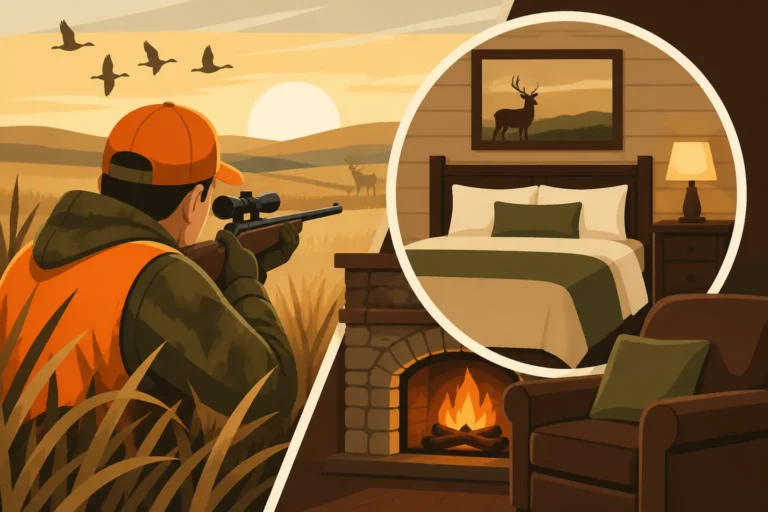
A good outfitter handles these elements, allowing you to focus on the hunt itself. You wake up, eat a hot breakfast, get driven to your stand, and after the morning sit, you return to a warm meal and a comfortable bed. If you harvest a deer, they're there to help with recovery and initial processing, ensuring your hard-earned venison is cared for properly. This level of service transforms a complicated expedition into a focused, enjoyable hunting vacation. While the cost might seem steep at first glance, for many, the time saved, stress avoided, and increased chance of success make a guided hunt an incredibly worthwhile investment, helping them achieve their goal of harvesting a mature Kansas Whitetail Deer and Why They Grow Big.
Understanding the Factors Influencing Guided Hunt Costs
The price tag on a guided Kansas deer hunt isn't a single, fixed number; it's a spectrum influenced by a multitude of variables, much like buying a car. You can find entry-level options or luxury experiences, and the cost directly reflects what you get. Understanding these factors will help you decipher pricing and find an outfitter that aligns with both your expectations and your wallet.
Duration of the Hunt and Group Size
One of the most straightforward factors affecting cost is the length of your hunting trip. Most guided deer hunts in Kansas are offered in packages, typically ranging from three to seven hunting days. Naturally, a longer hunt package will cost more than a shorter one. A standard 5-day hunt is often the sweet spot, providing enough time to settle in, experience varied weather patterns, and account for slow days, but without stretching the budget too thin or requiring too much time off work. Shorter 3-day hunts might be available, especially for antlerless-only opportunities or as a late-season add-on, but they offer less margin for error or challenging conditions.
The size of your hunting party can also play a role, though not always directly in the per-hunter price. Some outfitters offer discounts for larger groups, while others simply have a maximum capacity for their lodges and hunting properties. If you're looking to book with a few buddies, it's always worth inquiring about group rates. Conversely, if you're a solo hunter, you'll likely pay the standard per-person rate, though some operations might require a minimum of two hunters or charge a single-occupancy supplement for lodging.
Inclusions and Amenities Offered
This is where the true difference in price points often becomes apparent. A fully guided, all-inclusive hunt will naturally sit at the higher end of the spectrum compared to a semi-guided or self-guided lease. So, what exactly falls under "inclusions and amenities"?
- Lodging: Does the outfitter provide comfortable lodge accommodations with private rooms, or is it more of a bunkhouse style? Some higher-end operations might offer individual cabins, while others might include motel stays in nearby towns. The quality and privacy of lodging significantly impact the overall price.
- Meals: Is three square meals a day, plus snacks and drinks, part of the package? Are these home-cooked meals at the lodge, or do you receive vouchers for local restaurants? The dining experience varies widely and directly affects cost.
- Guiding Services: Is it a 1:1 guide-to-hunter ratio, or 1:2 or even 1:3? A more personal, dedicated guide experience typically means a higher price. This includes transport to and from stands, assistance with deer recovery, and often help with field dressing and getting the animal to the processor.
- Pre-Set Stands/Blinds: Most guided hunts include access to pre-scouted and pre-hung treestands or ground blinds. The sheer number of stand options, the quality of the equipment, and how frequently they are moved based on deer movement all contribute to the value. Some outfitters even offer Ground Blinds in Open Country as a primary hunting method.
- Game Care: Does the outfitter handle all aspects of game care once the animal is down, from tracking to skinning, caping, and quartering, and then transporting it to a local meat processor or taxidermist? This can be a huge convenience, especially for non-local hunters.
Outfitters that provide a comprehensive, turn-key experience, from the moment you arrive until you depart with your deer meat and trophy, will command a higher price. Those offering fewer amenities, perhaps just a place to stay and access to property with stands, will be more budget-friendly. It's crucial to get a detailed list of what's included before booking, as What a Kansas Hunt Price Includes can vary dramatically from one outfitter to another.
Season Timing and Weapon Choice
When you hunt in Kansas can drastically affect the cost. The legendary rut period, typically the first two weeks of November, is prime time for chasing big bucks and is almost universally the most expensive booking window. Demand is highest then, and outfitters know they can fill those dates easily. Booking a Kansas Rut Hunt Price in November will almost always cost more than an early September archery hunt or a late December firearm hunt.
- Archery Season (September-December): Offers the longest window. Early season (September/October) can be hot, but deer are often patterned around food and water. The pre-rut and rut in late October/early November are peak times. Late season (December) after the firearm season can be good for finding deer on late-season food sources, but cold weather means longer sits. Kansas Archery Deer Season Dates extend into early January for some units, offering another opportunity.
- Muzzleloader Season (September): A short, specific season that often overlaps with early archery. It can be a fantastic time to hunt with less pressure. Kansas Muzzleloader Deer Season dates are limited, and these hunts often command a price comparable to early archery.
- Firearm Season (December): Generally a 12-day season in early December. This is a popular time, but often follows the rut and can be colder. Kansas Firearm Deer Season Dates are fixed, and these hunts are typically priced competitively, often slightly less than prime rut archery.
Your chosen weapon also plays a role in demand and pricing. Archery hunts, due to their longer duration and skill requirement, sometimes have a different pricing structure than the shorter firearm season. Outfitters often offer specific Kansas Archery Deer Hunt Cost or Kansas Firearm Season Hunt Price packages, so be sure to specify your preferred method when inquiring.
Quality of the Property and Deer Herd
This is perhaps the most significant, yet intangible, factor. Outfitters who lease or own hundreds, even thousands, of acres of prime deer habitat – properties with a proven history of producing mature, trophy-class whitetails – can charge a premium. These properties often feature:
- Strategic habitat management: Food plots, timber stand improvements, and strategic cover.
- Strict antler restrictions: Often requiring hunters to shoot bucks of a certain age or antler size to maintain a healthy, mature herd.
- Low hunting pressure: Limited hunter numbers per season to prevent burning out the property.
An outfitter with exclusive access to expansive, well-managed ground where a significant number of mature bucks are harvested annually can justify a higher price. You're not just paying for a guide; you're paying for access to a truly exceptional hunting experience and a higher probability of encountering a buck of a lifetime. Conversely, operations on smaller, less intensely managed properties might offer more budget-friendly options, but perhaps with a slightly lower chance of harvesting a true trophy.
Types of Guided Hunt Packages and Their Costs
When you start researching guided hunts in Kansas, you'll quickly realize that "guided" isn't a one-size-fits-all term. Outfitters typically offer a spectrum of services, each with a different level of involvement and, consequently, a different price point. Understanding these distinctions is crucial for finding the right fit for your budget and hunting style.
Fully Guided Hunts: The All-Inclusive Experience
This is often what people envision when they think of a "guided hunt." A fully guided package is the most comprehensive and, therefore, the most expensive option. It's designed for hunters who want to minimize logistics and maximize their time in the stand, with everything taken care of from start to finish.
With a fully guided hunt, you can expect:
- Dedicated Guide Service: You'll have a guide (often with a ratio of 1 guide per 1-2 hunters) who will take you to and from your stand each day. They'll drop you off before legal light and pick you up after dark, often checking in on you via radio or text during the hunt. They're intimately familiar with the properties and will put you in stands based on current conditions, wind, and known deer movement.
- Lodging and Meals: Comfortable accommodations, usually at a lodge or guesthouse, and delicious home-cooked meals (breakfast, lunch, dinner) are standard. Snacks, drinks, and sometimes even packed lunches for the stand are also included.
- Pre-Scouted Stands: Access to numerous pre-hung treestands, ladder stands, or ground blinds that have been strategically placed based on scouting and trail camera data.
- Game Recovery and Care: If you harvest a deer, the guide will assist with tracking, recovery, field dressing, and often transportation of your deer to a local processor or taxidermist. They might even help cape your trophy for mounting.
- Transportation: Usually included once you arrive at the lodge, covering trips to and from hunting areas.
This type of hunt is ideal for the hunter who wants a high-probability shot at a mature buck without the stress of planning and logistics. It's an investment in a seamless, high-quality experience. The Cost of a Guided Kansas Deer Hunt in this category will be at the upper end of the price scale, but for many, the peace of mind and increased chances of success are well worth it. You can often find these types of hunts listed on platforms like BookYourHunt, where you can compare different outfits and their offerings.
Semi-Guided Hunts: A Balance of Support and Independence
Semi-guided hunts offer a middle ground between a fully independent hunt and a full-service experience. They're generally more affordable than fully guided options while still providing valuable support. This option is great for hunters who are comfortable making some of their own decisions in the field but still want the benefit of local knowledge and property access.
What a semi-guided hunt often includes:
- Property Access and Stand Location Guidance: The outfitter will provide access to their hunting properties and give you detailed information about stand locations, current deer activity, and areas to focus on. They might even provide maps or GPS coordinates.
- Pre-Set Stands (Often): Many semi-guided operations still have pre-hung stands, but you might be responsible for getting yourself to and from them. Sometimes, you're allowed to hang your own stands as well.
- Lodging (Sometimes): Some semi-guided packages include lodging, though it might be more rustic or require you to prepare your own meals. Others might simply provide recommendations for local motels or cabins.
- Limited Guide Interaction: You'll likely have an initial meeting with the outfitter or guide to go over the property and recent deer activity. They might be available for questions or assistance during the hunt, but they won't typically be accompanying you to the stand each day.
- Game Recovery Assistance (Often): Help with tracking and recovery is usually available, but you might be responsible for field dressing and getting the deer to a processor yourself.
This option appeals to hunters who enjoy the challenge of figuring out some aspects of the hunt on their own but want the confidence of hunting quality, managed ground. The What a Semi-Guided Kansas Hunt Costs will typically be less than a fully guided trip, making it a popular choice for those looking to stretch their budget without sacrificing access to good land.
Self-Guided Lease Hunts: The DIY Approach with Access
At the most budget-friendly end of the "guided" spectrum are self-guided lease hunts. While not truly "guided" in the traditional sense, they offer access to private land without the intensive outfitter services. These are essentially private land leases for a set period, often arranged through an outfitter or landowner who manages multiple properties.
Expectations for a self-guided lease hunt:
- Private Land Access: This is the core offering – exclusive or semi-exclusive access to a specific piece of private hunting property for your hunt dates.
- No Guiding Services: You are entirely on your own for scouting, stand placement, transportation, game recovery, and processing. You're responsible for everything from arrival to departure.
- No Lodging or Meals: You'll need to arrange your own accommodations (hotel, RV, camping) and food.
- Minimal Interaction: You might receive a map of the property and a brief overview, but interaction with the landowner or outfitter is minimal.
This option is best suited for experienced, self-sufficient hunters who enjoy the challenge of a truly DIY hunt but don't have the connections or time to secure private land access themselves. The main benefit is gaining entry to potentially prime Kansas deer habitat that would otherwise be unavailable. The Kansas Self-Guided Lease Prices will be the lowest among the options, making it the most economical way to hunt private land in Kansas without a full guide service. Platforms like GoHunt might offer resources for e-scouting these types of properties once you've secured a lease.
| Hunt Type | Guide Support | Lodging & Meals | Game Care | Cost Level | Ideal For |
|---|---|---|---|---|---|
| Fully Guided | Dedicated, 1:1 or 1:2 | All-inclusive | Full assistance | High | Max convenience, high success focus, minimal logistics, trophy potential |
| Semi-Guided | Info, property access | Sometimes included/basic | Some assistance | Medium | Independence with local insight, balanced budget |
| Self-Guided Lease | Property access only | Hunter's responsibility | Hunter's responsibility | Low | Experienced DIY hunters seeking private land access |
What's Typically Included in the Price (and What's Not)
Understanding what's covered by the sticker price of a guided hunt is paramount to avoiding surprises. Many hunters assume an "all-inclusive" package means literally everything, but that's rarely the case. While outfitters vary, there are common elements that usually are (and aren't) part of the deal.
Standard Inclusions: What You Can Generally Expect
Most reputable Kansas outfitters build their hunt packages to offer a clear set of services and amenities. These are the core components that typically justify the base cost of your hunt:
- Accommodations: As discussed, this will vary but usually includes a place to sleep each night. This might be a comfortable lodge with multiple bedrooms and common areas, a more rustic bunkhouse, or even a pre-arranged motel room in a nearby town. The level of comfort and privacy directly correlates with the overall hunt cost. You can often see photos of the lodging on an outfitter's website or booking platforms like BookYourHunt.
- Meals and Beverages: For fully guided and many semi-guided hunts, meals are provided. This typically means a hearty breakfast before the morning hunt, a packed lunch for the stand or a light lunch back at the lodge, and a filling dinner after the evening hunt. Most outfits also provide non-alcoholic beverages like water, soda, coffee, and sometimes juices. If you have specific dietary needs, always communicate them well in advance.
- Transportation During the Hunt: Once you've arrived at the outfitter's meeting point or lodge, transportation to and from the various hunting areas or stands is generally included. This could be via truck, ATV, or UTV, depending on the terrain and accessibility of the stand locations. This saves you from having to navigate unfamiliar roads in the dark.
- Guide Services: This is the core of a "guided" hunt. It involves the guide's expertise in placing you in productive stands, offering advice on deer movement, and helping you understand the unique hunting situations Kansas presents. They'll brief you on strategies like Hunting Terrain Funnels in Flat Country or how to approach Shelterbelt Ends and Buck Travel.
- Pre-Set Stands and Blinds: Outfitters invest significantly in scouting, setting up, and maintaining a network of quality treestands and ground blinds. These are typically in high-percentage areas, often with trail cameras monitoring activity. You're paying for the privilege and convenience of having proven setups ready for you.
- Basic Game Recovery and Field Dressing: After a successful harvest, guides will assist in tracking and recovering your deer. They'll often help with basic field dressing, such as gutting the animal, and may assist in loading it onto a vehicle for transport back to the lodge or a processing facility. Ensuring your venison is handled properly, especially in warmer early season conditions, is critical, and guides are experienced in this.
Common Exclusions: What You'll Likely Need to Budget Extra For
This is where the "hidden" costs sometimes surprise hunters. Always clarify these points with your chosen outfitter before booking to avoid any last-minute financial stress.
- Hunting License and Deer Permit: This is almost universally not included in the outfitter's price. You are responsible for purchasing your non-resident or resident hunting license and your specific deer permit (e.g., archery whitetail, either-species firearm). Be mindful of application deadlines and draw success rates, especially for non-residents. You can find detailed information on Kansas Deer Permits and the Nonresident Draw and Kansas Hunting Licence and Permit Costs. Many hunters use services like GoHunt to research draw odds and application processes.
- Travel To and From Kansas: Your transportation costs to get to Kansas (flights, gas, vehicle rental) and then to the outfitter's base camp are your responsibility.
- Meat Processing and Taxidermy: Once your deer is recovered and field dressed, the cost of having it professionally processed into cuts for your freezer, or prepared by a taxidermist for mounting, will be separate. Outfitters often have relationships with local processors and taxidermists and can facilitate dropping off your deer, but the bills for these services are yours. Shipping services for meat or antlers are also extra.
- Gratuities for Guides and Staff: Tipping is customary in the hunting industry, much like in the service industry. This is a significant consideration and can add a considerable amount to your overall budget. We'll dive into this more in a later section, but generally, expect to budget a percentage of your hunt cost.
- Alcoholic Beverages: While non-alcoholic drinks are usually provided, if you wish to enjoy alcoholic beverages at the lodge, you'll typically need to bring your own.
- Personal Hunting Gear and Supplies: Your weapon, ammunition, clothing, boots, optics, scent control, and any personal snacks or comfort items are, of course, your responsibility.
- Trophy Fees (Less Common in Kansas Whitetail, but ask): While more common for exotic game or western big game, some outfitters might have a "trophy fee" for bucks exceeding a certain antler score. This is rare for typical Kansas whitetail hunts unless you shoot something truly exceptional or a buck below their minimum size requirement. Always clarify any "score minimums" and associated fees in your contract.
- Pre-Hunt Scouting/E-Scouting Tools: While the outfitter does the physical scouting, many hunters like to familiarize themselves with the general area. Tools like GoHunt or onX maps can be useful for this, but subscriptions are an additional cost.
Make sure to thoroughly review the outfitter's contract or a detailed list of inclusions/exclusions before you commit. Asking questions upfront about what a Kansas hunt package includes is the best way to ensure there are no surprises down the road.
Additional Costs and How to Budget for Them
Beyond the base price of your guided hunt, there are several other expenses that can quickly add up. Ignoring these potential costs is a surefire way to blow your budget and add unnecessary stress to what should be an exciting experience. Being proactive in your financial planning will ensure a smooth and enjoyable trip.
License and Permit Fees: Your Entry Ticket to Hunt
This is often one of the first and most critical "extra" costs. For non-residents especially, Kansas deer permits are part of a draw system, and while the application process itself has a fee, the permit itself can be substantial. You'll need to purchase a general hunting license, in addition to your specific deer permit. For example, a non-resident might purchase a hunting license and then apply for an either-sex whitetail permit in a specific unit. If drawn, you'll pay the permit fee. If you're looking for an antlerless tag, those are often available over-the-counter or through specific application periods and are typically less expensive.
It's absolutely crucial to research the current license and permit costs well in advance of the application deadlines. These prices can change, so always check the official Kansas Department of Wildlife, Parks and Tourism (KDWP) website. Remember, the cost of a preference point, if you choose to buy one without applying for a permit, is also an ongoing expense if you're building points for a harder-to-draw unit. An outfitter can advise you on which units they hunt, but the responsibility and cost for obtaining your Kansas Deer Permits and the Nonresident Draw remains entirely yours.
Travel Expenses: Getting There and Back
Unless you live locally, getting to Kansas for your hunt will involve significant travel costs.
- Transportation: This includes airfare if you're flying, or fuel costs if you're driving. Factor in potential rental car expenses if you're flying in and need a vehicle for independent travel before or after the hunt, or for local excursions if not fully guided. Flying with firearms has specific regulations and additional fees, so plan accordingly if bringing your own rifle or bow.
- Overnight Stays: Depending on your travel distance, you might need an overnight hotel stay en route to Kansas or on the way back.
- Miscellaneous Travel: Don't forget small incidentals like airport parking, baggage fees (especially for hunting gear), or tolls.
Budgeting for travel should be a line item just as significant as the hunt package itself. Look into flight prices well in advance, and consider driving if you have a group to split fuel costs.
Gratuities: Tipping Your Hard-Working Crew
Tipping is a standard and expected practice for guided hunts, acknowledging the hard work and dedication of your guide, cooks, and other camp staff. This is not optional; it's a critical part of the overall cost and a sign of appreciation for their service. The amount can vary, but a common guideline is to tip 10-20% of the total hunt cost.
- Guides: Your primary guide who spends the most time with you deserves the largest share.
- Cooks and Support Staff: Don't forget the people who keep you fed and the lodge running smoothly. A communal tip jar for lodge staff or individual tips are both acceptable.
If your hunt costs are, for example, several thousand dollars, a 15% tip can easily add hundreds, or even over a thousand, dollars to your total bill. Always budget for this upfront. It’s a good idea to bring cash for tips, as it’s usually preferred and easier for the staff to distribute. Don't hesitate to ask your outfitter their recommended tipping structure when you book, as Tipping a Kansas Guide can vary by operation.
Meat Processing and Taxidermy: Preserving Your Harvest
Once you've harvested your deer, the journey isn't over. You'll need to decide what to do with your meat and, if it's a trophy buck, how you want to preserve the antlers and cape.
- Meat Processing: Unless you're quartering your deer and processing it yourself at home, you'll incur fees at a local meat locker. These costs can vary based on the services requested (e.g., standard cuts, sausage, jerky) and the weight of the animal. Expect several hundred dollars for a typical whitetail.
- Taxidermy: If you decide on a shoulder mount, European mount, or other form of taxidermy, these costs are separate and can be substantial. A shoulder mount alone can be well over a thousand dollars, and European mounts are typically a few hundred. Factor in shipping costs if you're having the mount done back home, or if you're having the cape and antlers shipped to your taxidermist.
- Coolers and Ice: You'll need coolers to transport your processed meat home, especially if you're driving a long distance. Ice is an ongoing cost during the trip to keep meat cool until processing.
Discuss these options with your outfitter. They often have trusted local vendors and can help coordinate drop-offs. If you plan to take your cape and antlers home, understand the rules for transporting game across state lines, especially concerning Chronic Wasting Disease (CWD).
Miscellaneous Expenses: The Small Things That Add Up
Don't forget the smaller, often overlooked expenses:
- Emergency Gear/Replacements: A spare pair of gloves, an extra headlamp battery, or a forgotten item from home might need to be purchased locally.
- Souvenirs/Personal Spending: If you plan to buy any Kansas-themed items or enjoy a night out, budget for this.
- Snacks and Drinks: While meals are often provided, you might want extra snacks, specialty drinks, or personal comfort foods for the stand or downtime.
- Hunt Insurance: Some hunters opt for hunt cancellation insurance, especially for high-cost trips, to protect their investment in case of unforeseen circumstances.
By accounting for all these additional costs, you can build a realistic budget that prevents financial surprises and allows you to truly enjoy your guided Kansas deer hunting adventure.
Choosing the Right Kansas Outfitter for Your Budget
With a clearer picture of what a guided Kansas deer hunt costs and what influences those prices, the next step is finding an outfitter that aligns with your hunting goals and financial realities. This is a critical decision, as the right outfitter can make or break your trip.
Researching and Comparing Outfitters
Before you even start talking specific prices, do your homework. The internet is your friend here. Start by looking at outfitters that operate in Kansas. Many outfitters have comprehensive websites with details about their operations, properties, and services. You can also utilize dedicated hunting booking platforms.
- Online Booking Platforms: Websites like BookYourHunt are excellent resources. They aggregate multiple outfitters, allowing you to filter by species, location (Kansas, in this case), and even price range. You can often see detailed package descriptions, photos, and even read reviews from previous clients, giving you a good starting point for comparison.
- Forums and Social Media: Hunting forums and social media groups dedicated to Kansas hunting can offer invaluable, unfiltered insights. Ask for recommendations, but also be wary of overly negative or positive comments without context. Look for patterns in feedback.
- State Wildlife Agencies: The KDWP website might list licensed outfitters or provide resources that lead you to them.
As you research, don't just look at the price. Look at what's included, the duration of the hunt, the quality of their ground, and the consistency of their success. A cheaper hunt that offers little value or a poor experience isn't truly a bargain.
Questions to Ask Potential Outfitters
Once you've narrowed down a few potential outfitters, it's time to start asking questions. This is your opportunity to clarify everything and ensure transparency. Don't be shy; a good outfitter will welcome your questions.
Here's a checklist of key questions:
- Availability and Pricing:
- What are your specific package prices for the upcoming season, broken down by hunt type (fully, semi-guided) and weapon choice (archery, muzzleloader, firearm)?
- What are the exact dates for each hunt package?
- What is the deposit requirement, and what are your cancellation and refund policies? Cancellation Terms on a Kansas Booking are very important.
- Are there any additional fees (trophy fees, special game care, etc.) I should be aware of?
- Inclusions and Exclusions:
- Can you provide a detailed list of what is included (lodging, meals, transportation, guide services, game care) and what is not (licenses, processing, taxidermy, tips, alcohol)?
- What kind of lodging can I expect? Is it private rooms or shared accommodations?
- What are the meal arrangements?
- The Hunt Itself:
- How many acres do you hunt, and is it owned or leased? How long have you had access to this ground?
- What is your typical guide-to-hunter ratio?
- How many hunters are typically in camp during my hunt dates?
- What is your stand strategy? Are stands pre-set, or can I hang my own? How often are stands moved?
- What is your policy regarding minimum antler size, and are there penalties for shooting a smaller buck?
- What is your success rate (opportunity rate versus kill rate) over the past few seasons? Ask for specifics on mature buck harvests.
- How do you handle game recovery and care once a deer is down? Do you assist with tracking, field dressing, and transport to a processor/taxidermist?
- Logistics and References:
- What is the nearest airport or major town?
- What are your recommendations for local meat processors and taxidermists?
- Can you provide references from hunters who have hunted with you in the past two seasons? (This is perhaps the most important question. Speak to several references to get an unbiased perspective).
A reputable outfitter will provide clear, concise answers to all these questions. Be wary of vague responses or an unwillingness to provide details or references. The aim is to have all your questions about Questions to Ask a Kansas Outfitter answered thoroughly.
Checking References and Reviews
Once you have contact information for references, take the time to call them. Ask them specific questions about their experience:
- How accurate was the outfitter's description of the hunt?
- Were the accommodations and meals as advertised?
- How dedicated and knowledgeable was the guide?
- Did they feel the outfitter genuinely worked to put them on deer?
- What was the overall atmosphere in camp?
- Would they hunt with this outfitter again?
- Were there any unexpected costs or issues?
Beyond references, look for online reviews on independent platforms. While individual reviews can be biased, a consistent pattern of positive or negative feedback can be very telling. Platforms like BookYourHunt often feature verified reviews, which can be helpful.
The Contract: Read Every Word
Once you've chosen an outfitter, you'll receive a contract. Do not just skim it. Read every single word. This document formalizes the agreement and outlines all the terms and conditions, including:
- Hunt dates and duration.
- Exact price and payment schedule (deposit, final payment).
- Cancellation and refund policies.
- What is included and excluded.
- Any specific rules or regulations of the outfitter (e.g., minimum antler size).
- Liability waivers.
Ensure that everything discussed and agreed upon during your conversations is clearly stated in the contract. If something isn't clear, ask for clarification in writing. This contract is your protection and ensures both parties understand the terms of the guided hunt. Making an informed decision based on thorough research and clear communication will set you up for a fantastic Kansas deer hunting experience.
Alternative Approaches: Exploring Semi-Guided and Self-Guided Options
While the allure of a fully guided, all-inclusive hunt is strong, it's not the only way to experience Kansas deer hunting. For many hunters, especially those on a tighter budget or who enjoy a more hands-on approach, semi-guided and self-guided options offer compelling alternatives. Understanding these can help you weigh the cost-benefit ratio for your specific hunting style.
The Middle Ground: Semi-Guided Hunts for Balanced Support
Semi-guided hunts are becoming increasingly popular because they strike a good balance between cost and support. They're often ideal for hunters who possess solid hunting skills and gear but lack local knowledge or private land access.
- Reduced Cost: Generally, Kansas Semi-Guided Hunt Costs are significantly less than fully guided hunts. This is primarily because the outfitter's direct, day-to-day labor for each hunter is reduced. You might be responsible for driving yourself to stands, packing your own lunch, and doing more of your own scouting on the provided properties.
- Valuable Information: The core value here is access to private land and initial guidance. The outfitter will typically provide maps of their properties, highlight active areas based on recent trail camera photos or scouting reports, and suggest specific stand locations. This is invaluable, saving you weeks of e-scouting and boots-on-the-ground work. You can often use tools like GoHunt to cross-reference their provided maps with satellite imagery and landowner information, further enhancing your understanding of the property.
- Flexibility and Independence: You get more freedom to hunt at your own pace, choose your stand locations (within guidelines), and adapt to conditions without constantly coordinating with a guide. This can be very appealing to experienced hunters who enjoy the challenge of making their own decisions.
- Assistance When Needed: While not constantly present, the outfitter is usually available for questions and, critically, for assistance with game recovery. Knowing you have someone to call if you make a marginal shot or need help getting a heavy buck out of a creek bottom is a huge relief.
This option is perfect for the hunter who wants to "earn" their deer but needs a leg up in terms of access and initial strategic direction. It's a great way to experience quality Kansas hunting without the premium price tag of a full-service experience.
The Ultimate DIY: Self-Guided Lease Hunts
For the truly adventurous and budget-conscious hunter, a self-guided lease hunt offers access to private land without any of the outfitter's services. This means you're completely responsible for every aspect of your hunt, from accommodations and meals to scouting, stand placement, and game processing.
- Lowest Cost: Self-guided lease hunts typically represent the lowest financial outlay for private land access in Kansas. You're primarily paying for the permission to hunt a specific piece of ground for a set period. Kansas Self-Guided Lease Prices can vary wildly based on property size, quality, and location, but they will be less than any guided option.
- Complete Control: This is the most independent option. You choose your hunting hours, your stand setups, and your tactics. If you want to try Rattling and Grunting During the Kansas Rut or spend your day Scouting Kansas River Bottoms and Creek Draws, you're free to do so. This level of control appeals to hunters who thrive on the challenge of a truly self-sufficient hunt.
- Access to Quality Land: The main advantage here is gaining access to private land that you might not otherwise be able to secure. This often means hunting properties with lower pressure than public land, potentially holding older, wiser bucks. However, the quality of the property can vary greatly, and you often get what you pay for.
- Increased Planning Required: Because you're on your own, the amount of pre-hunt planning and preparation is significantly higher. You'll need to e-scout extensively, potentially make a pre-season scouting trip, arrange all your lodging and food, and have a plan for game care. For tools to help with planning, consider using GoHunt or similar mapping services to analyze terrain, food sources, and access points.
- Potential for Isolation: You might be hunting alone or with your own group. If you prefer a bustling camp atmosphere and camaraderie, this might not be the best fit.
This option is not for the faint of heart or inexperienced hunter. It demands a high level of self-reliance, problem-solving skills, and a thorough understanding of deer behavior and hunting tactics. However, for those who embrace the challenge, harvesting a Kansas deer on a self-guided lease can be an incredibly rewarding experience. When considering these options, carefully evaluate your own experience level, available time for planning, and comfort with a high degree of independence.
Maximizing Your Value and Avoiding Pitfalls
Securing a guided hunt is a significant investment, and like any investment, you want to ensure you're getting the best possible return. There are proactive steps you can take to maximize the value of your hunt and avoid common pitfalls that can detract from your experience or lead to unexpected costs.
Booking Early and Staying Flexible
One of the simplest ways to maximize your value and secure your desired hunt is to book well in advance. Prime hunting dates, especially during the peak of the rut in Kansas, fill up incredibly fast – often a year or more out.
- Access to Choice Dates: Booking early gives you the best selection of dates, allowing you to align your hunt with your vacation schedule and the specific hunting period you're targeting. Waiting too long means you'll be left with less desirable dates or no availability at all. Outfitters will open their books for Booking a Kansas Rut Hunt Early because demand is so high.
- Better Prices (Sometimes): While rare for premium dates, some outfitters might offer slight early-bird discounts, or at least you'll lock in the current year's pricing before potential increases for the next season.
- Permit Application Coordination: Booking early also gives you ample time to coordinate your hunt dates with the Kansas deer permit application windows. For non-residents, understanding the Kansas Deer Application Window in April is crucial, and having your hunt dates locked in helps you choose the correct unit and weapon for your draw application.
Being flexible, if possible, can also open up opportunities. If you can hunt outside the absolute peak rut, or during the early muzzleloader or late archery seasons, you might find more availability and potentially lower prices. Last-minute cancellation openings can sometimes be snagged at a discount, but relying on this is risky.
The Importance of Communication and Clear Contracts
Poor communication is the root of most hunting trip disappointments. Before, during, and after your hunt, maintain open and honest dialogue with your outfitter.
- Pre-Booking Clarity: As covered earlier, ask every question you have. Get detailed lists of inclusions and exclusions. Understand the outfitter's philosophy on hunting pressure, buck size limits, and ethical practices. The more you know upfront, the fewer surprises you'll encounter.
- The Contract is King: Ensure that all verbal agreements are reflected in your written contract. This legally binding document protects both you and the outfitter. Pay close attention to clauses regarding deposits, final payments, and, critically, the Cancellation Terms on a Kansas Booking. What happens if you can't make the hunt due to an emergency? What if the outfitter has to cancel due to unforeseen circumstances?
- During the Hunt: Don't be afraid to speak up if you have concerns or questions while you're hunting. If you're cold, if you're not seeing deer, or if you feel uncomfortable with a situation, communicate respectfully with your guide. They can't address issues they don't know about. A good guide will appreciate direct feedback.
- Post-Hunt Feedback: Offer constructive feedback, positive or negative, after your hunt. This helps the outfitter improve their services and helps future hunters make informed decisions.
Understanding and Managing Expectations
Kansas can produce giant deer, but it’s still hunting, not a guaranteed kill. Managing your expectations is vital for a satisfying experience, regardless of the cost.
- "Opportunity" vs. "Kill" Rates: Understand the difference when outfitters discuss success rates. An "opportunity" rate means hunters had a shot at a deer within their desired criteria. A "kill" or "harvest" rate means they actually took one. A high opportunity rate suggests the outfitter knows how to put you on deer, but ultimately, sealing the deal is up to your shooting skills and sometimes, plain old luck.
- Weather and Deer Behavior: You can't control the weather. A warm front during the rut, heavy rain, or unexpected cold can all impact deer movement. A good outfitter will adapt their strategies, perhaps focusing on Early-Season Bowhunting Over Water in warm weather, but they can't change deer behavior entirely. Understand that every hunt comes with variables.
- Your Own Skills: Be realistic about your own hunting abilities. Practice shooting your bow or rifle diligently before the hunt. Your guide can put you in front of a big buck, but only you can make the shot. Being prepared physically and mentally will significantly increase your chances of success and enjoyment.
- Beyond the Kill: Remember that a hunting trip is about more than just pulling the trigger. It's about the experience of being in the outdoors, the camaraderie with your guide and fellow hunters, the challenge, and the adventure. Even if you don't tag out, a well-run hunt with good company can still be an incredibly memorable and valuable experience.
By actively engaging in your hunt planning, from initial research (using resources like BookYourHunt or GoHunt for background) to clear communication and realistic self-assessment, you can significantly enhance your chances of a successful and fulfilling guided Kansas deer hunt.
Disclaimer
This article is for general informational purposes only and does not constitute professional advice. Laws, prices and regulations vary by location and change over time. Consult a qualified professional for guidance on your specific situation.