Early November Versus Late November
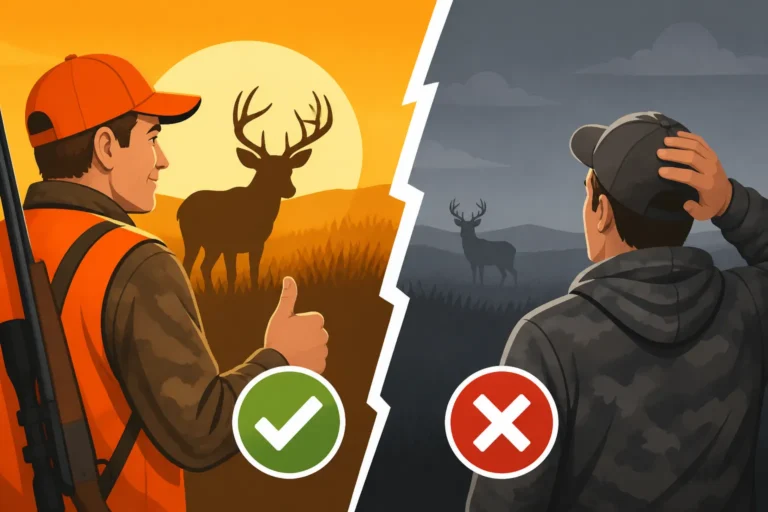
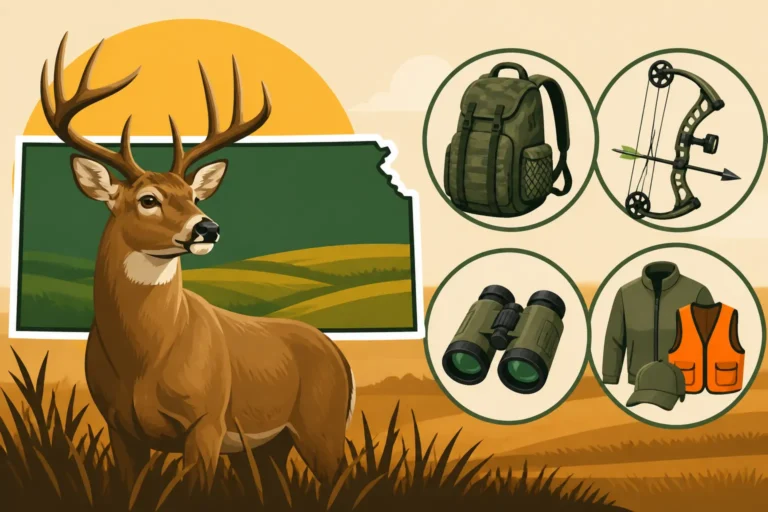
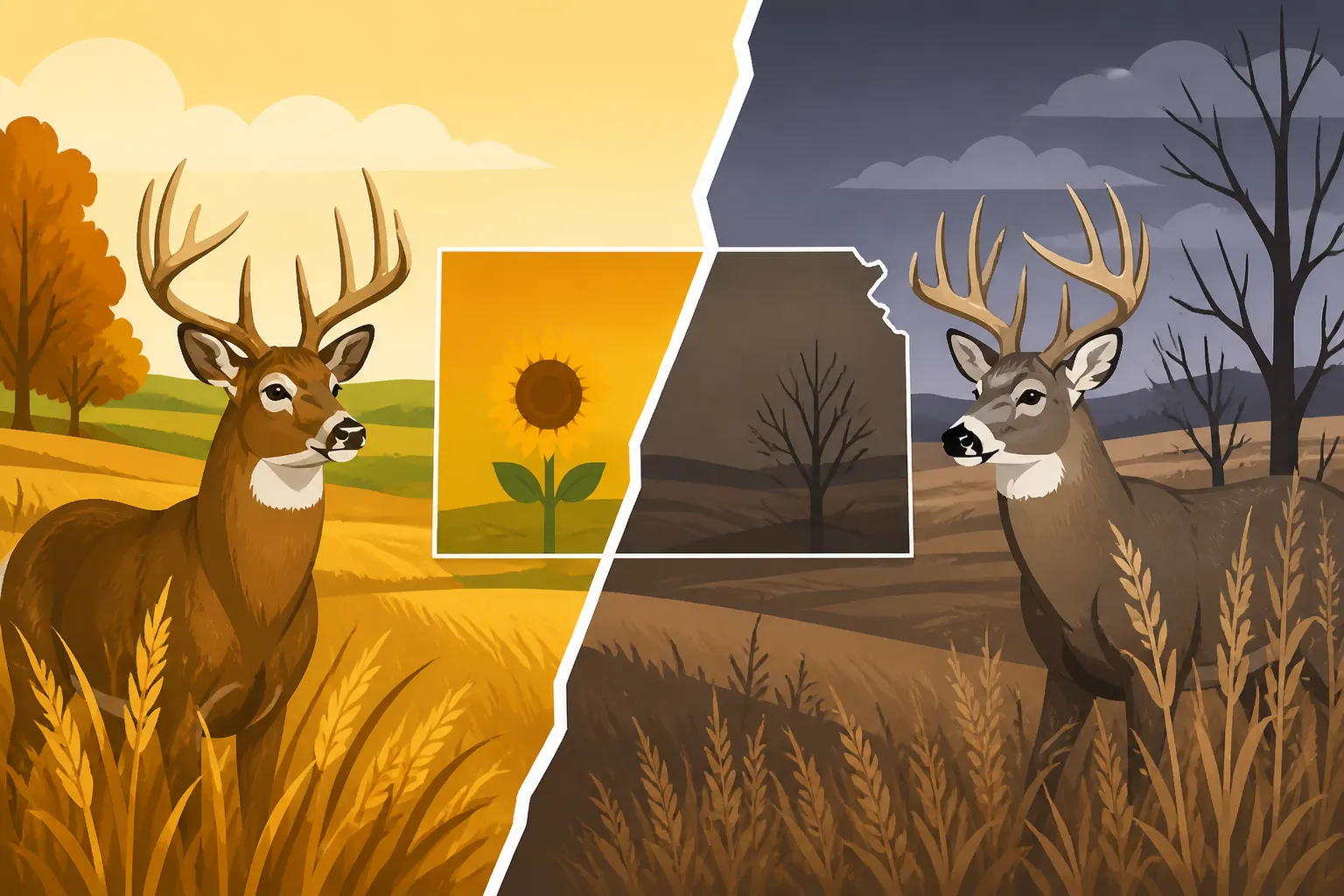
Hunters often find themselves caught in the perennial debate: is early November or late November the golden ticket for a Kansas whitetail hunt? It's a valid question, because deer behavior shifts dramatically as the breeding season progresses, and what works one week might leave you empty-handed the next. This guide will walk you through the distinct characteristics of these two crucial periods, helping you understand how to adjust your tactics for maximum success whether you're chasing bucks during the chaos of the chase phase or picking through the pieces of the post-rut.
Understanding the Whitetail Rut in Kansas
The whitetail rut is perhaps the most anticipated time of year for deer hunters in Kansas, and for good reason. It’s when bucks, typically elusive and nocturnal, throw caution to the wind in their pursuit of does. However, the rut isn't a single, uniform event; it's a dynamic period with distinct phases that dictate deer behavior and, by extension, effective hunting strategies. Understanding these nuances is key to knowing whether you should be in the woods in early November or holding out for later.
The General Timeline of the Rut
While local conditions and individual deer can always throw a curveball, the general timeline of the whitetail rut in Kansas follows a predictable pattern. Early November typically sees the tail end of the "pre-rut" and the full swing of the "seeking" and "chase" phases. This is when bucks are actively traveling, scent-checking, and pursuing receptive does. They might be covering miles in a single day, searching for that first hot doe. As we move deeper into November, especially the second half, the peak breeding activity often occurs, where many does are bred, leading to a temporary lull in visible buck movement. After this peak, bucks transition into a "post-rut" phase, where they are worn out, thinner, and their primary focus shifts from breeding to recovery and food. When the Kansas Rut Peaks can offer a deeper dive into the exact timing.
During the initial seeking phase, bucks are almost frantic. They will cruise through bedding areas, check doe groups, and incessantly scent-check any area where does might be present. This is a time of high energy and often high visibility, as they aren't tied down to one particular doe yet. This behavior then escalates into the chase phase, where you might witness bucks literally running does through fields or timber, ignoring all other stimuli. This high-octane period is what many hunters dream of, but it’s often intense and relatively short-lived for any given doe.
Factors Influencing Rut Activity
While biology sets the stage for the rut, several environmental factors can influence the intensity and visibility of deer activity during November. Weather, especially sudden changes like a sharp drop in temperature or a cold front rolling through, can ignite deer movement. A crisp, cool morning following a warm spell can make bucks get up and move much more freely, extending their activity throughout the day. Conversely, unseasonably warm temperatures can suppress daytime movement, pushing activity to the cooler nighttime hours, regardless of the rut phase.
Hunting pressure also plays a significant, often underestimated, role. In areas with heavy hunter presence, bucks quickly learn to become more wary. Even during the peak of the rut, excessive pressure can force them into thicker cover or push their movements to nocturnal hours, especially on public lands or heavily hunted private tracts. Understanding how deer react to Hunting Pressure Patterns on Kansas Public Land can be crucial. Additionally, while often debated, some hunters swear by the moon phase, believing certain moon cycles correlate with increased daytime activity. While scientific evidence is mixed, many hunters still observe these patterns and adjust their plans accordingly, always looking for any edge they can get.
Hunting Strategies for Early November in Kansas
Early November is often considered the prime time by many Kansas deer hunters, and for good reason. This is typically when the "seeking" and "chase" phases are in full swing, creating exciting and often chaotic hunting opportunities. Bucks are actively on their feet, covering ground in search of does, which means more daytime movement and a higher chance of encountering a mature deer.
Capitalizing on Peak Seeking and Chasing
During early November, bucks are driven by a singular purpose: finding a receptive doe. This means they are often less cautious and more prone to responding to calls or decoys. Your strategy should revolve around intercepting these cruising bucks in high-traffic areas. Think about terrain funnels, pinch points, and the natural travel corridors between known bedding areas and feeding grounds. A well-placed stand overlooking a narrow strip of timber connecting two larger woodlots, or a fence crossing bucks are using daily, can be deadly. River Oxbows and Deer Movement or Terrain Funnels That Work Without Hills can be excellent places to focus your scouting efforts.
This is also the time to get aggressive with your calling and decoying tactics. Rattling antlers can simulate a buck fight and draw in curious or territorial bucks looking for a piece of the action. Don't be shy about rattling, especially in open country where sound carries. Combine rattling sequences with grunts and snort-wheezes to paint a vivid picture of a dispute. Rattling and Grunting During the Kansas Rut delves deeper into these techniques, as does Grunt Calls That Work in the Pre-Rut and Snort-Wheeze on a Cruising Buck. Decoys can also be incredibly effective, especially a lone buck or a doe decoy placed strategically to draw attention. Pay close attention to Decoy Placement and Wind Direction and consider whether Doe Decoys Versus Buck Decoys is best for your setup. It's also worth noting that bucks can be on their feet all day during this period, so if you can swing it, long sits from dawn until dusk can significantly increase your odds.
Scrape and Rub Line Focus
While rubs and scrapes start showing up in October, early November often sees the most intense activity on these signposts. Bucks will refresh existing scrapes, especially community scrapes where multiple deer deposit scent. They'll also create new rubs, displaying their dominance and frustration. Hunting near active scrape lines can be highly productive, as bucks frequently check these communication hubs for receptive does or rival bucks.
When you find a line of fresh scrapes and rubs, don't just set up right on top of the biggest one. Instead, look for a downwind approach to the travel corridor connecting them, or a transition point where deer are likely to pass through. Bucks will often circle downwind of a scrape before approaching it directly, so understanding the prevailing wind is paramount. Identify a good stand location that offers a clear shot at a buck checking the scrape, or better yet, the approach to it. Remember, these are not just random markings; they are deer "bulletin boards," and bucks check them regularly, making them prime ambush points.
Hunting Strategies for Late November in Kansas
As the calendar turns towards the latter half of November, the frenetic energy of the early rut begins to wane. Many does have been bred, and the intense seeking and chasing behaviors start to diminish. This shift requires a significant adjustment in your hunting strategy. Bucks are no longer as reckless; they're tired, often thinner, and their primary instincts shift from procreation back to self-preservation and recovery.
Adapting to Post-Rut Behavior
In late November, bucks become far more reclusive, focusing on resting, regaining lost weight, and staying safe. You’ll find them spending more time bedded in thick cover, conserving energy. Their daytime movement often becomes minimal, mainly occurring during the low-light hours of dawn and dusk. This means those all-day sits that were so effective earlier in the month might become less productive unless you're precisely located between bedding and a prime food source. The key here is patience and precision.
Your focus should pivot heavily towards food sources and adjacent heavy cover. Bucks need to replenish their energy stores, so finding the hottest food source in the area becomes paramount. This could be a standing cornfield that hasn't been harvested yet, a lush winter wheat field, or a well-maintained food plot. Explore areas like Late-Season Food Source Hunting and specific tactics for Standing Corn Late in the Season or Milo and Corn Stubble Deer Patterns. Identify the thickest bedding cover, such as Cedar Thickets as Bedding Cover or dense CRP Grass and Where Bucks Bed, and then find the most efficient travel route between that cover and the best available food. Hunting these transition zones during the first and last hours of daylight will give you your best opportunities.
Increased Pressure and Cold Weather Tactics
Late November in Kansas often coincides with cooler temperatures and, for many, the firearm season, which brings increased hunting pressure. This combination makes deer even warier. Bucks that have survived the initial rush of the rut and the opening days of firearm season are now highly educated and will exploit any weakness in your approach. This means stealth is more important than ever. Focus on undisturbed pockets of timber, creek bottoms, or less-accessible areas on public land that might not see as much foot traffic.
Cold weather also changes how deer use the landscape. They will seek thermal cover – thick evergreens, south-facing slopes, or dense brush – to escape the wind and stay warm. Integrating these areas into your food-source strategy is vital. For yourself, ensuring you're dressed for the elements with appropriate layers for Cold Weather Stand Clothing will allow you to stay on stand longer. If hunting open agricultural areas where treestand placement is difficult or where wary bucks are skirting timber, a well-brushed-in Ground Blind Brushing In can offer excellent concealment and warmth, allowing you to get away with more movement. The ability to disappear into the landscape becomes a significant advantage when deer are on high alert.
Key Differences and Adaptation Tips
Navigating the nuances of deer behavior from early to late November requires a keen eye and a willingness to adapt. What might have been a killer strategy one week can be totally ineffective the next. Understanding these shifts and being flexible in your approach is what separates consistent hunters from those who just get lucky.
Comparative Analysis of Early vs. Late Rut
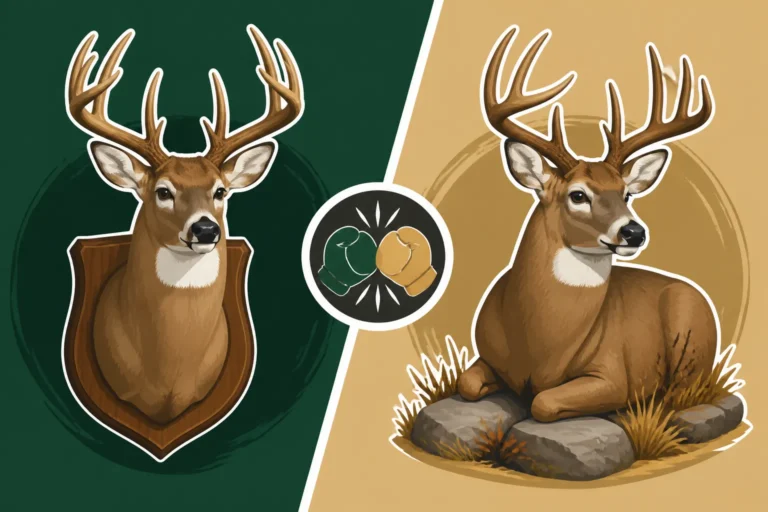
Let's lay out some of the core differences between early and late November hunting in Kansas:
| Feature | Early November (Seeking/Chase Phase) | Late November (Post-Rut/Recovery Phase) |
|---|---|---|
| Buck Activity | High daytime movement, aggressive, covering wide areas. | Reduced daytime movement, nocturnal, focusing on recovery. |
| Primary Focus | Finding receptive does, breeding. | Replenishing energy, feeding, resting, avoiding pressure. |
| Calling | Aggressive rattling, grunting, snort-wheezes highly effective. | Less effective; subtle grunts might work, but avoid aggressive calls. |
| Decoys | Very effective, especially buck or doe decoys to attract attention. | Less effective; deer are warier and less prone to investigate. |
| Stand Location | Terrain funnels, pinch points, doe bedding, transition areas. | Key food sources, dense thermal cover, routes between them. |
| Hunt Duration | All-day sits are often highly productive. | Best results during first/last hour of daylight; shorter, focused sits. |
| Hunting Pressure | Deer still moving, but heavy pressure can still push them nocturnal. | Highly sensitive to pressure; seek remote, thick areas. |
| Weather Impact | Cold fronts trigger explosive movement. | Extremely cold weather pushes deer to thermal cover near food. |
Flexibility and Scouting
The most crucial advice I can give any hunter is to remain flexible and continuously scout. No two years are exactly alike, and deer behavior can vary based on localized weather patterns, crop harvests, and specific pressure points. Don't just rely on what worked last year at the same time. Use tools like the GoHunt platform to research units, understand harvest data, and analyze aerial imagery. This kind of e-scouting can help you identify potential hotspots and understand land features before you ever step foot in the woods.
Once you're on the ground, be a detective. Look for fresh tracks, new rubs, active scrapes, and observe deer patterns. If you're on public land, continually Scouting Kansas Walk-In Tracts Before the Opener and even during the season can reveal overlooked opportunities. Adapt your stand locations, calling sequences, and even your hunting hours based on what the deer are telling you right now. If you're considering a guided experience, platforms like BookYourHunt can help you find outfitters who understand these seasonal shifts and can put you in the right place at the right time. The more you immerse yourself in understanding the daily habits of the deer you're pursuing, the better your chances will be, regardless of whether it's early or late November.
Disclaimer
This article is for general informational purposes only and does not constitute professional advice. Laws, prices and regulations vary by location and change over time. Consult a qualified professional for guidance on your specific situation.