Best Weeks to Book in Kansas
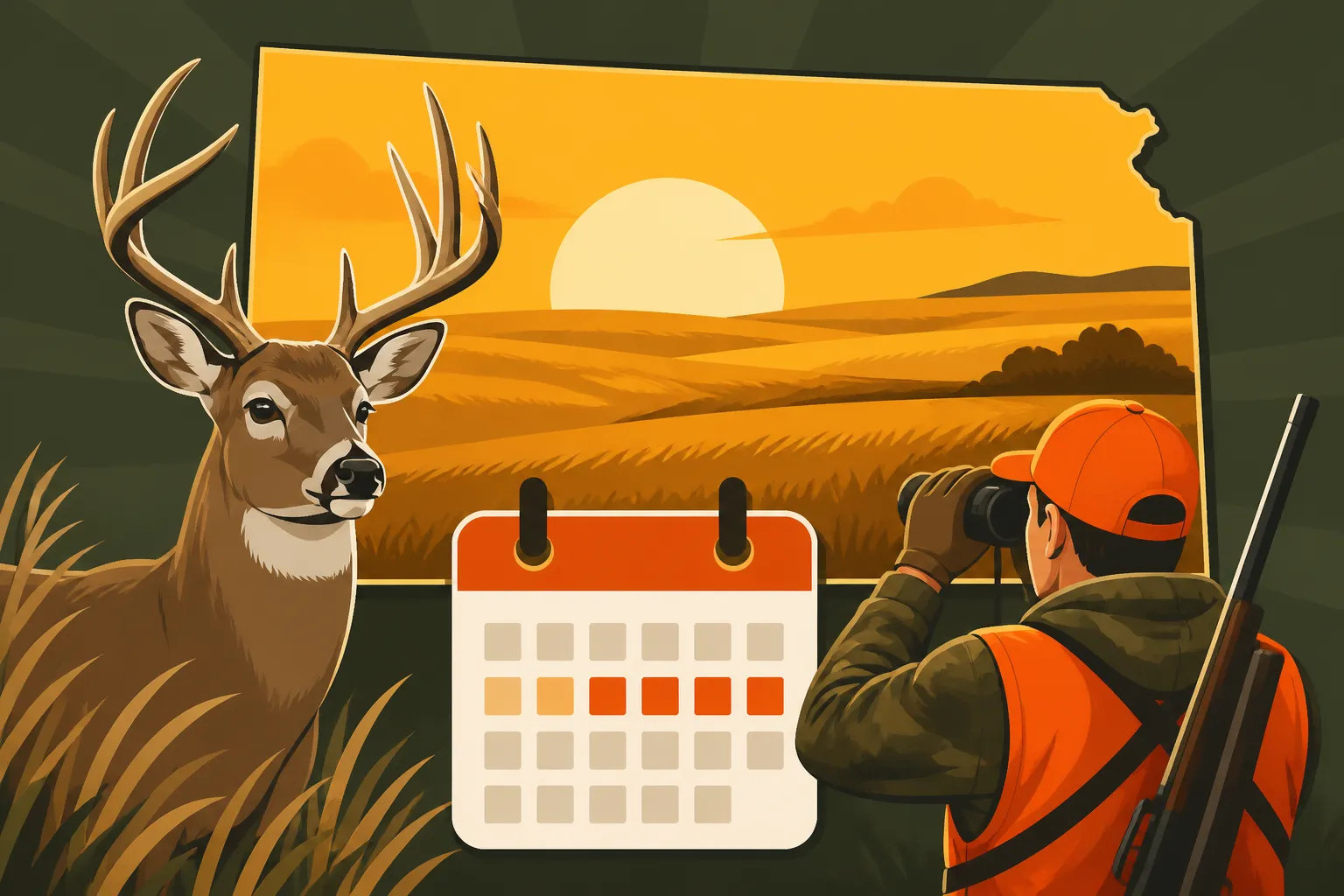
It's a familiar feeling, isn't it? That mix of excitement and mild panic as you try to nail down the absolute best time to book your Kansas hunting trip. You've heard the stories of giant bucks, booming gobblers, or pheasants flushing thick, and you want to experience it, but the thought of picking the wrong week and missing out can be incredibly frustrating. This guide is here to help you navigate the nuanced world of Kansas hunting seasons, offering a realistic look at when to book for various species, so you can maximize your chances of a successful and enjoyable trip without all the guesswork.
Understanding the Kansas Deer Season Calendar
When most folks dream of hunting Kansas, a giant whitetail buck often dances in their heads. And for good reason – Kansas is renowned for its big deer! But catching those deer at their prime, or even just when they're most active, really comes down to understanding the calendar.
The Allure of the Kansas Rut for Whitetails
Let's be honest, the whitetail rut is the holy grail for many deer hunters. And in Kansas, it lives up to the hype. This is when bucks throw caution to the wind, actively seeking does, leading to increased daytime movement and thrilling encounters. You'll see more chasing, more fighting, and more opportunities to intercept a mature buck on the move. Everyone wants to be in the woods When the Kansas Rut Peaks, and it’s truly an unforgettable experience. However, this popularity comes with its own set of challenges.
The peak of the rut, generally that first two weeks of November, is absolutely prime time. You'll witness incredible deer activity, but you'll also face the highest demand for hunting properties and guided hunts. This is when outfitters are booked solid, often a year or more in advance, and prices tend to be at their highest. If your heart is set on experiencing the Kansas rut, you need to start planning way ahead. Booking these weeks means you're investing in the highest odds of seeing those classic rutting behaviors, which, for many, is worth every penny and every minute of planning. Expect stand locations around pinch points and known travel corridors to be hotbeds of activity. If you're looking for First Week of November Stand Choice, these are often natural funnels or transition areas where bucks cruise.
Early Season Opportunities: Archery and Muzzleloader
While the rut gets all the glory, the early seasons—namely September archery and muzzleloader—offer a completely different, yet equally rewarding, hunting experience. The air is still warm, the crops are often still standing, and deer are largely patterned on food sources. You're not battling the same kind of hunting pressure as the rut, and deer behavior is more predictable, centered around feeding and bedding.
The September archery season kicks off when velvet has just peeled, or is still clinging to some antlers. Deer are still in summer patterns, hitting reliable food and water sources. This can be a fantastic time for Early-Season Bowhunting Over Water if it’s dry, or over early-ripening food plots or bean fields. The challenge here is the heat and keeping scent control absolutely meticulous, but the reward is often encountering deer that haven't been pressured by hunters for months. For those who choose the Muzzleloader Deer Hunting in Kansas's September Season, it provides a unique chance to hunt with a firearm before the main rifle season, often coinciding with these early, predictable patterns. It demands patience and precision, especially with the potential for warmer temperatures affecting deer movement. You'll want to employ Muzzleloader Deer Tactics in Warm September Weather, focusing on low-impact access and evening hunts over prime food.
Late Season Firearm and Archery: The Cold Grind
Don't discount the late season! After the chaos of the rut and the rifle season opener, many hunters pack it in, but those who stick it out often find excellent opportunities. The December firearm season can be incredibly productive, especially if cold weather pushes deer to specific, high-energy food sources. This is when a thoughtful Rifle Hunting the Kansas December Firearm Season strategy, often centered around standing crops like corn or beans, can pay off big.
As winter sets in, deer become heavily reliant on available nutrition. This means identifying Late-Season Food Source Hunting locations becomes paramount. Think about standing corn, winter wheat, or even late-season food plots that still hold nutritional value. While the excitement of the rut might be gone, the cold weather often forces deer to move during daylight hours to feed, creating reliable patterns. Late archery season, extending into January in some units like Unit 19, offers a final chance to fill a tag. It's a grind, requiring dedication and the right Cold Weather Stand Clothing to stay comfortable on those long, frigid sits, but the deer you encounter are often truly working for their food, making them vulnerable to a well-placed stand near a consistent food source.
Beyond Deer: Timing Your Hunt for Other Kansas Species
Kansas isn't just a deer hunter's paradise; it offers incredible opportunities for other species too. Timing your trip for spring turkeys, upland birds, or waterfowl requires a different calendar approach, but each provides a unique and exciting experience.
Spring Turkey: Gobblers on the Prairie
There’s nothing quite like the sound of a Kansas gobbler thundering off the roost as the sun begins to paint the eastern sky. The Kansas Spring Turkey Permits and Units dictate when and where you can chase these magnificent birds. Typically, the season runs through April and into May, with different phases offering distinct hunting experiences.
Early in the season, turkeys are often still flocked up and less receptive to calling, but once hens start nesting, gobblers become much more eager to respond. The middle to late weeks of the season can be fantastic as lonely Toms are actively searching for receptive hens. Booking during this window, typically late April into early May, can offer prime gobbling action. Success often comes down to knowing Roosting Kansas Turkeys the Night Before and being in position before fly-down, or mastering the art of Calling a Henned-Up Kansas Gobbler when the hens distract your target tom. It's an active, run-and-gun style of hunting that contrasts sharply with the stillness of a deer stand, and it's absolutely addictive.
Upland Birds: Pheasant and Quail Season
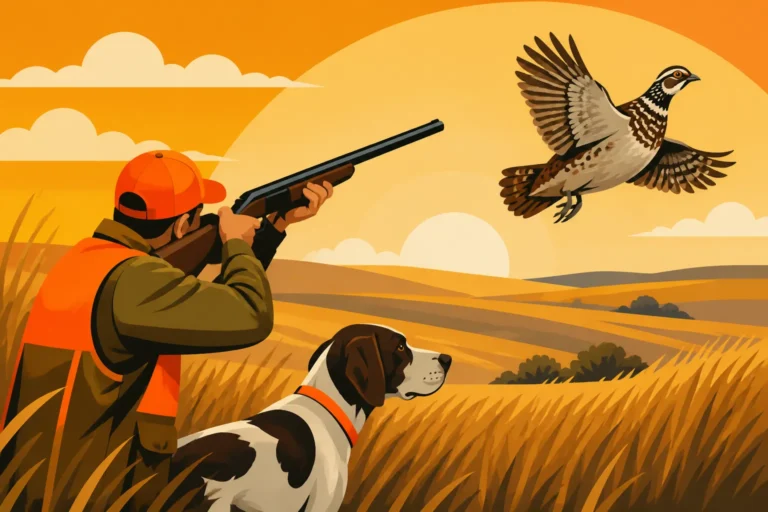
For many, Kansas conjures images of flush after flush of pheasants and the explosive rise of a quail covey. The upland bird season usually kicks off in early November, often overlapping with the peak of the deer rut, which can make planning tricky if you're a multi-species hunter. The Kansas Upland Bird Season Dates and Limits provide the framework, but the best weeks often depend on hunting pressure and crop harvest.
Opening weekend for pheasants and quail is always exciting, with birds in thick cover and less wary. However, it also brings the highest hunter pressure. If you're willing to wait a few weeks, or even until after Christmas, you can find phenomenal hunting with far fewer people. By then, crops are typically out of the fields, concentrating birds in thermal cover like plum thickets, shelterbelts, and CRP grass. Working Pheasant Fields Without a Dog effectively often means coordinating with a hunting partner to block field ends, or systematically covering heavy cover. For quail, finding Quail Coveys in Plum Thickets can lead to thrilling flushes, but requires methodical searching. Booking later in the season often provides a more relaxed hunt, with birds that are wilder but also more concentrated in specific habitats.
Waterfowl Migration: Ducks and Geese in the Central Flyway
Waterfowl hunting in Kansas is a game of timing and weather. Kansas sits squarely in the Central Flyway, making it a critical stop for migrating ducks and geese. Unlike deer or turkeys, where general weeks can be predicted, optimal waterfowl hunting is much more dependent on cold fronts, freeze-ups to the north, and local conditions.
The season for ducks and geese typically spans from October through January, with different zones having slightly varied dates. Booking a waterfowl hunt often means being flexible or working closely with a guide who monitors bird movements. The best weeks are usually when a significant cold front pushes new birds down from the north, or when local water sources start to freeze, concentrating birds on open water or specific feeding grounds. If you're interested in Waterfowl Hunting Kansas Reservoirs and Playas, it's less about a specific calendar week and more about catching the right migration push. Understanding Reading a Kansas Wind for Waterfowl and how it influences flight patterns and decoy spreads is also critical, making this a sport for dedicated weather watchers.
Navigating Booking Strategies and Availability
So, you've decided when you want to hunt. Now comes the practical part: actually booking your trip. This stage can be incredibly frustrating if you're not prepared, especially for popular seasons.
The Early Bird Gets the Worm: Planning Ahead
This cannot be stressed enough: if you want to hunt during the prime Kansas whitetail rut, you must book far in advance. We're talking 12-18 months, sometimes even two years out for the most sought-after outfitters. It's heartbreaking to hear stories of hunters calling just a few months before November, only to find every reputable guide completely booked. Don't be that person. Proactive planning is key for Booking a Kansas Rut Hunt Early.
Think of it like securing tickets to a major concert – the best seats go first. The same applies to prime hunting weeks. Begin your research early, identify potential outfitters, and make your calls. Websites like BookYourHunt can be great resources to explore options and see what might be available for future seasons, allowing you to compare and plan well in advance. Don't hesitate to book your Booking a Kansas Hunt a Year Out or even further. When you're talking to potential guides, be sure to ask Questions to Ask a Kansas Outfitter about their booking timeline, deposit requirements, and what happens if you have to cancel or if you don't draw a tag in the lottery. Understanding their policies upfront will save you headaches down the road.
Flexibility and Hidden Gems
While the peak rut is undeniably fantastic, being flexible with your dates can often lead to incredible hunting experiences that might be less competitive and potentially more affordable. Consider the weeks immediately preceding or following the absolute peak of the rut. The pre-rut (late October) can be incredible for catching bucks making scrapes, rubbing trees, and starting to cruise for does. Similarly, the post-rut in mid-November can offer excellent opportunities for exhausted bucks still looking for unbred does.
Furthermore, if your schedule allows for mid-week hunts, you'll often find less pressure than on weekends. Public land, especially, can feel like a different place on a Tuesday compared to a Saturday. Look into Weekday Versus Weekend Public Land patterns. These times can be fantastic for hunters who want to avoid the crowds that characterize Hunting Pressure After Opening Weekend. Resources like GoHunt can sometimes highlight these overlooked periods or units where pressure might be lower, giving you a strategic advantage in finding available spots or even just more solitude in the field. Don't be afraid to ask outfitters about these shoulder seasons or less traditional booking windows; they might surprise you with availability and sometimes even offer different pricing structures.
What to Ask Your Outfitter
Once you've zeroed in on a time frame, your conversation with an outfitter is critical. Don't be shy about asking detailed questions. You're investing significant time and money, so you deserve to know exactly what to expect. Inquire about the specific Kansas Outfitter Unit Coverage – which deer management unit do they primarily operate in? Does that unit have strong genetics and good deer numbers?
You'll also want to understand the logistics of the hunt itself. Ask about the Acreage and Stand Numbers to Ask About that you'll have access to and the typical hunter density. How many hunters will be in camp that week? How many stands are typically hung per hunter? Are you allowed to bring your own stands or modify existing setups? Understanding these details can give you a clear picture of the hunting pressure and opportunity you can expect. A good outfitter will be transparent and happy to answer all your questions, helping you confirm that the "best week" for them aligns with the "best week" for your hunting goals.
| Kansas Hunting Season | Target Species | Optimal Booking Window | Key Considerations |
|---|---|---|---|
| Early Archery (Sept) | Whitetail Deer | 6-12 months prior | Less pressure, patterned deer, warm temps, good for Early-Season Bowhunting Over Water |
| Muzzleloader (Sept) | Whitetail Deer | 6-12 months prior | Less pressure, unique weapon, similar to archery patterns |
| Pre-Rut (Late Oct) | Whitetail Deer | 9-15 months prior | Bucks cruising, making sign, building to peak rut |
| Peak Rut (Early Nov) | Whitetail Deer | 12-24 months prior | Highest demand, highest prices, most buck activity |
| Post-Rut (Mid-Nov) | Whitetail Deer | 9-12 months prior | Exhausted bucks, still seeking does, often good value |
| Firearm (Early Dec) | Whitetail Deer | 6-12 months prior | Food source focused, cold weather, good for filling tags |
| Late Archery (Dec/Jan) | Whitetail Deer | 3-6 months prior | Low pressure, cold, very food-driven movement |
| Spring Turkey (Apr/May) | Wild Turkey | 6-12 months prior | Peak gobbling later in season, active hunting style |
| Upland Birds (Nov-Jan) | Pheasant, Quail | 3-9 months prior | Opening weekend busy, later offers less pressure, more concentrated birds |
| Waterfowl (Oct-Jan) | Ducks, Geese | 3-6 months prior | Highly weather-dependent, flexible booking often best |
Ultimately, the "best" week to book a hunt in Kansas really depends on what you're chasing and what you're hoping to experience. Whether it's the adrenaline of the whitetail rut, the challenge of early-season patterns, the thrilling flush of a pheasant, or the echoing gobble of a spring tom, Kansas offers incredible opportunities. By understanding the seasons, planning well in advance, and being flexible, you can ensure your hard-earned time and money result in an unforgettable hunting adventure in the Sunflower State.
Disclaimer
This article is for general informational purposes only and does not constitute professional advice. Laws, prices and regulations vary by location and change over time. Consult a qualified professional for guidance on your specific situation.