First Week of November Stand Choice
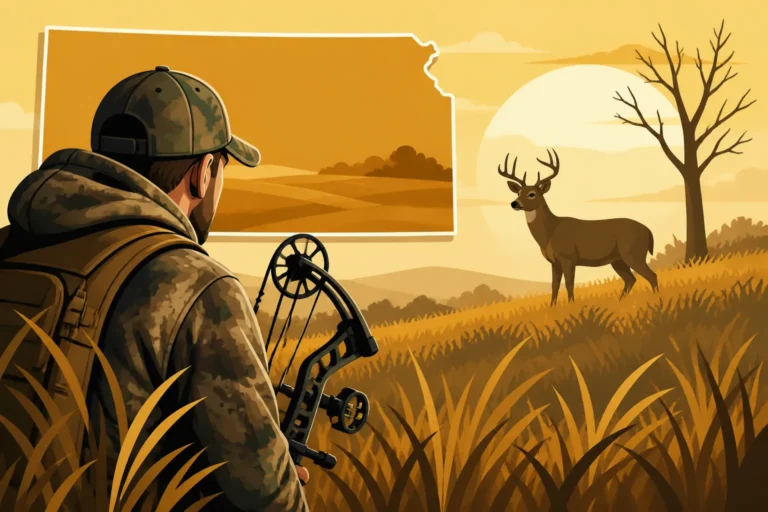
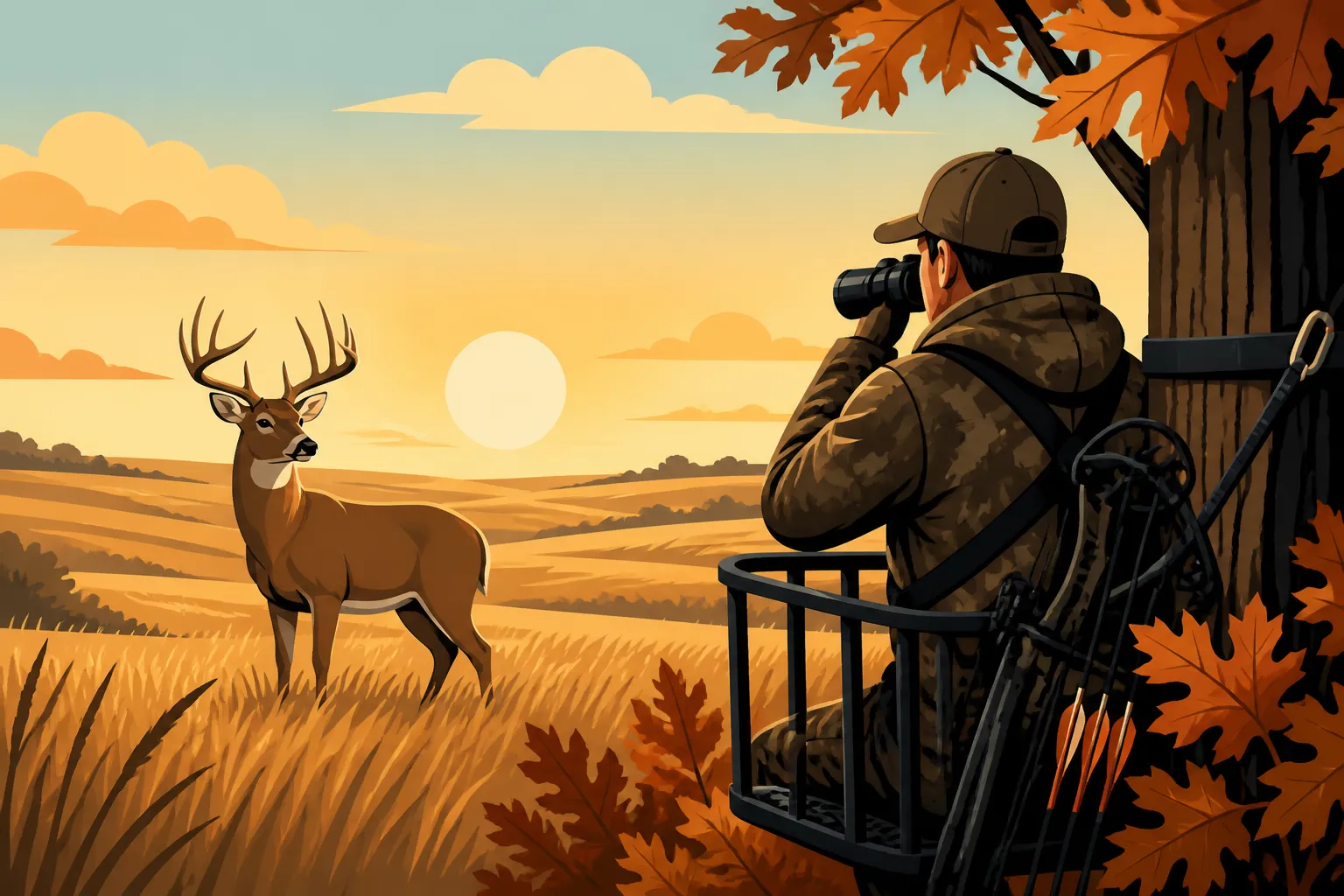
The first week of November in Kansas can feel like a high-stakes gamble for deer hunters. You’re right on the cusp of the true rut, with bucks starting to show some serious interest, but not yet fully committed to chasing does wildly. This transition period often leaves hunters second-guessing their stand choices, wondering if they should be closer to food, thick cover, or somewhere in between. This comprehensive guide will walk you through the nuanced art of selecting the perfect stand locations to capitalize on this critical, action-packed week.
Understanding Early November Whitetail Behavior
Navigating the nuances of deer behavior during early November is absolutely crucial for stand placement. This isn't late October, and it certainly isn't the lockdown phase of mid-November. It's a sweet spot where bucks are actively searching, often covering significant ground, making them both predictable in their routes and unpredictable in their specific timing.
The Peak of Cruising and Seeking
During the first week of November, Kansas whitetail bucks are in full-on seeking mode. They've processed the early season bachelor groups, endured some initial sparring, and now their biological imperative is driving them to find receptive does. This isn't the chaotic, nose-to-the-ground pursuit you might see a week or two later; instead, it's a calculated, deliberate cruising pattern. Bucks are expanding their home ranges, frequently traveling between known doe bedding and feeding areas, often scent-checking every corner and timber edge.
Think of it this way: a mature buck isn't necessarily running full tilt after a hot doe just yet. He's working his way through his territory, often stopping at scrapes, refreshing rubs, and scent-checking bedding areas from a distance. He might travel a mile or more in a morning, moving with purpose but still very aware of his surroundings. This means your stand needs to be in a location that intercepts these traveling bucks, not necessarily where a hot doe is bedded or feeding intensely. They're seeking, not solely consuming or resting. Understanding this behavior is foundational to your stand choice for the first week of November. For a deeper dive into the overall strategies, check out our guide on Kansas Whitetail Hunting Tactics Through the Rut.
Shifting Food and Cover Needs
As early November progresses, the weather in Kansas often throws us some curveballs, from crisp, clear mornings to sudden cold fronts or even early winter weather. These shifts directly impact a deer's food and cover needs, which, in turn, influences where they travel. Acorns might still be a factor in some areas, but increasingly, deer will turn their attention to more dependable, high-energy food sources. This includes standing beans, leftover corn, winter wheat, and even brassicas planted in food plots. However, the most active feeding might still happen under the cover of darkness or in low-light conditions.
Equally important is thermal cover. As temperatures drop, especially after a cold front, deer will seek out dense cover to bed down in and conserve energy. This could be a thick cedar grove, a dense plum thicket, or even tall, unharvested CRP grass. Bucks will move between these thicker bedding areas and preferred food sources, often along the easiest or most secure travel corridors. Your stand locations should connect these dots. While a buck might cruise open areas looking for does, he'll often do so from the safety of an edge or via a hidden creek bottom, especially when transitioning between food and bed. Pay close attention to how these seasonal food shifts and increased demand for thermal cover dictate deer movement in your hunting area.
Prime Stand Locations for Cruising Bucks
The goal for early November is to intercept bucks that are on the move, actively looking for does. This means focusing on areas that naturally funnel deer or provide a sense of security as they travel. Forget sitting directly over a food plot during daylight unless it's very secluded; instead, think about the paths bucks take to get to and from those areas, or places they pass through while checking for scent.
Funnels and Pinch Points
These are the absolute bread and butter for early November stand selection. Funnels and pinch points are natural travel corridors that restrict deer movement into a narrower path, increasing your chances of an encounter. In Kansas, where the terrain can often be flat, these aren't always dramatic ravines or mountain passes. Often, they are subtle but incredibly effective features.
Consider terrain funnels where a creek bottom narrows, or where two fingers of timber come close together in a sea of crop fields. These natural bottlenecks force deer through a smaller area. Also, think about man-made funnels, like a single row of trees connecting two larger timber blocks, or even a fence line that has a well-used crossing. Bucks will often use these to travel from one piece of cover to the next, especially if it means avoiding open ground. A mature buck, especially one looking for does, will often walk the easiest or most discreet path between two points. A stand positioned to overlook a well-used Creek Crossings Worth Hanging a Stand On or a subtle dip in the landscape that channels movement can be deadly. These spots are high-traffic intersections for cruising bucks during this critical time. Our detailed article on Hunting Terrain Funnels in Flat Country provides even more specific examples and strategies.
Edge Cover and Transition Zones
Deer, particularly mature bucks, crave security, and few places offer that better than the edges of different habitat types. These transition zones provide cover, food, and a vantage point without forcing a buck into the wide open. For early November, focusing on these edges can be incredibly productive.
Think about the interface between a standing cornfield and a timber block, or where a thick CRP Grass and Where Bucks Bed field meets a picked soybean field. Bucks will often cruise these edges, using the standing crops or tall grass for concealment while scent-checking the open areas for does. Similarly, the points and fingers of timber that jut out into open agricultural fields can act as excellent travel corridors. Bucks will often hug these points, moving from the timber into the crops or vice-versa, scent-checking for does without exposing themselves entirely. Our article on Milo and Corn Stubble Deer Patterns offers specific insights into how deer use these crop types. These are prime locations for placing a stand, allowing you to intercept a buck as he transitions between bedding and feeding, or simply patrols for does along a secure route. Using scouting tools like GoHunt can help you identify these subtle edges and transition lines on aerial maps, but always confirm them with boots on the ground.
Adapting to Pressure and Wind
In Kansas, especially on public land or properties with multiple hunters, hunting pressure is a reality. And the wind, oh, the wind! It dictates everything. Ignoring these two factors when choosing a stand during the first week of November is a recipe for busted hunts. Your strategy needs to be as adaptable as the deer themselves.
Playing the Wind Strategically
This is non-negotiable. No matter how perfect your funnel or how hot your scrape line, if your scent is blowing into where the deer are coming from or where they're likely to be, your hunt is over before it begins. The first week of November sees bucks actively cruising, meaning they are covering ground, and their noses are their primary defense mechanism.
Always check the wind direction before you even leave your vehicle. Your stand must be positioned so that your scent cone is blowing away from the anticipated travel routes and, crucially, away from any known bedding areas. This might mean having multiple stand locations for different wind directions for the same general area. For example, if you have a killer pinch point, you might need a stand for a north wind and another for a south wind. Sometimes, a crosswind can be your friend, allowing you to watch a narrow travel corridor while your scent blows harmlessly into an open field. Understanding Wind and Thermals on a River Bank can be particularly helpful in bottomland areas where air currents can be tricky. Don't be afraid to scrap a plan if the wind isn't right; patience and adherence to scent control are paramount.
Minimizing Access Impact
Hunting pressure is a huge factor, and during the first week of November, with the rut heating up, hunters are out in force. Deer, especially mature bucks, become incredibly sensitive to human intrusion. The moment they feel pressured, they will alter their patterns, often becoming nocturnal or moving to thicker, harder-to-reach cover. Your stand choice isn't just about where you sit, but also about how you get there.
Every step you take, every branch you snap, every scent you leave behind on your access route can educate deer. Choose stand locations that allow for silent, low-impact entry and exit. This often means using natural barriers like creek beds, ditches, or even open fields (if you can move quickly and quietly in the dark) to approach your stand. Avoid walking directly through suspected bedding areas or known travel corridors. Your goal is to be in your stand, scent-free and undetected, long before daylight, and to slip out quietly after dark without disturbing any deer still moving. Consider where you Parking Away From Your Stand to further minimize your footprint. For more ideas on quiet approaches, take a look at Access Routes That Do Not Bump Deer. The less deer know you're there, the more likely they are to stick to their natural early November cruising patterns.
Scouting and Technology for Stand Selection
In today's hunting world, effective stand selection goes far beyond just driving around looking for fresh tracks. Modern technology and a commitment to year-round scouting can give you a significant edge, especially during a high-stakes week like early November. It's about combining digital insights with on-the-ground reality.
E-Scouting and Ground Truthing
Before you even set foot in the woods, the best stand locations often reveal themselves through diligent e-scouting. Platforms like GoHunt offer incredible aerial imagery that allows you to identify potential funnels, pinch points, bedding areas, and transition zones right from your couch. You can overlay property lines, mark potential stand sites, and map out stealthy access routes. When you're trying to figure out the best week of November stand choice, seeing the big picture digitally is a huge advantage. Use these tools to find those subtle terrain features in Kansas's often flat landscape that might go unnoticed from the ground. Look for changes in vegetation, faint deer trails visible from above, and anything that screams "natural travel corridor."
However, e-scouting is only the first step. It's a hypothesis. The crucial next step is ground truthing. You need to physically walk those areas (ideally outside of hunting season, or very carefully during, minimizing disturbance) to verify your digital findings. Is that "faint trail" on the map actually a well-worn deer highway? Is that thick patch of timber truly impenetrable bedding cover? Are there fresh scrapes and rubs indicating recent buck activity? Your e-scouting provides the targets, but your boots on the ground confirm their viability. Our guide on Reading Aerial Imagery for Bedding Cover can help you hone your digital eye, and then verify with actual scouting like in Reading a Kansas Creek Bottom for Deer Sign.
Monitoring Real-Time Deer Activity
While e-scouting helps you identify potential locations, monitoring real-time deer activity helps you confirm timing and preference. Trail cameras are invaluable for this, especially in the weeks leading up to the first of November. Set them up on scrapes, rub lines, and along suspected travel corridors to see what bucks are moving, when they're moving, and in which direction. Are the bigger bucks showing up during legal shooting light? Are they following a specific trail consistently? This information can be the deciding factor in choosing between two promising stand sites.
Beyond cameras, fresh sign on the ground tells a powerful story. Freshly opened scrapes with pawed dirt and an active licking branch indicate bucks are still scent-checking. New, shiny rubs on saplings show aggressive behavior and territory marking. Pay attention to fresh tracks along field edges or in creek beds. Even the presence of a hot doe, if you're lucky enough to observe one, can tell you where a buck might be headed. Combine these real-time observations with your e-scouting, and you'll have a highly informed decision on where to hang your stand for the best possible chance at a cruising buck during that magic first week of November.
Here's a quick reference for stand types and their ideal conditions during early November:
| Stand Type / Location | Ideal Conditions for Early November | Why It Works | Considerations |
|---|---|---|---|
| Terrain Funnel (e.g., creek bottom, timber neck) | Any wind, especially crosswind, connecting bedding to feeding/cruising routes | Channels cruising bucks through a narrow zone, increasing encounter probability | Requires good e-scouting and ground truthing; multiple setups for varying winds. |
| Field Edge (Standing Crops) | Moderate wind, early morning/late afternoon, near thick cover | Bucks cruise edges for does, using crops for concealment and food. | Ensure discreet access; avoid direct feeding times unless secluded. |
| Transition Zone (Timber/CRP) | Light to moderate wind, any time of day, connecting varying habitats | Bucks move along these edges, scent-checking and moving securely. | High potential for mid-day cruising; requires attention to scent control. |
| Pinch Point (Fence crossing, small timber point) | Stronger winds can push deer here for easier travel, any time of day | Forces deer to cross at specific, identifiable locations. | Often high-traffic but can be exposed; good for a quick hunt. |
| Scrape Line / Rub Route | Light wind allowing scent to dissipate naturally, pre-rut activity confirmed | Bucks actively check scrapes and rub to leave their scent for does. | Bucks often visit at night or in low light; best for intersecting travel to these. |
Disclaimer
Hunting is an inherently unpredictable activity. While this guide provides strategies and insights based on common deer behavior and expert knowledge, success is never guaranteed. Always prioritize safety, adhere to all local and state hunting regulations in Kansas, and respect wildlife and the environment. Conditions, deer patterns, and regulations can change, so always do your own research and scouting.