Guided Versus DIY Deer Hunting in Kansas
If you're dreaming of chasing big whitetails in Kansas, you're not alone. The Sunflower State holds a reputation for producing incredible deer, but for many hunters, especially those coming from out of state, the path to that trophy buck isn't always clear. A huge frustration is deciding whether to go all-in on a guided hunt with an outfitter or to tackle the challenge yourself with a do-it-yourself (DIY) approach. This guide will meticulously break down both options, helping you understand the nuances, costs, and experiences so you can make the most informed decision for your next Kansas deer hunt.
Understanding the Core Differences: Guided Versus DIY
Before we dive deep, let's establish what we actually mean when we talk about guided versus DIY deer hunting in Kansas. It's not just about hiring someone; it's about a whole philosophy of how you approach your time in the field, your preparation, and your overall investment in the hunt. Both have their unique flavors, demands, and rewards.
What Truly Defines a Guided Hunt?
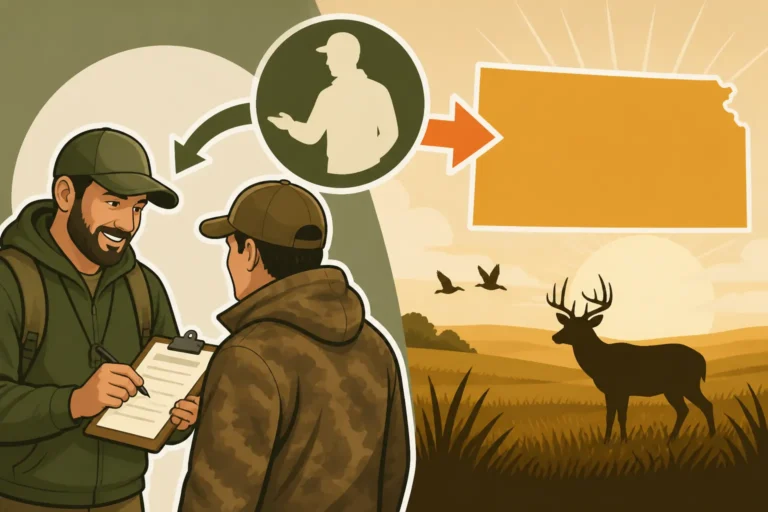
A guided hunt, at its heart, means you're enlisting the expertise and resources of a professional outfitter or guide service. When you book a guided hunt, you're not just paying for access; you're paying for a comprehensive package designed to maximize your chances of success and minimize your logistical headaches. This typically includes pre-scouted private land access, often with food plots and strategically placed stands (treestands, ground blinds, or box blinds) already set up and ready to go. Your guide will likely provide transportation to and from your stand, offer advice on tactics, help with tracking and recovery, and assist with field dressing your deer. Accommodation and meals are frequently part of the package, turning your hunt into an all-inclusive experience. For many hunters, especially those with limited vacation time or unfamiliarity with a new area like Kansas, this level of service is a huge relief. They just need to show up with their gear and be ready to hunt.
The Essence of a Do-It-Yourself Approach
On the flip side, a do-it-yourself (DIY) hunt is exactly what it sounds like: you're responsible for every single aspect of your trip. This means you're handling all the scouting, securing land access (whether it's public land, Walk-in Hunting Access, or private land you've gained permission for), bringing and setting up all your own gear, devising your own hunting strategy, and managing all the logistics like lodging, meals, and game recovery. This approach demands a significant investment of time, effort, and knowledge before you even step foot in the woods. While it can be incredibly rewarding, it often comes with a higher degree of uncertainty and a steeper learning curve, especially if you're new to hunting in a diverse landscape like Kansas. Many hunters view the DIY path as the purest form of hunting, where the challenge and the eventual success are truly earned through personal grit and ingenuity.
The Middle Ground: Semi-Guided and Self-Guided Leases
It's important to recognize that the hunting world isn't always black and white. There's a vibrant middle ground that often appeals to hunters who want some support but still crave a level of independence.
Semi-guided hunts typically provide access to private land with pre-scouted areas and sometimes pre-hung stands, but the outfitter doesn't actively hunt with you or provide constant field support. They might drop you off at a pre-determined stand, offer general advice, and perhaps help with game recovery, but the actual hunting decisions are yours.
Self-guided lease hunts, on the other hand, are often arranged directly with a landowner or through a service like BookYourHunt. You essentially lease hunting rights to a specific parcel of private land for a set period. Once the lease is secured, you're entirely on your own for scouting, stand placement, and all hunting activities, just like a DIY public land hunt, but with the added benefit of exclusive private land access. This option requires significant planning and self-sufficiency but offers the privacy and potentially higher quality hunting associated with private ground without the constant presence of a guide. For many, a semi-guided or self-guided lease can be a perfect blend, offering prime access without the full guided price tag or the competition of public land. You can check out more details about these options in Kansas Semi-Guided and Self-Guided Hunts.
The Allure of a Guided Kansas Deer Hunt
There's a reason so many hunters, even experienced ones, choose to book a guided trip. The benefits, especially in a state like Kansas known for its trophy potential but also its vastness and challenges, can be incredibly compelling. It's about more than just convenience; it's about leveraging expertise and resources to make your limited hunting time count.
Expertise and Local Knowledge at Your Fingertips
Imagine arriving in Kansas, perhaps from another state, with only a few days to hunt. You're faced with thousands of acres of unfamiliar terrain, fluctuating weather patterns, and deer behavior that might differ from what you're used to. This is where a good guide shines. They live and breathe Kansas deer hunting. They know the land intimately – where the bucks are bedding, their travel corridors between different food sources, and how they react to pressure. A reputable outfitter has spent countless hours Scouting Kansas River Bottoms and Creek Draws before the season, setting trail cameras, and understanding the local herd dynamics. They know when the Kansas rut peaks and the best stand locations in flat farm country. This invaluable local knowledge, often gained over decades, drastically shortens your learning curve and puts you in high-percentage spots right from the start. They understand subtleties like how wind affects a specific creek bottom or where deer will stage before entering a milo field.
Convenience and Logistics Handled
One of the biggest draws of a guided hunt is the sheer convenience. For busy professionals, or those traveling long distances, the thought of coordinating every detail of a hunting trip can be overwhelming. With a guided hunt, most of that burden is lifted. Your lodging is arranged, meals are often provided, and transportation to and from your stand is typically part of the service. You don't have to worry about finding a place to stay, cooking for yourself after a long day in the field, or trying to navigate unfamiliar roads in the dark before dawn. Guides also handle many of the "un-fun" but necessary aspects, like helping you track a deer, assisting with field dressing, and often coordinating with a local locker plant for processing. This frees you up to focus entirely on the hunt itself, enjoying the experience without the constant distraction of logistical worries. It's essentially a hunting vacation where all the hard work (except the shooting, of course!) is taken care of.
Maximizing Your Chances: Equipment, Stands, and Strategy
Outfitters invest heavily in quality equipment and stand setups. They'll have a variety of stands – ladder stands, hang-ons, ground blinds – strategically placed in areas known for deer activity. These stands are often positioned to capitalize on specific wind directions, pinch points, or food sources. They might have taken advantage of Milo and Corn Stubble Deer Patterns or focused on Hunting Inside Corners of Crop Fields. A good outfitter maintains these setups throughout the year, ensuring they're safe, brushed in, and effective. They also have a deep understanding of hunting strategy for their specific properties, knowing when to rattle and grunt during the Kansas rut, or when to use a decoy in open fields. This means you're hunting from proven setups on land that's managed for quality deer, significantly increasing your chances of an encounter with a mature buck. They want you to succeed, and their entire business model revolves around putting hunters in front of deer. This level of preparation and strategic placement is incredibly difficult for a DIY hunter to replicate without a massive time investment over multiple seasons.
Embracing the Challenge: DIY Deer Hunting in Kansas
While guided hunts offer convenience, there's a profound satisfaction that comes with orchestrating your own successful hunt. For many, the DIY path isn't just a way to save money; it's a core part of their hunting identity.
The Deep Satisfaction of Earning It
There's an undeniable pride that swells when you harvest an animal on a DIY hunt. Every step, from the hours spent poring over Kansas Deer Unit Map and satellite imagery, to the grueling hike in before dawn, to the moment you pull the trigger, feels earned. You've personally scouted the property, identified the pinch point, hung your stand, battled the elements, and outsmarted a wary whitetail on its home turf. This deep, personal connection to the entire process, including the struggles and setbacks, makes the eventual success incredibly sweet. It’s a testament to your hard work, persistence, and skill. The stories you bring home aren't just about the deer; they're about the entire adventure, the lessons learned, and the self-reliance gained. For many, this intrinsic reward outweighs any perceived convenience or higher success rate of a guided trip.
Unrestricted Flexibility and Personal Strategy
One of the greatest advantages of a DIY hunt is the freedom it offers. You're not tied to an outfitter's schedule, their preferred stand locations, or their hunting philosophy. You can hunt exactly how and where you want, adapting your strategy minute by minute based on what you're seeing and feeling in the field. If a new weather front rolls in, you can choose to move your stand to a new bedding area or a fresh food source. If you've spent weeks Reading Aerial Imagery for Bedding Cover and found a perfect spot far off the beaten path, you have the autonomy to go there. You can experiment with different tactics, whether it's Rattling and Grunting During the Kansas Rut in a new area or Mobile Hunting With a Saddle in Kansas to cover more ground. This flexibility allows for a dynamic and responsive hunting experience, where you're constantly learning and adjusting. You're the master of your own destiny, and that level of control is invaluable to many passionate hunters.
The Educational Journey of Self-Reliance
A DIY hunt is an accelerated course in hunting education. You'll learn invaluable skills, often through trial and error, that you might never pick up on a guided trip. You'll become proficient in e-scouting, map reading, and interpreting deer sign. You'll understand the nuances of Wind and Thermals on a River Bank and how they dictate deer movement. You'll learn how to hang stands quietly, effectively, and safely. You'll develop critical decision-making skills in the field, from choosing your entry and exit routes to determining the optimal time to track a deer after a shot. This journey of self-reliance builds confidence, broadens your hunting repertoire, and prepares you for future challenges. Even if you don't tag out, the knowledge and experience gained are often considered just as valuable as the meat in the freezer or the antlers on the wall. It transforms you from a passenger to an active participant, deeply engaged in every aspect of the hunt.
Comparing the Investment: Time, Money, and Effort
When deciding between a guided and DIY hunt in Kansas, the investment required is a primary consideration. It’s not just about the sticker price; it's about evaluating where your resources are best spent – whether that's your hard-earned money, your precious vacation time, or your physical and mental effort.
Breaking Down the Financial Commitment
Let's talk about the elephant in the room: cost. A guided hunt in Kansas is almost always going to have a higher upfront price tag. What a Kansas Guided Deer Hunt Costs can vary wildly, but generally, you're looking at a significant investment for a multi-day, all-inclusive package. This covers the outfitter's private land leases, guide fees, food, lodging, and all the services we discussed earlier. You're paying for convenience and a higher probability of success.
On the other hand, a DIY hunt can be significantly cheaper, but it's crucial to account for all the hidden costs. Your Kansas Nonresident Deer Permit Cost and Kansas Nonresident Hunting Licence Price are fixed, but then you'll add fuel for travel, lodging (camping, budget motel, or Airbnb), food, and potentially purchasing maps, new gear for scouting, or even leasing a small tract of private land. While the daily expenditure might be less, the cumulative costs, especially for a non-resident traveling a long distance, can quickly add up. Sometimes, when all is said and done, a DIY trip might not be as drastically cheaper as initially perceived, especially if you have to upgrade your gear or stay for an extended period.
| Feature | Guided Hunt (Typical) | DIY Hunt (Typical) | Semi-Guided Lease (Typical) |
|---|---|---|---|
| Cost Range | Higher upfront, all-inclusive | Lower upfront, variable hidden costs | Mid-range, private access, fewer services |
| Land Access | Prime private land, often managed for deer | Public land (WIHA, state land, federal) or self-secured private | Dedicated private land lease |
| Logistics | Mostly handled (food, lodging, transport, recovery) | All handled by hunter (food, lodging, transport, recovery, etc.) | Hunter handles most, access provided |
| Expertise | Provided by guide, local knowledge | Hunter's own research, learning curve | Hunter's own research, some intel from landowner (if applicable) |
| Gear Needed | Basic personal hunting gear | Full range: stands, cameras, scouting tools, recovery gear | Full range: stands, cameras, scouting tools, recovery gear |
| Success Rate | Generally higher opportunity rates due to resources | Variable, highly dependent on hunter skill and research | Variable, dependent on hunter skill and property quality |
| Time Saved | Significant time saved on planning and logistics | Intensive time investment in planning, scouting, executing | Moderate time saved on access, intensive on scouting/execution |
The Hidden Costs of Both Paths
Beyond the obvious expenses, both options carry less apparent financial considerations. For a guided hunt, you need to factor in gratuities for your guide and any camp staff, which can be a significant addition to the overall price. Tipping a Kansas Guide is customary and an important part of showing appreciation for their hard work. There might also be trophy fees for larger bucks, depending on the outfitter's contract. On the DIY side, "hidden" costs could include unexpected equipment failures requiring quick replacements, emergency lodging changes, or even unexpected vehicle repairs far from home. If you're going the lease route, understanding What Kansas Hunting Leases Cost Per Acre and any associated fees is crucial, as well as the liability insurance you might need. It's also easy to overlook the cost of enhanced maps (like those from GoHunt), trail cameras, scent control products, and other small but necessary items that add up for a self-sufficient hunter.
Your Time: The Most Valuable Resource
Time is often the most critical factor, especially for non-residents. With a guided hunt, your time in Kansas is maximized for hunting. You arrive, get briefed, and are in a stand almost immediately. All the pre-season work has been done for you. This is invaluable if you only have a few days off work or a limited window to travel.
A DIY hunt demands a much larger time investment, not just during the actual hunt, but in the weeks and months leading up to it. This includes extensive e-scouting from home, potentially making a pre-season scouting trip to Kansas, and then the actual hunting days themselves. You'll spend hours on the road, hiking, scouting, hanging stands, and then hunting. While a guided hunter might be able to squeeze a hunt into a long weekend, a DIY hunter often needs a full week or more to travel, scout, settle in, and truly hunt effectively. This is especially true if you are trying to secure Finding Private Land Access in Kansas which requires time to build rapport with landowners. If your vacation days are limited, you need to seriously weigh how much time you're willing to dedicate beyond the actual act of hunting.
Navigating Access: Private Land, Public Land, and WIHA
One of the biggest hurdles for any deer hunter in Kansas is securing quality land access. This is where the guided and DIY paths diverge most dramatically, each presenting its own set of opportunities and challenges.
Outfitter Access to Prime Private Ground
A significant benefit of booking a guided hunt is gaining access to prime private land that you would likely never be able to hunt on your own. Reputable Kansas outfitters invest heavily in leasing large tracts of private ground, often for years, building strong relationships with landowners. This land is frequently managed specifically for deer, with food plots, limited pressure, and strategic habitat improvements. When you hunt with an outfitter, you're hunting on ground that has been carefully selected, often pre-scouted for specific bucks, and is free from the crowds you might encounter elsewhere. This exclusive access to well-managed properties is a cornerstone of the guided hunt experience and is a major factor in the higher success rates often associated with outfitters. They essentially open doors to properties that are otherwise off-limits, offering an almost unparalleled hunting environment.
The Public Land Hunter's Odyssey
For the DIY hunter, public land is often the go-to option. Kansas does have Public Hunting Land in Kansas, including state wildlife areas and Corps of Engineers ground around reservoirs. However, public land hunting requires a completely different mindset and skillset. You're competing with other hunters, navigating changing pressure patterns, and relying solely on your own scouting and hunting acumen. Finding quality public land can be an odyssey, requiring extensive research, e-scouting, and often a willingness to walk much further than most other hunters. You'll need to understand Hunting Pressure Patterns on Kansas Public Land and develop tactics to avoid it. While it offers incredible challenges and rewards, it demands a significant investment in time and effort to locate productive areas that haven't been over-pressured. It's definitely not for the faint of heart, but it offers a truly raw and authentic hunting experience.
Leveraging Kansas Walk-In Hunting Access
Kansas's Walk-in Hunting Access (WIHA) program is a fantastic resource for DIY hunters, acting as a bridge between pure public land and securing private permission. WIHA enrolls private landowners who open their land to public hunting for specific seasons. It’s an amazing opportunity, but it also comes with its own set of considerations. You'll need to study the Kansas WIHA Acres and Enrollment and refer to the current WIHA atlas to find available tracts. Scouting Kansas Walk-In Tracts Before the Opener is absolutely crucial, as these areas can still receive significant pressure. While it's private land, it's open to any hunter with a valid license, so you still need to scout smart, hunt smart, and sometimes deal with other hunters. Some WIHA tracts even utilize an iWIHA system requiring check-in, which means there can be daily capacity limits. It's an excellent way to gain access to productive ground without a lease, but it still demands the full DIY commitment to scouting, strategy, and self-sufficiency.
Logistics, Gear, and Game Recovery
Beyond where you hunt, the practicalities of a hunt – what you bring, how you set up, and what happens after the shot – also differ greatly between guided and DIY approaches. These often overlooked details can significantly impact your experience.
Gear Requirements and Stand Setup
On a guided hunt, your outfitter will likely have stands already set up and maintained. This means you primarily need your personal hunting gear: your weapon, suitable clothing for Kansas weather, binoculars, rangefinder, and basic necessities. You won't typically need to bring climbing sticks, hang-on stands, or elaborate ground blinds. The focus is on being prepared to hunt from the provided setup.
For the DIY hunter, your gear list is much more extensive. You're bringing everything: your own portable treestands or ground blinds, climbing sticks if you're going mobile, trail cameras, scent control gear, and all the tools for field maintenance and setup. You'll be responsible for Hanging Stands on Public Land Without Getting Burned, ensuring they are safe, properly concealed, and legal for the specific land you're hunting. You might opt for Mobile Hunting With a Saddle in Kansas to increase your flexibility. This means a heavier pack, more planning, and a larger initial investment in quality, portable gear designed for self-sufficiency. The weight and bulk of your gear directly impact your ability to hunt deeper or adapt quickly.
Scouting and In-Season Adaptations
A guided hunt provides "done-for-you" scouting. The guide has spent countless hours preparing the property, identifying deer movement patterns, and often has intel on specific bucks. Your role is to listen to their advice and hunt the pre-selected spots. Adaptations during the hunt might be suggested by your guide based on changing conditions or new information.
The DIY hunter is the chief scout. Pre-season e-scouting is paramount, followed by on-the-ground scouting to confirm observations and find fresh sign. During the hunt, you're constantly evaluating conditions, reading deer behavior, and making real-time adjustments. If a spot isn't producing, you might pull your stand and move it, a tactic that requires knowledge of Hunting Terrain Funnels in Flat Country or Cedar Thickets as Bedding Cover. This continuous cycle of observation, analysis, and adaptation is central to the DIY experience and demands constant engagement and critical thinking. GoHunt's mapping tools can be a game-changer here, helping you overlay property lines with terrain features and historical data.
Field Care and Getting Your Deer Home
Successfully downing a deer is only half the battle. Then comes recovery, field dressing, and getting the animal out of the woods. On a guided hunt, your guide will almost always assist with tracking and recovery, often having access to ATVs or other equipment to help extract the deer from challenging terrain, such as getting a deer out of a river bottom alone. They'll also typically help with field dressing and can direct you to local processors, often even handling the transport of your deer there.
For the DIY hunter, this is all on you. You need to be prepared for Blood Trailing in CRP and Cedars, potentially in the dark and difficult weather. You'll need your own game cart, backpack frame, or a strong back to get your animal out. If you're hunting alone, it can be an arduous physical task. You're also responsible for proper Field Dressing in Warm Kansas Weather to ensure the meat doesn't spoil and then finding a locker plant or processing it yourself at your lodging. This aspect of the hunt is often physically demanding and requires a solid plan before you even step foot into the field.
The Hunt Experience: What Each Path Offers
Beyond the practicalities, the very feel of the hunt differs significantly between guided and DIY options. It's about the atmosphere, the camaraderie (or solitude), and the deeper takeaways from your time in the Kansas deer woods.
The Social and Supportive Guided Environment
A guided hunt often comes with a built-in social experience. You'll likely be sharing a lodge with other hunters, sharing stories, and bonding over successes and misses. The guides themselves often foster a friendly, supportive atmosphere, making sure you feel comfortable and part of the team. This camaraderie can be a huge draw for hunters who enjoy the social aspect of hunting. It's a chance to meet new people, learn from others, and share the passion. If you're traveling solo or enjoy a more communal hunting experience, the guided option provides that structure and companionship, transforming the hunt into a shared adventure. Many hunters form lasting friendships with their guides and fellow hunters, making these trips yearly traditions.
The Solitude and Introspection of DIY
The DIY hunt, particularly on public land or a private lease, is often a more solitary affair. This is precisely what many hunters seek. It's an opportunity for introspection, to fully immerse yourself in nature without external distractions. You are alone with your thoughts, the sounds of the wilderness, and the challenge of the hunt. This solitude fosters a deeper connection to the land and the animals you pursue. While you might hunt with a close friend or family member, the core experience is often one of personal challenge and quiet contemplation. For those who feel hunting is a spiritual or intensely personal endeavor, the DIY path offers that unadulterated experience, free from the expectations or schedules of others. It’s an environment where you can truly "listen to the woods" and trust your own instincts.
Beyond the Kill: Memories and Skills Gained
Both guided and DIY hunts create lasting memories, but the nature of those memories can differ. On a guided hunt, you'll remember the big buck, the comfortable lodge, and the jokes shared around the dinner table. The skills gained might be specific to shot placement or patience.
On a DIY hunt, the memories are often more encompassing: the triumph of navigating difficult terrain, the satisfaction of a perfectly executed setup, the frustration of a blown opportunity, and the sheer grit it took to persist. The skills gained are broader, covering everything from advanced scouting techniques to primal survival skills in the field. Even if you don't tag a deer on a DIY trip, the learning experience and the personal growth are often profound. You become a more well-rounded, capable hunter, ready to tackle any challenge. This often leads to a lifelong pursuit of learning and refining your craft, extending far beyond the hunting season itself. You're not just buying a hunt; you're investing in your own development as a hunter.
Making Your Personal Choice: Which Path is Right for You?
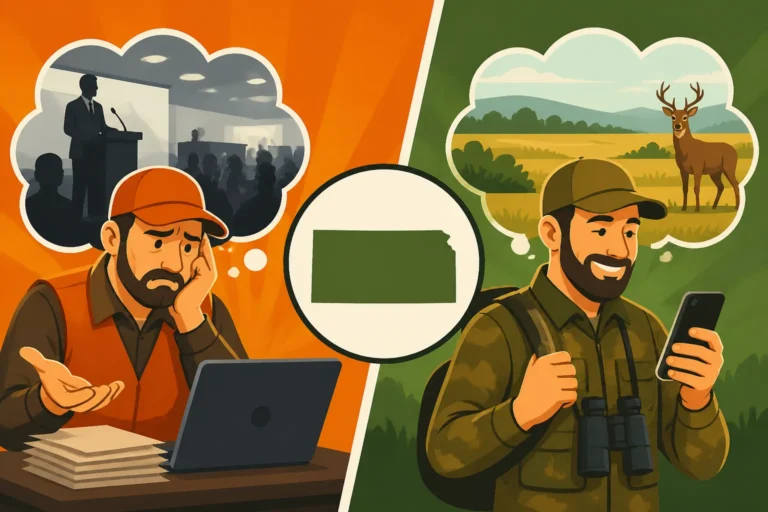
Ultimately, there's no single "best" way to hunt deer in Kansas. The ideal choice depends entirely on your personal circumstances, preferences, and priorities. Take a moment to honestly assess what you truly want from your hunting experience.
Assessing Your Budget and Time Constraints
Be realistic about your financial situation. Can you comfortably afford the higher upfront cost of a guided hunt, including potential tips and trophy fees? Or does a more budget-friendly DIY approach better align with your finances, even if it means more out-of-pocket expenses for various items?
Equally important is your time. If you have limited vacation days and want to maximize your time actually hunting, a guided trip is hard to beat. The convenience of having everything handled means you're in the stand quicker and for more hours. If you have ample free time and enjoy the planning, scouting, and execution phases as much as the hunt itself, then a DIY trip allows you to fully immerse yourself in the entire process. Remember, a DIY hunt often extends well beyond the actual days you are physically in the stand, demanding weeks or months of preparation. Don't underestimate the time required for Kansas Deer Permits and the Nonresident Draw and subsequent planning.
Evaluating Your Experience Level and Desired Challenge
Consider your current hunting experience. Are you new to deer hunting, or new to hunting in Kansas? An outfitter can provide invaluable guidance, mentorship, and a structured environment that can significantly boost your confidence and chances of success. They can introduce you to Kansas Whitetail Hunting Tactics Through the Rut or Kansas Antlerless Hunts and Filling the Freezer in a way that feels accessible.
If you're an experienced hunter looking for a significant challenge and prefer to rely on your own skills, then the DIY route might be more rewarding. It allows you to push your boundaries, learn new skills, and truly earn your success through sheer effort. There's a certain type of hunter who thrives on that personal challenge, where every small victory, from finding a fresh rub to successfully navigating a new piece of public land, feels like a major accomplishment.
Aligning Your Goals with the Hunt Type
Finally, what are your ultimate goals for this hunt?
Are you solely focused on harvesting a trophy buck, and you're willing to pay for the highest probability of that happening? A top-tier outfitter, with access to managed private ground and expert guides, might be your best bet. You can browse platforms like BookYourHunt or research outfitters reviewed on GoHunt to see what they offer.
Is your goal more about the adventure, the learning experience, the self-reliance, and the satisfaction of doing it all yourself, with the harvest as a bonus? Then a DIY hunt, whether on Kansas Walk-In Hunting Access Explained or securing your own permission, offers a richer, more personal journey. Perhaps you just want to put some venison in the freezer, and an Kansas Antlerless-Only Permit Cost and a DIY trip is the most efficient way to achieve that.
Think about the memories you want to create and the story you want to tell. Both guided and DIY hunts in Kansas offer incredible opportunities. By honestly assessing your budget, time, experience, and goals, you can choose the path that promises the most fulfilling and successful hunt for you.
Disclaimer
This article is for general informational purposes only and does not constitute professional advice. Laws, prices and regulations vary by location and change over time. Consult a qualified professional for guidance on your specific situation.