Guided Goose Hunts in Kansas Stubble
The biting Kansas wind whipping across a vast expanse of cut stubble, the ground still frozen from a cold snap, and the faint, then growing, honking of hundreds of geese on the horizon – it's a scene many hunters dream of. But for those new to the game or traveling to the Sunflower State, figuring out where to go, how to set up, and how to effectively hunt these wary birds in agricultural fields can feel incredibly daunting. This guide will walk you through everything you need to know about guided goose hunts in Kansas stubble, offering insights into what makes these hunts so special and how to prepare for a successful adventure.
Why Kansas is a Premier Destination for Stubble Goose Hunting
Kansas often flies under the radar for waterfowl compared to some of its flyway neighbors, but I'm here to tell you, it's a hidden gem, especially for goose hunting in those classic stubble fields. The landscape, the farming practices, and our position smack dab in the middle of the Central Flyway create a perfect storm for incredible goose opportunities. When those big migrations start pouring south, Kansas is right in their path, offering exactly what they need: food and a place to rest.
Understanding Kansas's Position on the Central Flyway
Imagine a superhighway in the sky, stretching from the Arctic tundra all the way down to the Gulf Coast. That's essentially the Central Flyway, and Kansas is a major rest stop and refueling station along that route. We see a tremendous variety of waterfowl, but for geese, particularly Greater Canada Geese and Snow Geese, our state is absolutely critical. As winter progresses and colder temperatures grip the northern states, those massive flocks push south, finding the relative warmth and abundant food sources here in Kansas. You'll witness incredible spectacles of nature as thousands of birds pass overhead, signaling their arrival. It's truly a sight to behold, and being under that flight path is half the fun of the hunt.
Our geographical location means we get birds that have been pressured in other states but are looking for a break, or those still fresh off their northern breeding grounds. The weather patterns play a huge role too; a strong north wind or a sudden cold front can push new waves of birds into the state overnight, transforming a quiet field into a feeding frenzy. This constant influx keeps the hunting dynamic and exciting, ensuring that even if one flock gets educated, another fresh batch is often just a cold front away. The sheer volume of geese that utilize Kansas airspace and habitat makes it a consistently strong choice for waterfowlers.
The Allure of Stubble Fields for Geese
So, why are stubble fields the goose magnet of choice in Kansas? It all boils down to food. After the combines have rolled through, fields of corn, milo, and wheat are left with scattered grains. To a goose, this isn't waste; it's a buffet line. They'll spend hours, sometimes days, in these fields, grazing on the leftovers to build up the energy reserves needed for their long migration. This is especially true for our larger Canada geese, which often prefer to land and feed in these wide-open spaces where they can see predators coming from a mile away.
The wide-open nature of these fields, while great for goose security, is also a key factor in hunting them. They feel safe in these environments, which is why they prefer them over dense cover. A seasoned guide knows how to read these patterns, identify the fields birds are using, and most importantly, how to set up a spread of decoys that looks natural and inviting. They understand that geese are creatures of habit, often returning to the same general areas or even specific fields day after day until the food source is depleted or hunting pressure pushes them elsewhere. This predictability, combined with the sheer abundance of food, is what makes stubble field goose hunting in Kansas so productive and challenging in the best way.
What to Expect from a Guided Goose Hunt in Kansas
When you book a guided goose hunt in Kansas, you're not just paying for access; you're investing in expertise, equipment, and a significantly higher chance of success than if you tried to go it alone. It’s about leveraging someone’s deep knowledge of the local bird patterns, their years of experience reading the wind and weather, and their significant investment in top-tier gear. This is particularly valuable in a state like Kansas where prime private land access can be tough to secure and geese can be incredibly wary.
The Role of Your Guide and Equipment Provided
Your guide is essentially your waterfowl general. They've likely been scouting for days, if not weeks, to locate active goose feeding fields. They'll greet you, typically at a pre-arranged meeting spot early in the morning, often before first light. From there, you'll head to the chosen field, where the real work begins. Guides provide almost everything you need: hundreds of realistic decoys (often full-body, sometimes a mix of shells and silhouettes), comfortable layout blinds that vanish into the landscape, and expert calling to bring those high flyers down. Trying to buy, store, and transport that many decoys yourself is a massive undertaking, let alone learning how to set them up effectively. Your guide will handle the heavy lifting, literally, from spreading the decoys to brushing in your blinds.
More than just equipment, your guide brings invaluable knowledge. They understand Wind and Thermals on a River Bank if you happen to be near one, but more importantly, they understand how wind impacts goose flight paths and decoy spreads in open fields. They know what kind of call to use and when, how to adjust the spread if birds are flaring, and how to keep spirits high even if the birds are being stubborn. They'll instruct you on safety, shooting lanes, and what to do when geese commit. It's a full-service experience designed to maximize your opportunity and enjoyment, taking away all the logistical headaches so you can focus on the hunt itself.
Typical Hunt Structure and Strategy
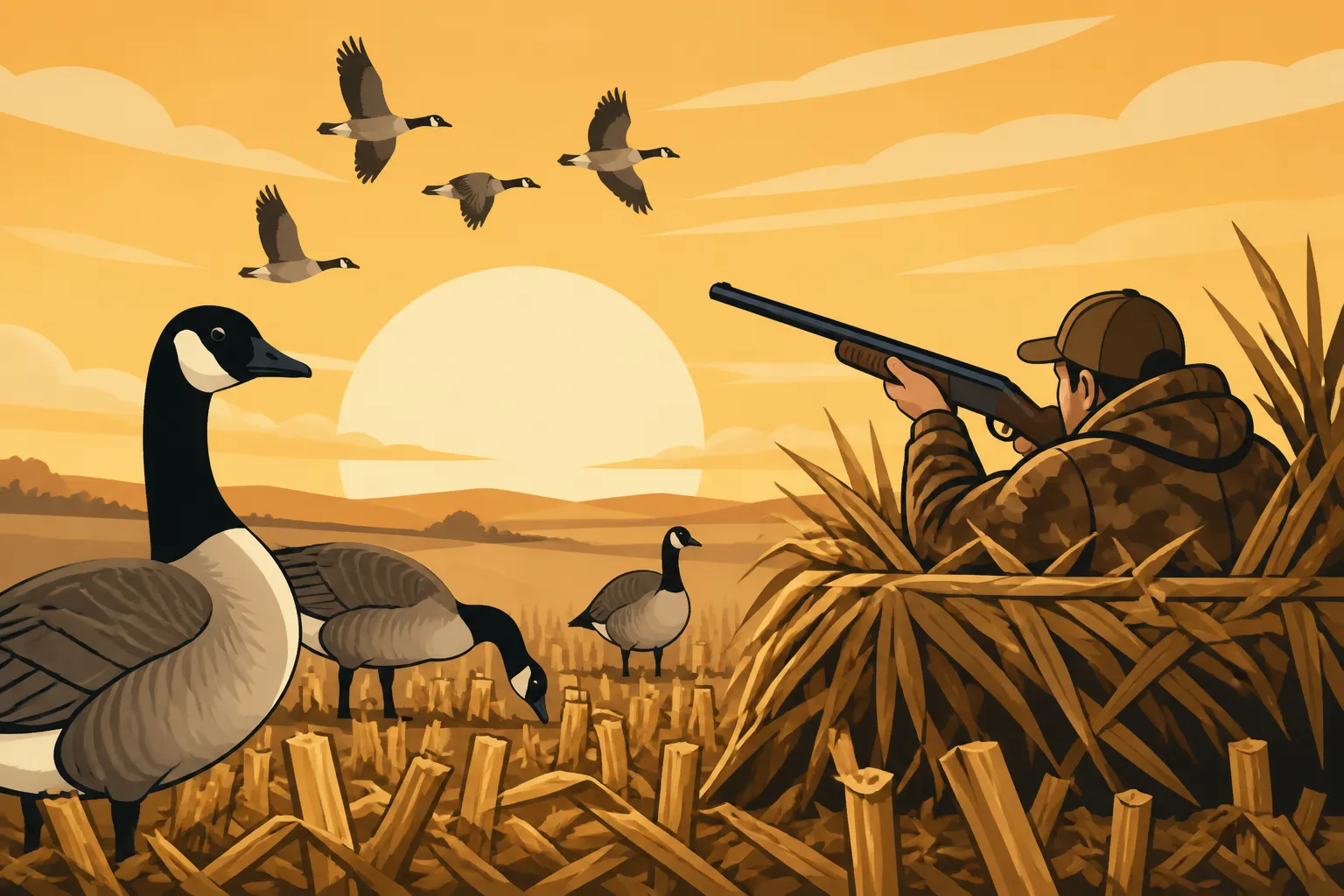
A guided stubble goose hunt typically starts well before dawn. You'll arrive at the designated field in the dark, and the first order of business is setting up the decoy spread. This is often a team effort, but the guide directs every aspect, arranging hundreds of decoys to mimic a natural flock of feeding geese. They’ll strategically place certain decoys, like sentinels or pairs, to create an illusion of safety. Next, you'll get into your layout blinds, which are designed to keep you completely hidden while allowing you to pop up for a shot. Blinds are brushed in with local vegetation (corn stalks, milo stubble) to ensure they blend seamlessly with the surroundings.
Once legal shooting light arrives, it's a waiting game, interspersed with the guide's masterful calling. They'll use various calls to get the attention of passing flocks, mimicking feeding honks, clucks, and even the excited chatter of geese on the ground. When a flock commits, you'll hear the guide giving quiet instructions: "Heads down," "Get ready," "Take 'em!" Then, it's a burst of adrenaline as you sit up, shoulder your shotgun, and take your shots. After the shooting dies down, the guide will often have a trained retriever to fetch fallen birds, or you'll quickly gather them before the next flock appears. These hunts can last several hours, often until limits are met or the birds simply stop flying due to changes in weather or pressure. It's a dynamic experience, constantly adapting to the birds and conditions.
Choosing the Right Kansas Outfitter for Stubble Goose Hunting
Selecting a goose hunting outfitter in Kansas is a big decision, especially if you're traveling a long distance. You want to make sure your hard-earned money and valuable vacation time are well spent on an experience that delivers. There are many operators out there, and while most are reputable, doing your homework is essential to ensure you find a good fit for your expectations and hunting style. You want someone who prioritizes safety, ethics, and a genuine love for the sport, not just the bottom line.
Key Questions to Ask Potential Outfitters
Before you commit, pick up the phone and have a real conversation with any potential outfitter. Don't be shy about asking direct questions. Start with their experience: How long have they been guiding goose hunts in Kansas? Do they primarily hunt Canada geese, snow geese, or both? What units do they typically operate in, and how much land do they have access to? Ask about their scouting strategy – how frequently do they scout, and how do they ensure they're on active birds? It's fair to inquire about typical group sizes and hunter density on their leases; you don't want to show up only to find yourself crowded.
Dig into the specifics of the hunt itself. Ask about their decoy spread – are they using high-quality full-body decoys, or a mix? What kind of blinds do they use, and how well are they brushed in? Will they have a dog for retrieving birds? Most importantly, ask for references from past clients, particularly those who have hunted the previous season. A good outfitter will be proud to share contact information for satisfied customers. Platforms like GoHunt or BookYourHunt often feature verified reviews, but a direct conversation with a past client can provide invaluable insight into the actual hunting experience, camp atmosphere, and the guide's demeanor. You want someone who is patient, knowledgeable, and genuinely invested in your hunt.
Understanding Pricing and Inclusions
Kansas guided goose hunt prices can vary widely depending on the outfitter, the length of the hunt, and what's included. Typically, packages might range from a single morning hunt to multi-day excursions with lodging and meals. Always get a clear breakdown of what's covered. Does the price include the guide's fee, decoys, blinds, and calling? Most reputable outfitters will include these essentials. However, clarify what's not included. This almost always involves your hunting license, state and federal waterfowl stamps, and shotgun shells.
Some outfitters might also offer lodging and meals as part of their package, which can be a huge convenience, especially if you're traveling from out of state. If not, inquire about nearby accommodations. Are there any hidden fees, like bird cleaning services or transportation from a local airport? While rare for goose hunts, some outfitters for big game might have "trophy fees" – confirm this isn't the case here. And don't forget about tipping your guide, which is customary and greatly appreciated for their hard work and effort. Understand the deposit and cancellation policy upfront. A clear, written contract or agreement detailing all these points is always a good idea, protecting both you and the outfitter.
Preparing for Your Kansas Stubble Goose Hunt
Once you've booked your guided goose hunt, the excitement really begins! But don't let that overshadow the need for proper preparation. Kansas weather can be famously unpredictable, especially during waterfowl season. One day it might be mild and sunny, the next you could be battling freezing rain and high winds. Being adequately prepared will not only make your hunt more comfortable but also significantly increase your chances of success.
Essential Gear and Clothing Considerations
First and foremost, think layers. You'll likely be sitting in a blind for hours, potentially exposed to the elements. Start with a good moisture-wicking base layer, add insulating layers like fleece or down, and top it off with a waterproof and windproof outer shell in a camo pattern suitable for stubble fields (think browns, tans, and dull greens). Warm, waterproof boots are non-negotiable, as you'll be walking through potentially wet or frozen fields. Don't forget insulated gloves or mittens, a warm hat that covers your ears, and a face mask or neck gaiter to protect against the wind and help with concealment. You might consider hand warmers and foot warmers for those especially frigid mornings.
Beyond clothing, you'll need your shotgun and plenty of ammunition. A 12-gauge shotgun is standard for geese, and make sure you're using steel shot or other approved non-toxic shot, as lead shot is prohibited for waterfowl hunting. Bring a good supply of shells – at least a box or two per hunter, maybe more if you tend to shoot a lot or want to be prepared for high-volume days. Make sure your gun is clean and functioning perfectly. A small backpack to carry snacks, water, and extra layers is also a good idea. Consider bringing a comfortable seat cushion if your blind doesn't provide enough padding, as long sits can be tough on the back.
Licensing, Permits, and Regulations
This is absolutely crucial. Before you even set foot in a Kansas field, you must have the appropriate licenses and permits. For non-residents, this will typically include a Kansas hunting license, a Kansas Waterfowl Habitat Stamp, and a Federal Duck Stamp. Residents will also need their hunting license and the state waterfowl stamp, with the federal stamp being required if they are 16 years of age or older. Always check the Kansas Department of Wildlife and Parks (KDWP) website for the most current regulations, season dates, and license requirements, as these can change year to year. You can often purchase these online directly through the KDWP portal.
It's also essential to be familiar with bag limits and possession limits for the specific species of geese you'll be targeting. Your guide will certainly know these, but as a responsible hunter, it's your duty to understand them too. For example, Kansas Waterfowl Season Zones can sometimes have different regulations depending on where you are in the state. Don't forget about the Harvest Information Program (HIP) registration, which is typically free but mandatory for all migratory bird hunters. Make sure all your paperwork is in order before your hunt to avoid any last-minute stress or potential legal issues.
Here's a quick comparison of what you might expect from a guided hunt versus a DIY approach for Kansas stubble goose hunting:
| Feature | Guided Hunt Experience | DIY Hunting Experience |
|---|---|---|
| Scouting & Land Access | Expertly scouted, pre-arranged access to private land. | Requires extensive personal scouting, often difficult to gain private land permission. |
| Equipment Provided | Hundreds of high-quality decoys, layout blinds, calls, dog. | Must own, transport, and set up all your own expensive gear. |
| Expertise & Strategy | Guide reads birds, calls, adjusts spread, directs shots. | Relies solely on personal experience, trial, and error. |
| Physical Effort | Guide handles most setup/takedown; less strenuous for hunter. | Significant physical labor for decoy deployment/retrieval. |
| Success Rate | Generally higher due to guide's knowledge and resources. | Variable, highly dependent on personal skill, scouting, and luck. |
| Cost | Higher upfront cost per hunter. | Lower initial cost, but high investment in time and gear. |
| Learning Opportunity | Excellent for learning tactics, calling, and bird behavior. | Learning through self-discovery and experience. |
| Social Aspect | Shared experience with guide and fellow hunters. | Can be solitary or with your own group. |
Ultimately, a guided goose hunt in Kansas stubble fields offers a streamlined, educational, and often highly successful way to experience the thrill of waterfowl hunting. It takes away many of the logistical challenges, allowing you to focus on the magic of the moment when those geese cup their wings and commit to the spread.
Disclaimer
This article is for general informational purposes only and does not constitute professional advice. Laws, prices and regulations vary by location and change over time. Consult a qualified professional for guidance on your specific situation.