Kansas Archery Versus Firearm Hunt Pricing
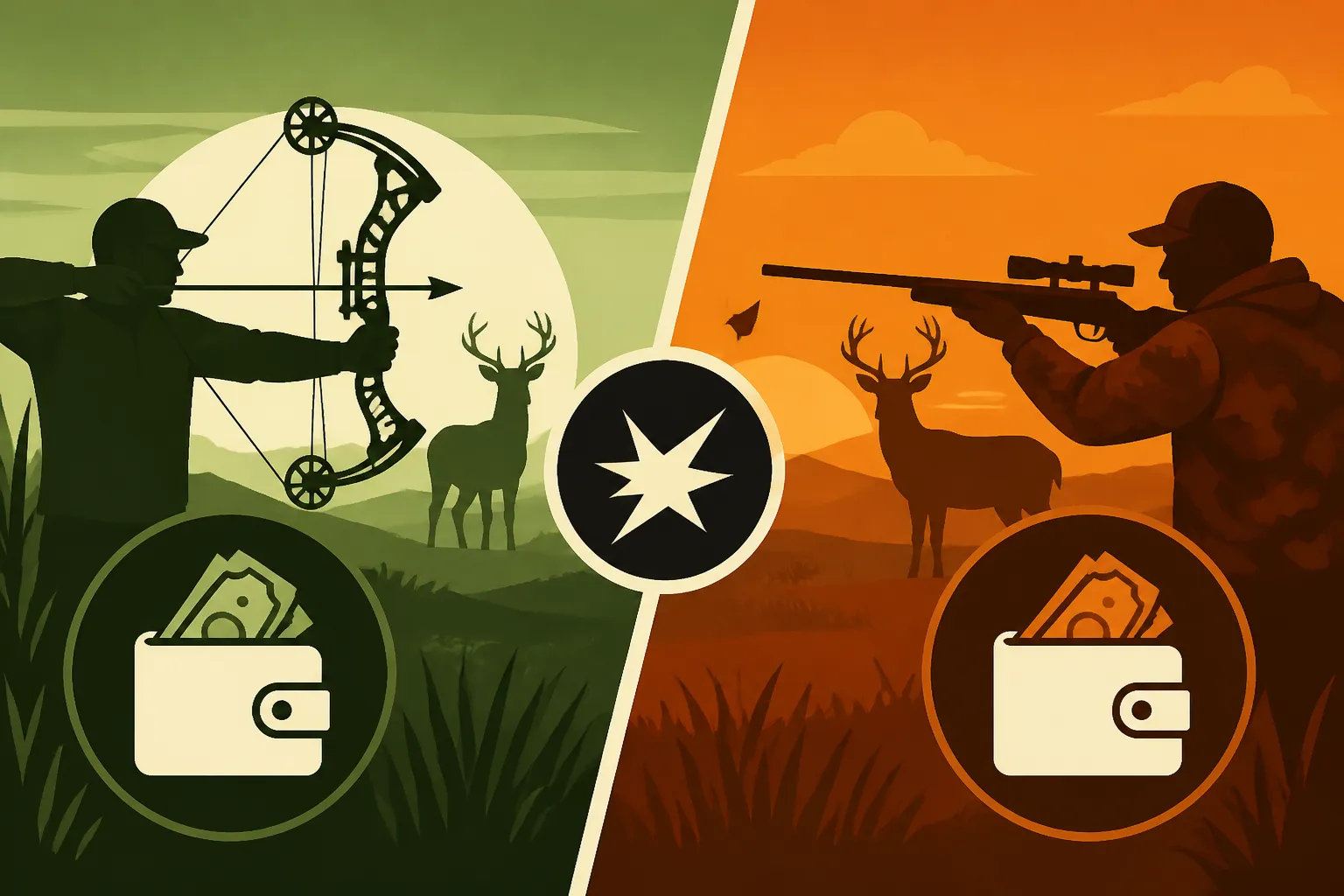
Many hunters looking at a guided Kansas deer hunt often find themselves scratching their heads when comparing the price tags for archery versus firearm seasons. It's not always a straightforward comparison, and the costs can vary significantly based on the weapon, the timing, and what's included in the package. This guide aims to demystify the pricing structures, helping you understand the real value and differences so you can make an informed decision for your next Kansas whitetail adventure.
Understanding the Core Differences in Hunt Pricing
The financial disparity between archery and firearm hunts isn't random; it's a calculated reflection of various factors unique to each season. When you see those different numbers from outfitters, know that a lot of thought goes into those calculations.
Season Length and Draw Difficulty
Kansas archery season is a marathon, stretching from mid-September through December, with a brief interlude for the December firearm season. This extensive window means outfitters can potentially book more archery hunts throughout the fall, but it also encompasses varied hunting conditions, from scorching early-season days to frigid late-season stands, and dynamic deer behaviors. The nonresident archery tag draw, while competitive and requiring careful planning, might offer slightly different dynamics and point requirements compared to the firearm draw in certain units. The sheer length of the season allows for more flexibility in scheduling and spread of resources.
Firearm season, conversely, is a sprint, typically a very short window in early December. This highly concentrated period means immense demand for a limited number of prime hunting days. For nonresidents, securing a Kansas firearm tag can sometimes necessitate accumulating more preference points or having better luck in the draw than an archery tag, depending heavily on the unit and the annual applicant pool. The brevity of the season, combined with its reputation for higher success rates, often drives the pricing upwards due to scarcity, intense effort, and the concentrated desire of hunters to be in a stand during that specific time.
Think about the application process itself. The Kansas Deer Application Window in April is a critical time for both archery and firearm hunters, but the strategy for drawing an archery tag versus a firearm tag can differ significantly. Outfitters often assist clients in navigating these draw odds, which is a service implicitly built into their operational costs and, by extension, their hunt prices.
Demand and Success Rates
It's no secret that Kansas is a mecca for trophy whitetails; the state consistently produces some of the biggest bucks in the country. The allure of Kansas Whitetail Deer and Why They Grow Big creates substantial demand for guided hunts across all seasons. However, the December firearm season, with its generally higher success rates for harvesting a deer, sees a particular surge in demand. This is especially true for the prime rut dates that may either fall just before or coincide with the beginning of the firearm season. Many hunters, driven by the perceived ease and higher probability of filling a tag with a rifle, are willing to pay a premium for these short, intense hunts.
Archery hunts, while incredibly rewarding and offering a more intimate experience, typically have lower statistical success rates for harvesting a deer compared to firearm hunts. This isn't a reflection of the outfitter's quality or the hunting experience, but simply the inherent nature of bowhunting, which requires closer range, greater precision, and more time in the stand. Outfitters price their hunts based on a combination of market demand, the resources allocated, and the perceived value and likelihood of success to the hunter. The higher demand for those shorter, higher-success firearm windows naturally allows them to command a higher price point.
Consider the atmosphere surrounding each season. The short firearm season often means hunters are intensely focused on securing a deer quickly, adding an urgency that guides must manage. Archery hunters often embrace a longer, more challenging experience, which can sometimes allow for a slightly more relaxed pace from the outfitter's perspective, though the effort to put a client on a mature buck remains immense for both types of hunts.
Guide's Investment and Risk
A quality hunting operation in Kansas represents a massive investment for an outfitter, regardless of the weapon choice. They spend countless hours and substantial capital leasing or owning prime ground, meticulously scouting, hanging and maintaining stands, managing food plots, and keeping equipment in top shape. For archery season, the longer duration means a prolonged period of stand maintenance, constant attention to scent control, and adapting to ever-changing deer patterns from early fall through late winter. The need for precise stand placement for a close-range bow shot requires an even more meticulous approach to scouting and setup.
Firearm seasons, despite their brevity, carry their own unique set of risks and require significant investment. The intense, short window often means a higher concentration of effort, with more hunters on the property simultaneously, potentially demanding more guides per client. The stakes are often higher, with clients having very specific, high expectations for a quick and successful return on their investment. Outfitters might invest more heavily in specific scouting for those short, high-impact periods, or in specialized equipment for swift game retrieval. The fixed costs of property leases, insurance, and wear and tear on vehicles and blinds are spread across fewer, higher-priced firearm hunts, contributing to their elevated cost.
Ultimately, the outfitter is meticulously balancing their extensive operational costs, the prevailing market demand for specific seasons, and the intrinsic value and challenge of each hunt type. They also factor in the complexity of drawing certain tags for their clients, often providing guidance through the How to Apply for a Kansas Nonresident Deer Permit process, which is an invaluable service built into the overall hunt package cost.
Typical Archery Hunt Pricing Structure
When you're looking at bowhunting in Kansas, you'll inevitably notice a distinct pricing model compared to rifle hunts. This isn't just arbitrary; it reflects the nature of the hunt, its duration, the specific challenges, and the varied experience throughout the long archery season.
Early Season Bowhunts
Kansas archery season traditionally kicks off in mid-September, offering a unique opportunity to catch bucks still operating on predictable summer patterns, perhaps even with velvet-covered antlers if you hit the very first days. An early season bowhunt typically spans five to six days, and these often represent the most accessible price point for a guided deer hunt in Kansas. You'll generally find these hunts priced lower than the coveted peak rut hunts. This is largely due to different deer behavior during this period; while success is absolutely possible, it often demands more patience and adaptability from both hunter and guide. Warmer temperatures and a slower overall deer movement, compared to the frenetic rut, are common.
Outfitters frequently use these early hunts to further refine their understanding of the deer herd after summer, but they also necessitate specific tactics. Hunters might find themselves focused on strategies like Early-Season Bowhunting Over Water during hot afternoons, or targeting isolated, prime food sources. The primary challenge here is less about aggressive deer movement and more about precisely intercepting a buck in his pre-rut routine before the full-blown chaos of chasing begins. Hunters who relish the intricate chess match of deciphering a specific buck's pattern, or those less concerned with a specific antler score and more about the immersive experience, often gravitate towards these early season opportunities. Look for packages that might even include a bonus opportunity for coyotes or feral hogs, if available, which can add to the overall value.
These early season hunts can be a fantastic, budget-conscious way to experience Kansas without the premium price tag of the rut. You'll still get a crack at those impressive Kansas Whitetail Body and Antler Size bucks, but you might be doing it in more humid conditions, requiring diligent scent control and a highly strategic approach. Many booking platforms, like BookYourHunt, often list a good range of early season options, allowing you to easily compare what various outfitters are offering during this specific window.
Rut Archery Prime Time
This is undeniably where Kansas bowhunting prices reach their zenith. The window from the last week of October through the first two weeks of November is almost universally considered the prime rut period for whitetails in Kansas, and it's when the vast majority of bowhunters dream of being perched in a treestand. During these intense weeks, bucks are actively cruising, chasing does, and engaging in sparring matches, making them significantly more visible and, in some ways, more vulnerable to aggressive hunting tactics. Outfitters are keenly aware of this peak activity, and the immense demand for these specific dates drives prices up substantially.
A guided rut archery hunt will typically run for five to seven days and will command the highest price tag among bowhunting packages. This premium reflects the significantly increased odds of encountering mature deer moving during daylight hours, the sheer intensity and excitement of the rut, and the outfitter's concentrated effort to capitalize on this narrow, explosive window. Guides are often working tirelessly, deploying highly effective strategies such as Rattling and Grunting During the Kansas Rut or strategically placing hunters in natural Hunting Terrain Funnels in Flat Country that become hotspots when bucks are on the prowl. Every single stand location is meticulously scouted and prepped for maximum impact during this short, dynamic period.
If you're aiming for a rut hunt, be prepared to book your spot exceptionally well in advance—often a year or more out. These highly sought-after dates fill up at an astonishing pace. The outfitter’s historical success rates during this peak activity, coupled with the sheer thrill of witnessing the whitetail rut firsthand, unequivocally justify the higher cost for many dedicated hunters. You'll find the most comprehensive details and tips for Booking a Kansas Rut Hunt Early when you visit various outfitter websites or utilize specialized platforms like GoHunt that consolidate booking information and availability.
Late Season Bowhunting
Following the conclusion of the general firearm season in December, Kansas opens back up for archery hunting, with some units, like those covered by Kansas Unit 19 Extended Archery Antlerless, extending opportunities well into January. These late-season hunts are typically characterized by significantly colder weather and deer that are often singularly focused on reliable, high-calorie food sources as they recover from the strenuous rut and subsequent firearm pressure. The prices for late-season bowhunts tend to fall somewhere between early season and prime rut hunts, often aligning more closely with early season rates, offering a relative value.
These hunts demand a distinctly different skillset and strategy, focusing heavily on identifying and exploiting Late-Season Food Source Hunting and developing a deep understanding of how deer conserve energy and move in frigid conditions. Outfitters will concentrate their efforts on standing crops, well-maintained food plots, or even unharvested fields that offer both crucial sustenance and vital thermal cover. While the "trophy potential" might be perceived as slightly lower than the chaotic, adrenaline-fueled rut, many large bucks are still very much present, just often harder to pinpoint due to post-rut exhaustion and heightened wariness from previous hunting pressure.
The advantages of late-season bowhunting include the benefit of fewer hunters in the woods, often crisp, clear conditions ideal for stand hunting, and the invaluable chance to fill a tag when other seasons have long since concluded. If you're a hardy hunter who genuinely enjoys bundling up, enduring the cold, and meticulously picking apart patterns on food sources, this can be an incredibly rewarding and often more budget-friendly option than the intense rut. It's a true test of patience, mental fortitude, and woodsmanship, providing a perfect opportunity to fine-tune tactics for Cold Weather Stand Clothing and master the art of Staying Warm on a December Sit.
Typical Firearm Hunt Pricing Structure
The firearm seasons in Kansas are notably shorter and more intense than the expansive archery opportunities, and this brevity, coupled with historical success rates, directly influences their pricing. Hunters seeking the generally higher success rates associated with rifles or muzzleloaders often encounter a different and typically higher cost landscape.
Muzzleloader Opportunities
Kansas offers a dedicated muzzleloader season, typically held in September, serving as an important prelude to the main December firearm season. This season provides a fantastic and often underrated opportunity to hunt deer while bucks are still somewhat patterned to summer food sources, but with a firearm that extends your effective range beyond traditional archery equipment. Muzzleloader hunts usually fall into a mid-tier price range for guided experiences, generally priced higher than early archery hunts but typically lower than the premium December rifle season.
Outfitters offering muzzleloader hunts capitalize on this strategic timing, often before extensive hunting pressure has truly set in across the landscape. Tactics during this early period might involve specific approaches such as Muzzleloader Deer Tactics in Warm September Weather, which could include focusing on persistent water sources during warmer days or targeting isolated food plots that are drawing deer out of early season cover. The inherent challenge of this season often lies in the single-shot nature of the muzzleloader and the typically warm Kansas September temperatures, which can make consistent daylight deer movement somewhat sporadic.
Despite these unique challenges, the Kansas Muzzleloader Deer Season is a cherished period for many hunters, offering a unique blend of primitive weapon challenge with modern firearm capability. It allows hunters to get into the woods for a high-quality hunt with good potential for mature deer without necessarily incurring the peak price tag of the general firearm season. Many outfitters provide specific options for this season, recognizing its growing popularity and distinct appeal among hunters.
December Firearm Season Rush
This is, almost without exception, the most expensive guided deer hunt you will find in Kansas, and for very compelling reasons. The December firearm season is incredibly short, typically lasting only a handful of days, but it strategically aligns with the late post-rut period when deer are often still moving well and intensely concentrating on prime food sources to recover from the strenuous rut. The demand for these extremely limited and high-potential spots is astronomically high, driven by the season's short duration and its historically elevated success rates for harvesting mature bucks.
Outfitters pour an immense amount of effort and resources into this brief but critical window. They have usually been scouting extensively throughout the archery season, meticulously monitoring deer movement, and thus possess a precise understanding of where the deer are most likely to be. The pressure to produce successful outcomes for clients in this concentrated period is immense, and the logistics of handling multiple rifle hunters, often in larger groups, requires significant staffing and equipment. Consequently, prices for a 3-5 day guided rifle hunt will profoundly reflect this intensity, overwhelming demand, and the statistically higher probability of harvesting a mature buck.
Hunters often view this as their absolute best chance at securing a trophy Kansas Whitetail Body and Antler Size due to the rifle's effective range and power, coupled with the historical timing when bucks are still actively recovering from the rut. If you're seriously aiming for the December firearm season, be prepared to pay a premium and book your spot well in advance—often more than a year out. This period embodies the epitome of the "high demand, high price" equation in Kansas hunting, frequently featuring strategic approaches such as Firearm Season Drives on Small Timber on intensively managed, high-quality properties. Platforms like GoHunt and BookYourHunt are excellent resources for comparing these premium packages and discerning what specific offerings are available.
Youth and Disability Hunts
Kansas has earned significant commendation for offering special, dedicated seasons for youth hunters and individuals with disabilities, typically scheduled just before the general firearm season. These crucial hunts provide a fantastic opportunity for these individuals to experience the thrill of deer hunting in a less crowded, more controlled, and supportive environment. From a pricing perspective, outfitters sometimes offer these specialized packages at a slightly reduced rate or with significant special considerations, recognizing the profound importance of introducing new generations to the hunting tradition and accommodating specific needs.
These hunts are generally more focused on fostering the overall hunting experience, education, and ensuring a successful harvest, rather than being solely driven by trophy potential (though impressive bucks are certainly taken). Guides often provide a more personalized, one-on-one level of attention, placing a strong emphasis on education, paramount safety, and guaranteeing a deeply positive outdoor experience for the participant. This represents a heartwarming and vital aspect of Kansas hunting, and while these hunts may not always be "cheaper" in the traditional financial sense, the immense value gained from these foundational experiences is often immeasurable.
If you are considering a youth or disability hunt, it is highly advisable to inquire directly with outfitters about their specific offerings, availability, and pricing structures. Some dedicated outfitters might have specialized programs tailored precisely for these demographics, while others may adapt their existing packages to meet specific requirements. These inclusive hunts are fundamentally aligned with the broader goals of hunter recruitment and retention, providing invaluable opportunities for individuals who might otherwise face significant barriers to participating in the sport.
Factors Influencing Hunt Costs Beyond Weapon Choice
While the choice of weapon (archery vs. firearm) is a major determinant in the price of a Kansas deer hunt, it's far from the only variable. Savvy hunters understand that a multitude of other factors contribute significantly to the final cost, and being aware of these can help you better evaluate and compare different outfitter packages.
Lodge Amenities and Services
The caliber of lodging and the breadth of services provided by an outfitter can dramatically swing the price of a hunt. Are you envisioning a rustic bunkhouse with shared facilities and minimal frills, or a luxurious lodge boasting private rooms, gourmet meals prepared by a chef, and daily maid service? The difference in accommodation standards alone can easily add hundreds, if not thousands, of dollars to a hunt package. Some high-end outfitters proudly feature elaborate game rooms, fully stocked bars, and even professional masseuses, while others deliver a more straightforward, yet comfortable, camp experience focused purely on the hunting.
Consider what truly matters to you after a demanding day in the woods. Do you require a hot shower and a plush bed as essential comforts, or are you perfectly content with the bare minimum as long as the hunting opportunities are exceptional? A hunt package that includes all meals meticulously prepared by a dedicated cook will inherently be more expensive than one where you are responsible for your own cooking, or where only basic continental breakfast and packed lunches are provided. Furthermore, services like airport pick-up and drop-off, daily transportation to and from your stand, or even a basic in-camp guiding presence offering general advice can all contribute to what might be termed an "amenity tax." When researching, you'll definitely want to ask specific questions about Kansas Hunting Lodges and Lodging to understand the full scope of what's offered.
Ultimately, a portion of your payment covers the overall comfort, convenience, and immersive experience that elevates your hunting trip. If you place a high value on a more luxurious, amenity-rich experience, be prepared for a correspondingly higher price point. If you're perfectly content with basic, clean lodging and good company, you might find more budget-friendly options that prioritize the hunt itself.
Guiding Style and Hunter Numbers
The ratio of guides to hunters, and the precise level of direct, hands-on guidance you receive, are enormous drivers of hunt costs. A fully guided hunt, where you have a dedicated guide who personally escorts you to and from your stand, actively assists with tracking and recovery, and offers constant, in-field advice and strategic adjustments, is unequivocally going to be more expensive than a semi-guided or self-guided hunt. In a fully guided scenario, the outfitter must employ a larger staff, incurring significantly higher labor costs that are directly passed on to the client.
Semi-guided hunts, where the outfitter provides pre-scouted stand locations, detailed maps, and valuable advice but largely leaves the actual in-field hunting decisions to you, are typically more affordable. Self-guided hunts, which often amount to little more than a lease on private land with minimal oversight, are usually the least expensive option but also offer the absolute least support and assistance. The total number of hunters present in camp at any given time also plays a crucial role. An outfitter who conscientiously limits hunter numbers per week or per property to reduce pressure and enhance the overall quality of the hunt can justifiably charge more, as they have fewer clients across whom to spread their substantial overhead.
When you're meticulously researching and comparing options, make absolutely sure to clarify the exact guiding style and what it entails. Never assume "guided" implies your guide will be sitting right there with you in the stand unless it's explicitly stated in the contract. Some outfitters offer a "camp guide" who provides general assistance and advice, while others provide a "stand guide" for a truly hands-on, one-on-one hunting experience. This vital distinction profoundly impacts What a Kansas Outfitter Provides and, consequently, the final price of your hunt.
Land Quality and Management
The quality, exclusivity, and active management of the land an outfitter controls is arguably the single most significant factor influencing hunt prices. Prime hunting ground, especially within specific Kansas units renowned for consistently producing trophy-class bucks, comes at a substantial premium. Outfitters invest colossal sums to lease or purchase properties that boast exceptional habitat, meticulously maintained food plots, and a proven, historical track record of yielding impressive deer. This immense investment in top-tier land translates directly into higher hunt prices.
Furthermore, outfitters who actively and diligently manage their properties for quality deer, implementing stringent harvest criteria, executing year-round habitat improvements, and potentially running supplemental feeding programs (where legally permissible), incur significant ongoing operational costs. These dedicated management practices dramatically enhance the chances of encountering mature, high-scoring bucks, which is a primary draw for discerning hunters who are willing to pay more for that elevated opportunity. An outfitter who has controlled a particular piece of property for many decades, carefully cultivating its deer herd through sound management, offers a vastly different experience (and accompanying price tag) than one who has just acquired a new lease with unknown potential.
When engaging with potential outfitters, always make it a point to inquire about their land base: How many acres do they hunt? How many hunters do they host per week on that acreage? What specific types of habitat work do they regularly undertake? Platforms like GoHunt and BookYourHunt frequently highlight outfitters with a proven track record on quality ground, but direct, detailed inquiry is absolutely key. The superior the land, the more established and effective the management practices, and the more exclusive the access, the higher the price you should logically expect for your hunt.
What to Expect in a Hunt Package
Deciphering what’s actually included in a guided hunt package can sometimes feel like trying to understand a complex legal document. It's absolutely crucial to grasp the nuances of these offerings to avoid unwelcome surprises and ensure you're making a true "apples to apples" comparison when evaluating different outfitters and their advertised pricing.
Inclusions and Exclusions
The majority of reputable outfitters offer packages that include a set number of hunting days, typically ranging from 5-6, along with some form of lodging and, in many cases, meals. Beyond these core elements, the specific inclusions can vary wildly. Some truly "all-inclusive" packages might cover seemingly minor but important details such as airport transfers, initial field dressing of your harvested animal, and even basic caping services for your taxidermist. Conversely, other outfitters might consider services like transportation to and from your stands an extra charge, or only provide very basic continental breakfast and sack lunches. It is absolutely critical to obtain a detailed, itemized list of what is and isn't part of the base price before committing.
Common exclusions almost universally include: your Kansas hunting license and deer permit (which you, as the hunter, are typically responsible for drawing on your own, sometimes with guidance from the outfitter – it's crucial to understand How to Apply for a Kansas Nonresident Deer Permit), your personal hunting gear, ammunition, alcoholic beverages, gratuities for guides and camp staff (remember, Tipping a Kansas Guide is customary and can add a significant amount to your overall trip cost), and professional meat processing or taxidermy services. Don't overlook personal travel expenses to and from Kansas either! It's paramount to clarify all these potential extra costs upfront to accurately budget for your entire trip.
A truly professional outfitter will always provide a clear, comprehensive contract or a detailed list outlining all inclusions and exclusions. If any aspect feels vague or unclear, do not hesitate to ask for immediate clarification, preferably in writing. This transparency ensures you know precisely what you're receiving for the price you pay.
Understanding Trophy Fees
A "trophy fee" is a supplemental charge added on top of your base hunt price if you harvest a buck that meets or exceeds a predetermined antler score or physical size. This practice is particularly prevalent in Kansas, where the hunting focus often strongly emphasizes mature, high-scoring whitetails. Outfitters implement trophy fees for a variety of strategic reasons: to strongly encourage hunters to pass on younger, immature bucks, to help offset the significant financial costs associated with growing large, mature deer, and as a key component of their overall herd management strategy.
These fees can vary widely, ranging from a few hundred dollars for a mid-range buck to several thousand dollars for a truly exceptional giant. Some outfitters establish a minimum score threshold (e.g., a 140-inch P&Y gross score) below which no trophy fee is assessed, but any buck harvested above that benchmark incurs a charge. Others might employ a sliding scale, where the fee progressively increases with the antler score. Always, without exception, clarify the exact trophy fee structure before you finalize your booking. Crucially, ask what the protocol and potential penalties are if you happen to shoot a deer that is under the minimum score, as some outfitters enforce stiff fines for harvesting very young or undersized bucks.
While trophy fees can sometimes be a point of contention among hunters, when applied fairly, transparently, and consistently, they can serve as an effective and responsible tool for managing deer herd quality. Just make sure you fully understand all the rules and implications. For a deeper dive into what precisely defines a "trophy" in Kansas, you might find it beneficial to read about Kansas Record Book Whitetails.
Booking and Payment Logistics
Booking a highly coveted guided hunt, especially for prime Kansas dates, absolutely requires foresight, meticulous planning, and sound financial management. Outfitters typically require a significant non-refundable deposit (often 50% or even more of the total hunt cost) to firmly secure your coveted spot, with the remaining balance usually due anywhere from 30 to 90 days prior to your hunt start date. It is absolutely imperative to thoroughly understand the outfitter's cancellation policy. What happens if you are suddenly unable to make the trip due to an unforeseen emergency? Is your deposit fully refundable, partially refundable, transferable to another date or hunter, or do you simply forfeit it? Some outfitters offer comprehensive trip insurance options or may allow you to roll your deposit over to the following year if you are unsuccessful in drawing your Kansas tag.
The complete payment schedule, including all due dates and amounts, should be meticulously outlined in your signed contract. Most outfitters readily accept checks or major credit cards, though some might offer a slight discount for direct cash payments. Always insist on receiving a written confirmation of your booking, official payment receipts, and the full, detailed terms and conditions. Familiarizing yourself with Outfitter Contracts and Deposits in Kansas is standard practice and will serve you well.
Reputable and professional outfitters will always be transparent and forthright about their booking process and clearly articulate what transpires in various hypothetical scenarios. Do not hesitate to ask as many questions as necessary until you feel completely comfortable and confident with the financial commitment and all associated logistics. This proactive approach helps ensure an exceptionally smooth experience from the initial booking right through to the successful completion of your hunt.
Making the Right Choice for Your Budget
Deciding between an archery and firearm hunt, and subsequently selecting the perfect outfitter, often boils down to a delicate balancing act between your budget constraints, your desired hunting experience, and your personal expectations. It's about meticulously finding that sweet spot where cost effectively meets genuine value.
DIY vs. Guided Hunt: A Cost Comparison
Before even delving into the nuanced price differences between archery and firearm guided hunts, it's incredibly valuable to take a moment to honestly consider the fundamental do-it-yourself (DIY) versus guided hunt debate. A self-planned hunt on public access areas, such as those within Kansas Walk-In Hunting Access Explained, will almost invariably be significantly cheaper in terms of upfront costs. You'll primarily be covering your license, deer tag, fuel, groceries, and basic lodging (which might entail camping or a budget motel). However, DIY hunting demands extensive prior scouting, a deep knowledge of the land, owning your own equipment, and possessing a strong willingness to work exceptionally hard with absolutely no guarantees of success. For many seasoned hunters, the immense satisfaction derived from a truly self-earned harvest is paramount and outweighs the comforts of a guided trip.
A guided hunt, conversely, represents a substantial investment in convenience, expert knowledge, and generally higher statistical odds of success on premium, well-managed private land. While the initial price tag is undeniably higher, you are essentially paying for years of an outfitter's accumulated experience, exclusive access to prime hunting ground, meticulously pre-scouted stand locations, and often very comfortable accommodations. For nonresident hunters traveling long distances, the complex logistics alone can make guided hunts overwhelmingly appealing. You simply arrive, and nearly everything is meticulously taken care of. It's crucial to evaluate Guided Versus DIY Deer Hunting in Kansas not just purely on monetary cost, but also on your available time constraints, your personal experience level, and the precise kind of adventure you are truly seeking.
The direct financial comparison between DIY and guided hunts is stark, but the ultimate value proposition is deeply personal and subjective. A guided hunt might effectively save you weeks of frustrating scouting and potential setbacks, while a DIY hunt can foster invaluable skills, self-reliance, and a profound connection to the land.
Researching Outfitters and Their Value
Once you've made the pivotal decision to pursue a guided hunting experience, diligent and thorough research becomes absolutely paramount. Do not simply glance at the sticker price; instead, delve deeply into what each outfitter genuinely offers for that specific price point. This is precisely where specialized platforms like BookYourHunt and GoHunt truly excel, providing a consolidated view of numerous options and often invaluable client reviews. Begin by broadly comparing What a Kansas Guided Deer Hunt Costs across a diverse range of outfitters and carefully note the prevailing price ranges. Subsequently, dig much deeper into the specifics.
Ask direct, penetrating questions: What is their exact guide-to-hunter ratio? What precise type of accommodations do they offer? Are all meals comprehensively included? What are their reported success rates (and importantly, clarify if that represents "opportunity rate" or "kill rate," and for what specific class of animal)? How long have they been continuously operating on their current leases? What specific Kansas units do they primarily hunt, and what are the Kansas Deer Units With the Most Public Land versus the best quality private land they manage? Critically, request and contact references from past clients, and never hesitate to call them directly for unbiased feedback. Be acutely aware of any potential "red flags" – overly vague answers, promises that seem implausibly too good to be true, or a distinct lack of transparency regarding contracts or fees.
Remember, a seemingly "cheap" hunt is not always a truly good value if the overall experience is subpar, the accommodations are uncomfortable, or the historical success rates are abysmal. Conversely, a more expensive hunt can represent outstanding value if it consistently delivers an unforgettable experience and high-quality hunting opportunities. It's all about finding that optimal balance of price, comprehensive service, and an impeccable reputation that perfectly aligns with your personal expectations and aspirations. Never underestimate the immense power and insight gained from thoroughly Checking a Kansas Outfitter's Reputation.
Maximizing Your Investment
Regardless of whether you ultimately choose an archery or firearm hunt, or opt for a budget-friendly package versus a premium, high-end experience, there are tangible and effective ways to maximize your valuable investment. Firstly, be unequivocally honest and transparent with your chosen outfitter about your precise expectations and your actual skill level. If you are relatively new to bowhunting, do not pretend to be a seasoned expert. They can much more effectively place you in situations conducive to success if they possess an accurate understanding of your capabilities and limitations.
Secondly, arrive at camp thoroughly prepared in every conceivable aspect. This means diligently practicing with your chosen weapon extensively in the weeks and months leading up to your hunt, meticulously ensuring all your hunting gear is in absolutely top working condition, and being physically ready for the inherent demands of the hunt. Read up extensively on proven strategies such as Kansas Whitetail Hunting Tactics Through the Rut or targeted advice for Rifle Hunting the Kansas December Firearm Season to gain a deeper understanding of the specific tactics and challenges involved. Being both mentally and physically prepared will demonstrably increase your chances of success, thereby making your significant financial investment much more worthwhile and rewarding.
Lastly, strive to be an exemplary client. Diligently follow your guide's advice and instructions, show unwavering respect for the land and all applicable hunting rules, and consistently maintain a positive and enthusiastic attitude, regardless of temporary setbacks. A strong, positive relationship with your outfitter and guides can often lead to significantly better experiences and even preferential treatment or future booking opportunities. Your investment in a Kansas hunt isn't solely financial; it's also a deeply personal one. Make sure you exert the necessary effort to derive the absolute maximum from your unforgettable Kansas hunting adventure.
| Feature / Aspect | Archery Hunt (Guided) | Firearm Hunt (Guided) |
|---|---|---|
| Season Duration | Much longer (Mid-Sept-Dec, Jan in specific units) | Much shorter (Primarily Dec, Sep for muzzleloader) |
| Typical Price Range | Moderate to High (Lower for early/late, Highest for peak rut) | High to Very High (Consistently higher due to demand) |
| Success Rate (General) | Generally lower (due to close range, patience, scent) | Generally higher (due to weapon range, power, timing) |
| Physical Demands | Often higher (patience, extended sits, precise shot placement) | Moderate (focused, shorter duration, often more movement) |
| Rut Access | Prime rut often available and highly sought after | Often overlaps with late rut/post-rut feeding phase |
| Hunt Style | More "chess match," intimate, quiet, patient stalking/sitting | More "action-oriented," strategic stand hunting, some drives possible |
| Booking Lead Time | 6 months to 1 year+ (Rut dates fill exceptionally fast) | 1 year+ (Extremely high demand for limited spots) |
| Guide Effort | Prolonged scouting, extensive stand maintenance, meticulous scent detail | Concentrated, high-intensity effort in short window, higher client volume |
| Weather Impact | Can range from warm and humid to freezing; adaptability crucial | Primarily cold weather; focus on thermal gear and tactics |
| Cost Drivers | Peak rut demand, quality of land, range of amenities | Short season demand, higher success rates, land quality, guide ratio |
Disclaimer
This article is for general informational purposes only and does not constitute professional advice. Laws, prices and regulations vary by location and change over time. Consult a qualified professional for guidance on your specific situation.