Checking a Kansas Outfitter’s Reputation
Booking a hunt, especially an out-of-state whitetail or turkey adventure in Kansas, is a huge investment – not just of your hard-earned money, but of precious vacation time and emotional anticipation. The last thing any hunter wants is to arrive only to find out their dream hunt is nothing like what was advertised, leading to immense frustration and disappointment. This comprehensive guide is designed to walk you through the critical steps of thoroughly vetting a Kansas outfitter, helping you separate the exceptional operations from those that might leave you with buyer's remorse, ensuring your next hunting trip lives up to its promise.
The Importance of Due Diligence in Booking a Kansas Hunt
It’s an age-old story: you’ve saved up, drawn that coveted Kansas tag, and now you’re ready to put your trust and your dollars into a guided hunt. But the hunting industry, like any other, has its share of fantastic operators and, unfortunately, some less-than-stellar ones. Taking the time to really dig into an outfitter's reputation isn't just about avoiding a bad experience; it's about maximizing your chances for success and enjoyment in a state renowned for its incredible hunting opportunities.
Why Reputable Outfitters Matter More Than Ever
In today's interconnected world, it might seem like information is everywhere, making it easy to spot a fraud. However, it's also easier for less scrupulous outfitters to make big promises without the substance to back them up. A truly reputable Kansas outfitter offers more than just access to land; they provide expertise, safety, ethical practices, and a commitment to their clients' experience. They know the local deer patterns, they understand Kansas Whitetail Hunting Tactics Through the Rut, and they've invested in quality ground that isn't over-pressured.
Conversely, a poor outfitter can turn a highly anticipated hunt into a nightmare. We hear horror stories all the time: properties that are far smaller or more crowded than advertised, stands that haven't been maintained, guides who are inexperienced or disengaged, and even outright misrepresentations about the caliber of game on offer. For many non-residents, Kansas is a destination hunt, requiring significant travel and a competitive draw for permits. To have that experience tainted by a poor outfitter isn't just a waste of money; it's a profound letdown that can sour a hunter on guided trips altogether. Good outfitters build their business on repeat clients and word-of-mouth, understanding that a satisfied hunter is the best advertisement.
The Financial and Emotional Investment at Stake
Let's be honest: a guided hunt in Kansas isn't a cheap weekend getaway. You're looking at substantial costs for licenses, permits, travel, and the outfitter's fees, not to mention the gear you've accumulated over the years. For a non-resident, just getting a deer permit in Kansas can be a multi-year process involving preference points and a significant application fee. Kansas Nonresident Deer Permit Cost is a real consideration. This isn't pocket change we're talking about; it's a significant financial commitment that many hunters save for over years.
Beyond the monetary aspect, there's the emotional investment. You've probably spent countless hours dreaming about that big Kansas buck, planning your trip, and getting excited for the adventure. For many, hunting is a sacred time, a chance to reconnect with nature, challenge themselves, and create lasting memories with friends or family. A disappointing hunt due to a disreputable outfitter can feel like a betrayal of that investment, leaving you feeling frustrated, cheated, and deeply disheartened. The stress of dealing with an inadequate setup, constant worry about property lines, or a lack of game can overshadow any enjoyment. Taking the time to properly vet an outfitter protects not just your wallet, but your spirit as a hunter.
Starting Your Research: Online Resources and Platforms
The internet has revolutionized how we find and research everything, and hunting outfitters are no exception. While it's important to approach online information with a critical eye, these platforms are an invaluable first step in building a picture of an outfitter's reputation. They can help you quickly narrow down your options and flag any immediate concerns.
Utilizing Online Directories and Booking Sites
One of the best places to start your initial scout is on dedicated hunting booking platforms. Sites like BookYourHunt, for example, aggregate information from various outfitters, often including details about their operations, available dates, and, most importantly, client reviews. These platforms aim to provide a more structured and sometimes verified environment for hunters to research and book trips. They often require outfitters to meet certain standards or provide specific documentation before listing.
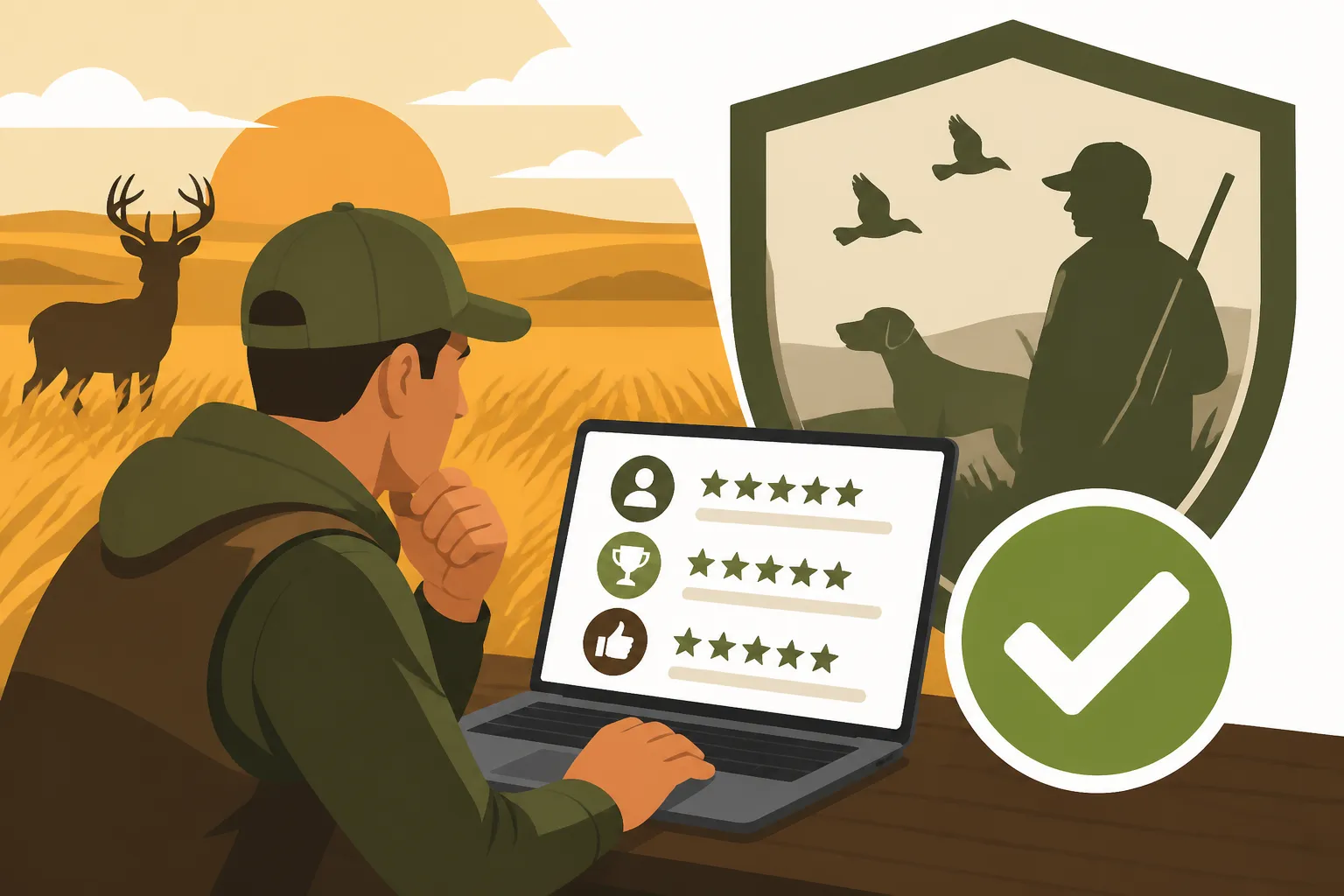
When using these sites, pay close attention to the reviews. Look beyond just the star ratings. What do people specifically praise? Is it the quantity of game, the quality of the guides, the comfortable lodging, or the overall fair chase experience? Conversely, what are the common complaints? Are they about missed expectations, poor communication, or something more serious like unethical practices? Be wary if an outfitter has very few reviews, or if all reviews are suspiciously glowing and lack specific details. A good outfitter will have a track record of varied, but generally positive, feedback that reflects real experiences. These platforms can also give you a rough idea of Kansas Guided Deer Hunt Price Ranges, helping you budget accordingly.
Forums, Social Media, and Hunter Communities
Beyond formal booking sites, the wild west of the internet – hunting forums and social media groups – can offer a wealth of raw, unfiltered feedback. Sites like Rokslide, ArcheryTalk, and various Facebook groups dedicated to Kansas hunting are places where hunters share their experiences, good and bad. This is where you might find honest, unvarnished opinions that might not appear on an outfitter's curated website.
However, a huge caveat here: take everything with a grain of salt. Online forums can be hotbeds for exaggeration, personal vendettas, and even misinformation. One disgruntled hunter's bad experience might not reflect the norm, and conversely, a glowing review might come from a friend or even the outfitter themselves. The key is to look for patterns. If multiple independent sources mention the same issue – for instance, over-pressured land, small bucks, or disengaged guides – that's a significant red flag. If, however, there's overwhelmingly positive feedback about consistent success, ethical practices, and client satisfaction from diverse individuals over several seasons, that builds a stronger case. Don't base your decision solely on one forum post, but use these communities as a way to gather anecdotal evidence and potential lines of questioning for the outfitter.
Diving Deeper: Direct Communication and Specific Questions
Once you've done your initial online research, it's time to pick up the phone or send that detailed email. Direct communication with the outfitter is arguably the most critical step in vetting their reputation. This is your chance to assess their professionalism, transparency, and overall approach to business.
The Initial Conversation: What to Listen For
Your first direct interaction with an outfitter sets the tone. Are they prompt in returning calls or emails? Do they sound genuinely interested in your hunt, or do they seem rushed and impersonal? A good outfitter will take the time to understand your expectations, ask about your hunting experience, and explain their operation clearly. They should be forthcoming with information, not evasive.
Listen for their communication style. Are they honest about potential challenges, or do they only paint a rosy picture? An outfitter who acknowledges that hunting is hunting and guarantees are impossible, but then explains how they maximize opportunities, is often more trustworthy. Red flags during this initial chat include:
- Evasiveness: Not wanting to answer specific questions about land, success rates, or previous clients.
- Pushiness: Pressuring you to book immediately, claiming spots are running out without justification.
- Vague answers: Using generalities instead of concrete details when asked about hunt specifics.
- Over-promising: Guaranteeing a "trophy" buck, especially in Kansas where tags can be hard to draw and hunting is still wild.
- Lack of preparation: Not having clear information about Kansas Deer Permits and the Nonresident Draw or Kansas Preference Points Explained when you ask.
A professional outfitter will make you feel comfortable and confident in their operation from the very first contact.
Key Questions About the Hunt Itself
This is where you start drilling down into the specifics of what your hunt will actually entail. Don't be afraid to ask detailed questions; remember, you're making a significant investment.
- Land Specifics: How much acreage do they hunt? Is it leased or owned? How many different properties? What's the typical size of a hunting block? Are they spread out, or is it one continuous piece? Ask about the habitat (timber, CRP, crop fields) and how it relates to Reading a Kansas Creek Bottom for Deer Sign or Milo and Corn Stubble Deer Patterns.
- Hunter Density: How many hunters do they host at one time? This is crucial for understanding pressure. A high number of hunters on limited ground is a recipe for frustration. Ask about the ratio of guides to hunters.
- Stand Setup: What kind of stands do they primarily use (ladder, hang-on, ground blind)? How many stands are in place, and are they well-maintained? Ask about their policy on Stands Hung Per Hunter and if you can hang your own.
- Success Rates: This is a big one. Ask for both "opportunity rate" (how many hunters had a shot opportunity at a target animal) and "kill rate" (how many actually harvested an animal). Be clear on what constitutes a "target animal" – a mature buck, any buck, etc. Inquire about the average buck score taken each year, and how this relates to Kansas Outfitter Success Rates Explained.
- Guides: What is the experience level of their guides? Are they full-time or seasonal? What is their role during the hunt (e.g., transport to stand, tracking, field dressing)?
- Game Management: What are their practices for managing the deer herd? Do they have minimum antler restrictions? How do they handle pressure throughout the season? Do they have food plots or engage in other habitat improvements?
Logistics and Contractual Details
Before you commit, you need to understand the practicalities and the legalities.
- Pricing Breakdown: Get a clear, itemized breakdown of costs. What exactly is included in the base price (What a Kansas Hunt Price Includes) and what are the potential extra fees (e.g., trophy fees, processing, taxidermy)?
- Deposits and Payments: What is the deposit amount, and when is the final balance due? What forms of payment do they accept?
- Cancellation Policy: This is critical. Understand their policy on Cancellation Terms on a Kansas Booking. What happens if you need to cancel? What if they need to cancel due to unforeseen circumstances (e.g., severe weather, loss of hunting ground)?
- Permit Acquisition: How do they assist non-residents with the Kansas draw? Do they apply on your behalf, or do they simply provide guidance? Understand their process for How Outfitters Handle the Kansas Draw and what happens if you don't draw a tag in a given year.
- Lodging and Meals: If included, describe the lodging. Is it a shared bunkhouse, private rooms, or a hotel? What kind of meals are provided?
The Power of References: Connecting with Past Clients
An outfitter will always tell you they're the best. Their website will show their biggest bucks. But the true measure of their reputation often comes from the people who have actually hunted with them. Talking to past clients is a non-negotiable step in your vetting process.
Why References Are Non-Negotiable
Think of it like buying a car. You wouldn't just trust the salesperson; you'd read reviews from other owners, right? The same principle applies here, but with even higher stakes. References offer an unbiased, firsthand account of what it's really like to hunt with that outfitter. They can confirm or contradict the claims made on the website or during your conversations. A reputable outfitter will readily provide a list of recent references, usually 3-5 names and contact information. If an outfitter is hesitant or refuses to provide references, consider that a major red flag. They should have nothing to hide if they consistently deliver good experiences.
When you get the list, don't just pick the first name. Try to contact at least two or three references, preferably from different seasons if possible. Ask the outfitter for references that hunted a similar time of year or with the same weapon you plan to use (e.g., bowhunting during the rut, or rifle hunting in December). This helps ensure the feedback is relevant to your potential experience.
What to Ask Previous Hunters
Prepare a list of specific questions before you call. This isn't a casual chat; it's an investigative interview. Here are some key areas to cover:
- Overall Experience: "How would you rate your overall experience with [Outfitter Name]?" "Was the hunt as advertised?"
- Guides: "How knowledgeable and helpful were the guides?" "Did they work hard for you?" "Were they courteous and professional?"
- Lodging and Food: "How were the accommodations?" "Were the meals good and plentiful?"
- Game Quality and Quantity: "Did you see a good number of deer (or turkeys, pheasants, etc.)?" "Did you see bucks of the caliber advertised?" "Were you happy with the animal you harvested?" Ask specifically about Average Kansas Buck Antler Score you could expect to see.
- Hunting Pressure: "Did you feel like the land was over-pressured?" "How many other hunters were in camp or on the property at the same time?"
- Outfitter's Promises: "Did the outfitter deliver on their promises?" "Were there any surprises or hidden costs?"
- Problem Resolution: "If any issues arose, how did the outfitter handle them?"
- Rebooking: "Would you book another hunt with this outfitter?" "Would you recommend them to friends or family?"
- Ethical Practices: "Did you observe any questionable ethical practices?"
Listen not just to what they say, but how they say it. Do they sound genuinely enthusiastic, or are they hesitant? Pay attention to any inconsistencies with what the outfitter told you. This cross-referencing is invaluable. Remember, while a harvested animal is exciting, the experience itself is paramount. Sometimes, even if a hunter didn't fill their tag, they might still have had a fantastic time due to the outfitter's hospitality and effort. Ask about what constitutes Scoring a Whitetail Rack if the reference shot a good one.
| Question Type | Ask the Outfitter | Ask the References |
|---|---|---|
| Hunt Logistics | How many acres do you hunt? Is it owned or leased? | Was the hunt property as described? |
| What's your guide-to-hunter ratio? | How engaged and knowledgeable were the guides? | |
| What's included in the price? | Were there any hidden fees or extra costs? | |
| What is your cancellation policy? | How did the outfitter handle any issues or changes? | |
| Game & Success | What are your typical success and opportunity rates? | Did you see the caliber and quantity of game expected? |
| What's the average buck score taken? | Did the outfitter's success rates match your experience? | |
| What are your antler restrictions? | Did you feel the property was over-pressured? | |
| Experience | What does a typical day look like? | How were the lodging and food? |
| What can hunters expect regarding effort/conditions? | Did the outfitter and staff treat you well? | |
| Trust & Integrity | Can you provide recent references? | Would you book with them again or recommend them? |
| Are you licensed and insured? | Did they deliver on their promises? |
Scrutinizing the Details: Websites, Photos, and Red Flags
Beyond direct conversations and references, an outfitter's online presence and their overall marketing materials can reveal a lot about their operation. This is where you put on your detective hat and look for consistency, professionalism, and any glaring inconsistencies that might signal trouble.
Analyzing Outfitter Websites and Promotional Materials
An outfitter's website is their digital storefront. A well-designed, up-to-date website suggests professionalism and attention to detail. Conversely, a website that looks like it hasn't been updated since dial-up internet, or one riddled with broken links and typos, might indicate a lack of care or resources.
Pay close attention to the content:
- Information Density: Does the website provide clear, detailed information about their services, pricing, and what's included? Vague descriptions are a concern.
- Recent Updates: Look for signs of recent activity – blog posts, updated photos, current season dates. A stagnant site might mean a stagnant business.
- Photo Gallery: This is huge. When Reading an Outfitter Photo Gallery, look for a diverse range of photos. Are they current? Do they show hunters of different ages and types, not just the outfitter's family? Are the animals in the photos consistent with what's advertised (e.g., mature bucks if they claim to be a trophy outfitter)? Be wary of galleries that feature a handful of giant bucks from years past, with no recent, more average-sized game. Also, ensure the photos actually look like Kansas terrain and not some other state.
- Testimonials: While easily faked, look for detailed testimonials that sound authentic and provide specific praise. Cross-reference names if possible.
If the website is shoddy or full of inconsistencies, it reflects on the business itself. It might not mean they're a scam, but it certainly suggests a lack of investment in their image, which could translate to other areas of their operation.
Recognizing Common Red Flags
Sometimes, it's not what an outfitter says, but what they don't say, or what seems just a little too good to be true. Keep an eye out for these common red flags:
- Unrealistic Guarantees: As mentioned before, "guaranteed trophy kill" claims in fair chase hunting are almost always a lie. No reputable outfitter can guarantee a kill, especially for a specific animal size. They can only guarantee effort and opportunity.
- Extremely Low Prices for Kansas: Kansas is a premier hunting destination, especially for whitetails. If an outfitter's prices are significantly lower than comparable operations, especially for prime rut dates, ask why. It could be a sign of poor land, over-pressured areas, or cut corners elsewhere.
- Lack of Transparency: If an outfitter avoids answering direct questions, changes subjects, or becomes defensive when pressed for details, proceed with extreme caution.
- High-Pressure Sales Tactics: "Book now or lose your spot forever!" is a classic sales ploy. While popular dates do fill up, legitimate outfitters will give you time to do your due diligence without making you feel rushed and panicked.
- No Physical Address or Business License: Can you find a verifiable physical address for their operation? Do they have a business license or registration in Kansas? While not every small outfitter will have a massive corporate presence, a total lack of verifiable business information is a huge concern.
- Discrepancies in Information: If what they tell you on the phone, what's on their website, and what references say don't line up, that's a serious warning. Inconsistencies suggest misrepresentation.
- No Clear Contract: If they seem hesitant to provide a written contract that outlines all terms, conditions, and inclusions, walk away. A handshake deal for a significant investment is a recipe for disaster.
Understanding Kansas-Specific Considerations
Kansas hunting has its own unique set of rules, regulations, and environmental factors that can impact your hunt. A good outfitter will be intimately familiar with these, and your vetting process should ensure they operate within these specific confines.
Navigating the Kansas Deer Draw and Permits
For non-residents, Kansas is a draw state for deer. This means you can't just buy an over-the-counter tag for a buck. Understanding the Kansas Deer Permits and the Nonresident Draw is crucial, and your outfitter should be an expert at guiding you through this process. Some outfitters will manage the application process for you or advise you on which units to apply for, potentially aligning with their leased ground.
Questions to consider:
- Does the outfitter operate in a unit that requires a high number of preference points to draw, or is it more accessible? How Many Points to Draw a Kansas Unit can vary widely.
- What happens if you don't draw your primary unit? Does the outfitter have ground in an adjacent unit, or is your deposit refundable?
- Are you applying for an either-sex or antlerless-only permit? Ensure your permit type aligns with the hunt you've booked.
- Be cautious if an outfitter claims to have "guaranteed" tags for non-residents outside of the official draw process, as these are often only for landowners or tenants and may not apply to typical clients.
- Resources like GoHunt can be invaluable here. They often provide detailed unit statistics, draw odds, and application strategies that can help you verify what an outfitter is telling you about unit availability and draw success.
Public vs. Private Land and Hunting Pressure
Kansas is largely private land, which is a major reason for its exceptional deer quality. Outfitters often lease significant tracts of private ground. However, "private land" doesn't automatically mean "good hunting." A good outfitter will have diverse leases, often rotating areas or resting parcels to minimize pressure.
Ask about:
- Lease Quality: How long has the outfitter had access to the ground? Have they been managing it for quality deer?
- Neighboring Pressure: Even if their ground is good, what's happening on adjacent properties? Heavy hunting pressure on surrounding land can push deer off or make them nocturnal. Ask about Neighbouring Pressure on a Kansas Lease.
- Walk-In Hunting Access (WIHA): While some outfitters might utilize WIHA properties, be clear if any part of your hunt is on public access land. Public land, while valuable, often sees much higher hunting pressure than private leases. Make sure you understand the difference and what you're paying for.
Dealing with Unexpected Issues and Regulations
Hunting involves variables. Weather, animal behavior, and even state regulations can change. A reputable outfitter will have plans for these contingencies.
- Carcass Transport: Kansas, like many states, has specific regulations regarding the transport of deer carcasses to prevent the spread of Chronic Wasting Disease (CWD). Understand their policy on Carcass Transport Across State Lines and if they offer caping or deboning services on-site to help you comply.
- Tagging and Reporting: Ensure the outfitter guides you through proper tagging and harvest reporting procedures, which are mandatory in Kansas.
- Early Tagging Out: What happens if you fill your tag on day one? Do you simply pack up, or are there other activities available? Understand their policy on What Happens if You Tag Out Early.
- Wounded Game: Inquire about their policy for tracking wounded game, especially if an animal crosses a property line. Do they have agreements with neighboring landowners? This is a critical ethical consideration.
- Emergency Procedures: While you hope you never need them, ask about their emergency plan for medical incidents or severe weather.
Making Your Final Decision and Protecting Your Investment
After all your research, conversations, and reference checks, you should have a clear picture of the outfitter. The final steps involve securing your booking and safeguarding your financial commitment.
Reviewing the Contract Thoroughly
A written contract is your protection. Never, under any circumstances, book a guided hunt without a detailed contract. This document legally binds the outfitter to provide the services and conditions they've advertised. Don't skim it; read every single clause carefully.
Key elements to look for in a Kansas outfitter contract:
- Dates and Species: Clearly state the hunt dates, the species being hunted, and the weapon type.
- Inclusions and Exclusions: An itemized list of what's covered (e.g., lodging, meals, guide services, transportation during the hunt) and what is not (e.g., license, tag fees, taxidermy, meat processing, gratuities). This ties directly into What a Kansas Hunt Price Includes.
- Pricing and Payment Schedule: The total cost, the deposit amount, due dates for payments, and accepted payment methods.
- Cancellation and Refund Policy: This section should clearly detail the outfitter's policy on cancellations by either party, refund eligibility, and options for rebooking or rolling over deposits to future seasons, relating to Cancellation Terms on a Kansas Booking.
- Trophy Fees: If applicable, explicit details on any additional charges for harvesting an animal of a certain size, or penalties for shooting an animal below a specified minimum.
- Liability and Waivers: Most outfitters will require you to sign a liability waiver. Understand what you're agreeing to in terms of risk assumption.
- Dispute Resolution: How are disagreements handled? Is there an arbitration clause?
- Rules and Regulations: A statement that hunters must adhere to Kansas hunting regulations and the outfitter's camp rules.
- Signatures: Ensure both you and a representative of the outfitter sign and date the contract.
If anything in the contract is unclear, ask for clarification before you sign. If an outfitter is unwilling to provide a written contract, or if the contract is overly vague, consider it a serious warning. What a Kansas Hunt Contract Should Say should be comprehensive and leave no room for ambiguity.
Considering Hunt Insurance and Payment Protection
Even with a solid contract, unforeseen circumstances can arise. Life happens – an illness, a family emergency, or even a sudden job change could force you to cancel a hunt. This is where hunt insurance can provide peace of mind.
- Trip Cancellation Insurance: This type of insurance can protect your financial investment (deposits, travel costs, permits) if you have to cancel your hunt for a covered reason. Policies vary, so read the fine print to understand what's covered.
- Medical Evacuation: For hunts in more remote areas, medical evacuation insurance can be a wise addition, though perhaps less critical for typical Kansas farm country hunts.
- Payment Method: Consider paying your deposit and subsequent payments with a credit card if possible. Credit card companies often offer a layer of consumer protection that might help if there's a serious dispute or fraud. Direct bank transfers or cash payments offer far less recourse if something goes wrong.
Ultimately, your goal is to minimize risk while maximizing your chances for a successful and enjoyable hunting experience in Kansas. By taking the time to thoroughly check an outfitter's reputation, you're not just buying a hunt; you're investing in an experience. Choose wisely, and may your Kansas adventure be everything you've dreamed of.
Disclaimer
This article is for general informational purposes only and does not constitute professional advice. Laws, prices and regulations vary by location and change over time. Consult a qualified professional for guidance on your specific situation.