Stands Hung Per Hunter
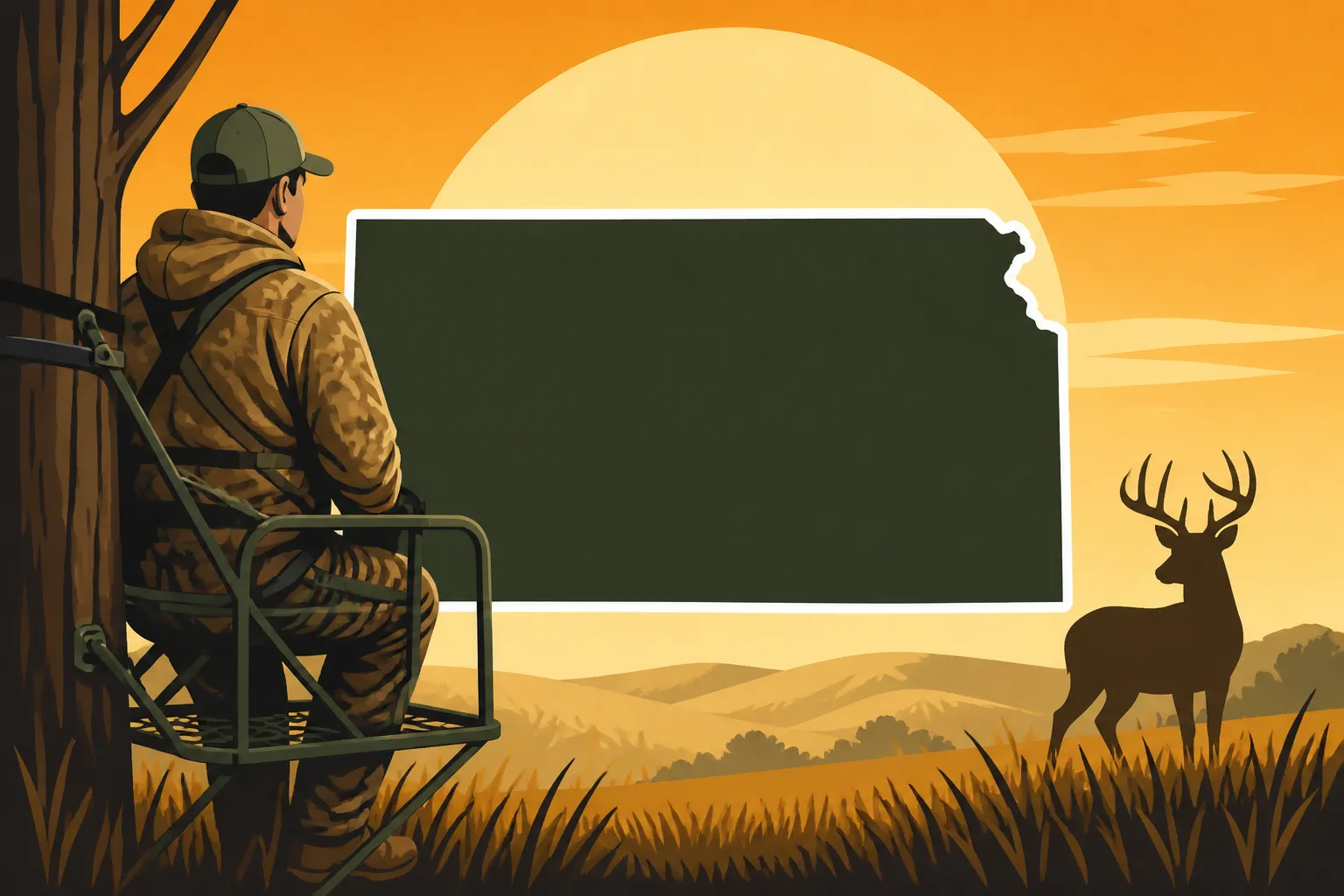
One of the biggest anxieties when you're planning a deer hunt in Kansas, especially if you're booking with an outfitter or looking at a semi-guided lease, revolves around how many stand options you'll actually have. Nobody wants to show up to find only one tired old setup for the week, or worse, to feel like you're constantly competing with other hunters for prime locations. This guide aims to shed light on what to expect regarding stand availability, why it matters, and the crucial questions you need to ask to ensure your hunt meets your expectations.
Why Stand Density Matters for Your Kansas Hunt
When you're committing time and money to a Kansas deer hunt, the availability and quality of stand locations can make or break your experience. It's not just about having a place to sit; it's about having options that adapt to changing conditions and deer movement.
The Impact on Hunter Experience
Imagine this: you've planned for months, driven hundreds of miles, and you're finally in the heart of Kansas whitetail country. Day one dawns clear and cold, but the wind is completely wrong for the only stand near a good food source. If your outfitter only has a couple of stands covering the entire property, you're immediately at a disadvantage. You're forced to hunt a suboptimal spot or, worse, sit out and lose valuable hunting time. Too few quality stand options can lead to frustration, limited opportunities, and the feeling that you're not getting your money's worth.
Conversely, having a good number of well-placed, diverse stand locations allows for flexibility. If the wind shifts mid-morning, or if a particular food source isn't getting hit, you have other options to consider for the afternoon or the next day. This variety minimizes pressure on specific spots, keeps deer from becoming totally nocturnal, and dramatically increases your chances of encountering a mature Kansas buck. It's about letting the conditions dictate your strategy, not being confined by a lack of choices. For example, understanding how deer use Hunting Terrain Funnels in Flat Country requires diverse stand placement to capitalize on shifting winds.
Understanding Outfitter Strategies
Outfitters approach stand placement and management in different ways, and understanding their strategy is key. Some outfitters subscribe to a "less is more" philosophy, focusing on a few extremely high-quality, permanent stands in proven locations, often moving hunters between them based on daily intel. This might mean fewer stands overall, but theoretically, each one is a killer spot. The downside is less flexibility if the deer simply aren't using those particular spots during your hunt.
Other outfitters might place a larger number of stands, offering more options for different wind directions, time of day, or phases of the rut. They might also utilize mobile setups, like treestands or ground blinds, that can be moved quickly to adapt to fresh sign or new patterns. The goal is to provide enough coverage and flexibility without over-pressuring any single area. A reputable outfitter will always prioritize resting ground and ensuring their properties aren't "burned out" by constant hunting pressure, especially on properties where big deer are the primary draw. They understand that deer react to sustained pressure by going nocturnal or moving to safer ground. Hunting Pressure Patterns on Kansas Public Land principles apply similarly to leased private ground, where deer will adapt if stands are overhunted.
Common Stand Ratios and What to Expect
The number of stands per hunter can vary wildly depending on the type of hunt you've booked and the outfitter's specific operation. It's rarely a one-size-fits-all answer.
Guided Hunts: Dedicated or Shared Stands
On a fully guided hunt, it's common for the guide to have a pool of stands available for their hunters. You might not have a "dedicated" stand that's yours for the entire week. Instead, the guide will often assign you a specific stand each morning and afternoon based on current intel, wind conditions, and what other hunters are doing. This allows them to manage pressure effectively across the property. For example, if you're Early-Season Bowhunting Over Water on a hot September day, your guide will likely put you in a different stand than if you're trying to intercept bucks during the peak of the rut.
In some cases, especially with high-demand rut hunts, outfitters might have several stands set up in a particularly hot area, allowing the guide to choose the best option for you daily. The key here is trust in your guide's knowledge of the land and the deer. They've likely scouted these areas extensively, looking for Best Stand Locations in Flat Farm Country or observing deer movement along Creek Crossings Worth Hanging a Stand On. Their experience should translate into putting you in the best possible position for success, even if it means you're not in the same stand twice.
Semi-Guided and Self-Guided Lease Scenarios
Semi-guided hunts often involve less direct daily management. The outfitter or land manager might show you a map of the property, highlight available stands, and give you general advice on where to hunt. In this scenario, you might have more autonomy to choose your stand, but also more responsibility. There might be a higher ratio of stands to hunters, but also the potential for a "first-come, first-served" dynamic unless specific zones are assigned. On a self-guided lease, the ratio can vary greatly based on the acreage and the number of hunters allowed. Often, hunters on a self-guided lease are expected to bring and hang their own stands, or utilize existing ones on a rotational basis.
For these types of hunts, it's even more critical to understand the stand situation. Are there enough stands for every hunter to have multiple options, even if everyone is out at once? Are they primarily permanent setups, or is there an expectation that hunters will use mobile options like saddles or climbing stands? Mobile Hunting With a Saddle in Kansas can be a huge advantage in these situations, offering flexibility that permanent stands might not. When you're researching options on platforms like BookYourHunt or GoHunt, pay close attention to descriptions that detail "number of stands on property" versus "number of stands per hunter."
Factors Influencing Stand Numbers
Several factors dictate the number of stands an outfitter or property manager might have on a given piece of ground:
- Property Size: Larger properties naturally can accommodate more stand locations without over-pressuring deer.
- Deer Density: In areas with very high deer numbers, outfitters might feel comfortable with more stands or more frequent use of existing ones. However, Kansas is known for its trophy potential, which often means managing for quality, not just quantity, and that can sometimes mean lower deer densities but higher buck-to-doe ratios. Kansas Whitetail Body and Antler Size is often linked to good management.
- Hunting Pressure: If the property borders other heavily hunted land, an outfitter might strategically place stands to intercept deer moving into their property seeking refuge, or they might space them further apart to create sanctuary.
- Rut Timing: During the peak of the rut, bucks are moving constantly, and certain stand locations that cover travel corridors or pinch points become extremely valuable. Outfitters often have specific setups designed to capitalize on this intense period. Understanding When the Kansas Rut Peaks helps an outfitter choose where to focus stand placement.
- Weapon Choice: Bowhunters often require more precise stand placement, closer to trails or food sources, compared to rifle hunters who can shoot longer distances. An outfitter might have different sets of stands optimized for archery versus firearm seasons.
- Terrain: Flat farm country often requires different stand strategies than timbered river bottoms. An outfitter will set up stands to maximize visibility and shot opportunities in varied terrain, such as finding natural funnels in open fields or focusing on River Oxbows and Deer Movement.
Key Questions to Ask Your Potential Kansas Outfitter
Don't be shy about asking direct, specific questions about stand arrangements before you book. This is your hunt, and clarifying expectations upfront prevents disappointment later.
Inquiring About Stand Quantity and Quality
You need to know not just how many stands exist, but how many you'll realistically have access to, and their general condition. Here are some questions to guide your conversation:
- "How many stands are typically available for each hunter on a given day?" This gets at the core issue. An outfitter might have 50 stands on a 1,000-acre property, but if there are 10 hunters, and they are all hunting different wind directions, how many options does each hunter actually have?
- "Are the stands permanent ladder stands, hang-ons, ground blinds, or a mix?" Knowing this tells you about the types of hunting opportunities. Some hunters prefer ladder stands for comfort and stability, while others prefer the concealment of a ground blind. If you're hunting timbered areas, Scouting Kansas River Bottoms and Creek Draws often reveals opportunities for different stand types.
- "Are the stands pre-hung and maintained, or am I expected to bring and hang my own?" This is critical for self-guided or semi-guided hunts. If you're bringing your own, you'll need to know the rules regarding tree damage or what's allowed. For instance, you might ask, "Are Screw-In Steps Legal in Kansas?" even if it's private land, to understand general practices.
- "What kind of scouting and maintenance routine do you have for your stands?" A good outfitter will regularly check stands for safety, ensure shooting lanes are clear, and monitor deer activity in the area. This indicates a proactive approach to your hunting success.
Understanding Stand Rotation and Pressure Management
How stands are managed day-to-day is vital for sustained success throughout your hunt, especially if you're staying for several days.
- "How often do you typically rotate hunters through stand locations?" You want to avoid hunting the same spot repeatedly, especially if deer patterns are sensitive to pressure. A healthy rotation gives spots a chance to cool down.
- "Do you rest certain areas or stands completely for periods of time?" This is a mark of an outfitter committed to long-term success and not just short-term gains. Resting bedding areas or high-traffic funnels can make a huge difference, particularly during Hunting the Kansas Pre-Rut in Late October.
- "What's the protocol if a particular stand isn't producing or if I feel a spot is burned out?" You need to know if you have the flexibility to move to a different area or if your guide will work with you to find a more productive spot. Communication is key here.
- "Are there specific rules about hunter density within a given acreage?" Some outfitters might limit the number of hunters per section or certain parts of the property to ensure everyone has a quality experience and avoids overcrowding. Understanding Hunter Density on a Kansas Lease is crucial for evaluating a lease.
Discussing Personal Stand Options
Many experienced hunters prefer to use their own equipment, or at least have the option.
- "Am I permitted to bring and set up my own portable treestand or ground blind?" For those who prefer a saddle or a mobile setup, knowing this upfront is important. If you can bring your own, it offers immense flexibility to adapt to conditions.
- "If I bring my own stand, are there any restrictions on where I can place it or how long it can stay up?" You'll want to understand any specific rules on the property to ensure you're compliant. This ties back to general practices like Portable Stand Rules on Kansas Public Land, which can influence private land rules as well.
- "Do you provide mobile stands or climbing sticks, or should I bring my own if I prefer mobile hunting?" Some outfitters may have a few mobile setups on hand, but it's best to confirm if you're relying on them.
When gathering this information, resources like GoHunt or BookYourHunt can be valuable. They often feature detailed outfitter profiles that might outline typical stand provisions, property sizes, and hunt types. You can also glean insights from reviews left by past clients, which often touch upon stand availability and quality. Remember, the more you know, the better prepared you'll be.
Maximizing Your Hunt with Strategic Stand Choices
Once you've done your homework and chosen an outfitter, the work isn't over. Making smart choices about which stand to hunt each day is critical to success.
Matching Stands to Conditions and Deer Behavior
Even with a plethora of stands, choosing the right one for the day's conditions is paramount. Deer movement is heavily influenced by weather, wind direction, temperature, and food sources. A stand that was deadly during a cold front in December for Late-Season Food Source Hunting might be completely unproductive during a warm October morning.
Here's how to think strategically:
- Wind Direction: This is non-negotiable. Always hunt with the wind in your favor, keeping your scent away from where deer are expected to approach or pass. Your outfitter should have stands for every conceivable wind direction.
- Current Deer Sign: Is there fresh sign around a particular stand – new rubs, scrapes, or heavy tracks? Has the outfitter or guide seen recent activity there? Always ask for the latest intel.
- Time of Day: Some stands are morning spots, strategically placed for deer returning to bedding areas. Others are afternoon spots, near food sources. Respect these nuances.
- Phase of the Rut: Early season might be about food and water sources. During the chase phase of the rut, travel corridors and pinch points become hotspots. Your guide's knowledge of Kansas Whitetail Hunting Tactics Through the Rut will be invaluable.
Being flexible and open to your guide's recommendations is essential. They're on the ground, seeing the deer, and understanding local patterns. They're often scouting Reading a Kansas Creek Bottom for Deer Sign or monitoring trail cameras daily to help you make the best decision.
Respecting the Outfitter's Investment and Rules
When you book a hunt, you're not just paying for a tag; you're paying for access to prime ground and often years of an outfitter's hard work in habitat management and scouting. Treat their property and their stand setups with respect.
- Follow the Rules: Adhere to any specific rules about stand use, entrance and exit routes, or when and where you can move stands. These rules are usually in place for a reason – to minimize pressure and protect the hunting quality for everyone.
- Communicate: If you're unsure about a stand, or if you feel a spot isn't right, communicate openly with your outfitter or guide. Don't just sit in a bad spot silently. They want you to succeed.
- Leave No Trace: Ensure you leave the stand area as clean or cleaner than you found it. This includes taking out all trash, spent casings, and any personal items.
Platforms like BookYourHunt and GoHunt, which provide spaces for hunter reviews, often highlight outfitters who excel at stand management and customer satisfaction. It's a two-way street: the outfitter provides the opportunity, and the hunter respects the effort and resources invested. By understanding the typical stand provisions and asking the right questions, you'll be well-prepared to make the most of your Kansas deer hunt.
| Hunt Type | Typical Stand Provision | Hunter Control & Flexibility | Pressure Management Strategy |
|---|---|---|---|
| Fully Guided | Outfitter provides multiple pre-hung, maintained stands; guide assigns daily. | Limited direct control; guide makes decisions. | High, with guide rotating hunters and resting spots based on intel. |
| Semi-Guided | Outfitter provides a selection of stands; hunters choose daily. | Moderate control; more independence in stand choice. | Moderate; relies on hunter discretion and outfitter guidance. |
| Self-Guided/Lease | Existing stands may or may not be present; often bring your own. | High control; hunters responsible for setup and choice. | Varies greatly; depends on lease agreement and hunter group. |
Disclaimer
This article is for general informational purposes only and does not constitute professional advice. Laws, prices and regulations vary by location and change over time. Consult a qualified professional for guidance on your specific situation.