How Many Hunters Share a Kansas Lease
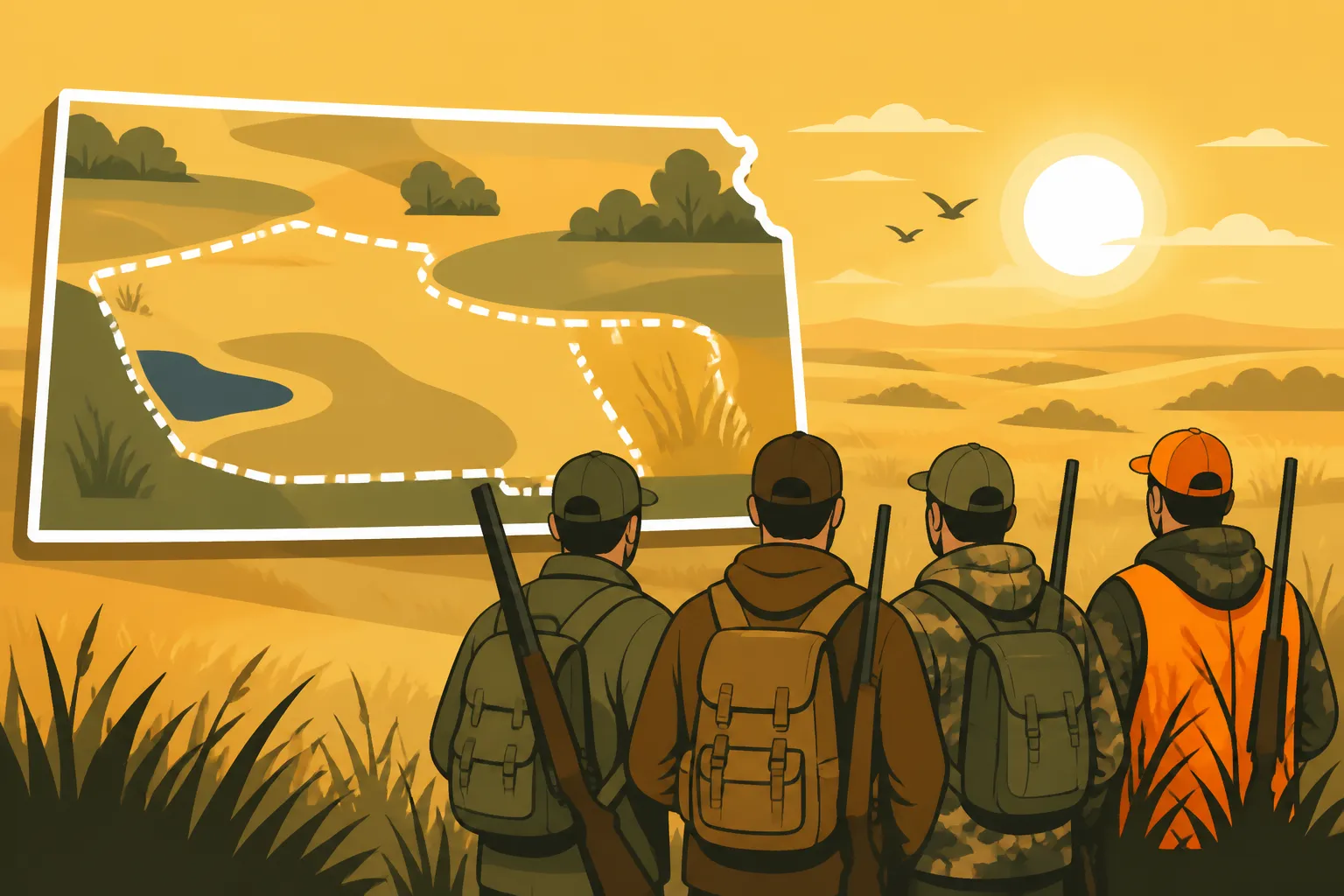
One of the most common headaches when looking to lease hunting ground in Kansas, especially for deer, is figuring out just how many other hunters you'll be sharing that precious acreage with. It’s a huge consideration, because too many boots on the ground can quickly turn a dream hunt into a crowded nightmare, scattering deer and leaving you wondering if you'd have had better luck on public land. This guide will walk you through the nuances of hunter density on Kansas leases, helping you understand the factors involved and how to find an agreement that sets you up for success.
Understanding the Lease Landscape: What's Typical for Hunter Numbers?
There’s no hard and fast rule for how many hunters should share a Kansas lease, and that's precisely where the frustration often begins. You might envision a tranquil slice of heaven, only to discover it's a revolving door for half a dozen other hunters. The reality is, the number of hunters on a lease is a fluid concept, shaped by various factors from the size of the property to the expectations of the landowner and, of course, the financial arrangements.
The Spectrum of Kansas Leases
Kansas offers a wide spectrum of hunting leases, each with its own quirks and customs regarding hunter numbers. On one end, you have the small, private agreements directly with a farmer or landowner, perhaps a modest 80 to 160-acre parcel. These often involve just a couple of close friends or family members sharing the ground. The landowner might only want a minimal amount of pressure on their deer herd, or they might just be looking for a bit of extra income without too much hassle.
On the other end of the spectrum are larger, multi-thousand-acre tracts, sometimes managed by professional outfitters or lease brokers. These operations can be complex, involving multiple groups of hunters cycling through over different seasons or even simultaneously across distinct sections of the property. For a non-resident hunter, these might seem like a simpler option for finding ground, but it becomes crucial to understand their specific hunter density policies before signing on.
Owner Expectations vs. Hunter Desires
At the heart of any lease agreement are two distinct sets of expectations: those of the landowner and those of the hunter. Landowners often have specific goals for their property—whether it’s managing the local deer population, minimizing disturbance to their crops, or simply generating a certain level of income from the lease. They might have a number in mind that they feel comfortable with, or they might be open to negotiation. It's often about striking a balance between adequate financial return and responsible land stewardship.
Hunters, on the other hand, typically desire adequate space to pursue their quarry without constantly bumping into other hunters or dealing with deer that have been overly pressured. We all dream of that feeling of having a piece of land to ourselves, or at least sharing it with a very limited, like-minded group. When these two sets of expectations don't align, it can lead to miscommunication and a less-than-ideal hunting experience. This is why transparent discussions about hunter numbers are absolutely paramount before any money changes hands.
Factors That Determine Hunter Density
Several interconnected factors play a significant role in dictating how many hunters can realistically or comfortably share a given Kansas hunting lease. Understanding these elements can help you evaluate a potential lease and ensure it aligns with your hunting style and expectations for the season.
Acreage and Habitat Quality
It might seem obvious that larger properties can accommodate more hunters, but it's not simply about the raw number of acres. The quality and configuration of the habitat are equally, if not more, important. A sprawling 500-acre tract that's 90% open crop fields with a single, thin creek bottom running through it will feel much smaller and support fewer active hunting locations than a 300-acre parcel with diverse habitat—think dense cedar thickets, winding creek draws, and varied crop rotations.
Deer will naturally gravitate to the best cover, food, and water sources. If these resources are concentrated, so too will be the deer. This can be great for locating animals, but it also means that too many hunters vying for those same prime spots can quickly create pressure. Consider how a property's features, like CRP Grass and Where Bucks Bed or River Oxbows and Deer Movement, dictate where deer spend their time. If these areas are limited, the number of effective stand locations for multiple hunters also diminishes, increasing the likelihood of encountering other hunters or pushing deer off the property.
Management Goals and Lease Type
The overarching management goals for a property also significantly influence hunter density. Is the landowner or outfitter managing the property for trophy whitetails? If so, you can expect fewer hunters, stricter harvest guidelines (often with age or antler restrictions), and perhaps higher lease fees to offset the reduced hunter numbers. The philosophy here is to minimize pressure and allow bucks to reach older age classes.
Conversely, some leases might be geared more towards general deer harvest, perhaps with a focus on antlerless deer to manage herd numbers. These types of leases might tolerate a slightly higher hunter density, especially during specific seasons like the Kansas Antlerless Hunts and Filling the Freezer. A lease focused on high-volume opportunity, rather than strictly trophy management, can sustain more hunters if the habitat is abundant enough to absorb the pressure. It's crucial to clarify these management goals before committing, as they directly impact your potential success and the overall hunting experience.
Financial Considerations
Let's be real, money often talks the loudest when it comes to hunting leases. The cost of a lease, particularly for prime ground in Kansas, can be substantial. This financial reality often dictates how many people need to chip in to make the lease affordable. If a landowner is asking for a significant sum for a parcel, it often necessitates more partners to split the bill, which, in turn, can lead to a higher hunter-to-acre ratio.
Hunters often face a tough decision: pay more individually for more exclusive access with fewer hunters, or split a more affordable lease with a larger group, potentially sacrificing some solitude and increasing competition. This is where understanding What Kansas Lease Ground Costs Per Acre becomes vital for budgeting and forming your hunting party. Sometimes, a slightly higher individual cost can lead to a much better hunting experience if it means significantly less pressure on the deer herd.
The Impact of Hunter Density on Your Kansas Hunt
The number of hunters on your lease isn't just a number; it profoundly impacts the quality of your hunt, from how deer behave to your overall enjoyment and even safety. Ignoring these potential consequences can lead to disappointment and wasted time and money.
Pressure and Deer Movement
This is perhaps the biggest concern for any hunter. Too many hunters on too few acres inevitably leads to increased hunting pressure. Deer are intelligent and adaptable creatures, and consistent human intrusion teaches them to become nocturnal or move to adjacent properties where they feel safer. You'll find yourself hunting ghosts, seeing very little daylight movement, and wondering where all the deer went. This is especially frustrating when you're trying to target mature bucks, which are already masters of evasion.
High pressure can drastically alter a buck's Whitetail Home Range Size in Farm Country, forcing them to seek refuge in the densest, nastiest cover during daylight hours. What once seemed like a solid plan based on sign could quickly unravel if multiple hunters are pounding the same small timber block. We've all seen how quickly Hunting Pressure Patterns on Kansas Public Land can turn deer nocturnal, and the same principle applies, perhaps even more acutely, on smaller private leases.
Safety and Enjoyment
Beyond the impact on deer behavior, hunter density has direct implications for safety and the overall enjoyment of your time afield. More hunters in close proximity, especially during firearm season, can increase the risk of accidents. While every hunter should always practice extreme caution and identify their target and what's beyond it, less elbow room naturally reduces safety margins. It's a sobering thought, but one that must be considered.
Furthermore, many of us hunt for the solitude, the peace, and the connection with nature. Constantly seeing other hunters, hearing their ATVs, or finding their stand locations too close to your own can completely erode that sense of wilderness and personal connection. What should be a relaxing escape can become a source of stress and frustration, turning an enjoyable pastime into a competitive chore.
Lease Agreements and Communication
To mitigate these issues, a clear, written lease agreement is your best friend. This document should explicitly state the maximum number of hunters allowed, any restrictions on guest hunters, and potentially even guidelines for stand placement or designated hunting zones. Don't rely on verbal agreements; get everything in writing. A solid contract protects both you and the landowner and helps prevent misunderstandings.
When researching potential leases, don't hesitate to leverage available resources. Platforms like BookYourHunt or GoHunt can be excellent starting points for finding outfitters and landowners who offer leases. While these platforms facilitate connections, it's up to you to engage directly and ask the critical questions about hunter density and property management. Think of them as a directory that helps you find the right conversation partners, enabling you to compare different lease offerings and their typical hunter densities, ultimately ensuring you make an informed decision that meets your expectations for a quality hunt.
Strategies for Finding a Lease with the Right Hunter-to-Acre Ratio
Navigating the Kansas lease market to find that perfect balance of acreage, quality habitat, and appropriate hunter density can feel like searching for a needle in a haystack. But with a strategic approach, you can significantly improve your odds of securing a lease that offers the experience you're truly seeking.
Asking the Right Questions Upfront
When you first connect with a landowner or outfitter about a potential lease, your initial conversations are absolutely critical. Don't be shy or hesitant to ask direct questions about hunter numbers. It's not rude; it's responsible due diligence. Start with these key inquiries:
- "What is the maximum number of hunters permitted on this specific lease property at any one time?" This is the fundamental question.
- "Are there any other individuals or groups that will also have hunting access to this property, such as family members, friends of the landowner, or other lease groups?" Sometimes, the "leased" number doesn't account for other users.
- "Are there specific guidelines or designated zones for stand placement, or is it a free-for-all?" Understanding how hunting pressure might be distributed (or not) is crucial.
- "What are your expectations regarding the number of days hunters will be on the property?" Some landowners might have preferences for how often the property is hunted.
Being clear and direct from the outset will save you a lot of potential headaches and heartache down the road. If the answers don't align with your comfort level, it's better to know early so you can continue your search.
Doing Your Due Diligence
Beyond direct questioning, a little investigative work on your part can provide invaluable insights into a potential lease. Don't just take a property description at face value. Modern tools and techniques make scouting from your couch incredibly effective. Utilize mapping applications and satellite imagery to E-Scouting Kansas Farm Country From Home. Look for key features like Cedar Thickets as Bedding Cover, natural funnels, pinch points, and water sources. By Reading Aerial Imagery for Bedding Cover and travel corridors, you can estimate how many potential stand locations exist and how well they are spaced out.
If permitted by the landowner, a physical drive-by or even a walk-through of the property can give you a much better feel for the terrain, access points, and the surrounding properties. This helps you gauge potential pressure from neighbors. If an outfitter is involved, always ask for references from previous clients. Platforms like BookYourHunt often feature reviews, but a direct conversation with someone who has hunted that specific ground can reveal important details about hunter density and the overall experience. Similarly, GoHunt might offer community forums or scouting tools that help paint a picture of general hunting pressure in a given Kansas unit, which can inform your lease decision.
Negotiating Your Lease Terms
Sometimes, there's a little wiggle room when it comes to lease agreements. If you find a property you love but the proposed hunter count is slightly higher than ideal, consider negotiating. For example, if you're a group of two, but the landowner usually leases to three, you might offer a slightly higher per-person fee to secure the exclusive access for just your party. This could be a win-win: the landowner still gets their desired income, and you get less pressure.
It's also worth discussing a trial year. Agree to a specific hunter count for the first season, with an option to renew based on your experience. This gives both parties flexibility. Remember, a comprehensive Lease Agreements and Liability document is your protection. Ensure that any agreed-upon hunter limits, guest policies, and specific hunting zones are clearly outlined in writing. A well-crafted agreement fosters a more harmonious and productive hunting experience for everyone involved.
| Lease Type / Scenario | Typical Acreage Range | Common Hunter Count | Key Considerations |
|---|---|---|---|
| Small Private Lease (Direct) | 80-320 acres | 1-3 hunters | Often informal, owner may hunt too; less pressure. |
| Larger Private Lease (Direct) | 300-1000+ acres | 2-5 hunters | More ground to spread out, but habitat still dictates. |
| Outfitter Lease (Managed) | 500-5000+ acres | 3-10+ hunters | Varies by outfitter model; check specific zones/dates. |
| Trophy Managed Lease | Varies widely | 1-2 hunters (per section) | Focus on low impact, strict rules, higher cost per hunter. |
| General Deer Harvest Lease | Varies widely | 2-4 hunters (per section) | More focus on opportunity, may have more hunters. |
Disclaimer
This article is for general informational purposes only and does not constitute professional advice. Laws, prices and regulations vary by location and change over time. Consult a qualified professional for guidance on your specific situation.