Lodging and Meals in a Kansas Hunt
One of the biggest anxieties when planning a hunting trip, especially to a state you haven't visited before like Kansas, often revolves around the practicalities of where you'll lay your head at night and what you'll be eating. It’s not just about the hunt itself; it’s about the comfort and sustenance that fuel those early mornings and late nights in the field. This guide aims to demystify the lodging and meal aspects of a Kansas hunt, whether you're going fully guided, semi-guided, or tackling a DIY adventure.
Understanding Typical Lodging Options for Kansas Hunts
When you start dreaming about your Kansas hunt, visions of massive whitetails often fill your head, but behind that is the very real question of where you're going to sleep. Your lodging options can vary wildly depending on your budget, whether you're booking with an outfitter, or if you're venturing out on your own. It’s important to know what's available so you can set your expectations and plan accordingly.
Outfitter-Provided Lodges and Cabins
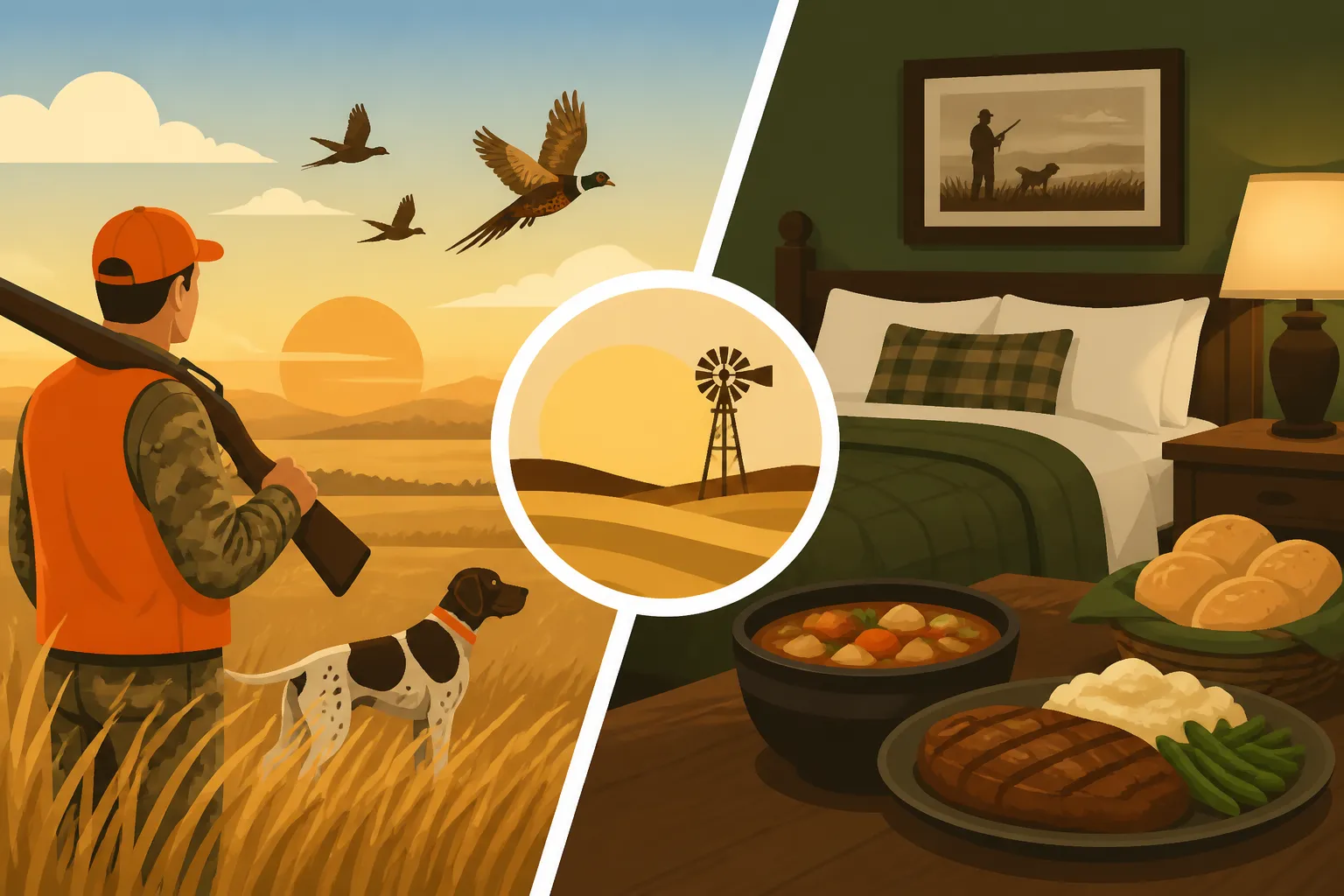
Many Kansas outfitters, especially those specializing in whitetail deer, offer lodging as part of their package. This can range from a rustic bunkhouse to a sprawling lodge with all the amenities. The experience here is often communal, with hunters sharing stories around a fireplace, reliving the day's events, and strategizing for the next morning. It’s a huge part of the "camp" experience that many hunters cherish. You might find a modern lodge with private rooms and bathrooms, satellite TV, and Wi-Fi, or you might be in a cozy, more remote cabin where the closest signal is miles away. The type of lodge often reflects the outfitter's overall operation and the price point of the hunt. It's a good idea to check out the "lodging" section on an outfitter's website or their profile on platforms like BookYourHunt to see photos and descriptions.
The biggest benefit of outfitter lodging is the convenience. You arrive, unpack, and are ready to hunt. There’s no worry about finding a place or figuring out logistics after a long drive. Often, these lodges are strategically located close to the hunting grounds, minimizing travel time in the dark before dawn. However, this convenience comes with a trade-off: you usually don't have a choice in your specific sleeping arrangements (unless you book a private room at a higher cost), and you'll be sharing space with other hunters, which can be great for camaraderie but not always ideal if you prefer solitude.
Local Motels, Hotels, and Short-Term Rentals
For those undertaking a DIY hunt, or perhaps a semi-guided trip where lodging isn't included, local motels and hotels are often the go-to. Kansas has many small towns dotted across its landscape, and most have at least one or two budget-friendly motel options. These might not be five-star resorts, but they offer a clean bed, a shower, and often a continental breakfast, which is exactly what you need after a grueling day of chasing pheasants or sitting in a treestand. While they lack the hunting camp atmosphere, they provide privacy and often more flexibility in terms of check-in/out times.
Another increasingly popular option is renting a cabin, house, or apartment through short-term rental services. This can be fantastic for a group of hunters who want their own space, a full kitchen for cooking their own meals, and a place to hang out that feels more like home. You can find everything from renovated farmhouses in rural settings to modern homes in larger towns. The key here is to book well in advance, especially for popular hunting seasons like the November whitetail rut, as good rentals can fill up quickly. Remember to consider proximity to your hunting areas when choosing a rental. There’s nothing worse than adding an hour commute to each end of an already long hunting day. You can often find listings by searching for Motels in Kansas Hunting Towns or similar queries.
Camping and RVs for the Adventurous Hunter
For the true minimalist or budget-conscious hunter, camping or bringing an RV offers the ultimate flexibility. Kansas offers numerous state parks, wildlife areas, and even some public lands like the Cimarron National Grassland where camping is permitted. This option puts you closest to nature, literally sleeping under the stars (or a canvas roof). It requires more gear and planning – think tents, sleeping bags, cooking equipment, and portable power – but it significantly cuts down on accommodation costs.
If you have an RV, you can often find spots at private campgrounds, state parks, or even some wildlife areas. Many reservoirs and Corps of Engineers lands also have RV hookups or primitive camping sites. This provides a level of comfort beyond tent camping while still being immersed in the outdoors. Just be sure to check regulations for each specific area, as rules can vary greatly regarding open seasons for camping, permit requirements, and amenities available. This is especially true for Kansas Walk-In Hunting Access Explained (WIHA) lands, where camping is typically not allowed directly on the tracts themselves, but nearby public grounds might permit it.
Meal Planning and Provisions on a Kansas Hunt
Just like lodging, your meal situation on a Kansas hunt depends heavily on whether you're guided or DIY. Good food can make or break a trip, providing the energy needed for those long days afield and the comfort after a cold sit.
Outfitter-Provided Meals
For many guided hunts, meals are a highlight. Outfitters often pride themselves on providing hearty, home-cooked fare that fuels hunters for their days in the field. This typically includes a robust breakfast before the morning hunt (think eggs, bacon, sausage, pancakes), a packed lunch or field snacks to take with you (sandwiches, granola bars, fruit), and a substantial dinner at the end of the day (steaks, roasts, chili, casseroles). The communal dining experience can be as much a part of the hunt as the actual time in the stand.
It's crucial to communicate any dietary restrictions or allergies well in advance with your outfitter. Most are accommodating if they know beforehand, but showing up with unexpected needs can put them in a bind. While the food is generally good, don't expect gourmet dining; it's usually practical, filling, and delicious home-style cooking designed to keep you going. Ask prospective outfitters what their typical menu looks like or if they have a dedicated cook. This level of detail can sometimes be found on platforms like BookYourHunt when researching outfitters.
Self-Catering for DIY Hunts
If you're going the DIY route or staying in a rental with a kitchen, self-catering is your path. This gives you complete control over your meals but requires significant planning and effort. Many DIY hunters opt for simple, easy-to-prepare meals that can be cooked quickly after a long day or prepared ahead of time. Think chili, stews, pasta dishes, or pre-marinated meats for grilling. Bringing a good cooler (or two) is non-negotiable, especially in early season Kansas when temperatures can still be warm. Getting a Deer Cooled in September is a prime example of needing good cooler discipline.
Grocery stores are available in most Kansas towns, but don't expect a superstore in every tiny hamlet. Plan your major grocery runs in larger towns you might pass through on your way to your hunting destination. Non-perishable snacks, instant coffee, and protein bars are essentials for any hunter. Portable cooking equipment like a propane stove or a cast-iron skillet can be invaluable if you're tent camping. The beauty of self-catering is you eat exactly what you want, when you want it, and it can be a significant cost-saver compared to eating out for every meal.
Restaurant Options and Local Fare
While most hunting trips involve some level of self-sufficiency or outfitter-provided food, local restaurants can be a nice change of pace. If you're staying in a motel or short-term rental, grabbing a meal at a local diner or cafe can offer a taste of local Kansas culture and give you a break from cooking. Many small towns pride themselves on their home-style cooking, often featuring hearty breakfast platters or classic American comfort food.
Be mindful of restaurant hours in smaller towns; they often close earlier than you might be used to, especially on weekdays. During peak hunting season, some establishments might even cater to hunters with early morning openings or special game-day menus. It's a good idea to scout out a few options beforehand or ask locals for recommendations. Just remember that relying solely on restaurants can quickly add up in cost and might not always be practical given the remote locations of some hunting grounds.
What to Expect from Outfitters Regarding Lodging and Meals
When booking with an outfitter, understanding exactly what's included in your package regarding lodging and meals is paramount. Disappointment often stems from unmet expectations, so clear communication is key.
All-Inclusive vs. Partial Packages
The term "all-inclusive" can be a bit nebulous. For many Kansas outfitters, it genuinely means your lodging, meals, and guiding services are covered. You show up, hunt, eat, and sleep without much extra thought about logistics. However, some outfitters might offer "semi-guided" or "self-guided lease" options where lodging is extra, or only certain meals are provided. This is where researching Kansas Semi-Guided and Self-Guided Hunts comes into play. You might get a lunch provided in the field, but be responsible for your own breakfast and dinner, or you might have access to a communal kitchen but have to buy and cook all your own food.
Always clarify what your specific package includes. A helpful table can illustrate the general differences:
| Feature | Fully Guided Package (Typical) | Semi-Guided Package (Typical) | Self-Guided Lease (Typical) |
|---|---|---|---|
| Lodging | Included, often shared lodge | Varies; sometimes included, sometimes local hotel suggested | Not included; responsible for own arrangements |
| Meals | All meals provided (breakfast, lunch, dinner) | Varies; sometimes field lunch, other meals self-catered | Not included; entirely self-catered |
| Guiding | Dedicated guide, transport to stands | Advice, maps, pre-scouted areas, less direct guidance | Minimal to no guidance, just property access |
| Stand Access | Outfitter-provided stands | Access to outfitter's stands or hang your own | Bring and hang your own stands |
| Price Point | Highest | Medium | Lowest |
When you're comparing options on a site like GoHunt or BookYourHunt, pay close attention to the "Inclusions" section of each outfitter's offering. Don't hesitate to contact the outfitter directly if any details are unclear.
Checking Contracts and Communication
Before you commit to anything, thoroughly review your outfitter contract. This document should explicitly detail what is covered regarding lodging, meals, and any other services. It should state whether lodging is private or shared, what types of meals are provided, and if there are any additional costs for things like snacks, non-alcoholic beverages, or specific dietary requests. Outfitter Contracts and Deposits in Kansas often lay out these specifics in black and white, so read them carefully.
Communication with your outfitter is your best tool. If you have specific dietary needs (e.g., vegetarian, gluten-free, allergies), mobility issues that might affect your sleeping arrangements, or simply prefer a bit more privacy, bring these up before you book. A reputable outfitter will be transparent about what they can and cannot accommodate. For instance, if you require a lower bunk due to a bad knee, knowing this ahead of time allows them to plan. It’s also good practice to ask Questions to Ask a Kansas Outfitter about their facilities and typical camp atmosphere.
DIY vs. Guided Hunts: The Lodging and Meal Difference
The choice between a do-it-yourself (DIY) hunt and a guided experience significantly impacts your lodging and meal logistics. Each approach has its own set of advantages and challenges.
Cost Implications
One of the most immediate differences is cost. A fully guided hunt in Kansas, while offering a comprehensive experience, naturally comes with a higher price tag because it bundles in the guide's expertise, access to private land, transportation, and, crucially, lodging and meals. When you book a guided hunt, the "cost of a guided Kansas deer hunt" essentially includes your bed and board.
With a DIY hunt, you're responsible for every expense individually. You'll pay for your hunting license and tags, travel, fuel, groceries, and whatever lodging you choose – whether it's a motel room, a short-term rental, or camping fees. While the individual components might seem cheaper, the cumulative cost can still be substantial, and it requires more time and effort to manage your budget across various categories. However, many hunters find the perceived savings and the freedom of a DIY hunt worth the extra logistical effort. You can also explore Kansas Semi-Guided Hunt Costs as a middle-ground option.
Convenience Versus Control
Guided hunts offer unparalleled convenience. From the moment you arrive, often someone is there to greet you, take your bags, and show you to your lodging. Meals are prepared and served on a schedule, sometimes packed for you to take into the field. Your focus can remain almost entirely on the hunt itself, minimizing distractions and logistical headaches. This is particularly appealing for hunters who have limited vacation time or are traveling a long distance to Kansas. The outfitter handles everything from Getting to Kansas Hunting Country to ensuring you have a warm meal waiting.
A DIY hunt, on the other hand, gives you maximum control. You decide where to stay, what to eat, and when. You can choose a cheap motel, splurge on a fancy rental, or rough it in a tent. You can cook gourmet meals every night or live off instant noodles. This autonomy can be incredibly rewarding for experienced hunters who enjoy the challenge of planning and executing every detail themselves. It requires more personal responsibility and effort, but the feeling of accomplishment when you tag out on a self-planned hunt is second to none. Using resources like GoHunt can help you plan your DIY adventure, from researching public land opportunities to mapping out potential lodging spots.
Gear and Packing Considerations
Your choice also affects what you need to pack. For a guided hunt, your packing list is usually focused on hunting gear, clothing suitable for Kansas weather, and personal toiletries. You typically don't need to worry about cooking supplies, sleeping bags (unless specified for a rustic cabin), or basic amenities.
A DIY hunt, especially if you're camping or staying in a basic rental, means a much more extensive packing list. You'll need food, cooking utensils, coolers, potentially a portable grill or stove, camping gear, and possibly even bedding if your rental doesn't provide it. You might also consider items like a Deer Carts on Walk-In Ground or other recovery tools, as there won't be a guide to assist you. This extra gear adds to your luggage and requires more thought about how to transport everything to and from Kansas. Planning ahead by using tools for E-Scouting Kansas Farm Country From Home can give you a better idea of the amenities available in the area and what you'll need to bring.
Ultimately, whether you choose a guided or DIY hunt, understanding the lodging and meal aspects well in advance will contribute significantly to a successful and enjoyable Kansas hunting experience. Don't be shy about asking questions and doing your homework!
Disclaimer
This article is for general informational purposes only and does not constitute professional advice. Laws, prices and regulations vary by location and change over time. Consult a qualified professional for guidance on your specific situation.