Opportunity Rate Versus Kill Rate
One of the most common anxieties when planning a guided hunt, especially for big game in a prime location like Kansas, is trying to figure out if you're getting your money's worth. You pour over outfitter websites, looking for those elusive "success rates," only to wonder what those numbers really mean. This guide is here to cut through the jargon and explain the critical difference between an outfitter's reported "opportunity rate" and their "kill rate" (often called "success rate"), helping you make a truly informed decision for your next Kansas hunting adventure.
Understanding the Metrics: What Do "Opportunity Rate" and "Kill Rate" Actually Mean?
When you’re looking at outfitter websites or chatting with potential guides, these two terms — opportunity rate and kill rate — get thrown around a lot. While they sound similar, they tell very different stories about what you can expect from your hunt. It’s absolutely essential to understand the distinction before you commit your hard-earned money and precious vacation time.
Defining Opportunity Rate in Kansas Hunting
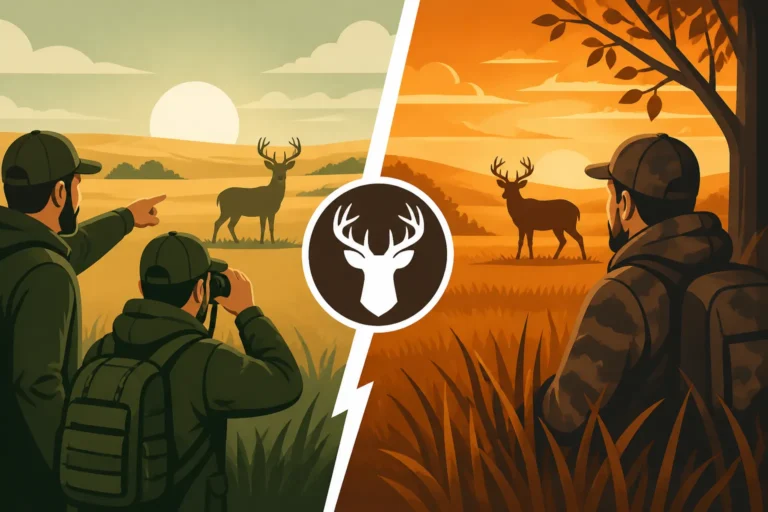
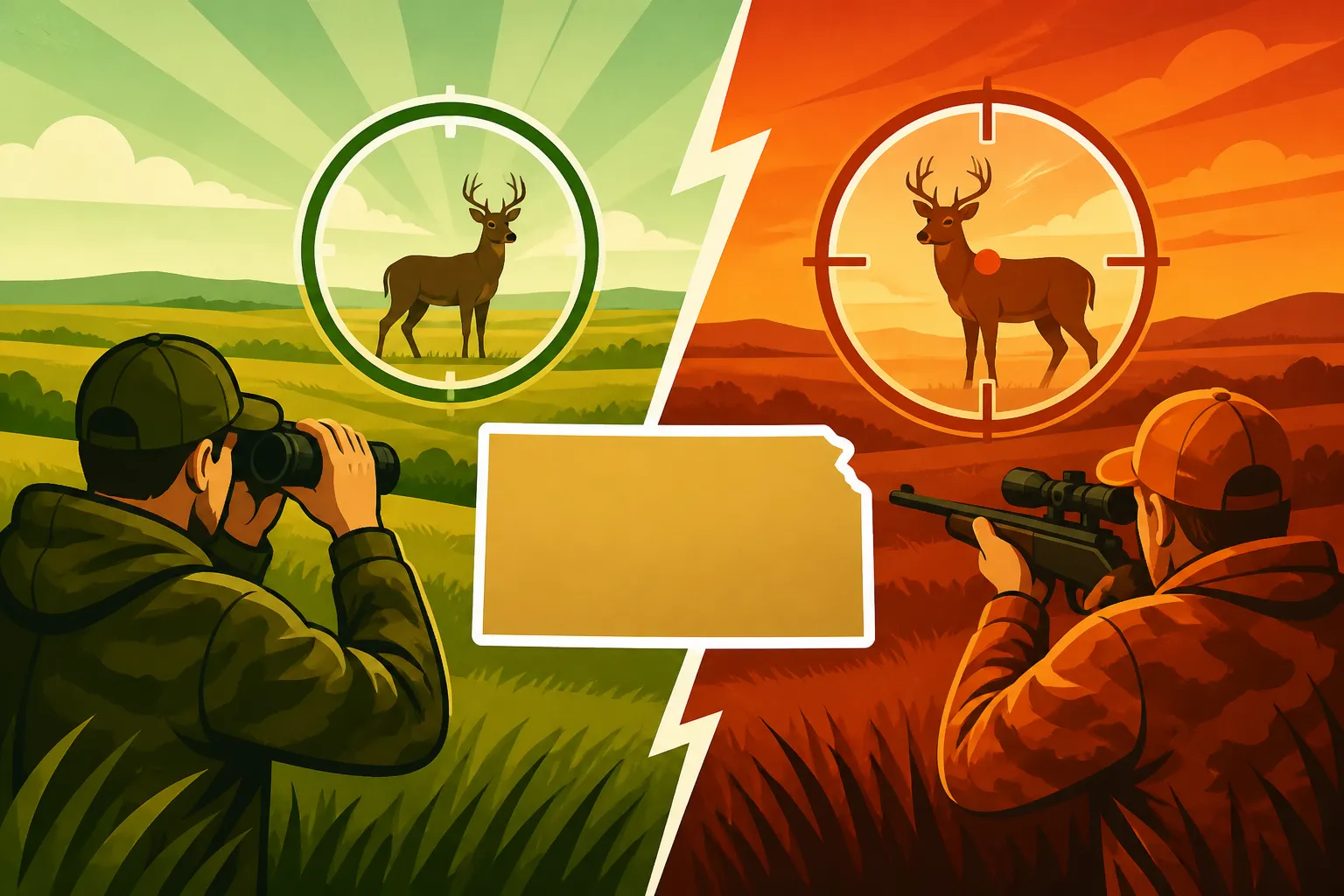
An "opportunity rate" is, in many ways, the more honest and telling statistic about an outfitter's ability to put you on game. It generally refers to the percentage of hunters who had a legitimate, ethical shot opportunity at a target animal that met the outfitter's stated minimums (if any) or the hunter's personal goals. This means the animal was within reasonable shooting range, the hunter had a clear shot lane, and the animal was legal to harvest.
Consider a scenario: you're sitting in a treestand on a crisp November morning in central Kansas, and a mature 140-inch whitetail buck walks within 30 yards. You have a clear lane, a steady rest, and ample time to take the shot. Even if you miss, that counts as an "opportunity." Conversely, if a buck breezes by at 70 yards and you're bowhunting, or if it's a small spike when you're specifically hunting a trophy, most ethical outfitters wouldn't count that as a qualified opportunity. The beauty of this metric is that it focuses on the outfitter's performance in getting you into a position to succeed, rather than your personal shooting prowess or luck on a particular day. It speaks volumes about their scouting, their understanding of deer movement, and their ability to manage hunting pressure on their ground.
Deciphering the Kill Rate (or Success Rate)
The "kill rate," often simply labeled "success rate" or "harvest rate," is much more straightforward: it's the percentage of hunters who actually harvested an animal. If an outfitter states a 70% kill rate, it means 7 out of every 10 hunters physically put an animal on the ground. This number is often what hunters initially gravitate towards because it seems like the ultimate indicator of a successful hunt. After all, isn't the goal to fill a tag?
However, the kill rate can be heavily influenced by factors completely outside the outfitter's control. A hunter might be a fantastic shot and drop the first mature buck they see, contributing to a high kill rate. Another hunter might suffer from "buck fever" and miss an easy 20-yard shot, or they might simply have a string of bad luck with weather or deer movement that week. These individual hunter experiences directly impact the kill rate, even if the outfitter consistently put them in prime positions. It’s the final outcome, not the potential for that outcome, that is reflected in this number. When you see a 100% kill rate, it might sound incredible, but it's important to ask what species and what caliber of animal that applies to. Did every hunter shoot the first deer they saw, or were they holding out for a true trophy?
Why These Numbers Can Be Misleading (and Why They Still Matter)
Understanding the definitions is just the first step. The real trick is knowing how to interpret these numbers in context. Just looking at the percentages can paint a skewed picture, and without asking the right follow-up questions, you might end up booking a hunt that doesn't align with your expectations.
The Pitfalls of Relying Solely on Kill Rates
While a high kill rate certainly sounds attractive, it can be quite misleading if it's the only factor you consider. For instance, an outfitter could have a 100% kill rate by encouraging clients to shoot the very first legal deer that walks by, regardless of size or age class. If your dream is to hold out for a Kansas giant, a 100% kill rate on yearling bucks or does won't get you there. It's also important to consider the difficulty of the hunt. Are they hunting over bait in an enclosed preserve? That’s a very different scenario from spot-and-stalk hunting wild elk or grinding it out in a whitetail stand in rough country. You need to verify if the kill rate reflects the kind of hunting experience and trophy quality you're seeking.
Furthermore, a hunter's individual skill level dramatically affects this metric. A novice hunter might miss several clear opportunities at good deer, bringing down the outfitter's kill rate, even if the guide did an excellent job of putting them on game. Conversely, an expert marksman might capitalize on a single, tough opportunity, artificially inflating the perception of how many chances were actually presented. This is why you should always try to delve deeper than just the raw percentage, especially if you're looking at Reading Kansas Outfitter Success Rates for multiple operations. A low kill rate doesn't necessarily mean a bad outfitter; it might just mean they cater to hunters who are more selective or less experienced, or it could mean they have phenomenal hunting but clients simply don't close the deal.
The True Value of Opportunity Rates
This is where the opportunity rate shines. A high opportunity rate – say, 80% to 100% – for mature animals truly reflects the outfitter's mastery of their craft and the quality of their hunting grounds. It tells you that they are consistently putting hunters in positions to harvest the type of game they came for. This is arguably the most crucial thing an outfitter can control. They can't make you shoot straight, but they can control where you sit, what animals are present, and the likelihood of an encounter.
An outfitter with a 90% opportunity rate, even if their kill rate is only 60%, is likely doing an excellent job. They're managing their habitat, scouting effectively, and placing their hunters strategically. You, as the hunter, are then responsible for making the shot. In a high-opportunity scenario, if you miss, you might get another chance later in the hunt. This metric indicates a healthy game population, smart land management, and effective guiding. It suggests that the outfitter understands Kansas Whitetail Deer and Why They Grow Big and how to effectively hunt them on their specific properties. It suggests a focus on the process of hunting, which is often what most hunters are truly paying for.
Asking the Right Questions: Beyond the Raw Percentages
When you're evaluating a Kansas outfitter, simply asking "What's your success rate?" isn't enough. You need to dig deeper, peel back the layers, and understand the context behind those numbers. This proactive approach will help you gauge whether an outfitter's claims align with your personal hunting style and expectations. Websites like BookYourHunt or GoHunt can provide initial data, but the real insights come from direct conversations.
Delving Deeper into How Rates Are Calculated
Never be afraid to ask an outfitter how they define and calculate their rates. This is paramount! What constitutes an "opportunity" to them? Is it any legal deer, or only those that meet a certain antler score or age class? For example, some outfitters might count an opportunity at a 120-inch buck, while others only count 140-inch or better. Ask if all hunters are included in their statistics, or just those who hunted specific weeks or conditions. If you're a bowhunter, ask if the rates apply to Kansas Archery Deer Season Dates specifically, as those opportunities can be harder to come by than during firearm season. You might also inquire about their policy on missed shots or wounded game – how do those situations affect their reported rates?
For a clearer picture, consider asking for references from past clients, particularly those who hunted during the same time of year or with the same weapon you plan to use. Questions to ask can be found in our detailed guide on Questions to Ask a Kansas Outfitter. This will give you a firsthand account of their experiences, not just the numbers.
Balancing Expectations and Personal Skill
It’s crucial to be honest with yourself about your own hunting abilities. If you’re a newer hunter or someone who hasn’t been in a hunting situation in a while, a high opportunity rate might be more valuable than a high kill rate. Why? Because it means you'll likely have multiple chances to learn, adjust, and potentially seal the deal. A seasoned hunter with excellent shooting skills might put more weight on the opportunity rate as well, knowing that if they get a chance, they'll convert it.
Don't let vanity get in the way of a realistic assessment. If you know you struggle with buck fever, or your shooting isn't consistently razor-sharp, communicating this to an outfitter can even help them manage your hunt more effectively. They might place you in a stand with shorter shooting lanes or suggest a different setup. Remember, the outfitter’s job is to provide the opportunity; your job is to capitalize on it. A high opportunity rate provides a buffer for less-than-perfect scenarios or a moment of nerves.
Considering Hunt Style and Species Specifics
The meaning of "opportunity" and "kill" can vary significantly depending on the species and the hunting style. For instance, a "successful" Kansas spring turkey hunt (referencing Kansas Turkey Hunting Tactics for Spring Gobblers) might mean calling a gobbler into range, even if it hangs up at 70 yards and never offers a shot. For a deer hunt, an opportunity is often a clear shot within your weapon's effective range.
Consider whether the outfitter specializes in specific weapons or seasons. Is their high kill rate primarily from rifle hunters during the Kansas Firearm Deer Season in December, or do they maintain strong numbers for bowhunters in September? Similarly, hunting a unique species like Mule Deer in Western Kansas might have different metrics than hunting whitetails in the eastern part of the state. Make sure the rates provided are relevant to your specific hunting plan.
Making an Informed Decision for Your Kansas Hunt
Ultimately, choosing a Kansas outfitter is a personal decision, but it's one that can be greatly enhanced by understanding these core metrics. It's about aligning the outfitter's performance data with your own aspirations for the hunt.
Prioritizing Your Personal Hunting Goals
Before you even start looking at numbers, sit down and clarify what success truly means to you. Are you chasing a Boone & Crockett contender and willing to eat your tag if you don't get a shot at one? Or is filling the freezer and enjoying the camaraderie of camp your main priority? If it’s the former, you might prioritize an outfitter with a proven track record of producing mature animals, even if their overall kill rate seems lower due to hunters passing up smaller deer. If it's the latter, a higher kill rate on any legal deer might be perfectly acceptable.
Kansas is known for its incredible whitetail genetics and agricultural abundance, often allowing for trophy-class animals, as discussed in Why Kansas Grows Trophy Whitetails. This means many hunters coming to Kansas are indeed seeking that bigger buck. Your goals directly influence which metric, and what numbers, you should give the most weight.
Using Data Wisely to Choose an Outfitter
The best approach is to combine all the information available. Start by reviewing outfitter details on platforms like BookYourHunt or GoHunt, looking for consistency in their reported rates. Then, dive into their website, social media, and client testimonials. Pay close attention to the size and quality of animals in their photos – do they match your expectations? Finally, and most importantly, pick up the phone. A direct conversation with the outfitter will allow you to ask specific questions about their opportunity and kill rates, how they define them, and what factors influence them. This conversation is also your chance to get a feel for their personality and whether they're a good fit for your hunting style.
A reputable outfitter will be transparent and eager to explain their numbers. They'll understand that a well-informed client is a happy client. Consider what a Kansas Deer Permit costs, as outlined in Kansas Deer Permits and the Nonresident Draw, and factor that into your investment. You're paying for more than just a shot opportunity; you're paying for an experience.
| Metric | Definition | What it Reflects for Outfitter | What it Reflects for Hunter | Pros for Evaluation | Cons for Evaluation |
|---|---|---|---|---|---|
| Opportunity Rate | % of hunters who got a reasonable, ethical shot at a target animal. | Quality of scouting, game management, stand placement. | Potential for success regardless of personal skill. | Best indicator of outfitter's ability to put you on game. | Doesn't guarantee a harvest; relies on hunter's shot. |
| Kill Rate | % of hunters who actually harvested an animal. | Final outcome of the hunt. | Actual number of animals harvested. | Shows actual harvest success; tangible results. | Heavily influenced by hunter skill, luck, and outfitter ethics on size. |
Understanding the "Kansas Factor"
Kansas is a highly sought-after hunting destination for a reason. Its unique blend of agricultural land, timbered creek bottoms, and robust genetics contributes to the state’s reputation for producing impressive whitetail deer. This "Kansas factor" means that many reputable outfitters here naturally have higher opportunity rates than in less productive regions. The sheer density of deer, and the presence of mature animals, often means more encounters.
However, even in Kansas, public land hunting, like that found on some Kansas State Wildlife Areas, might yield different rates than hunting on meticulously managed private ground. Hunting during the peak of the rut, often in early to mid-November, can also dramatically increase both opportunity and kill rates. When considering a hunt in Kansas, use the state's reputation as a baseline, but still scrutinize the outfitter's specific numbers, as local conditions and management practices can vary widely, even within units.
Disclaimer
This article is for general informational purposes only and does not constitute professional advice. Laws, prices and regulations vary by location and change over time. Consult a qualified professional for guidance on your specific situation.