Flying With a Rifle to Kansas
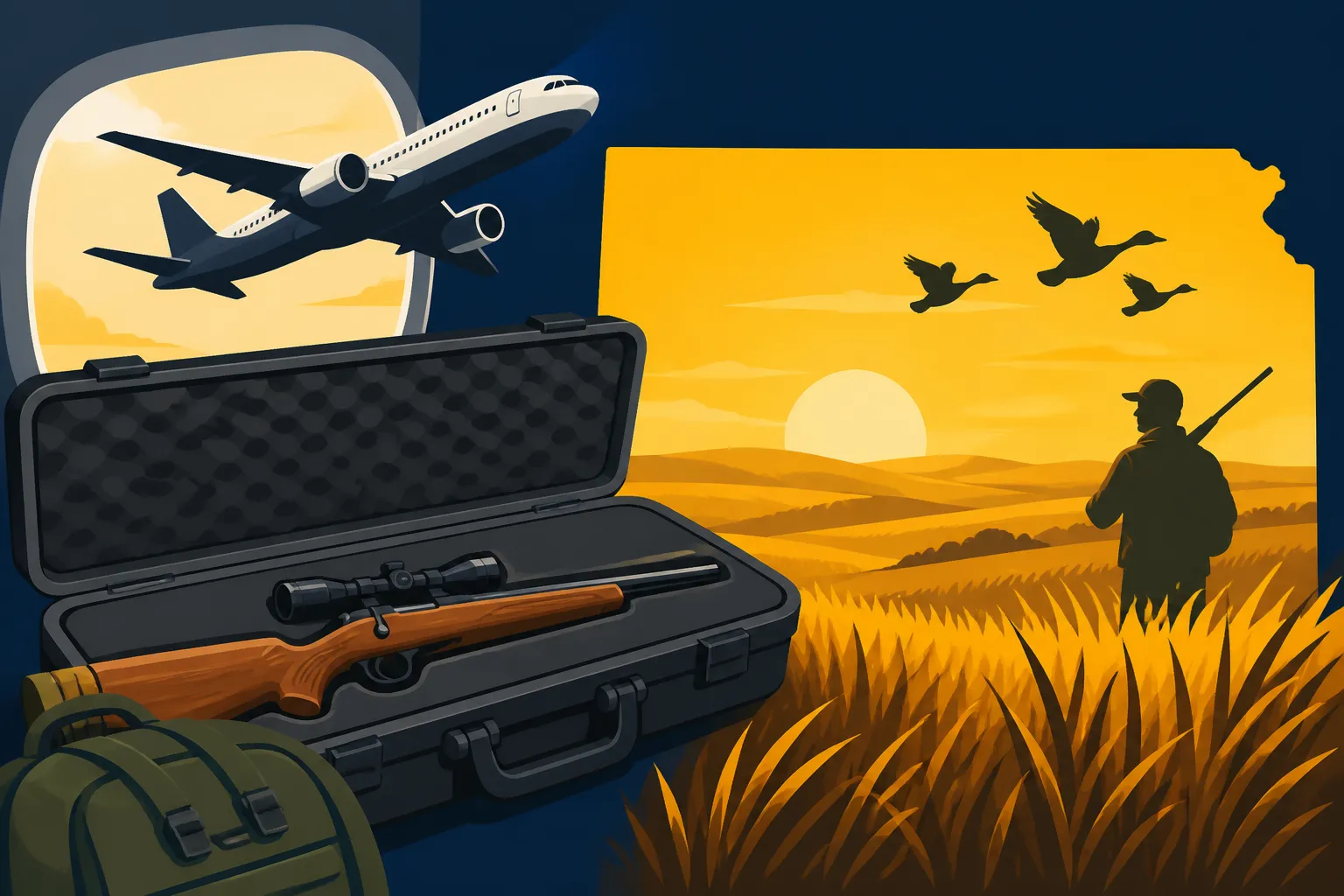
Oh, the joy of planning a Kansas hunting trip! But then you remember one tiny, logistical hurdle that can feel like a mountain: flying with your hunting rifle. The regulations surrounding firearm transportation on commercial airlines can be incredibly confusing, leading to a lot of anxiety about whether you're doing everything right. No one wants to get to the airport only to have their trip derailed by a missed detail. This comprehensive guide is here to untangle the complexities, giving you the confidence to pack your rifle and travel to your Kansas adventure without a hitch.
Navigating the TSA Regulations for Firearms
First things first, let's talk about the Transportation Security Administration (TSA). These are the folks who set the baseline rules for all air travel within the United States. Think of their guidelines as the foundational layer – every airline builds its own specific policies on top of these. If you don't meet TSA requirements, it doesn't matter what your airline says; your rifle isn't flying.
The Golden Rules: Unloaded, Locked, Declared
The core tenets of flying with a firearm are straightforward: it must be unloaded, locked in a hard-sided container, and declared to the airline at check-in. This isn't just a suggestion; it's the law. "Unloaded" means absolutely no ammunition in the chamber, magazine, or even attached to the firearm itself. Double, triple, and quadruple-check this before you even leave your house. Many hunters will even go so far as to visually inspect the chamber and magazine well in front of the airline agent to avoid any doubt or misunderstanding.
The "locked" part is equally critical. We're not talking about a flimsy luggage lock here. The case needs to be secured with a lock that prevents access to the firearm by anyone other than the owner. This typically means a non-TSA approved lock, as only you should have the key or combination. If a TSA agent needs to inspect your firearm, you'll be called to open the case for them. This is a crucial distinction, as many travelers are accustomed to TSA-friendly locks for regular luggage.
Finally, "declared" means you must verbally inform the airline agent at the check-in counter that you are traveling with an unloaded firearm. Do not attempt to use an airport kiosk for this. You need to speak to a person, fill out the required declaration tag, and place it inside your case as instructed. This declaration is paramount for compliance and safety.
Acceptable Cases and Ammunition Guidelines
When it comes to the case, TSA requires it to be "hard-sided" and "locked." This isn't a vague suggestion; it means a durable case that cannot be easily opened or broken into. Soft gun cases or duffel bags, no matter how tough they seem, are not acceptable. The case must fully contain the firearm and withstand the rigors of baggage handling. Furthermore, the locks must secure the case so that it cannot be opened unless the locks are removed.
Ammunition has its own set of rules. It must be packed in a separate container from the firearm itself. This container can be the original manufacturer's box, a sturdy plastic or metal ammunition case, or even certain fabric pouches designed for ammo. The key is that it must protect the cartridges from accidental discharge due to shock or movement. Loose rounds rattling around in a bag are a definite no-go. The amount of ammunition you can carry is also typically capped by either the airline or the Hazardous Materials Regulations; generally, it's around 11 pounds per passenger, but always confirm this. Some hunters like to purchase their ammo once they arrive in Kansas to avoid this extra layer of complexity, but if you prefer your specific load, flying with it safely is perfectly doable.
What to Expect at the Airport Counter
The check-in process for a firearm can vary slightly from airport to airport, but the general flow remains consistent. You'll approach the airline check-in counter (again, no kiosks for this!), declare your unloaded firearm, and show your identification. The agent will typically ask you to open your case for a visual inspection to confirm it's unloaded, and then provide you with a declaration tag to place inside. Once the tag is in, you'll relock your case, and the agent will check it like any other piece of checked luggage.
Be prepared for this process to take a little longer than a standard check-in. Give yourself ample extra time at the airport, especially if you're traveling during peak hours or from a smaller airport that might not handle firearms as frequently. Sometimes the case will go directly onto the conveyor belt, other times it might be taken by an airline employee to a separate screening area. Don't leave the counter until you're absolutely sure where your firearm is headed and that all procedures are complete.
Airline-Specific Policies: Your Second Layer of Rules
While TSA sets the federal standard, individual airlines can, and often do, have stricter or more specific policies. This is where many hunters get tripped up, assuming that if it's okay with TSA, it's okay with their carrier. Not so! Always check your specific airline's rules before you book, and definitely before you pack.
Researching Your Carrier's Stance
Every major airline posts its firearm transportation policy on its website. This is your go-to resource. Look for sections on "Special Baggage," "Sporting Equipment," or "Firearms." They will detail everything from weight limits for ammunition, specific requirements for cases (e.g., some airlines might require a specific type of lock or additional security measures), and any potential additional fees. For example, some airlines might count your gun case as a standard checked bag, while others might charge an oversized baggage fee, even if it's within typical dimensions.
It's wise to print out a copy of your chosen airline's policy and bring it with you to the airport. In the rare event you encounter an agent who is unfamiliar with their own airline's rules (it happens!), having the documented policy on hand can save you a lot of hassle and argument. This also applies to any hunting trips you might book through a service like BookYourHunt or research on GoHunt; always verify the travel details with the airline directly, regardless of what the outfitter or platform suggests.
Booking Your Flight: Key Considerations
When booking your flight to Kansas, consider more than just the price. Direct flights are always preferable when traveling with firearms. Every connection increases the chances of miscommunication, mishandling, or delays. If a direct flight isn't possible, try to choose connections within the same airline carrier to minimize transfers between different baggage handling systems. This can significantly reduce potential headaches.
Also, pay attention to the aircraft type, especially for smaller regional jets. While rare, some smaller planes might have restrictions on the size or weight of checked baggage that could impact your rifle case. It’s always worth a quick call to the airline if you have any doubts about a specific flight or aircraft. You want to make sure your firearm can actually make it onto the plane you're booked on.
Connecting Flights and Layover Lapses
Here's where things can get really tricky. If you have a connecting flight, especially one that requires you to retrieve and re-check your luggage (which can happen with firearms, even if it's uncommon for standard bags), you need ample layover time. A tight 45-minute connection is risky with regular luggage; with a declared firearm, it's a recipe for disaster. Aim for at least 2-3 hours for domestic connections, just to be safe.
In some rare instances, particularly if your connecting flight is on a different airline or if there's a significant delay, you might be required to pick up your firearm at the baggage claim and re-check it with the next carrier. This is a time-consuming process that involves going back through the entire check-in and declaration procedure. Being informed and prepared for this possibility is key to avoiding panic and ensuring your rifle makes it to Kansas when you do. For hunters headed out for Rifle Hunting the Kansas December Firearm Season, ensuring smooth connections means less stress and more focus on the hunt itself.
Packing Your Rifle for Air Travel: The Right Gear
The right gear makes all the difference when flying with a rifle. This isn't the time to cut corners or use a hand-me-down case that barely closes. Your firearm's safety, and your peace of mind, depend on it.
Investing in a Secure, Hard-Sided Case
A high-quality, hard-sided rifle case is an absolute must. Look for cases specifically designed for air travel, often labeled as "airline approved" or "TSA compliant" (in terms of being hard-sided and lockable). These cases are typically made from durable polymers or aluminum, designed to withstand impacts and resist tampering. Many feature pressure equalization valves, which are crucial for maintaining the integrity of the case and its contents during changes in cabin pressure.
Consider cases with multiple locking points and robust latches. A good case will feel substantial and protective. While it's an upfront investment, a quality case will protect your valuable firearm for many years and countless trips, whether you're headed to Kansas or another hunting destination. Brands like Pelican, SKB, and Plano offer excellent options that have proven their worth in the field and in the baggage hold.
Locking Mechanisms and Redundancy
Remember, you need non-TSA approved locks for your firearm case. Many quality cases come with built-in locking mechanisms, but it's often a good idea to add external padlocks for extra security and redundancy. If one lock fails or is tampered with, another one is there to maintain security. Use strong, sturdy padlocks; don't skimp on these. Brass or steel body locks are generally more secure than aluminum.
Always keep the keys or combinations for your locks with you, not in your checked baggage. As mentioned, if TSA needs to inspect your firearm, they will call you to the baggage screening area to unlock it yourself. Being separated from your keys could lead to a significant delay or even your firearm not making it on the flight.
Securing Ammunition Separately
As discussed, ammunition must be in a separate, secure container. But how exactly should it be packed? The goal is to prevent any movement that could cause a primer to strike or a round to dislodge. The original cardboard boxes most ammunition comes in are usually sufficient, as they hold the rounds snugly. If those are damaged, a purpose-built plastic or metal ammunition box is ideal. These often have individual compartments or dense foam to prevent cartridges from touching each other or moving around.
This separate ammunition container can then be placed within your checked luggage, not in your gun case, unless the gun case has a separate, lockable compartment specifically designed for ammunition, and even then, airline rules might dictate it's better elsewhere. Just make sure your ammunition container is also secure within your main suitcase so it doesn't shift and open during transit. Packing your ammo in your main checked bag helps distribute weight and keeps it distinct from your rifle, fulfilling federal requirements. Before heading out for Kansas Antlerless Hunts and Filling the Freezer, ensure all components of your hunting gear are packed correctly.
| Item | Requirement | Notes |
|---|---|---|
| Rifle | Unloaded | Double-check chamber, magazine, and detached magazines. |
| Rifle Case | Hard-sided, lockable, airline-approved | Must withstand handling; non-TSA locks only. |
| Locks | Non-TSA approved, sturdy padlocks | Keep keys/combinations on your person. Add redundancy. |
| Ammunition | In manufacturer's box or secure container | Protect from shock. Loose rounds are forbidden. |
| Ammunition Location | Separate from rifle case (typically in main checked bag) | Within airline weight limits (often 11 lbs). |
| Declaration | Verbal declaration at airline check-in | Cannot use self-service kiosks. Allow extra time. |
| Documentation | Printed airline policy, hunting license, permits | Handy if questions arise. |
| Identification | Government-issued photo ID | Required for check-in. |
Arriving in Kansas with Your Firearm
You've made it through the airport process, endured the flight, and landed in Kansas! The journey isn't quite over, though. There are still a few things to consider once your feet are on Kansas soil.
Retrieving Your Declared Baggage
Upon arrival at your Kansas destination airport – perhaps Wichita, Kansas City, or a smaller regional hub like Hays or Garden City – you won't typically find your firearm case on the regular baggage carousel with everyone else's luggage. For security reasons, declared firearms are almost always retrieved at a separate, secure location. This might be an airline office, an oversized baggage area, or even directly from an airline agent who will meet you near the baggage claim.
Listen for announcements or look for signs indicating where to pick up special baggage. If you're unsure, ask an airline employee at the baggage claim. You'll likely need to show your baggage claim ticket and identification to claim your rifle case. This extra step ensures that the firearm is only released to its rightful owner, adding a layer of security that hunters appreciate.
State and Local Laws Once You Land
Just because you successfully flew with your rifle doesn't mean you can just throw it in the backseat of your rental car. Kansas has its own laws regarding firearm transportation within the state, even if you are here legally to hunt. Generally, Kansas is a very pro-gun state, but common sense and safe practices are always paramount. Your firearm should remain unloaded and preferably cased during transport in a vehicle. It does not need to be locked in your vehicle once you've picked it up from the airport, but keeping it cased and out of sight is always a good idea for security.
Ensure your Kansas hunting license and any required permits (like your Kansas Deer Permits and the Nonresident Draw) are readily accessible. You'll also want to review Kansas Hunter Education and Licensing Basics to ensure full compliance with all state regulations. Remember, the goal is a safe and legal hunt, and that extends beyond just getting your rifle here.
Transporting Your Rifle to Your Hunting Destination
Once you've retrieved your rifle and are ready to head to your hunting grounds, whether it's a private lease near Dodge City, a public access area in eastern Kansas, or a Kansas State Wildlife Area, keep it cased and unloaded. If you're staying at a hotel or with an outfitter, inquire about their specific policies for storing firearms. Most hunting lodges are set up for this, but a standard hotel might have different expectations.
For those considering a guided hunt, outfits mentioned on platforms like BookYourHunt or researched using GoHunt often assist with ground transportation arrangements from the airport to the lodge, and they are well-versed in firearm transport. Don't hesitate to ask your outfitter about their recommendations for getting your rifle from the airport to camp. Planning for Access Routes That Do Not Bump Deer is just as important as planning for safe travel with your gear. By taking these precautions, you'll ensure a smooth transition from air travel to the Kansas hunting experience, ready to focus on your target, whether it's during Muzzleloader Deer Hunting in Kansas's September Season or a late-season firearm hunt.
Disclaimer
This article is for general informational purposes only and does not constitute professional advice. Laws, prices and regulations vary by location and change over time. Consult a qualified professional for guidance on your specific situation.