Working With a Landowner Instead of an Outfitter
Many hunters dream of chasing whitetails or spring gobblers across the vast landscapes of Kansas, but the thought of navigating the complexities of land access can be truly daunting. It often feels like you have two choices: either fork over a hefty sum for an outfitter, or resign yourself to fighting crowds on public land. However, there's a third, often overlooked, path that offers a unique and rewarding experience: directly working with private landowners. This guide will walk you through the ins and outs of connecting with Kansas landowners, whether for simple permission or a private lease, helping you understand the process, manage expectations, and ultimately find your own slice of hunting heaven without the guided tour price tag.
Understanding the Appeal of Landowner Access Over Outfitters
When you start dreaming about a Kansas hunt, the first thing that often pops into mind is the image of huge bucks or booming gobblers. Then, almost immediately, the practicalities hit: where will you hunt? Outfitters are a popular choice, offering convenience, expertise, and often, access to prime private ground. But for many of us, the cost of a fully guided hunt is prohibitive, or perhaps we simply prefer the challenge and satisfaction of a true do-it-yourself (DIY) experience. That's where working directly with landowners shines.
The Drawbacks of a Guided Hunt
Let's be honest, guided hunts can be fantastic, but they come with a few considerations that don't appeal to everyone. The most obvious is the expense. A good Kansas whitetail hunt can set you back significantly, and that's before you even factor in travel, licenses, and tips. Beyond the financial aspect, guided hunts often mean adhering to a specific schedule, hunting predetermined stands, and perhaps even being part of a larger group of hunters. While this structure can be beneficial for some, it can feel restrictive if you value flexibility and the freedom to adapt to conditions. There's also the pressure to "get your money's worth," which can sometimes detract from the pure enjoyment of the hunt itself.
The Freedom and Challenge of Landowner Access
Opting to hunt private land through direct landowner permission or a lease puts the control squarely back in your hands. You set your schedule, choose your stand locations, and can react to changing wind, weather, or deer patterns without consulting a guide. This DIY approach offers an incredible sense of accomplishment when you finally put a tag on an animal you've scouted and pursued on your own terms. It also allows for a deeper connection to the land and the animals you hunt, as you're responsible for every aspect of the experience, from finding the property to Field Dressing in Warm Kansas Weather and getting your deer out. While it demands more effort, planning, and self-reliance, the rewards often feel far greater for those who embrace the challenge.
Finding and Approaching Kansas Landowners for Hunting Access
The biggest hurdle for many hunters looking for private land is simply knowing where to start. It can feel like an insurmountable task, especially if you're not from the area. But with a strategic approach and a good dose of persistence, finding landowners willing to grant access is more achievable than you might think.
Digital Scouting: Your First Step
Before you ever set foot in Kansas, or even pick up the phone, modern technology can be your best friend. Online mapping tools, often with property boundary overlays and landowner information, have revolutionized the way we scout. Services like onX Hunt, or even Google Earth, allow you to E-Scouting Kansas Farm Country From Home. Look for features that attract deer: timbered creek bottoms, shelterbelts, standing crop fields (especially corn and milo), and areas with diverse habitat. Pay attention to properties bordering public lands, as deer often use private ground as a refuge from pressure.
Once you've identified promising parcels, many of these same mapping applications can provide the landowner's name and sometimes even contact information. This gives you a starting point for your outreach. Don't limit yourself to just deer hunting; thinking about Kansas Turkey Hunting Tactics for Spring Gobblers or Upland Bird Hunting Kansas Grass and Milo Edges can open up different types of properties and landowners, expanding your opportunities.
Making the Initial Contact: Respect and Professionalism
Approaching a landowner requires respect, politeness, and a clear understanding of what you're asking for. Whether you're making a cold call, sending an email, or knocking on a door, present yourself as a responsible, ethical hunter.
- In-Person Visits: This is often the most effective method, as it allows for direct conversation and builds trust. Dress neatly, leave your hunting clothes at home, and choose a time when they're likely to be home and not busy (avoid meal times or early mornings/late evenings). Have a brief, polite introduction ready.
- Phone Calls/Emails: If an in-person visit isn't practical due to distance, a well-crafted phone call or email can work. Clearly state who you are, how you got their information, and what you're requesting. Keep it concise and offer to provide references or meet in person if they're willing.
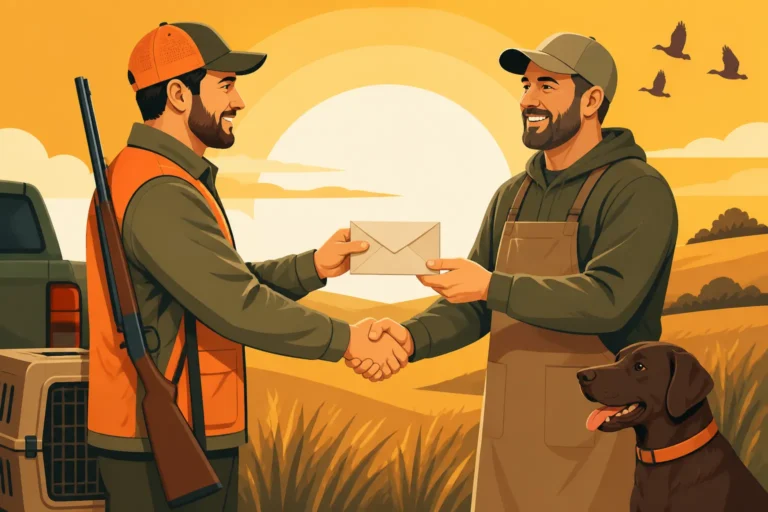
During the conversation, always ask for permission to Asking a Kansas Landowner for Permission, not demand it. Emphasize that you respect their property, will be safe, and will leave no trace. Offer to help with chores around the farm, like mending fences or checking livestock, as a way to build goodwill and show appreciation. Remember, you're not just asking for hunting access; you're asking for a relationship. Many landowners are wary of hunters due to past negative experiences, so building trust is paramount.
Securing Your Hunting Agreement: Permission Slips and Leases
Once you've found a landowner who is open to the idea, the next step is formalizing the agreement. This is a critical stage to ensure clarity for both parties and to protect everyone involved.
Written Permission: The Golden Rule
Even if it's a simple, free permission to hunt for a day or a season, always, always get it in writing. This protects both you and the landowner. A simple permission slip should include:
- The landowner's name and contact information.
- Your name and contact information.
- The specific dates for which permission is granted.
- The exact legal description or clear map of the property you have permission to hunt.
- The species you are allowed to hunt and by what method (bow, rifle, etc.).
- Any specific rules or restrictions (e.g., no driving in fields, avoid certain areas, close gates).
- Your agreement to respect the property, leave no trash, and report any issues.
- Signatures from both parties and the date.
Many Kansas hunters carry a blank permission form or one they've printed from the Kansas Department of Wildlife, Parks and Tourism (KDWP) website. This professionalism goes a long way. Having Written Permission Requirements in Kansas is not just a good idea; it can be legally required to prove you are not trespassing.
Lease Agreements: More Formal, More Secure
For longer-term access, especially if you're investing time and effort into managing the property, a hunting lease is the way to go. A lease is a contractual agreement, usually for a specific duration (e.g., one year), where you pay the landowner for exclusive hunting rights to their property.
Leases offer more security and typically grant more control over the property, such as the ability to hang stands, install trail cameras, or even plant food plots (with explicit permission, of course). The cost of Kansas Hunting Lease Costs can vary wildly depending on the property's size, location, game potential, and amenities.
A good lease agreement should include:
- All the details of a permission slip.
- The lease term (start and end dates).
- The lease fee and payment schedule.
- Any restrictions on the number of hunters allowed.
- Specifics on what improvements or modifications you can make (e.g., food plots, blinds, trails).
- Liability clauses (who is responsible if an accident occurs).
- Rules regarding guests.
- Termination clauses.
It's wise to have a lawyer review any lease agreement, especially for a significant investment. This ensures all parties understand their rights and responsibilities. Many hunters go in on leases together, sharing the cost and responsibilities, which can be a great way to access quality ground.
Navigating the Costs and Commitment of Landowner Hunting
When you compare working with a landowner to booking a guided hunt, the "cost" isn't always measured in dollars. It's a blend of financial investment, time, and personal commitment. Understanding this blend will help you decide if this path is right for you.
Financial Outlays: Beyond the Permit
While you might save on outfitter fees, direct landowner access still involves financial considerations.
- Lease Fees: If you're leasing, this will be your primary expense. What Kansas Hunting Leases Cost Per Acre can range from very affordable to quite expensive, depending on the factors we discussed. It's a significant investment, but often less than a fully guided hunt.
- Permits and Licenses: Regardless of where you hunt, you'll need the appropriate Kansas hunting licenses and permits. For non-residents, this typically involves applying for the Kansas Deer Permit through the draw. Understanding the Kansas Deer Permits and the Nonresident Draw is crucial, as is knowing the Kansas Hunting Licence and Permit Costs. These costs are universal, whether you're guided, leasing, or hunting public land.
- Equipment: If you're going DIY, you'll be responsible for all your gear: stands, blinds, game cameras, processing equipment, and potentially a vehicle capable of getting into rough terrain. While outfitters often provide stands and transportation on their properties, a DIY hunter needs to be self-sufficient. This includes everything from field dressing kits to Deer Carts on Walk-In Ground for getting an animal out.
- Travel and Lodging: Unless you live locally, you'll have travel expenses. For multi-day hunts, you'll need a place to stay. This could be a motel, a local Airbnb, or even camping if allowed on the property.
Time and Effort: Your Personal Investment
This is where the real difference often lies. Hunting with a landowner means you're investing your own time and effort every step of the way.
- Scouting: Finding suitable properties and then learning them takes a significant amount of time. This includes digital scouting, driving through target areas, and potentially walking properties (with permission, of course) before the season. Understanding things like Reading a Kansas Creek Bottom for Deer Sign or recognizing Cedar Thickets as Bedding Cover requires hours in the field.
- Stand Setup and Maintenance: Unlike an outfitter who has stands ready, you'll be responsible for hanging your own stands, brushing in ground blinds, and ensuring they are safe and properly positioned. This is an ongoing task throughout the season. You'll also need to consider Ground Blind Brushing In if you plan to hunt from the ground.
- Game Recovery and Processing: When you tag an animal, the work is just beginning. You'll be responsible for tracking, field dressing, and extracting the animal, which can be a monumental task if you're Getting a Deer Out of a River Bottom Alone. Then comes the processing, whether you take it to a local locker plant or process it yourself at home.
Tools to Assist Your Search
While much of this process relies on direct contact, some online platforms can bridge the gap between landowners and hunters. Websites like BookYourHunt and GoHunt often have listings for private land leases or semi-guided opportunities. While these might lean more towards a paid service, they can sometimes connect you with landowners who are open to direct leasing arrangements outside of a full outfitter package. Always scrutinize listings and ensure direct communication with the landowner is possible to understand the full scope of what's being offered.
The Responsibilities and Ethics of Hunting on Private Land
Being granted access to private land is a privilege, not a right. Upholding your responsibilities and demonstrating impeccable ethics are paramount to maintaining a good relationship with the landowner and securing future hunting opportunities.
Respecting the Land and the Landowner
This cannot be stressed enough. Your behavior on the property directly reflects on all hunters and influences the landowner's willingness to grant access to others in the future.
- Leave No Trace: Pack out everything you pack in, and then some. This means spent shell casings, food wrappers, empty water bottles, and anything else that doesn't belong. Leaving trash is one of the quickest ways to lose hunting access.
- Know and Follow the Rules: Adhere strictly to all rules set by the landowner, even if they seem minor. If they say no driving in certain fields, don't do it. If gates need to be closed, close them.
- Communicate Regularly: Keep the landowner informed. Let them know when you plan to be on the property and when you've left. If you see something out of place—a broken fence, downed tree, or suspicious activity—report it to them.
- Show Appreciation: A simple "thank you" goes a long way. Consider a small gift at the end of the season, like a gift basket, a gift card to a local restaurant, or an offer of help with chores. Sharing some of the meat from your harvest, if successful and appropriate, can also be a wonderful gesture.
- Be a Good Neighbor: Understand that you are a guest. Avoid interfering with farming operations, livestock, or the landowner's personal privacy.
Ethical Hunting Practices
Beyond landowner relations, maintaining high ethical standards in your hunting practices is crucial.
- Legal Compliance: Always follow all Kansas hunting regulations, including season dates, bag limits, and legal shooting hours. Make sure your Kansas Hunter Education and Licensing Basics are in order.
- Safe Hunting: Practice extreme caution with firearms and archery equipment. Always know your target and what's beyond it. Never shoot towards buildings, roads, or livestock. Your actions affect the landowner directly.
- Clean Harvests: Strive for clean, humane kills. This means practicing your shots regularly and knowing Shot Placement on a Whitetail at Twenty Yards. If you wound an animal, dedicate every effort to recovering it, even if it means staying out longer or calling for help. Promptly reporting your harvest to the KDWP is also part of your responsibility.
By being a responsible and respectful hunter, you not only ensure your own access but also help foster positive relationships between landowners and the hunting community as a whole. This is especially important in Kansas, where the majority of prime hunting ground is privately owned.
Comparing Landowner Access vs. Outfitter Services
To help solidify your decision, let's look at a direct comparison of the typical experiences when choosing between working with a landowner and booking with an outfitter. This isn't to say one is inherently "better" than the other, but rather that they offer different experiences catering to different preferences and budgets.
| Feature | Direct Landowner Access (Permission/Lease) | Outfitter / Guided Hunt |
|---|---|---|
| Cost | Potentially free (permission) to moderate (lease fee) | High (package price, plus tips, trophy fees) |
| Flexibility | High (you set schedule, choose stands, adapt to conditions) | Moderate to Low (fixed schedule, predetermined stands, guide's strategy) |
| Effort Required | Very High (scouting, stand setup, game recovery, processing, logistics) | Low to Moderate (guide handles most logistics, stand setup, initial scouting) |
| Comfort/Amenities | Variable (can be roughing it, or comfortable if you arrange lodging) | High (lodging, meals, sometimes transportation included in package) |
| Expertise | Relies on your own hunting knowledge and scouting abilities | Guide's expertise in local patterns, habitat, and strategies |
| Success Rate | Depends entirely on your skill, effort, and luck | Often advertised high, but still relies on weather, deer activity, and your shot |
| Experience | Raw, authentic, DIY challenge, deep satisfaction | Convenient, higher probability of opportunity, less personal stress |
| Relationship | Direct, personal connection with landowner, building trust | Client-provider relationship with outfitters and guides |
| Gear | Must provide all own gear (stands, processing, recovery) | Outfitter often provides stands, sometimes processing assistance, vehicles |
This table illustrates that while direct landowner access might require a greater upfront investment of your own time and effort, it often leads to a more flexible, personal, and ultimately, a more deeply rewarding hunting experience for those who cherish the DIY spirit. On the other hand, outfitters provide a streamlined service designed for convenience and a higher likelihood of an encounter, ideal for those with limited time or seeking a more luxurious experience.
Building Lasting Relationships and Future Opportunities
The true long-term value of working with private landowners isn't just about this season's hunt; it's about cultivating relationships that can lead to decades of memorable experiences. Treat every interaction as an opportunity to build trust and goodwill, and you'll likely find that doors open for you year after year.
Beyond the Harvest: Maintaining Connections
Don't just disappear after hunting season closes. A quick thank-you note or phone call after your hunt, whether successful or not, reiterates your appreciation. If you offered to help with chores, follow through on those promises during the off-season. A little effort goes a long way in showing you're a responsible individual, not just someone looking for a place to hunt.
Consider reaching out a few times during the year. Maybe offer to keep an eye on things during planting or harvest season, or simply check in to see how they're doing. These genuine gestures of care and respect are what transform a temporary hunting agreement into a lasting friendship. This kind of relationship is invaluable, especially when looking for consistent access in a state like Kansas, where quality private land is always in high demand.
Expanding Your Network
Word of mouth is incredibly powerful in rural communities. If you prove to be a respectful and responsible hunter, landowners may mention your name to their neighbors or friends, potentially opening up even more opportunities. Just as you might look to platforms like BookYourHunt or GoHunt for new leases, a solid reputation can be your best referral system for gaining access to properties that aren't advertised anywhere online.
Remember, the goal isn't just to find a place to hunt today, but to establish yourself as a trustworthy and ethical hunter who is a positive addition to the community. By doing so, you're not only securing your own hunting future but also helping to preserve the tradition of private land hunting for everyone.
Disclaimer
This article is for general informational purposes only and does not constitute professional advice. Laws, prices and regulations vary by location and change over time. Consult a qualified professional for guidance on your specific situation.