Asking a Kansas Landowner for Permission
Finding quality hunting ground in Kansas can feel like a daunting task, especially with so much land being privately owned and public access points often facing significant pressure. If you've been struggling to find uncrowded spots or chasing whitetails on limited public tracts, gaining permission to hunt private land is often the key to unlocking consistent success and memorable hunts. This guide will walk you through the ins and outs of respectfully asking Kansas landowners for permission, covering everything from initial research to building lasting relationships that open doors to prime hunting opportunities.
The Reality of Hunting Access in Kansas
Let's face it: while Kansas offers incredible hunting opportunities, especially for big whitetails and pheasants, a vast majority of the state is private property. This reality often leads to frustration for hunters, both residents and non-residents, who are trying to find their own piece of hunting paradise.
Why Private Land is Your Golden Ticket
Kansas is primarily an agricultural state, meaning endless acres of corn, milo, wheat, and CRP fields dominate the landscape. These private lands, often interspersed with creek bottoms and timber blocks, create phenomenal habitat and food sources for deer, turkeys, and upland birds. While the Kansas Department of Wildlife, Parks and Tourism (KDWP) does a fantastic job with programs like Walk-In Hunting Access (WIHA), the sheer amount of private ground means that your best, most consistent hunting experiences will often come from gaining private land access. Public Hunting Land in Kansas is a valuable resource, but these areas can see a lot of traffic, especially during peak seasons. Even prime Kansas Walk-In Hunting Access Explained tracts can get burned out quickly once hunting season starts, as hunters flock to available ground. Learning to approach landowners and secure private access can dramatically reduce the Hunting Pressure Patterns on Kansas Public Land you encounter, allowing for more natural animal movement and a better overall hunt.
Understanding Kansas Trespass Laws and Expectations
Before you even think about stepping foot on someone's property, it's absolutely crucial to understand Kansas's trespass laws. In Kansas, it is illegal to enter private land for hunting, fishing, or trapping without express permission from the landowner or tenant. This isn't just a suggestion; it's the law. Permission doesn't necessarily have to be written, but for your protection and the landowner's, it's highly recommended.
Landowners often mark their boundaries with "No Trespassing" signs or, increasingly, with purple paint. A vertical stripe of purple paint on trees or posts at least eight inches long and placed between three and five feet from the ground serves the same legal purpose as a written "No Trespassing" sign. Ignoring these markers or assuming you can "just take a quick look" is a surefire way to get yourself into legal trouble and burn any future goodwill with local landowners. Respecting property lines and having explicit permission is the bedrock of ethical hunting and successful private land access. For a deeper dive, check out Kansas Trespass Law and Posted Land.
Preparing for Your Landowner Approach
Simply driving around and knocking on random doors is rarely the most effective strategy. A thoughtful, prepared approach significantly increases your chances of success.
Strategic Property Research
The first step in gaining permission is identifying which properties you want to ask about. This means doing your homework.
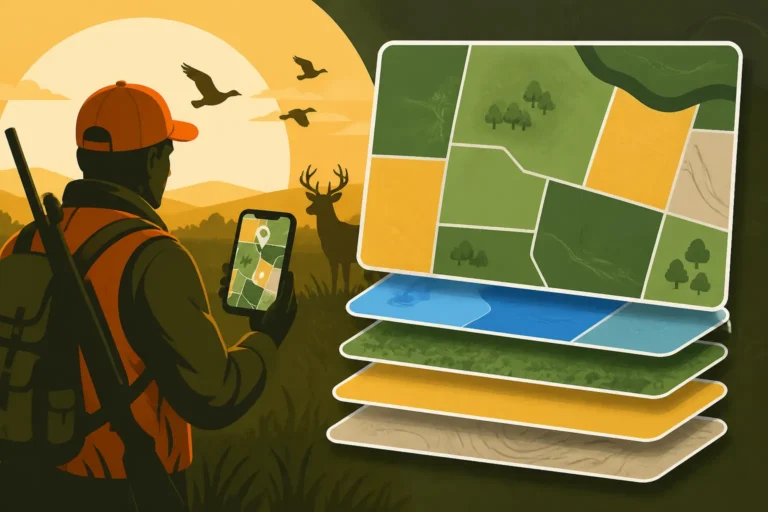
- Utilize Mapping Software: Modern mapping apps like onX Hunt are invaluable tools for this process. You can overlay satellite imagery with public land boundaries, property lines, and landowner names. This allows you to "e-scout" properties from home, identifying potential habitat features like creek beds, timber blocks, crop fields, and transition areas that hold deer. You can pinpoint specific parcels that look promising for your target species. Learning E-Scouting Kansas Farm Country From Home is a critical skill here.
- Identify Promising Habitat: Look for properties that offer a mix of cover, food, and water. This could be a standing cornfield adjacent to a dense timber strip, a plum thicket next to a harvested milo field, or a creek bottom winding through pastures. Identifying these features helps you articulate why you're interested in their specific piece of ground when you make your pitch.
- Finding Landowner Information: Once you've identified a promising parcel using onX Hunt or similar tools, the next step is to find out who owns it. This information is often available through county assessor's offices or registers of deeds. Many counties now have this information online. Some hunting resources like GoHunt also offer landowner data as part of their services, which can streamline this process. Don't overlook the value of knowing Finding Property Lines in Kansas accurately to ensure you're asking the right person about the right piece of land.
Crafting Your Personal Pitch
When you finally get to speak with a landowner, your initial impression and what you say are everything. You need to be prepared with a clear, concise, and respectful request.
- Be Polite and Respectful: Start by introducing yourself clearly, stating your name and why you're there. "Hello, my name is [Your Name], and I'm a hunter from [Your Town]. I noticed your property here has some really great looking habitat, and I was hoping to speak with you about the possibility of hunting deer/turkeys/pheasants on it."
- State Your Intentions Clearly: Are you looking to bowhunt for deer, chase pheasants with a dog, or hunt spring turkeys? Be specific. Don't leave them guessing.
- Highlight Your Responsibility: Emphasize that you are a responsible hunter. Mention that you will respect their property, close all gates, avoid driving on wet fields, pick up any trash (even if it's not yours!), and adhere to any rules they set. If you're hunting with a dog, mention that you have it under control and will keep it away from livestock.
- Offer Value (if appropriate): Sometimes, landowners might be receptive if you offer to help them out. This could be helping mend fences, checking on livestock occasionally, or even offering to share some of the meat from your harvest. For farmers dealing with crop damage from deer, you might offer to target antlerless deer to help manage the herd.
The Right Time and Place for the Initial Contact
Timing is everything. Approaching a landowner when they are busy, stressed, or preoccupied is a recipe for a quick "no."
- Off-Season is Best: The absolute best time to ask for permission is in the off-season – late winter, spring, or summer, well before hunting season begins. Landowners are less likely to be inundated with requests, and they'll have more time to talk. They're also less likely to be focused on harvest or planting, which are incredibly busy times.
- Avoid Busy Times: Never approach a farmer during planting season (spring) or harvest season (fall). These are their livelihoods, and they are often working from dawn till dusk. Even during other times, avoid calling or showing up during mealtimes or late in the evening. Mid-morning or mid-afternoon on a weekday or a quiet weekend afternoon are generally better.
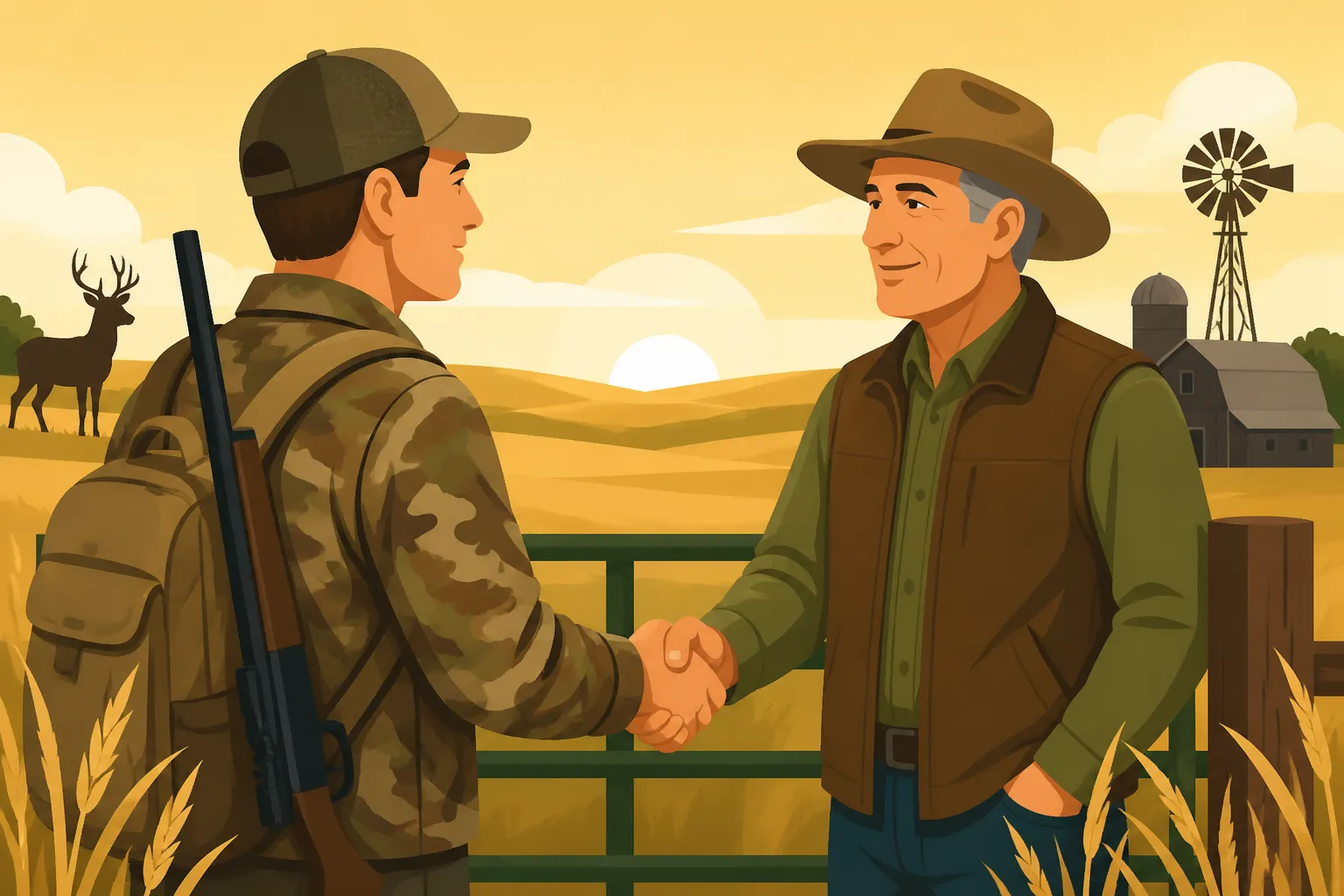
- In-Person is Preferred: Whenever possible, make your initial contact in person. It allows you to make eye contact, shake their hand, and convey sincerity. If that's not feasible, a well-written letter followed by a phone call can work, but a cold call without prior introduction is less effective.
- Dress Respectfully: You don't need to wear a suit, but don't show up in dirty hunting clothes or anything that looks disrespectful. Clean, casual attire is usually appropriate. You want to convey responsibility and trustworthiness.
| Aspect of Approach | Best Practices | What to Avoid |
|---|---|---|
| Timing | Off-season (late winter, spring, summer) | Peak planting/harvest season, mealtimes, late evening |
| Method | In-person, well-researched, polite introduction | Cold calls without prior research, simply showing up |
| Appearance | Clean, casual, respectful attire | Dirty hunting clothes, anything overly casual/sloppy |
| Pitch Content | Specific, responsible, respectful, offer value | Vague requests, demands, sounding entitled |
| Attitude | Patient, understanding, willing to listen and learn | Pushy, argumentative, dismissive of concerns |
Making the Ask: Tips for a Successful Conversation
This is where the rubber meets the road. Being prepared for the conversation itself is just as important as the research leading up to it.
Engaging with the Landowner Respectfully
Once you're face-to-face, remember that you are asking for a privilege, not asserting a right.
- Listen More Than You Talk: After you've made your initial pitch, let the landowner talk. They might have concerns about safety, livestock, privacy, or previous bad experiences with hunters. Listen to these concerns intently and address them directly and honestly. This is a conversation, not an interrogation.
- Be Honest About Your Hunting Style: Are you a mobile bowhunter who uses a saddle and climbing sticks? Do you hunt with a ground blind? Will you be bringing a hunting partner? Transparency builds trust.
- Understand Their Perspective: Many landowners have had negative experiences with hunters who left gates open, drove across wet fields, left trash, or simply didn't respect boundaries. Your job is to prove you are different. Validate their concerns by acknowledging them and explaining how you will ensure those issues won't happen if you're granted access.
- Offer Concrete Benefits: If they have a problem with coyotes, offer to call them. If they have deer eating crops, offer to harvest a doe or two. Showing that you're willing to help them, even in a small way, can go a long way.
What to Discuss If Permission is Granted
Congratulations! You've received permission. Now, clarify all the details to avoid any misunderstandings down the road. This is absolutely critical for maintaining the relationship.
- Specific Hunting Areas: Are there specific fields, timber blocks, or creek bottoms you can hunt? Are there areas off-limits due to livestock, homes, or sensitive habitats? Get a clear understanding of the boundaries. You might even walk the boundaries with them or use your onX Hunt app to mark the agreed-upon areas.
- Access Routes and Parking: Where can you park your vehicle? Which access roads or trails can you use? Can you drive across fields to retrieve game, or must you use a cart? Never assume motorized access; always ask. Access Routes That Do Not Bump Deer is a good article to review to ensure you're mindful of how your entry and exit impact deer.
- Hunting Dates and Times: Are there specific days or times you are allowed to hunt? Can you hunt during the firearm season, or only archery? Be clear on the allowed duration of your access.
- Gates and Fences: The cardinal rule: if you open a gate, close it. If it's closed, leave it closed. This is non-negotiable, especially with livestock.
- Hunting Partners: Can you bring a friend or family member? If so, do they also need to check in with the landowner? Most landowners prefer to know exactly who is on their property.
- Retrieving Game: What's the protocol for retrieving a downed animal? Can you drive a vehicle onto their property for retrieval, or should you call them first?
- Tree Stands and Blinds: Can you put up a tree stand or ground blind? If so, does it need to be portable, or can it be left up? Always clarify the rules regarding leaving equipment on their property.
- Written Permission: Always, always, always try to get permission in writing, even if it's just a simple note with their signature, the dates, the specific property, and any agreed-upon rules. This protects both you and the landowner. You can even create a simple permission form yourself. Understanding Written Permission Requirements in Kansas will make this process smoother.
Handling Rejection Gracefully
It won't always be a "yes," and that's okay. Many landowners simply don't want hunters, have too many already, or have had bad experiences.
- Don't Argue or Beg: A "no" means no. Do not try to argue, guilt-trip, or beg. This will only reinforce any negative stereotypes they might have about hunters and ensure you'll never get permission in the future.
- Thank Them for Their Time: Always thank them graciously for taking the time to speak with you, even if they denied your request. "I completely understand. Thank you for your time and for considering my request. Have a good season."
- Leave the Door Open: Sometimes, a "no" today isn't a "no" forever. By being polite and respectful, you leave a positive impression. Circumstances can change; maybe a family member moves away, or they start experiencing more crop damage. Your polite interaction might be remembered later.
After Permission is Granted (or Denied)
The permission to hunt private land is a privilege, and it comes with responsibilities. Your actions directly impact not only your future access but also the reputation of all hunters.
Upholding Your End of the Bargain
Think of it as a trust agreement. You've promised to be respectful, and now you must deliver.
- Follow All Agreed-Upon Rules: This might sound obvious, but it's where many hunters fail. If they said no driving on wet fields, don't do it. If a certain area is off-limits, stay out.
- Close Every Gate: This cannot be stressed enough. Leaving a gate open, even accidentally, can lead to livestock escaping, crop damage, and immediately revoke your permission. Double-check.
- Leave No Trace: Pack out everything you pack in, and then some. If you see trash that isn't yours, pick it up. Your goal is to leave the property in better condition than you found it. Leaving No Trace on Walk-In Ground applies to private land just as much as public.
- Be a Good Neighbor: If you see something amiss on their property—like a fence down, a strange vehicle, or livestock in the wrong pasture—inform the landowner. Show them you care about their property as much as they do.
- Communicate: If your plans change, or if you decide not to hunt a specific day you said you might, let the landowner know. A quick text or call can go a long way.
Nurturing the Relationship
A single hunting season shouldn't be the end of your interaction. Building a long-term relationship can lead to years of access.
- Express Gratitude: A simple "thank you" goes a long way. A thank-you note or a small gift (a gift basket, a homemade pie, or even some of your processed venison if they enjoy it) at the end of the season can reinforce your appreciation.
- Share Your Success (if appropriate): If you harvest an animal, offer to share photos or, better yet, some of the meat. This shows them the tangible result of their generosity.
- Offer Off-Season Help: Periodically check in with the landowner during the off-season. Ask if there's anything you can help with – repairing fences, clearing brush, or helping with small chores. These gestures build a bond and demonstrate your commitment beyond just hunting.
- Respect Their Privacy: Don't abuse your access. You're there to hunt, not to become their new best friend or impose on their daily life. Keep your interactions focused and respectful of their time and privacy.
- Consider Lease Options Later: If you're consistently getting permission on good ground, and you want more dedicated access, sometimes these relationships can evolve into a formal hunting lease arrangement down the line. It's worth understanding Kansas Hunting Lease Costs and exploring if this could be a future option for you or a group of friends Sharing a Kansas Lease With Friends.
Navigating private land access in Kansas is a skill that takes patience, respect, and a genuine effort to build relationships. It's not always easy, and you'll hear "no" more often than "yes," but the rewards of ethical, unpressured hunting on quality private ground are well worth the effort.
Disclaimer
This article is for general informational purposes only and does not constitute professional advice. Laws, prices and regulations vary by location and change over time. Consult a qualified professional for guidance on your specific situation.