Best Kansas Units for Public Land Deer
For many hunters, the dream of chasing whitetail deer across the vast landscapes of Kansas is incredibly appealing. However, the reality of public land hunting can often feel like searching for a needle in a haystack, especially when you’re trying to pinpoint those elusive units that offer genuine opportunity without being overrun by other hunters. This guide aims to cut through the confusion and highlight the characteristics and considerations for finding the best Kansas units for public land deer hunting, helping you plan a more successful and satisfying hunt.
What Makes a Kansas Unit Great for Public Land Deer Hunting?
When we talk about the "best" units for public land deer hunting in Kansas, it’s not just about trophy potential, though that's certainly a draw for many. It's really about a combination of factors that contribute to a high-quality hunting experience. This includes access, habitat quality, deer density, and perhaps most importantly, the ability to escape intense hunting pressure. Understanding these elements is crucial before you even start looking at maps.
Public Land Availability and Type
First and foremost, a unit must have a significant amount of accessible public land. Kansas is known for its incredible Walk-In Hunting Access (WIHA) program, which leases private land for public hunting. Some units have far more WIHA acreage than others, and this can be a game-changer. These tracts, often marked clearly on mapping apps like onX Hunt, can provide extensive areas to roam. Beyond WIHA, state wildlife areas (SWAs), Corps of Engineers land around reservoirs, and even the Cimarron National Grassland in the far southwest offer varying types of public access. A unit might look appealing on a map, but if its "public land" is limited to small, isolated parcels or heavily regulated SWAs with draw-only hunts, it might not be the best fit for an open-ended public land pursuit.
Consider the distribution of public land, too. Are there large, contiguous blocks that allow deer to feel safe and establish patterns, or is it a patchwork of small, disconnected pieces? Large tracts often disperse hunters better, allowing you to find pockets of unpressured deer. Understanding Kansas Walk-In Hunting Access Explained is key, as WIHA rules can sometimes differ slightly from other public land types.
Habitat Diversity and Deer Density
Kansas is incredibly diverse, from the timbered river bottoms in the east to the wide-open prairie and farmlands of the west. A "great" public land unit will offer diverse habitat that supports a healthy deer population and provides excellent cover and food sources. This means a mix of standing crops, CRP (Conservation Reserve Program) grasses, native prairie, timbered draws, and riparian corridors. Deer need food, water, and cover to thrive, and units that consistently offer all three across their public holdings tend to have higher deer densities and bigger, older bucks.
Units with a good balance of agriculture and cover often hold the most deer. Corn and milo fields provide abundant food, while adjacent creek bottoms, cedar thickets, or substantial CRP grass offer bedding and travel corridors. Even in open country, specific features like shelterbelts, timber points, or deep ravines can concentrate deer. Kansas Whitetail Deer and Why They Grow Big explains more about the state's deer characteristics. Look for units that demonstrate this varied landscape, as it signals a healthy ecosystem for deer.
Managing Hunting Pressure
This is perhaps the biggest factor in finding quality public land hunting. Any public land with good deer is likely to see hunting pressure. The "best" units aren't always the ones with the absolute most deer, but those where you can effectively navigate or mitigate that pressure. Some units might have high deer numbers but are small and get pounded every season. Others might have slightly lower overall densities but offer vast, rugged, or less accessible public ground where you can truly get away from other hunters.
Units that require more effort to access—a longer walk-in, crossing a creek, or dealing with rough terrain—often see less pressure simply because fewer hunters are willing to put in the work. Learning to read Hunting Pressure Patterns on Kansas Public Land is an invaluable skill. E-scouting tools like onX Hunt can reveal potential access points that others might overlook, or help you identify isolated pockets of cover within larger public areas that could serve as deer sanctuaries. The more challenging the access, often the better the hunting once you get there.
Regions and Characteristics of Top Public Land Units
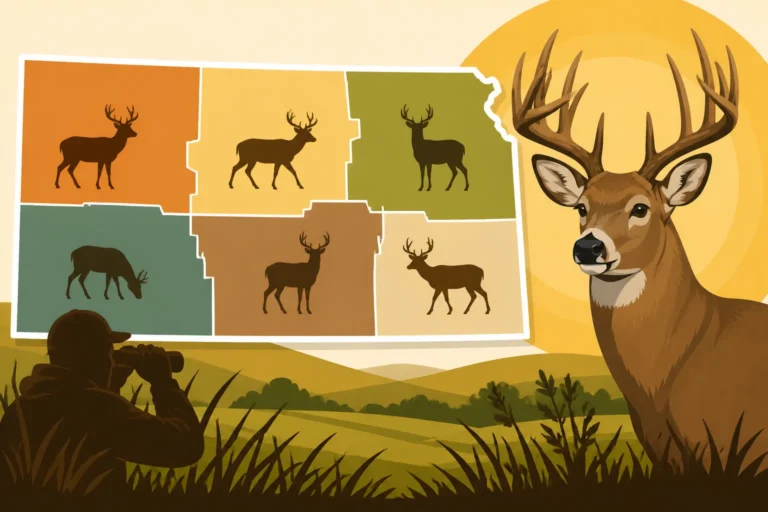
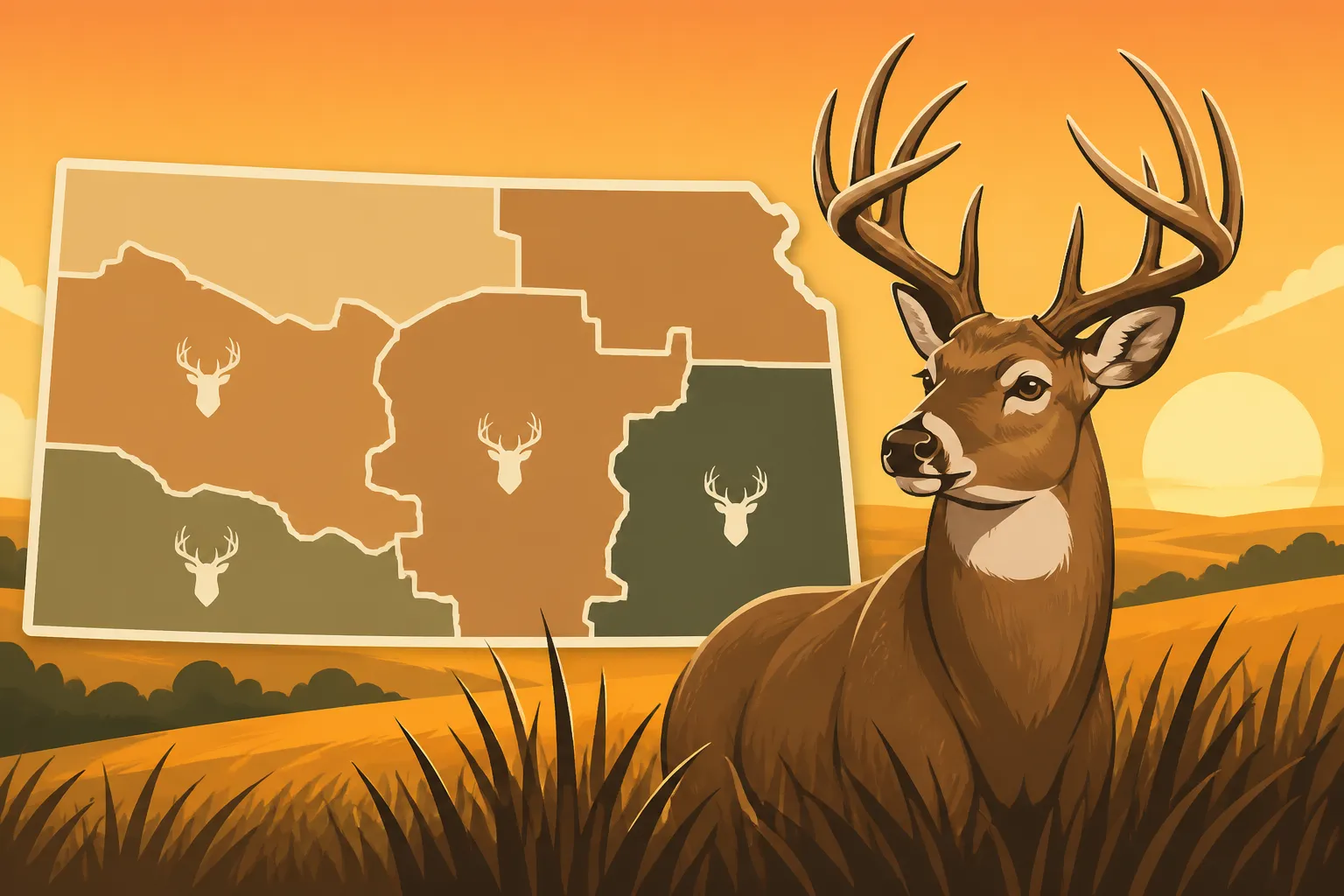
Kansas can be broadly divided into distinct hunting regions, each offering unique public land characteristics and challenges. Understanding these regional differences can help you narrow down your search for the right unit.
Eastern Kansas: Timber, River Bottoms, and Diverse Habitat
Eastern Kansas generally boasts higher deer densities and more timbered cover, especially along its major river systems like the Missouri, Kansas, and Neosho. Units in this region (think Units 10, 11, 14, 16) often have a mix of state wildlife areas, Corps of Engineers land around larger reservoirs, and smaller, scattered WIHA tracts. The habitat here can be incredibly diverse, with mature hardwoods, thick undergrowth, and agricultural fields. This environment is prime for whitetails, and these units are often targeted by hunters seeking trophy bucks.
However, the public land tracts here can sometimes be smaller and more fragmented than in other parts of the state, leading to higher hunter density. Success often hinges on getting off the beaten path, diving deep into timber, or finding those less obvious access points. Tactics like Scouting Kansas River Bottoms and Creek Draws become vital. While popular, these units can still produce exceptional hunting for those willing to scout thoroughly and adapt to pressure. You might find great opportunities on Corps land adjacent to major lakes, but be prepared for company, especially on weekends.
Central Kansas: Mixed Habitat, Crop Country, and Extensive WIHA
The central corridor of Kansas offers a blend of agriculture, extensive CRP fields, and scattered timbered creek draws. Units here (like 6, 7, 13) are often characterized by vast crop fields — corn, milo, soybeans — interspersed with rolling grasslands and crucial riparian habitats. This region can have some of the highest WIHA enrollment in the state, providing numerous public hunting opportunities that are directly tied to excellent food sources. Deer in these areas thrive on the agricultural bounty, and the CRP fields offer fantastic bedding and fawning cover.
Hunting in central Kansas often involves deciphering deer patterns around agricultural fields and identifying key travel corridors within the flat country. Knowing how to read Milo and Corn Stubble Deer Patterns is invaluable. While there may be less "big woods" feel than the east, the sheer amount of food and cover can make for outstanding hunting. Pressure can still be a factor, especially on easily accessible WIHA tracts, but the expansive nature of the landscape often allows for dispersal. Utilizing apps like GoHunt to layer WIHA boundaries over satellite imagery is essential for planning your approach and identifying potential bottlenecks or funnels where deer might concentrate.
Western Kansas: High Plains, Pronghorn Country, and Remote WIHA
The western third of Kansas transitions into high plains and more arid landscapes, often associated more with mule deer and antelope. However, whitetails are present, especially along the few significant river systems and in areas with extensive WIHA that offer pockets of cover and food. Units like 1, 2, 17, and 18 can offer a completely different public land experience. While deer densities might be lower overall than in the east or central regions, the sheer amount of open, remote country and large WIHA tracts can mean less hunter pressure in some areas.
Hunting here often requires a different strategy. With fewer trees, deer utilize cedars, plum thickets, brushy draws, and tall CRP as primary cover. Finding water sources in dry periods can also be a key factor. Finding Water in Dry Western Kansas is critical knowledge. The hunting can be challenging, but for those seeking solitude and a unique plains hunting experience, these units can be very rewarding. It's often about covering ground and glassing extensively. Don't discount these units if you're willing to embrace the vastness and adapt your tactics. The Cimarron National Grassland, though primarily known for its limited elk draws, also offers substantial public hunting for deer in Unit 18 for those willing to travel and scout.
Leveraging Tools and Tactics for Public Land Success
Regardless of which Kansas unit you choose, maximizing your public land deer hunting success hinges on smart preparation and adaptable in-field tactics. Modern technology and tried-and-true scouting methods work hand-in-hand to give you an edge.
E-Scouting with Modern Mapping Applications
Before you even set foot in Kansas, spend considerable time e-scouting. This means diving deep into mapping applications like onX Hunt or GoHunt. These platforms are invaluable for identifying public land boundaries, including WIHA, state lands, and Corps of Engineers property. You can analyze terrain features, identify potential bedding areas, food sources, and travel corridors from your couch. Look for pinch points, inside corners of crop fields, isolated timber blocks, or creek crossings that deer might favor. E-Scouting Kansas Farm Country From Home is a comprehensive guide to this process.
Pay close attention to access points on public land. Identify where roads meet WIHA tracts or where public land abuts private ground. Often, the areas furthest from easy road access will hold less pressured deer. Use the different map layers—satellite, topo, and even historical imagery if available—to understand how the landscape changes with seasons and farming practices. With onX Hunt, you can mark potential stand locations, scout likely routes, and even monitor wind direction for your chosen spot, making it an indispensable tool for public land hunters.
Understanding Public Land Rules and Regulations
Each type of public land in Kansas can have slightly different rules regarding hunting. WIHA tracts, state wildlife areas, and Corps of Engineers properties might have specific regulations on vehicle access, overnight camping, stand placement, or even what species you can hunt. For instance, some state wildlife areas have special draw hunts or limited access periods. Always check the current Kansas Department of Wildlife, Parks and Tourism (KDWP) regulations and any specific rules posted for the area you plan to hunt. The Kansas Hunting Atlas Online is your official go-to resource for current public land maps and rules.
Being aware of these rules not only keeps you legal but also helps you plan your hunt. For example, knowing that screw-in steps are often prohibited on public timber means you'll need to rely on climbing sticks or ladder stands that don't damage trees. Understanding regulations about Portable Stand Rules on Kansas Public Land can prevent headaches. Never assume; always verify the specific rules for your chosen unit and public land type.
In-Field Scouting and Adapting to Conditions
Even the best e-scouting can't replace boots on the ground. Once you arrive, spend time physically scouting your chosen public land unit, especially if it's new to you. Look for fresh deer sign: tracks, rubs, scrapes, and bedding areas. Pay attention to how deer are using the terrain and how they're reacting to current conditions like wind, temperature, and recent agricultural activity. Scouting Kansas Walk-In Tracts Before the Opener is a great resource for this.
Public land deer are often more sensitive to pressure. This means you might need to adjust your tactics compared to hunting private ground. Consider hunting during weekdays when pressure is lower, or venturing further from parking areas than most hunters. Using mobile hunting setups like a saddle or lightweight climbing stand can allow you to adapt quickly to new sign or changing deer patterns. Mobile Hunting With a Saddle in Kansas can be a highly effective strategy for covering ground and remaining nimble on public land. Be prepared to walk, be quiet, and be persistent.
Remember that the "best" unit for you might depend on your preferred hunting style and what you consider a successful hunt. Some hunters prioritize trophy potential, others meat, and some the solitude of the chase. By thoroughly researching public land availability, understanding regional habitat differences, and leveraging modern tools and adaptable tactics, you can significantly increase your odds of a rewarding public land deer hunt in Kansas.
| Feature | Eastern Timbered Units (e.g., Units 10, 11, 14) | Central Mixed Habitat Units (e.g., Units 6, 7, 13) | Western High Plains Units (e.g., Units 1, 2, 17) |
|---|---|---|---|
| Dominant Habitat | Hardwoods, river bottoms, dense brush | Crop fields (corn, milo), CRP, scattered timbered draws | Cropland, shortgrass prairie, brushy draws |
| Primary Public Land | State Wildlife Areas, Corps of Engineers, smaller WIHA | Extensive WIHA, State Fishing Lakes, smaller SWAs | Extensive WIHA, Cimarron National Grassland |
| Typical Deer Density | Generally high, especially near cover | High, excellent food sources | Moderate to high, can be localized to cover |
| Hunter Pressure | Moderate to high, concentrated in accessible spots | Moderate, varies by tract and access difficulty | Can be low in remote areas, higher on prime WIHA |
| Challenges | Navigating thick cover, finding unpressured deer, smaller tracts | Deciphering deer patterns in vast agricultural fields | Covering ground, limited vertical cover, weather extremes |
| Hunting Style Often Favored | Treestand, ground blind, still-hunting in timber | Ambush points near field edges, ground blinds, long-range glassing | Spot and stalk, long-range glassing, ground blinds |
Disclaimer
This article is for general informational purposes only and does not constitute professional advice. Laws, prices and regulations vary by location and change over time. Consult a qualified professional for guidance on your specific situation.