Kansas Outfitter Insurance and Liability
Heading out on a guided Kansas hunting trip can be an incredible experience, but the excitement often comes with a quiet worry: what happens if something goes wrong? Many hunters grapple with questions about who is responsible if there's an accident, equipment damage, or even a trip cancellation. This comprehensive guide will pull back the curtain on Kansas outfitter insurance and liability, equipping you with the knowledge to book your next adventure with confidence, understanding the protections you should expect and the crucial questions to ask before you ever step foot in the field.
Understanding Hunter Liability in Kansas
When you embark on a guided hunt in Kansas, it’s not just the outfitter who carries responsibilities; as a hunter, you also have a significant role in ensuring your own safety and adhering to agreed-upon protocols. This dynamic is a crucial part of the overall liability picture, and understanding your part can prevent misunderstandings and contribute to a smoother, safer experience for everyone involved.
Hunter's Role in Safety
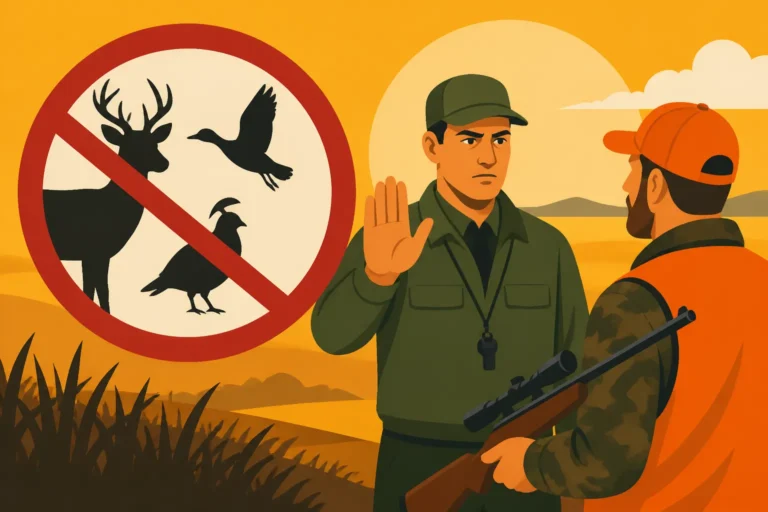
First and foremost, a hunter is expected to exercise reasonable care and judgment while in the field. This means following all safety instructions from your guide, being proficient with your chosen weapon, and understanding your own physical limitations. If your guide tells you to wear a safety harness in a treestand, it’s not just a suggestion; it’s a non-negotiable directive that impacts your well-being and, by extension, liability. Showing up unprepared, ignoring rules, or making reckless decisions can shift significant responsibility onto your shoulders, even in the event of an accident.
Think about it: if you're told explicitly not to load your firearm until you're in the stand, but you do so anyway and have an accidental discharge, that's a direct breach of safety protocol. Or perhaps you insist on trying a difficult shot you're not comfortable with, despite your guide's advice, and wound an animal that can't be recovered or, worse, injure someone. These scenarios highlight why your active participation in safety is paramount. The best guided hunts are a partnership, where the outfitter provides the expertise and the hunter provides the discipline and respect for the environment and the rules. For more general safety, always remember to have a Leaving a Trip Plan for a Public Hunt even when hunting with an outfitter.
Waivers and Assumption of Risk
Almost universally, when you book a guided hunt, you’ll be asked to sign a liability waiver. This document isn't just a formality; it’s a legal agreement acknowledging that hunting, by its very nature, carries inherent risks. You're signing to state that you understand and accept these risks – things like falls, encounters with wildlife, adverse weather conditions, or even minor injuries sustained during normal hunting activities. It doesn't mean the outfitter is absolved of all responsibility, but it does create a clear legal boundary.
A waiver typically protects the outfitter from claims arising from these inherent risks, provided they acted responsibly and didn't exhibit gross negligence. For example, if you slip on a muddy bank while walking to a stand, that might be considered an inherent risk of hunting. However, if the stand itself was improperly maintained, rotten, and collapsed because the outfitter failed to inspect it, that could move into the realm of negligence, which a standard waiver might not cover. It’s crucial to read these documents carefully, understanding what you are agreeing to, and asking for clarification on any points that seem unclear. While a guide might assume you have a basic understanding of hunting, you can always ask about Kansas Hunter Education and Licensing Basics if you have any questions about rules and safety.
What Outfitter Insurance Should Cover
Navigating the world of outfitter insurance can feel like trying to track a mature buck in a blizzard – confusing and full of hidden elements. However, understanding the different types of coverage an outfitter should ideally possess is key to protecting yourself and ensuring you're dealing with a legitimate, responsible operation. This isn't just about covering accidents; it's about protecting the business and, by extension, its clients.
General Liability Coverage
This is the bread and butter of any service-based business, including hunting outfitters. General liability insurance is designed to protect the outfitter from claims of bodily injury or property damage that occur to clients or third parties due to the outfitter's operations. Think of it as the foundational safety net. If a client falls from a ladder stand that was negligently set up by the guide, or if an outfitter's vehicle is involved in an accident while transporting hunters to a stand, general liability would typically kick in to cover medical expenses or property damage.
Without this coverage, an outfitter could face significant financial ruin from even a minor incident, which could then leave you, the client, with unaddressed medical bills or damages. It covers things that are part of the daily operation: slips, trips, falls, and injuries or damage resulting from the actions of the outfitter or their staff. It's a fundamental safeguard that shows the outfitter is taking their business and your safety seriously. This type of insurance is a minimum expectation for any professional outfitting operation, and it’s one of the first things you should inquire about.
Professional Liability Errors & Omissions
While less common than general liability, professional liability, often called "Errors and Omissions" (E&O) insurance, can be important for outfitters, especially those who provide extensive advice or detailed planning services. This type of coverage protects against financial losses incurred by clients due to professional mistakes, negligence, or omissions in the outfitter's advice or service. For instance, if an outfitter provides incorrect information about Kansas Deer Permits and the Nonresident Draw, leading a client to apply incorrectly and miss out on a tag, and that client can prove direct financial loss as a result, E&O might offer protection.
It’s about the quality of the professional service itself, not just physical accidents. If an outfitter consistently misjudges Wind and Thermals on a River Bank leading to blown hunts, it’s unlikely E&O would cover a "missed opportunity" because hunting success is inherently unpredictable. However, if they promised a specific type of hunting experience based on their expertise, and demonstrably failed to deliver due to poor professional judgment (e.g., booked you during a closed season or in a unit they weren't licensed for), then E&O could be relevant. It's a more specialized policy that speaks to the outfitter's commitment to the intellectual aspect of their service, not just the physical.
Property and Equipment Coverage
Beyond protecting against client injuries, a responsible outfitter also invests in insurance to cover their own assets. This includes their lodge, vehicles, hunting stands, ATVs, and other equipment essential to running their operation. While this directly protects the outfitter’s business, it indirectly benefits the client by ensuring the outfitter can continue to operate even after an unforeseen event. If a storm rips through Kansas and destroys treestands or damages a lodge, the outfitter's property insurance helps them rebuild and replace, rather than having to cancel hunts or go out of business.
It’s important to note that this coverage typically does not extend to your personal hunting gear. If your bow falls out of your truck or your expensive optics get damaged during the hunt, that responsibility generally falls on your personal homeowner's insurance or specialized gear insurance. However, knowing an outfitter has adequate property and equipment coverage signals a professional approach to their business, indicating they are financially stable enough to maintain quality operations. When discussing what a hunt includes, you might find details that touch on equipment provisions; a guide to What a Kansas Hunt Price Includes might shed more light on this.
Crucial Questions to Ask Your Outfitter
Booking a guided hunt in Kansas is a significant investment, both financially and emotionally. Don't leave your peace of mind to chance. Proactively asking the right questions about insurance and liability is a mark of a prepared hunter and helps you vet the professionalism of an outfitter. These questions aren't just about protecting yourself; they're about choosing an outfitter who takes their responsibilities seriously.
Verifying Insurance Status
Never assume an outfitter has adequate insurance. It's a legal and ethical expectation, but unfortunately, not all operations meet it. The most direct way to verify an outfitter's insurance status is to request a Certificate of Insurance (COI). This is a standard document issued by their insurance company that outlines the types of coverage, policy limits, and the effective dates. Don't be shy about asking for this before you put down a deposit. A reputable outfitter will be transparent and happy to provide it, as it showcases their professionalism.
When you receive the COI, look for key information: the outfitter's name matching the business you're booking with, the types of coverage (especially general liability), the policy limits (often listed as per-occurrence and aggregate limits), and the expiration date. If the policy is about to expire before your hunt, ask what their renewal process is. If an outfitter hesitates or refuses to provide a COI, consider that a major Red Flags When Booking in Kansas. It's a basic due diligence step that can save you a lot of headache down the road. For a broader look at vetting, check out Questions to Ask a Kansas Outfitter.
Understanding Policy Limits and Exclusions
Simply having "insurance" isn't enough; the devil is in the details of the policy limits and any exclusions. High policy limits indicate a strong level of protection for significant incidents, while very low limits might suggest minimal coverage that could quickly be exhausted in a serious accident. For example, a general liability policy might have a $1 million per-occurrence limit, meaning it would cover up to $1 million for a single incident. This is generally a good starting point for ensuring sufficient coverage.
Equally important are the exclusions. Insurance policies often contain clauses that specifically exclude certain activities or scenarios from coverage. For example, some policies might exclude coverage for specific types of equipment, or activities deemed exceptionally high-risk. If your hunt involves ATV use, ask if ATV-related incidents are covered. If you plan to hunt from elevated stands, confirm those are within the policy's scope. Understanding these nuances before you commit will help you manage your expectations and assess the genuine level of protection offered. It's not about being paranoid, but being informed.
Written Contracts and Terms
A verbal agreement on a handshake might work for some things, but a guided hunt is not one of them. Always insist on a detailed, written contract that clearly outlines all terms and conditions of your hunt, including liability and cancellation policies. This contract should reiterate what was discussed verbally and provide a solid reference point for both parties. It should spell out the services included, the duration of the hunt, the total cost, payment schedules, and, critically, explicit clauses regarding liability, waivers, and what happens in specific scenarios.
The contract is also where you'll find information about deposits and cancellation policies. For instance, what happens to your deposit if you need to cancel, or if the outfitter cancels due to unforeseen circumstances like severe weather or illness? A clear contract will outline refund policies, options to roll deposits over to a future season, or requirements for trip insurance. This protects both you and the outfitter. For more specific details on what to look for, refer to Outfitter Contracts and Deposits in Kansas. Booking platforms like BookYourHunt often facilitate these written agreements, adding another layer of clarity and transparency to the process.
Common Scenarios and What to Expect
Even with the best planning and precautions, unforeseen events can happen during a hunting trip. Understanding how an outfitter's insurance and liability policies typically handle common scenarios can provide a clearer picture of what to expect and empower you to respond effectively should something go awry. It's about preparedness, not pessimism.
Accidents in the Field
In the unfortunate event of an accident in the field, the immediate priority is always the safety and well-being of the injured party. The outfitter should have a clear emergency plan, including immediate first aid, communication protocols, and knowledge of the nearest medical facilities. From a liability standpoint, how the incident is handled thereafter depends heavily on the cause. If the accident was due to your own misstep, a breach of safety rules, or an inherent risk of hunting covered by your signed waiver, your medical expenses might fall under your personal health insurance.
However, if the accident can be directly attributed to the outfitter's negligence—for example, if a guide provided a faulty piece of safety equipment, or failed to secure a stand, or gave reckless instructions that led to injury—then their general liability insurance would likely come into play to cover your medical costs and other damages. It's a significant distinction, and why a clear understanding of the outfitter's responsibilities versus your own is so important. Make sure your outfitter can articulate their emergency plan clearly before the hunt begins.
Equipment Malfunctions and Damage
Equipment issues are another common concern. If you’re using your own bow, rifle, or gear, any damage to it generally falls under your personal responsibility. Your homeowner's insurance policy might offer some coverage for personal property, even away from home, so it’s worth checking your policy before you leave. However, if the outfitter provides equipment—like a treestand, ground blind, or an ATV for transportation—and that equipment malfunctions due to poor maintenance or a defect, leading to injury or further damage, then the outfitter's general liability or property insurance could be applicable.
For instance, if you're provided an old, rotting ladder stand that collapses, injuring you, that's likely on the outfitter. But if you carelessly drop your own rifle from a functional treestand, that’s on you. Always inspect any outfitter-provided equipment before use and report any concerns immediately. The contract should also clearly state who is responsible for damage to shared equipment, such as if a hunter accidentally damages an outfitter's ATV. Having an upfront conversation about these possibilities is always wise. It's good to know what you can expect when you’re out with a guide, especially when considering Hunter Density on a Kansas Lease and how many people might be using the same gear.
Trip Cancellation and Deposit Protection
Trip cancellations, whether by the hunter or the outfitter, are a major source of frustration. If you, the hunter, need to cancel due to unforeseen circumstances (illness, family emergency, etc.), the outfitter’s contract terms will dictate whether you forfeit your deposit, receive a partial refund, or can roll your hunt over to a future season. This is where personal travel or trip insurance can be invaluable, as it can protect your financial investment in the hunt against various personal emergencies.
If the outfitter cancels the hunt—perhaps due to a sudden illness, property issues, or unforeseen circumstances like widespread disease affecting local game populations—their contract should specify what happens. Reputable outfitters will usually offer a full refund or the option to reschedule your hunt for another date or even the following year. This is a critical point to clarify in your written agreement. Make sure you understand the nuances of Cancellation Terms on a Kansas Booking before you sign anything. While rare, an outfitter could even face financial ruin if their permits are unexpectedly pulled, though that's usually beyond their control. For larger outfits, platforms like BookYourHunt often have their own policies or guarantees in place that can add another layer of protection for bookings made through their system.
Finding Reputable Outfitters with Proper Coverage
The best defense against liability issues is offense – by carefully selecting a reputable outfitter in the first place. You want to align yourself with professionals who not only offer fantastic hunting opportunities but also operate with integrity, transparency, and the necessary safeguards. This proactive approach significantly reduces the chances of encountering problems and ensures a more enjoyable, stress-free Kansas hunting experience.
Utilizing Booking Platforms and Reviews
In today's digital age, resources like online booking platforms and review sites are powerful tools for vetting outfitters. Platforms such as BookYourHunt often perform a degree of pre-screening on the outfitters they list, ensuring they meet certain standards, including licensing and insurance requirements. While this doesn't replace your own due diligence, it's a good starting point. These platforms also host client reviews, which can provide invaluable insights into an outfitter's operations, guide professionalism, safety practices, and overall client satisfaction.
When sifting through reviews, look for consistent themes. Are there repeated comments about safety briefings, well-maintained equipment, or clear communication from the guides? Or do you see recurring complaints about disorganized operations, broken promises, or a lack of attention to client safety? Be wary of an outfitter with no online presence or reviews, as this can be a Red Flags When Booking in Kansas. While one negative review might be an outlier, a pattern often signals deeper issues. Furthermore, resources like GoHunt can offer general information about hunting areas and species, which can indirectly help you identify regions where established, reputable outfitters are likely to operate.
Direct Communication and Referrals
Beyond online research, direct communication with the outfitter is paramount. A phone conversation or even an in-person meeting (if feasible) allows you to gauge their professionalism, responsiveness, and willingness to answer all your questions thoroughly, including those about insurance and liability. Ask specific, detailed questions that go beyond just price and dates. For example, inquire about their safety protocols, what kind of emergency training their guides have, and their plan for medical emergencies in remote areas.
Furthermore, always ask for client references—and make sure to call them! Speaking with past clients is arguably one of the most effective ways to get an unfiltered perspective on an outfitter. Ask references about their overall experience, how the outfitter handled unexpected situations, if they felt safe, and if the outfitter was transparent about all aspects of the hunt, including contracts and any potential issues. A reputable outfitter will have a list of satisfied clients eager to share their positive experiences. This level of vetting is especially critical when Booking a Kansas Rut Hunt Early or any high-demand trip, as it often means a larger deposit and more planning involved.
Disclaimer
This article is for general informational purposes only and does not constitute professional advice. Laws, prices and regulations vary by location and change over time. Consult a qualified professional for guidance on your specific situation.