Reading Kansas Outfitter Success Rates
Trying to make sense of outfitter success rates can feel like deciphering a secret code, leaving you wondering if you're truly getting a clear picture of what a hunt with them would be like. It's frustrating to see high percentages advertised without understanding what they actually represent for your hunting goals. This guide will peel back the layers on Kansas outfitter success rates, helping you understand the nuances, ask the right questions, and ultimately make a more informed decision for your next big hunt.
Unpacking the "Success Rate" Jargon
When you start researching Kansas deer outfitters, you'll inevitably encounter claims of high "success rates." But what does that really mean? It’s rarely as straightforward as it sounds, and understanding the different interpretations is crucial. Many outfits use terms that sound impressive but can actually paint a rosier picture than reality for a hunter like yourself.
Kill Rate Versus Opportunity Rate
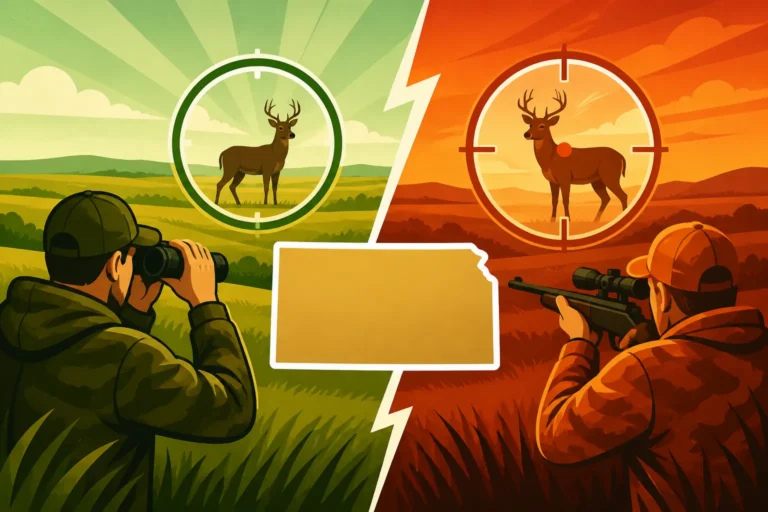
This is perhaps the biggest distinction you'll need to grasp. A "kill rate" (or harvest rate) refers to the percentage of hunters who actually harvested an animal. So, if an outfitter takes 10 hunters and 7 of them tag a deer, they have a 70% kill rate. Sounds pretty good, right? However, an "opportunity rate" is often much higher, and it only tells you the percentage of hunters who had a legitimate chance to harvest an animal. This means they saw a mature, shootable buck within their effective range, regardless of whether they pulled the trigger or connected.
For example, an outfitter might boast a 95% opportunity rate. This could mean that 95% of their clients saw a buck that met the outfitter's definition of "shootable." But if only 50% of those hunters actually tagged out, their kill rate is significantly lower. The difference between these two numbers can tell you a lot. A high opportunity rate with a lower kill rate often points to good scouting and ample deer on the property, but perhaps inexperienced hunters, or challenging hunting conditions, or strict individual hunter standards on what they'll shoot. Conversely, an outfit with a very high kill rate might have less challenging hunts or a more aggressive definition of a "shootable" animal. Always ask for both numbers, and clarify what "opportunity" truly entails for them (e.g., "a buck over 130 inches within 40 yards").
Defining a "Shootable" Animal
Another critical piece of the puzzle is how an outfitter defines a "shootable" animal. What one guide considers a mature, trophy-class buck, another might consider a young deer. Some outfitters have strict minimum antler size requirements or age class restrictions, often referred to as "score minimums" or "trophy fees" if you shoot below a certain score. This significantly impacts their reported success rates. An outfitter with a 140-inch minimum might have a lower kill rate than one with a 120-inch minimum, not because they have fewer deer, but because their criteria are tougher.
When you're talking to potential outfitters, don't be shy about asking exactly what their definition of a "shootable" buck is. Ask for photos of typical bucks harvested, or better yet, photos of bucks that wouldn't meet their criteria, so you understand the lower end of the spectrum. This conversation is essential for managing your own expectations. If you're a seasoned hunter looking for a true giant and the outfitter's idea of a "trophy" is a 120-inch 8-pointer, you might be setting yourself up for disappointment, even if their success rates sound fantastic on paper.
Beyond the Numbers: Crucial Questions to Ask
Simply looking at a percentage isn't enough. You need to dig deeper and ask pointed questions that reveal the context behind those numbers. A good outfitter will be transparent and willing to discuss these details openly. If they're evasive, that's often a red flag. When you’re researching, platforms like BookYourHunt often provide spaces for outfitters to detail their operations, and they also allow for hunter reviews, which can shed light on these very questions.
What Factors Influence Their Rates?
Several variables can heavily influence an outfitter's success rates, and understanding these will give you a more realistic expectation. One major factor is the type of hunt offered. Are they primarily archery, muzzleloader, or firearm hunts? Kansas Deer Season Dates by Weapon vary, and each season presents different challenges and opportunities. Generally, archery hunts, especially early season, might have lower kill rates due to warmer weather, dense foliage, and the inherent difficulty of bowhunting. Firearm seasons, on the other hand, often see higher success rates because of increased range and easier shot opportunities, though hunting pressure can also play a role.
Another factor is the specific time of year you're hunting. The Kansas Whitetail Hunting Tactics Through the Rut are often different from early or late season. Hunts during the peak rut usually have higher success rates because bucks are more active and less cautious. If an outfitter reports a 90% kill rate, ask them when that rate was achieved. Was it exclusively during the two best weeks of November, or does it encompass their entire season? An outfit specializing in rut hunts will naturally have higher success rates than one offering early-season archery only. Don't forget to ask about habitat type too; hunting big timber versus open crop fields in Kansas can present vastly different challenges and opportunities.
Hunter Density and Pressure
How many hunters does the outfitter take on their ground at one time? This is a critical question often overlooked. An outfitter might have thousands of acres, but if they pack in a dozen hunters every week, the deer quickly become educated and nocturnal. High hunter density, even on large tracts, can create significant pressure that makes deer much harder to hunt. On the other hand, a smaller operation that takes only a few hunters per week on comparable acreage might offer a higher quality, less pressured hunt, even if their overall "success rate" percentage is similar to the larger outfit.
Ask about their hunter-to-acre ratio and how they manage hunting pressure. Do they rest stands? Do they rotate hunters through different properties? Do they have a certain number of stands per hunter? Understanding how they control pressure will tell you a lot about the quality of the hunting experience. Remember, a higher success rate isn't always tied to more deer; sometimes, it's tied to less pressure and more strategic hunting by the outfitter. This also ties into Hunting Pressure Patterns on Kansas Public Land—private land outfitters often aim to reduce this pressure, but you need to verify how effectively they do so.
Interpreting Success: What Really Matters to You?
Ultimately, "success" is a personal definition. For some, it's punching a tag on a mature animal. For others, it's the experience itself—seeing deer, enjoying the camaraderie, and spending time in the Kansas outdoors. Don't let an outfitter's reported numbers overshadow your own hunting goals and preferences.
Kill Rate vs. Quality of the Experience
It's easy to get caught up in the allure of high kill rates, but a truly successful hunt involves much more than just pulling the trigger. Think about what kind of experience you're looking for. Do you want a challenging hunt where you earn every opportunity, or are you looking for a more relaxed trip with higher odds of tagging out? An outfitter might have a slightly lower kill rate but provide an incredible experience: comfortable lodging, fantastic food, knowledgeable guides, and genuinely fun camp atmosphere. Conversely, an outfitter with a sky-high kill rate might run a bare-bones operation where the focus is solely on getting a deer down, with little emphasis on the overall guest experience.
When researching, look for testimonials and reviews that speak to the entire hunt experience, not just the harvest. Platforms like GoHunt or specific hunting forums often feature detailed reviews from past clients, providing insights into the guides' professionalism, the quality of the food and lodging, and the overall atmosphere. A high-kill-rate outfit might be perfect if you're solely target-focused, but if you're seeking a memorable hunting vacation, consider outfits that consistently deliver on the "experience" factor, even if their kill rate is a few points lower. Asking about Tipping a Kansas Guide can also give you insight into camp culture and what's expected.
Managing Expectations for Trophy Potential
If your primary goal is to harvest a true trophy buck, you need to understand how outfitter success rates align with that specific objective. A general "kill rate" doesn't differentiate between a small buck and a record-book animal. An outfitter might have a 70% kill rate, but if only 10% of those deer are what you'd consider a "trophy," then their trophy success rate is actually much lower for your purposes. This is where asking about average antler scores and the quality of bucks harvested each year becomes paramount.
Ask for photos of bucks harvested over the last two or three seasons, specifically noting the general size class. Good outfitters will often share statistics on the average score of bucks harvested or the percentage of bucks taken over a certain size. Be realistic; big bucks are called trophies for a reason—they're hard to come by. No outfitter can guarantee a Boone and Crockett buck every time. An honest outfitter will tell you that while they have the potential, success depends on many variables, including the weather, the rut, and your own hunting skills. It's about opportunity for a true trophy, which often means being patient and passing on younger bucks, something that a high kill rate might not always reflect.
Vetting an Outfitter: Beyond the Brochure
The glossy brochures and captivating website photos are designed to entice you, but real vetting requires more legwork. You need to cross-reference information, talk to past clients, and ensure the outfitter's claims hold up under scrutiny.
Getting References and Checking Their Authenticity
Any reputable Kansas outfitter will gladly provide you with a list of references—past clients you can contact to discuss their experiences. This is a non-negotiable step in your vetting process. Don't just pick the first three names they give you; ask for a list of recent clients from the previous season, and try to get references from hunters who hunted similar dates or with similar weapon choices to your planned trip. This way, you get the most relevant feedback.
When you call these references, ask specific questions:
- Did the outfitter deliver on their promises?
- What was the actual hunt like day-to-day?
- How accurate were the success rates they quoted?
- What was the quality of the guides, lodging, and food?
- Would they hunt with this outfitter again?
- Did they feel pressured to shoot a smaller animal?
Pay close attention to any consistent themes that emerge from these conversations. If multiple references mention the same positive or negative aspects, those points likely carry significant weight. Be wary if an outfitter hesitates to provide references or only offers a few names from years past; it could be a sign they have something to hide. Websites like BookYourHunt also have verified reviews that can be a good starting point, but direct conversations with references are invaluable.
Understanding Contracts and Guarantees
Before you commit any money, make sure you thoroughly understand the outfitter's contract. This document should clearly outline the hunt dates, what's included (guides, lodging, meals, transportation during the hunt), the total cost, deposit amounts, and, importantly, their cancellation policy. Pay close attention to any language about "guarantees" or "success." Some outfitters might offer a "guaranteed opportunity" hunt, which means if you don't get a shot opportunity at a defined animal, you might get a partial refund or a discounted re-book. However, this is rare for wild whitetail hunts.
Be very skeptical of any outfitter that offers a "guaranteed kill." Ethical hunting for wild animals, especially free-ranging deer in Kansas, inherently involves variables beyond anyone's control (weather, deer movement, hunter skill). A "guaranteed kill" typically means one of two things: they're either misleading you, or they're operating in a fenced environment, which is not what most hunters are looking for in a wild Kansas deer hunt. Clarify what happens if you don't draw a Kansas nonresident deer permit if you're using an outfitter that helps with the draw process; some outfits allow you to roll over your deposit. A solid contract will protect both you and the outfitter, so read every word carefully.
The Long-Term View: What Makes an Outfitter Sustainable?
A truly great Kansas outfitter isn't just about the next hunt; they're invested in the long-term health of the deer herd and the quality of their hunting properties. This stewardship often translates into better hunting for their clients over time.
Habitat Management and Deer Quality
A significant indicator of a quality outfitter, even beyond immediate success rates, is their commitment to habitat management and improving deer quality. Do they manage their properties for long-term health and trophy potential, or are they just looking to harvest as many deer as possible each season? Ask about their management strategies:
- Do they plant food plots?
- Do they practice selective harvesting, passing on younger bucks to allow them to mature?
- What kind of cover is available on their properties?
- How do they manage doe numbers?
Outfitters who actively manage their land for quality deer habitat often create better hunting opportunities and attract bigger bucks over time. This includes things like establishing good bedding cover, providing diverse food sources, and maintaining water access, especially in drier parts of the state. Knowing they have a vested interest in the herd's health and growth tells you a lot about the sustained quality of their operation, which might include working with programs like CRP Grass and Where Bucks Bed.
Guide Experience and Ethical Practices
The experience and ethics of an outfitter's guides are just as important as the numbers. A guide can make or break your hunt. Are the guides knowledgeable about Scouting Kansas River Bottoms and Creek Draws or Milo and Corn Stubble Deer Patterns specific to the area? Do they understand deer behavior? Are they committed to ethical hunting practices and following all Kansas hunting regulations? Ask about the experience level of their guides and how long they've worked with the outfitter. A stable, experienced guide staff often indicates a well-run operation.
Good guides are patient, safety-conscious, and understand that every hunter has different skill levels and expectations. They should be there to enhance your hunt, not just bark orders. Furthermore, ensuring an outfitter operates ethically is paramount. Ask about their practices regarding baiting (which is often legal for private land in Kansas, but you might have personal preferences), shot selection, and recovery efforts. You want to align yourself with an outfitter who shares your values and prioritizes fair chase hunting and responsible game management. This commitment to ethics often leads to a more rewarding experience, regardless of whether you punch a tag.
| Success Rate Metric | Definition | Pros | Cons |
|---|---|---|---|
| Kill Rate | Percentage of hunters who harvested a deer. | Clear, quantifiable outcome; reflects actual deer taken. | Doesn't account for hunter skill, challenging conditions, or strict trophy goals; can be lower. |
| Opportunity Rate | Percentage of hunters who had a legitimate shot opportunity at a defined deer. | Shows presence of desired deer; indicates good scouting and abundant game. | Doesn't mean a deer was actually harvested; definition of "opportunity" can be vague and misleading. |
| Trophy Kill Rate | Percentage of hunters who harvested a deer meeting specific trophy criteria. | Most relevant for trophy hunters; focuses on quality over quantity. | Will always be lower than overall kill rate; difficult to verify without specific data from outfitter. |
| Return Client Rate | Percentage of hunters who re-book with the same outfitter. | Strong indicator of overall satisfaction and quality of experience. | Not a direct measure of harvest success; some hunters may re-book for the experience, not just deer. |
Disclaimer
This article is for general informational purposes only and does not constitute professional advice. Laws, prices and regulations vary by location and change over time. Consult a qualified professional for guidance on your specific situation.