Shipping Frozen Venison by Air
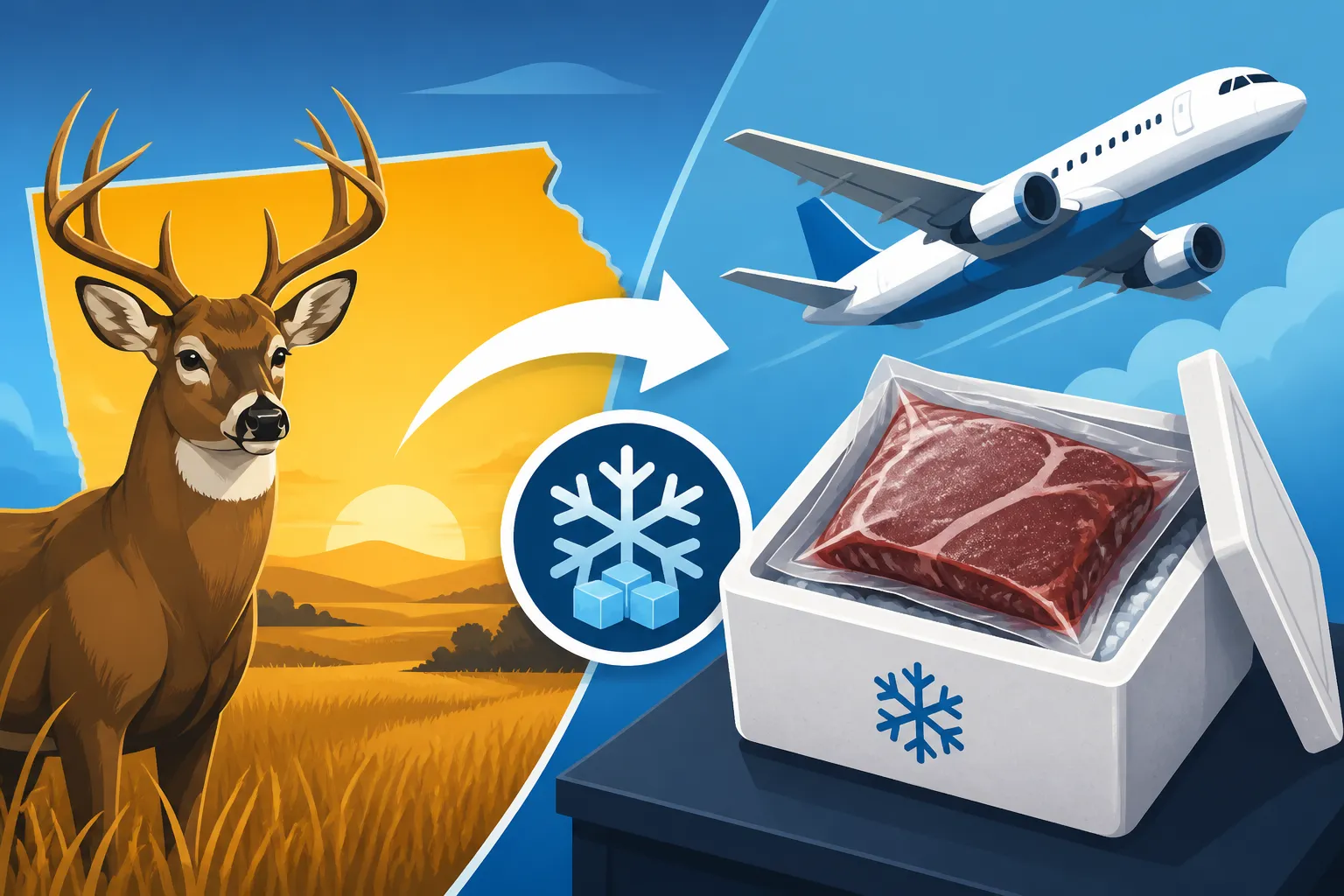
Successfully harvesting a deer in Kansas is a thrill, but for out-of-state hunters, the celebration often gives way to a pressing question: how do you get all that beautiful, hard-earned venison back home, especially when you're flying? The thought of navigating airport rules with coolers full of frozen meat can feel daunting, even impossible. This guide will meticulously walk you through the practical steps, regulations, and best practices for shipping frozen venison by air, ensuring your delicious harvest makes it safely from the Kansas plains to your dinner table.
The Logistics of Flying with Game Meat
Bringing your venison home after a successful Kansas hunt via air travel involves a lot more than just showing up at the airport with a cooler. There's a whole world of airline policies, packaging requirements, and state regulations that you need to be familiar with long before you even step foot in a locker plant. Overlooking any of these details can turn your dream hunt into a logistical nightmare, potentially leaving your meat behind or facing costly delays. This section breaks down the core logistical considerations to set you up for success.
Understanding Airline Regulations for Perishable Goods
Every airline has its own set of rules when it comes to flying with perishable items, especially meat and dry ice. These aren't just suggestions; they are strict guidelines enforced for safety and operational reasons. Before you even book your flight home, you absolutely must check the specific airline's policy on transporting frozen goods as checked baggage. Some airlines might be very accommodating, while others have stringent restrictions on things like cooler size, weight, and the use of dry ice. You might find that one carrier allows up to a certain amount of dry ice, while another limits it or prohibits it entirely. Don't assume that what worked on one trip or with one airline will work again.
These rules often cover not just dry ice, but also the total weight of the cooler and its contents. Most standard checked baggage allowances apply, meaning you'll need to stay within a typical 50-pound limit per bag to avoid hefty overweight fees. A good-sized cooler packed with frozen venison can easily exceed this, so plan on potentially checking multiple smaller coolers or being prepared to pay extra. It's also wise to check for any special handling fees for perishables, as some airlines might have them. Knowing these details upfront will help you choose the right airline and avoid any unpleasant surprises at the check-in counter.
Choosing the Right Shipping Container
The cooler you choose for shipping your venison is arguably one of the most critical decisions you'll make in this entire process. This isn't the time to grab the cheapest foam cooler from the grocery store. You need a container that can withstand the rigors of baggage handling, maintain freezing temperatures for an extended period, and prevent any leaks that could cause issues with the airline or other passengers' luggage. Think of it as an investment in getting your hard-earned meat home safely.
Roto-molded coolers, often referred to as "premium" or "high-performance" coolers, are typically the best choice. Brands like Yeti, RTIC, or Orca are popular for a reason: their superior insulation, durable construction, and tight-sealing lids are built for exactly this kind of task. They are designed to keep ice frozen for days, which translates to keeping your venison rock-solid for the duration of your travel. Ensure the cooler has sturdy latches and preferably a drain plug that can be securely sealed or taped shut to prevent accidental leakage. If you're considering multiple smaller coolers to manage weight, ensure they also meet these high standards.
Packing Your Venison for the Journey
Once you have your high-quality cooler, proper packing techniques are paramount. The goal is to keep the venison frozen solid from the moment it leaves the locker plant until it's safely tucked away in your freezer at home. Start by ensuring your venison is completely frozen – not just firm, but solid like a rock. If you've used a local processor, they should be able to ensure this. Then, double-bag all individual cuts or packages of meat in heavy-duty freezer bags. This is crucial for preventing any potential leaks as the meat slowly thaws. Even a tiny pinhole leak can cause problems, so a second layer of protection is always a good idea.
When placing the venison into the cooler, pack it as tightly as possible, leaving minimal air space. Air pockets allow for faster thawing. If you're using dry ice, place it on top of the meat, as cold air sinks. Remember, dry ice is extremely cold and can cause freezer burn if it's in direct contact with the meat for too long, so a layer of newspaper or cardboard between the dry ice and your top layer of meat is a wise precaution. Fill any remaining gaps in the cooler with crumpled newspaper, foam peanuts, or even old towels. This added insulation helps stabilize the temperature and prevents the contents from shifting around during transit. Finally, seal the cooler lid tightly, secure it with tape, and clearly label it with your name, contact information, and "FROZEN MEAT" and "DRY ICE" if applicable. For those who process their own deer, getting the deer cooled properly after the harvest, especially in warmer early season temperatures, is key to the meat's quality before it even gets to this stage. Getting a Deer Cooled in September is a good resource for initial meat handling.
Navigating Regulations and Restrictions for Meat Transport
Beyond the airline's specific rules, there's a labyrinth of state and federal regulations that govern the transport of game meat, particularly when crossing state lines. These rules are put in place to protect wildlife populations from diseases and to ensure legal harvesting practices. As hunters, it’s our responsibility to know and follow these guidelines to avoid legal trouble and do our part in wildlife conservation.
State-Specific Carcass Transport Rules
One of the most significant concerns when transporting deer meat across state lines is Chronic Wasting Disease (CWD). Kansas, like many states, has specific regulations designed to prevent the spread of this neurological disease. Generally, if you harvest a deer in a CWD management area, there are strict rules about what parts of the carcass you can transport out of that area, and often, out of the state entirely. Often, only deboned meat, clean skull plates (antlers attached, no brain tissue), capes (without skull or spinal column), and finished taxidermy mounts are permitted to cross state lines. Whole carcasses, spinal columns, and brain matter are usually prohibited.
Before you leave Kansas, double-check the latest Kansas Department of Wildlife, Parks and Tourism (KDWP) regulations, especially if your hunt took place in a known CWD unit. Ignorance of the law is never an excuse, and violating these rules can lead to significant fines or even confiscation of your hard-earned venison. Your local game processor will usually be well-versed in these rules and can help ensure your venison is prepared in a compliant manner. It's a small price to pay for peace of mind, knowing your meat is processed according to both food safety and disease prevention standards. For more specific details, consult resources like Kansas CWD Testing and Carcass Rules. Understanding these rules is an essential part of getting your meat home without issue.
Airline-Specific Dry Ice and Cooler Guidelines
While we touched on airline policies earlier, it’s worth reiterating the specifics concerning dry ice. Dry ice (solid carbon dioxide) is excellent for keeping things frozen because it sublimates (turns directly from solid to gas) rather than melting into a liquid, which keeps everything dry. However, because it releases carbon dioxide gas, it's classified as a hazardous material by airlines and has strict transport guidelines. Most airlines allow dry ice as checked baggage, but there's almost always a weight limit, typically around 5.5 pounds (2.5 kg) per passenger. This amount is usually sufficient for a cooler packed with venison for a cross-country flight, but you'll need to plan accordingly.
Crucially, any cooler containing dry ice must be vented. The sublimation of dry ice creates pressure, and a completely sealed container can burst. This means the cooler cannot be airtight; it needs a small opening or a loosely sealed lid to allow the gas to escape. Often, airlines require specific labeling for coolers containing dry ice, indicating the contents and the net weight of the dry ice. Always confirm these details with your specific airline and be prepared to declare the dry ice at check-in. Failing to follow these rules could result in your cooler being refused, creating a major headache right before your flight.
Interstate Carcass Transport Restrictions
Even if you've followed CWD regulations and airline dry ice rules, you also need to be aware of the receiving state's regulations. Some states have their own specific rules about importing game meat, particularly from states with known CWD prevalence. It's less common for deboned meat to be restricted, but it's always prudent to check the wildlife agency website of your home state to ensure you won't encounter any issues upon arrival. This step is especially important for those traveling from a CWD-endemic area of Kansas. The general rule of thumb is: if it's deboned and in a proper cooler, you're usually fine, but a quick check can prevent unexpected problems.
The goal is to ensure a smooth, legal journey for your hard-won venison. For comprehensive guidance on cross-state transportation, including specifics on which parts are generally permitted, take a look at Carcass Transport Across State Lines. This information is invaluable for preventing issues with game wardens or state agricultural agencies, ensuring your hunting trip remains a fond memory rather than a regulatory nightmare.
Practical Steps for a Smooth Shipping Experience
Getting your venison home isn't just about knowing the rules; it's about executing a well-thought-out plan. From pre-trip preparations to what happens when you land, every step contributes to the success of your meat's journey. Being proactive and organized will significantly reduce stress and increase the likelihood that your frozen harvest arrives perfectly intact.
Pre-Trip Planning and Preparation
The success of shipping your venison by air largely depends on the groundwork you lay before your hunt even begins. When you're busy researching potential hunting areas, perhaps using a tool like GoHunt to analyze deer units or Kansas Deer Units 1 Through 19, you should also be thinking about your exit strategy for the meat. Start by researching the airlines you plan to use for your return trip and meticulously record their perishable goods and dry ice policies. Knowing these details will help you choose the best flight times and make contingency plans. Also, identify local processing facilities near your hunting area in Kansas. A good locker plant will be experienced in preparing meat for travel and can ensure it's properly deboned, packaged, and frozen solid. Locker Plants During Firearm Season offers insights into what to expect from these facilities.
Ensure you have all the necessary supplies well in advance: your high-quality shipping cooler(s), heavy-duty freezer bags, strong packing tape, permanent markers for labeling, and a reliable source for dry ice. Dry ice can sometimes be tricky to find in rural areas, so locate a supplier ahead of time – often grocery stores or welding supply shops carry it. Coordinate with your chosen processor to ensure your venison will be frozen solid by your departure date and time. It's often best to allow an extra day or two for thorough freezing. Consider potential travel delays, too; a well-packed cooler should be able to withstand a few hours of unexpected layovers or missed connections without compromising the meat.
Airport Procedures and What to Expect
Checking in with frozen venison and dry ice requires a bit more time and attention than a typical suitcase. Plan to arrive at the airport earlier than you normally would – at least an extra hour before your scheduled departure time is a good buffer. This allows for any unexpected questions or procedures at the check-in counter. When you approach the counter, immediately declare that you are checking a cooler with frozen perishable goods and that it contains dry ice, if applicable. Be prepared to state the net weight of the dry ice, which should be clearly labeled on the cooler. The airline staff will likely confirm the weight and ensure your cooler is properly vented.
You may be asked to open the cooler for inspection, so make sure your packaging is easy to access if needed, though this is less common with thoroughly packed and sealed coolers. TSA agents primarily focus on security threats, and properly declared dry ice for frozen food rarely raises significant concerns beyond routine checks. After check-in, the cooler will proceed like any other checked bag. While it's out of your hands at this point, you can have confidence that your preparation will pay off. Your hard work in the field and diligent planning will ensure your venison is treated with care through the baggage system. For those who used an outfitter, perhaps found through BookYourHunt, they might offer assistance with this final step, but it's always your responsibility to know the rules.
Post-Arrival Handling
The journey isn't truly over until your venison is safely stashed in your home freezer. Upon arrival at your destination, head directly to the baggage claim. Retrieve your cooler promptly to minimize its time in uncontrolled temperatures. Once you have it, transport it immediately to your vehicle and then straight home to your freezer. Avoid any unnecessary stops or delays that could expose the meat to thawing conditions.
Once home, inspect the contents of the cooler. The venison should still be frozen solid, or at least mostly frozen with a slight give at the edges. If any packages have partially thawed, plan to cook and consume that meat within a day or two, or refreeze it if it's still very cold and firm. While a good cooler and proper packing should prevent significant thawing, it's always wise to assume some minimal temperature fluctuation during air travel. Reorganize your freezer at home to accommodate your new bounty of Kansas venison, ensuring it's stored efficiently for long-term freshness. Taking these final steps diligently ensures that all your efforts, from the scouting to the shot, culminate in delicious meals for months to come. And don't forget your legal obligations; remember to meet the Kansas Deer Harvest Reporting Deadline once you've successfully brought your deer home.
Alternatives to Flying with Meat
While flying with your frozen venison is often the most convenient option for out-of-state hunters, it's not the only way to get your harvest home. Depending on your circumstances, budget, and destination, other methods might be more practical or cost-effective. Exploring these alternatives can provide peace of mind and flexibility, especially if airline restrictions seem too daunting or the cost too high.
Shipping Through Commercial Freight
For those who find airline restrictions too complex, or who simply prefer not to deal with coolers at the airport, commercial freight services offer a viable alternative. Companies like UPS and FedEx offer specialized shipping services for perishable goods, often involving insulated containers and expedited shipping options. These services can be expensive, sometimes significantly more so than checking an extra bag on an airplane, but they come with advantages. They often have fewer stringent requirements for dry ice weight or cooler venting, and the package is handled by professionals specifically trained in perishable logistics.
You would typically drop off your pre-packed and frozen venison at a service center, and it would be shipped directly to your home. This can be a great option if you've harvested a large amount of meat and multiple airline-checked coolers would become unwieldy or cost-prohibitive due to overweight fees. However, you'll still need to ensure your meat is thoroughly frozen and properly packaged in a robust cooler to withstand transit. Always get a clear quote and understand their specific packaging and labeling requirements before committing. Consider this option if you need to ship significant quantities of meat or desire a hands-off approach after the initial packing. For a deeper dive into the cost and benefits of various methods, consider Coolers Versus Freight Shipping.
Driving Home with a Cooler
If your hunting destination in Kansas isn't too far from home, or if you've planned a road trip rather than flying, driving your venison home in a cooler is often the simplest and most cost-effective method. The key here is proper cooler management and consistent temperature control. Use the same high-quality coolers and packing techniques as you would for air travel: completely frozen venison, double-bagged, and packed tightly with minimal air space. Fill any remaining voids with additional insulation.
For longer drives, you'll likely need to replenish your ice or dry ice supply along the way. Planning your route to include stops at towns with grocery stores or other dry ice suppliers is essential. Keep the cooler out of direct sunlight in your vehicle, and ideally, cover it with a blanket or sleeping bag for extra insulation. The beauty of driving is that you have more control over the transport environment and can often bring more meat without the weight restrictions of air travel. This can be particularly appealing if you filled multiple Kansas Antlerless Hunts and Filling the Freezer tags and have a lot of meat.
Local Processing and Donation
Sometimes, despite all the planning, circumstances might make transporting your venison by air or even by road impractical or impossible. Perhaps you underestimated the logistics, your flight plans changed drastically, or the cost became prohibitive. In such cases, local processing and donation can be a responsible and fulfilling alternative. Many areas in Kansas have programs that accept venison donations for local food banks or charities. This ensures that the meat doesn't go to waste and provides healthy protein to those in need.
Working with a local processor to prepare your venison for donation is usually a straightforward process. They'll handle all the cuts and packaging, and often have direct connections with donation programs. While it might be disappointing not to bring your harvest home, knowing that your venison will feed others can be a great source of satisfaction. It's a pragmatic solution that honors the animal and contributes positively to the community, making sure your hunt wasn't just about the experience, but also about giving back. Plus, it completely removes the headache of interstate transport or airport logistics.
Venison Shipping Checklist
| Item Category | Specific Items Needed | Notes |
|---|---|---|
| Containers | High-quality roto-molded cooler(s) | Durable, excellent insulation, tight seal. |
| Heavy-duty freezer bags (at least 2 per package of meat) | Prevents leaks, protects meat. | |
| Insulation & Freezing | Completely frozen venison (solid like a rock) | Essential for maintaining temperature. |
| Dry ice (if permitted by airline) | Typically 5.5 lbs limit; place on top of meat. | |
| Newspaper, foam peanuts, or towels | Fills gaps for insulation, prevents shifting. | |
| Securing & Labeling | Strong packing tape | Secures lid, reinforces drainage plug. |
| Permanent marker | For labeling cooler with contents, name, contact. | |
| "FROZEN FOOD" and "DRY ICE" labels (if applicable) | Mandatory for airline compliance. | |
| Documentation & Info | Airline's perishable/dry ice policy (printed or screenshot) | For reference at check-in. |
| KDWP carcass transport rules (printed or screenshot) | Especially for CWD units or interstate travel. | |
| Home state's game import regulations (if applicable) | For peace of mind upon arrival. | |
| Travel Day Prep | Extra time for airport check-in | Account for potential inspections or questions. |
| Plan for immediate transport to home freezer upon arrival | Minimize exposure to thawing temperatures. |
Disclaimer
This article is for general informational purposes only and does not constitute professional advice. Laws, prices and regulations vary by location and change over time. Consult a qualified professional for guidance on your specific situation.