Preserve Versus Wild Bird Hunts
Deciding where to chase upland birds in Kansas can be a real head-scratcher. Do you dive headfirst into the challenge of chasing wild pheasants and quail across vast expanses of public land, or do you opt for the more controlled, often higher-success experience of a hunting preserve? Both options offer unique thrills and their own sets of considerations, and understanding the core differences is key to planning a hunt that truly fits what you're looking for. This guide will walk you through everything you need to know about preserve versus wild bird hunts in Kansas, helping you weigh the pros and cons to make the best choice for your next adventure.
Understanding Wild Bird Hunting in Kansas
For many, wild bird hunting represents the quintessential outdoor experience. It's about connecting with nature, understanding the subtle nuances of the landscape, and earning every bird you put in the vest. But it's also about managing expectations, especially in a state like Kansas where populations can ebb and flow.
The Thrill and Challenge of the Wild
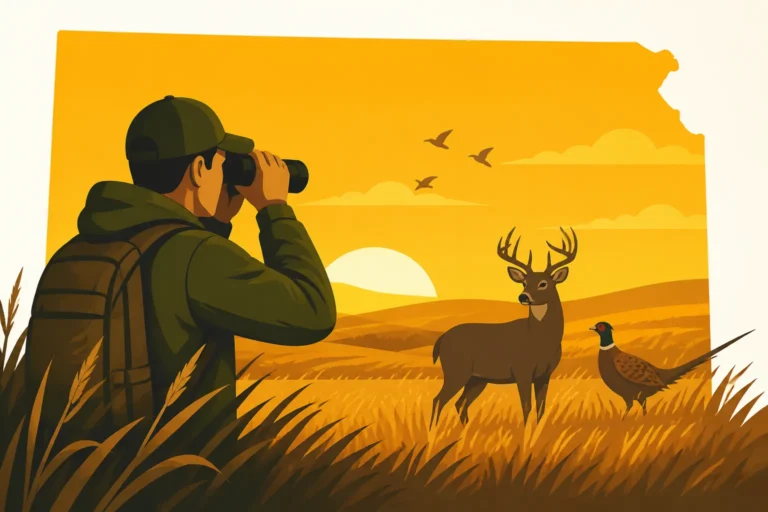
There's an undeniable magic to pursuing wild pheasants, bobwhite quail, or even the elusive prairie chickens in their natural habitat. Each cackle of a flushing rooster or explosive covey rise of quail feels earned, a direct result of your scouting, your dog's skill, and your perseverance. This isn't just a hunt; it's an immersive experience where you're constantly reading the wind, the cover, and the subtle signs that a bird might be holding tight just ahead. The vastness of the Kansas landscape, from the golden CRP fields to the plum thickets, creates an ever-changing puzzle that demands your full attention and effort.
The unpredictability is a huge part of the appeal. You might walk for miles, seeing little, only to stumble into a honey hole that produces multiple flushes. This element of surprise and the sheer effort involved make the reward of a wild bird in hand all the more satisfying. It's a hunt that tests your grit and often builds camaraderie with your hunting partners, as you navigate challenging terrain and celebrate hard-won successes together. It's truly a test of hunter and dog working as a cohesive unit.
Kansas offers some fantastic opportunities for wild bird hunting, from the western pheasant strongholds to the central and eastern quail counties. Understanding the habitats and typical behaviors of these birds in a truly wild setting is a constant learning process that keeps hunters coming back year after year.
Realities of Wild Bird Populations and Access
While the romance of wild bird hunting is strong, it’s important to acknowledge the realities, especially concerning bird populations and access to good hunting ground. Wild bird numbers, particularly pheasants and quail, are heavily influenced by environmental factors such as rainfall, nesting success, and winter severity. A harsh winter or a prolonged drought during nesting season can significantly impact the number of birds available for the fall hunting season. Hunters often track Kansas Pheasant Population Cycles and Quail Numbers After a Wet Spring to gauge their chances. This means that success rates can vary wildly from year to year, and even from week to week within a season.
Another significant hurdle for wild bird hunters, especially those new to Kansas or without private land connections, is access. While Kansas offers an excellent Walk-In Hunting Access (WIHA) program, these public access lands can also experience considerable hunting pressure. Finding unpressured ground, particularly on weekends or early in the season, often requires extensive scouting, patience, and a willingness to hike far from easy access points. Understanding Kansas WIHA Acres and Enrollment is crucial for planning. For those without dogs, working these large tracts efficiently can be even more challenging, though it's certainly possible with Working Pheasant Fields Without a Dog tactics.
The sheer amount of time required for a successful wild bird hunt shouldn't be underestimated. This isn't just the time spent with boots on the ground, but also the hours dedicated to E-scouting, driving to locations, and often battling other hunters for prime spots. It's a commitment that pays off in unique ways, but it demands a different kind of dedication than a more structured preserve hunt.
Costs and DIY Considerations
When considering wild bird hunting, many assume it’s the cheaper option compared to a guided preserve hunt. And in terms of direct, upfront costs, they're often right. You'll need your Kansas Hunting Licence and Permit Costs, appropriate tags for the species you're pursuing, gas for your vehicle, and your own gear – shotgun, shells, vest, and good boots. If you have your own dog, the biggest ongoing cost will be its feed and veterinary care, which are year-round expenses regardless of how often you hunt. These are all expenses you control.
However, it's easy to overlook the "hidden" costs associated with a DIY wild bird hunt. The biggest one is often time. The hours spent researching, scouting new areas on the Kansas Online Hunting Atlas, and driving to potentially distant locations can add up significantly. There's also the wear and tear on your vehicle, your gear, and your body from covering miles of tough terrain. If you don't have a dog, or if your dog is young and still learning, you might spend more time searching for downed birds or working through unproductive cover. This "cost" of inefficiency is part of the wild bird hunting experience, and it's something that experienced hunters learn to embrace as part of the challenge.
While the daily cost might be lower, the overall investment in terms of preparation and effort is substantial. For some, this investment is precisely what makes the hunt so rewarding. For others, particularly those with limited time or who are new to the sport, the lower "cost" might come with a higher degree of frustration and lower success rates than anticipated. It's a balance of economic investment versus personal investment of time and energy.
Exploring Preserve Hunting in Kansas
Hunting preserves offer a very different, yet equally valid, avenue for experiencing the thrill of upland bird hunting in Kansas. These operations are designed to provide a more consistent and accessible hunting experience, often appealing to different needs and skill levels.
The Controlled Environment and Higher Success Rates
The fundamental difference with a hunting preserve is the controlled environment. These are privately managed lands where game birds—most commonly pheasants, chukar, and quail—are raised and released specifically for hunting. This means that, unlike wild bird hunting where success depends on fluctuating natural populations and finding unpressured birds, preserves can essentially guarantee opportunities to flush and shoot birds. This higher success rate is a major draw for many hunters, especially those who value consistent action over the unpredictable nature of wild birds.
Preserves offer a fantastic environment for new hunters to learn the ropes without the pressure of having to find birds in vast, open country. The focus shifts from extensive scouting to honing shooting skills, working with a dog, and understanding bird behavior in a more predictable setting. Similarly, for experienced hunters, preserves provide an excellent venue for training young dogs, getting a high volume of flushes to sharpen a dog’s skills, or simply enjoying a relaxing day in the field without the intense physical demands of covering miles of ground for potentially few birds. Many preserves also offer a variety of bird species, sometimes including birds not naturally found in Kansas, like chukar, providing a unique hunting experience.
Ultimately, a preserve hunt is about opportunity. It removes many of the variables that make wild bird hunting challenging, allowing hunters to focus on the immediate act of the hunt itself. You know there are birds there, and with a good dog and reasonable shooting, you're likely to take home some game.
Typical Preserve Operations and Offerings
Kansas hunting preserves are designed to cater to a range of hunters, from individuals to corporate groups, and they offer a variety of services to enhance the experience. Most preserves offer "walk-up" hunts, where you and your party, often with a guide and their dogs, walk through cover to flush birds. Some larger operations might also offer "driven" hunts, a more traditional European style where birds are pushed towards waiting guns. Many preserves provide seasoned hunting guides and well-trained dogs, which is a huge benefit for hunters who don't own a bird dog or whose dogs are still in training. This means you don't have to worry about your dog's performance or finding an experienced handler; it's all part of the package.
Beyond the hunt itself, many preserves offer comprehensive packages that can include everything from field transportation and bird cleaning to meals and comfortable lodging. Imagine finishing a morning hunt, heading back to a warm lodge for a hearty lunch, and then perhaps heading out for an afternoon session or just relaxing by the fire. For hunters traveling from a distance, or those looking for a complete, hassle-free experience, these amenities are incredibly appealing. Services like BookYourHunt are excellent resources for finding and comparing various preserve offerings across Kansas, making it easier to book a hunt that matches your group size and desired amenities.
The focus on customer service and convenience is a hallmark of preserve operations. They understand that hunters are looking for a quality experience that's both enjoyable and productive. This can be a stark contrast to the often rugged and self-reliant nature of wild bird hunting, where you're solely responsible for every aspect of your trip. For a more detailed breakdown, you might want to look into Preserve Bird Hunts and How They Differ.
Financial Aspects and Expectations
One of the most significant differences between preserve and wild bird hunting lies in the financial aspect. Preserve hunts typically come with a higher upfront cost per day or per bird. You're paying for the convenience, the guaranteed birds, the managed habitat, and often the services of a guide and dogs, along with amenities like lodging and meals. These are all bundled into a package price. While the number can seem daunting compared to just buying a license for a DIY wild bird hunt, it's important to view it as an all-inclusive experience with predictable costs.
Unlike wild bird hunting, where success isn't guaranteed despite your efforts and expenses, a preserve hunt offers a much higher likelihood of shooting birds. This means your investment often translates directly into birds in the bag. There are no "hidden" costs of scouting unproductive ground or driving hundreds of miles for minimal flushes. The price you pay covers the full experience, from the moment you arrive until you leave with your cleaned birds. Some preserves might have additional fees, such as trophy fees for specific birds or extra charges for excessive bird limits, so it's always wise to clarify what's included in your package before booking.
For those who have limited time off, who want to introduce new hunters to the sport, or who simply want a guaranteed day of action, the financial model of a preserve hunt can be very attractive. You know exactly what you're getting for your money, and the return on investment, in terms of birds and enjoyment, is generally very high. It removes much of the uncertainty and potential disappointment that can sometimes accompany wild bird pursuits, offering a reliable and enjoyable day in the field.
Key Differences and Making Your Choice
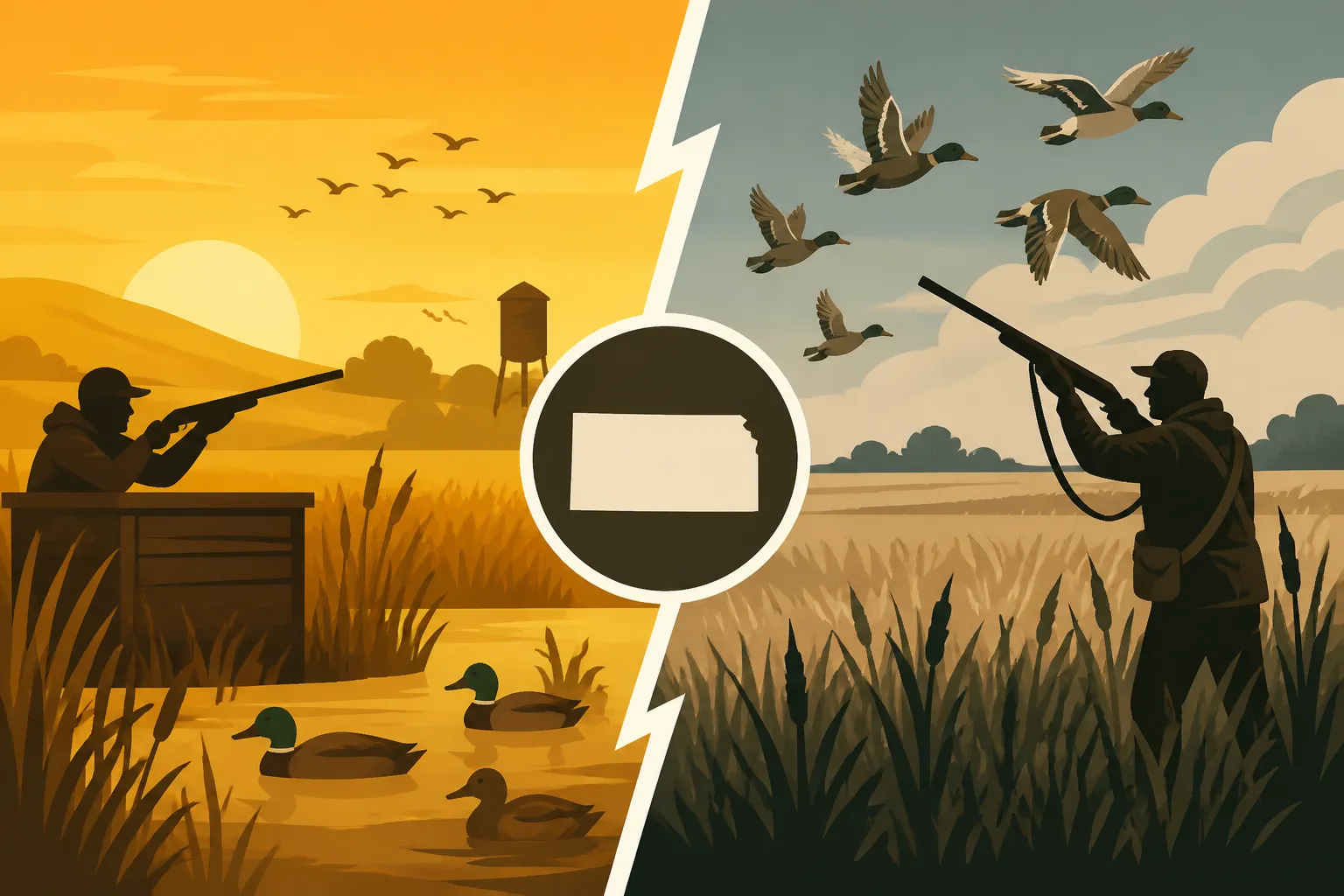
Ultimately, the choice between preserve and wild bird hunting isn't about one being inherently "better" than the other. It's about what you, as a hunter, are seeking from your outdoor experience. Both offer incredible memories, but they deliver them in distinct ways.
The Experience: Authenticity vs. Opportunity
The core difference often boils down to the nature of the experience itself. Wild bird hunting, for many, is about the pursuit of authenticity. It's the raw, unscripted challenge of finding truly wild game in vast landscapes. The success you achieve feels hard-won and deeply satisfying because you've pitted your skills, knowledge, and endurance against nature's variables. It's about the entire journey: the hours of E-scouting, reading the subtle signs in the field, enduring tough conditions, and the profound connection to the land and its wild inhabitants. When a wild pheasant cackles up from a CRP Grass and Where Bucks Bed field you've walked for hours, it's a moment of pure, unadulterated triumph.
On the other hand, preserve hunting focuses heavily on the opportunity for action. It’s designed to maximize bird contacts, making it an excellent choice for those primarily interested in shooting, dog training, or enjoying a social hunt with friends or family without the unpredictable nature of wild birds. While not strictly "wild," the experience of working dogs through cover and watching birds flush is still incredibly exhilarating. It's about the immediate joy of the hunt, the camaraderie in the field, and a more relaxed atmosphere where the focus is less on finding the birds and more on the interaction with them. It can be a fantastic way to introduce new hunters to the sport, ensuring they have a positive, action-filled first experience.
Your choice should align with your personal hunting goals. Are you looking for a deep, challenging, and often solitary or small-group immersion in the wild, where success is a bonus? Or are you seeking consistent action, a more social environment, and guaranteed opportunities to work your dog and fill your vest? There's no wrong answer, just different paths to enjoyment.
Skill Development and Dog Training
Both types of hunts offer opportunities for skill development, but they cater to different stages and types of learning. Preserve hunts are an invaluable tool for dog training, especially for young or inexperienced bird dogs. The guaranteed bird contacts allow a dog to gain crucial experience with flushing, holding point, and retrieving in a controlled environment. This consistent exposure helps build confidence and refine skills much faster than sporadic encounters with wild birds. For hunters, preserves are great for improving shooting consistency, practicing various shot angles, and learning to read dog behavior in flushing scenarios. It's a lower-stakes environment where mistakes are less impactful on the overall success of the day.
Wild bird hunting, conversely, is where advanced skills are truly honed. This is where a dog learns to be a true "bird finder" – working scent lines through varied and often sparse cover, understanding wind currents, and handling the unpredictable movements of truly wild birds. For the hunter, it develops keen observational skills, the ability to read terrain for Best Stand Locations in Flat Farm Country for birds, adapt to changing weather conditions, and exercise patience and perseverance. It teaches you to cherish every bird because you know how much effort went into finding it. Scouting public land for prime pheasant habitat, like those productive Milo and Corn Stubble Deer Patterns that also hold birds, becomes a skill in itself.
Many experienced bird hunters advocate for a blend of both: using preserves for early-season warm-ups or intensive dog training, then transitioning to wild bird hunting once the dog is sharp and ready for the real challenge. This approach allows hunters and their dogs to benefit from the advantages of each type of environment.
Logistics and Planning
The logistical differences between preserve and wild bird hunting are perhaps the most stark. Planning a wild bird hunt in Kansas, especially on public land or without established private land access, requires significant upfront effort. This involves researching various Kansas Upland Bird Season Dates and Limits, studying maps to find WIHA tracts or Kansas State Wildlife Areas and understanding their specific rules, scouting potential areas (often remotely via apps like GoHunt), monitoring weather patterns, and being prepared for the unexpected. You're responsible for all aspects of the hunt, from navigating to the specific field to packing all your own supplies and game retrieval.
| Feature | Wild Bird Hunting | Preserve Hunting |
|---|---|---|
| Bird Availability | Dependent on natural populations, weather, habitat | Consistent, birds stocked and managed |
| Success Rate | Variable, often lower, highly dependent on skill and luck | High, consistent opportunities |
| Cost | Lower direct upfront (license, gas, shells), higher "hidden" (time, scouting) | Higher upfront (package price), predictable and inclusive |
| Effort Required | High (scouting, walking, adapting to conditions) | Lower (show up, hunt, amenities often included) |
| Experience Focus | Authenticity, challenge, immersion, self-reliance | Opportunity, action, social, convenience, dog training |
| Dog Training | Advanced field skills, finding wild birds | Foundational skills, high volume flushes, confidence |
| Planning | Extensive research, mapping, weather monitoring, DIY | Booking a date, showing up, services provided |
| Access | Public land (WIHA, state areas) or private permission | Private, managed grounds |
Conversely, planning a preserve hunt is relatively straightforward. Once you've chosen a preserve, often with the help of platforms like BookYourHunt, it's primarily about booking your desired date and showing up. The preserve handles the birds, guides, dogs (if you choose), and often the lodging and meals. This significantly reduces the logistical burden on the hunter, allowing more focus on the immediate enjoyment of the hunt itself. It's a "turn-key" experience, perfect for those who want a quality hunt without the extensive pre-trip preparation. For this reason, many hunters looking for Kansas Pheasant and Quail Hunt Packages will start their search with preserves.
The choice between preserve and wild bird hunting really boils down to your personal priorities: how much time you have for planning and execution, your budget, your desire for raw challenge versus guaranteed action, and your stage of hunter or dog development. Kansas offers excellent options for both, ensuring that every upland hunter can find an experience that resonates with them.
Disclaimer
This article is for general informational purposes only and does not constitute professional advice. Laws, prices and regulations vary by location and change over time. Consult a qualified professional for guidance on your specific situation.