Kansas CWD Testing and Carcass Rules
The moment you pull the trigger and your deer hits the ground in Kansas, a wave of emotions washes over you – excitement, relief, and maybe a touch of awe. But in today's hunting landscape, that joy is often quickly followed by a practical, sometimes unsettling, question: what about Chronic Wasting Disease (CWD)? The thought of CWD can be daunting, bringing concerns about testing, carcass handling, and how to stay compliant with state regulations. This comprehensive guide is here to cut through the confusion, walking you through everything you need to know about Kansas's CWD testing protocols and the essential rules for managing your deer carcass, ensuring you can enjoy your harvest responsibly and with peace of mind.
Understanding Chronic Wasting Disease (CWD) in Kansas
CWD is a serious concern for deer hunters and wildlife managers alike, and it's something every hunter needs to be aware of when heading out into the Kansas wilds. It’s not just a buzzword; it’s a genuine threat that impacts the long-term health of our beloved whitetail and mule deer populations.
What CWD Is and How It Spreads
At its core, CWD is a neurological disease that affects cervids – that's deer, elk, moose, and caribou. It's caused by abnormal proteins called prions, which accumulate in the brain and nervous system, eventually leading to degeneration and always proving fatal. Think of it as a slow, insidious process that takes years to manifest, during which time an infected animal might appear perfectly healthy. Symptoms, when they do appear, include drastic weight loss, stumbling, listlessness, excessive drooling, and a general lack of fear of humans. It's a heartbreaking sight to see an animal suffering from it.
The tricky part about CWD is how it spreads. It's highly contagious within cervid populations. Prions can be shed through saliva, urine, and feces, and they can persist in the environment for a very long time, even years. This means that deer can pick it up from contaminated soil, plants, or even directly from other infected animals through close contact. This environmental persistence is what makes CWD so challenging to manage and contain, as areas where infected deer have congregated can become "hot zones" for transmission to new animals.
CWD's Presence in Kansas
CWD isn't a new phenomenon in Kansas; it's something the Kansas Department of Wildlife and Parks (KDWP) has been actively monitoring for years. The first positive CWD case in a wild Kansas deer was confirmed back in 2005. Since then, the disease has slowly but steadily spread, primarily in the western and north-central parts of the state, though cases have also popped up in eastern counties. KDWP conducts ongoing surveillance, collecting samples from harvested deer and road-killed animals to track the disease's prevalence and geographic spread. You can often find detailed maps and harvest reports on their website, which can be invaluable when trying to understand the disease's distribution, especially if you're using tools like GoHunt to scout potential hunting areas and want to double-check disease prevalence information. Staying informed about the latest data is crucial for responsible hunting. For deeper insights into the overall health of the deer population, you might want to review the KDWP’s data on Kansas Deer Harvest Survey Data in Kansas.
Why CWD Matters to Hunters
For us hunters, CWD isn't just a biological curiosity; it has profound implications for our sport and our connection to nature. First and foremost, it’s about the health of the herd. An unchecked spread of CWD could lead to declining deer populations and a diminished quality of hunting over time. No one wants to see fewer deer or smaller bucks in their favorite spots.
Secondly, there's the personal aspect. While the Centers for Disease Control and Prevention (CDC) advises against consuming meat from CWD-positive animals, there have been no documented cases of CWD transmitting to humans. However, the potential risk is real enough that most hunters want to know their venison is safe for their family and friends. This desire for peace of mind is a major driver behind the voluntary testing efforts and carcass rules. It’s about ensuring that the meat we work so hard to harvest is something we can confidently put on our dinner table. Beyond the direct impact on deer, understanding Kansas Wildlife Disease Monitoring programs can help you appreciate the broader efforts to protect all game species in the state.
Kansas CWD Testing: When, Why, and How
Navigating the world of CWD testing can feel a bit like deciphering a cryptic message sometimes, especially if you're new to a particular unit or haven't hunted in an area with a high prevalence. The good news is that Kansas makes it relatively straightforward, though it requires hunter participation.
Mandatory vs. Voluntary Testing Areas
The KDWP employs a two-pronged approach to CWD testing: mandatory and voluntary surveillance. In certain deer management units or during specific seasons, the KDWP may implement mandatory testing requirements. These are usually in areas where CWD prevalence is higher or where they are specifically trying to gather more comprehensive data. If you're hunting in one of these designated units, you'll be required to submit a sample from your harvested deer. It's vital to check the current year's regulations before your hunt to confirm if your chosen unit has any mandatory testing. A good mapping application like GoHunt often provides overlays or links to state regulations that can help you identify these areas quickly.
However, even if you're not in a mandatory testing unit, voluntary testing is highly encouraged throughout the state. This means you can choose to have your deer tested if you want that assurance, regardless of where you harvested it. Many hunters opt for voluntary testing, especially if they’ve been successful in an area known to have CWD or simply want to be extra cautious. It's a personal choice, but one that contributes greatly to the KDWP's understanding of the disease.
The Testing Process: Step-by-Step Guide
So, you've harvested a deer and decided to get it tested. What now? The process is designed to be as user-friendly as possible, but knowing the steps beforehand makes it even smoother.
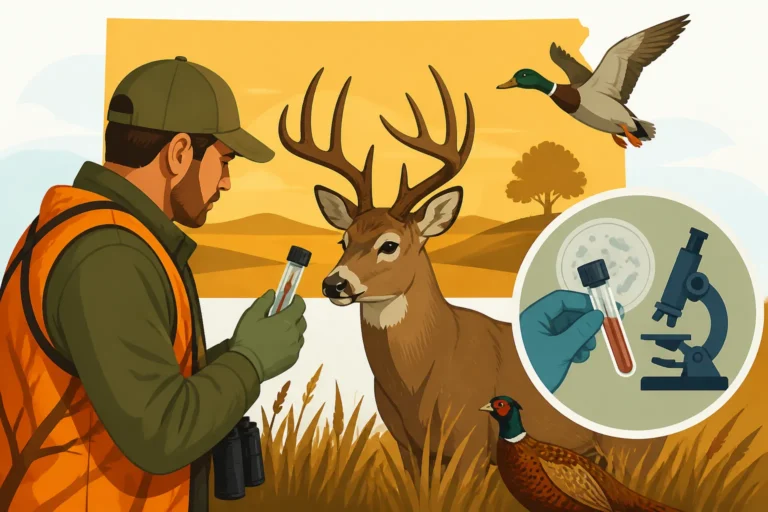
- Locate a Sample Collection Station: KDWP often designates CWD sample collection stations, typically at regional offices, state parks, or even some local meat processors, especially during peak firearm seasons. Some units might also have self-serve kiosks where you can submit samples. Check the KDWP website for the most current list of locations and operating hours.
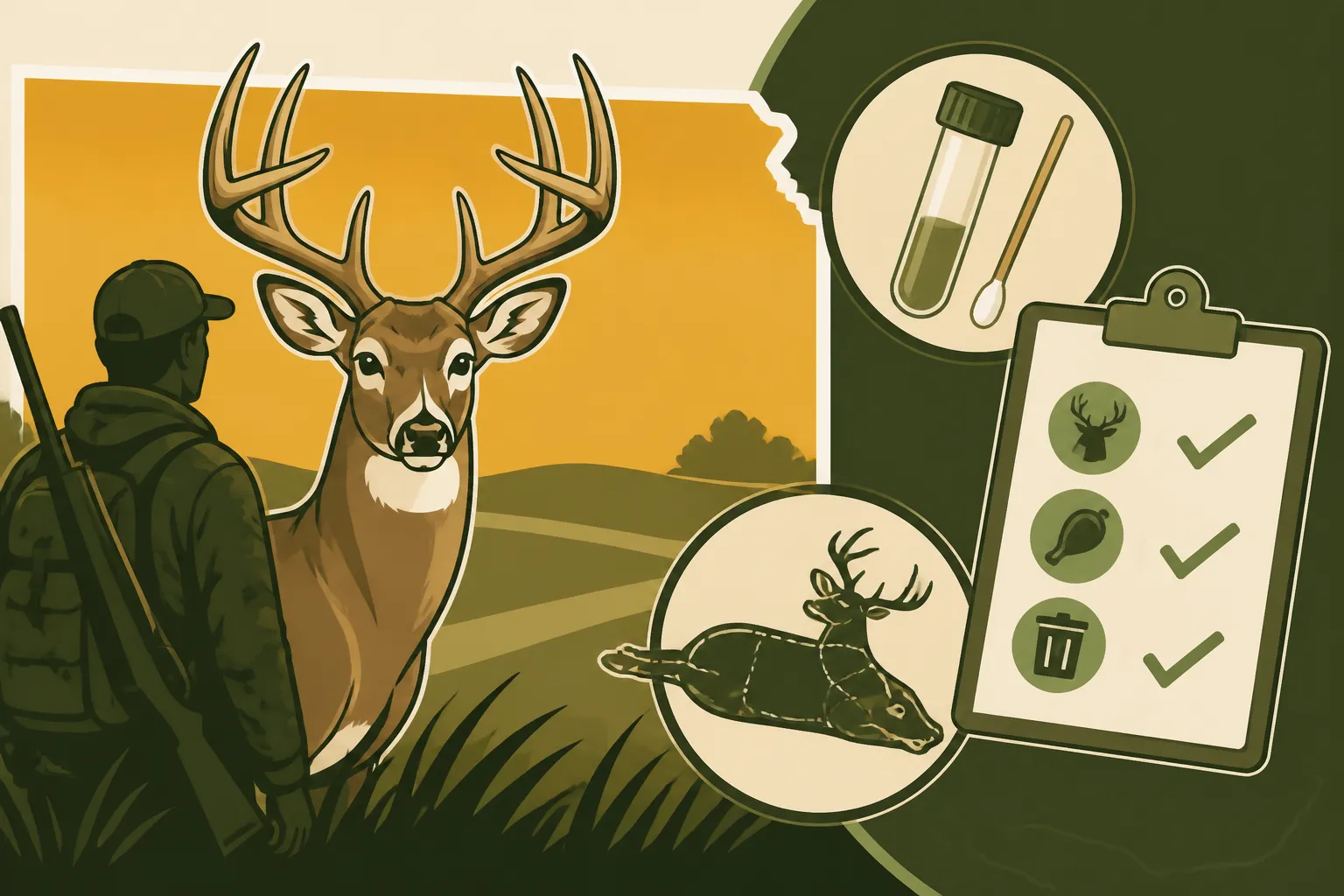
- Prepare Your Deer for Sampling: The sample KDWP needs is usually the head of the deer, specifically the obex tissue from the brainstem, which is where prions accumulate early in the disease. For this reason, you'll need to bring the deer's head, preferably with about 4-6 inches of neck still attached. If you've already caped your deer for taxidermy, you'll still need to bring the brainstem region. Make sure the head is relatively clean and free of excessive dirt or debris.
- Fill Out the Necessary Information: At the collection station, you'll be asked to provide information about your harvest: the date, county, deer management unit, and often GPS coordinates or a detailed description of where the deer was harvested. This data is critical for KDWP to track CWD spread accurately.
- Sample Collection: A KDWP staff member (or you, following instructions at a self-serve station) will carefully extract the obex tissue. This is a small, specific part of the brainstem, so it's best handled by those familiar with the procedure.
- What Happens Next: Once the sample is collected, it will be sent to a diagnostic lab for analysis. This process usually takes a few weeks, though it can sometimes be longer during busy hunting seasons. You'll typically receive your results via email or a notification through the KDWP system.
It's a small effort on your part that makes a huge difference in monitoring and managing CWD.
Interpreting Your Test Results
Once you get those results back, it’s natural to feel a bit anxious. Here’s what the different outcomes mean:
- Negative: This is the result every hunter hopes for. A negative test indicates that CWD prions were not detected in the sample. While no test is 100% foolproof, a negative result provides a high level of confidence that your deer was free of the disease at the time of harvest. You can proceed with processing and consuming your venison with reassurance.
- Positive: If your test comes back positive, it means CWD prions were detected. In this unfortunate event, the KDWP will typically contact you directly to discuss the findings and provide guidance. The official recommendation is to not consume the meat from a CWD-positive animal. While, as mentioned, there's no proven human transmission, public health agencies universally advise against it as a precautionary measure. It's a tough pill to swallow, but it's the safest course of action.
- Inconclusive: Occasionally, a test might come back as inconclusive. This usually means the lab couldn't get a definitive positive or negative reading, perhaps due to sample quality or other factors. In such cases, the KDWP might recommend re-testing if possible, or they may advise treating it as a positive for safety, especially if it was from a high-risk area.
| CWD Test Result | What It Means | Recommended Action for Hunter |
|---|---|---|
| Negative | CWD prions not detected. | Proceed with processing and consuming venison. |
| Positive | CWD prions detected. | Do NOT consume meat. Contact KDWP for disposal guidance. |
| Inconclusive | Test could not provide a definitive result. | Consult KDWP for re-testing options or treat as positive. |
If you ever encounter a deer in the field that appears sick or exhibits CWD-like symptoms, it’s important to know how to respond. You can find detailed guidance on Reporting a Sick Deer in Kansas.
Navigating Kansas Carcass Rules and Transport
Beyond testing, the rules surrounding the physical carcass of a harvested deer are critical in the fight against CWD. Improper handling or transport can inadvertently contribute to the spread of the disease, making all other mitigation efforts less effective. Kansas has specific regulations to prevent this, and every hunter needs to be familiar with them.
Carcass Movement Restrictions
Kansas, like many states, has implemented regulations to restrict the movement of certain parts of deer carcasses, especially out of high-prevalence CWD areas. The primary goal is to prevent the spread of CWD prions into new areas via infected carcass parts. The parts of concern are typically those that contain the highest concentrations of prions: the brain, spinal cord, eyes, spleen, and lymph nodes.
Generally, what you can transport freely are:
- Deboned meat
- Cleaned skull plate (antlers attached, no brain tissue)
- Cleaned hide (no tissue attached)
- Cleaned teeth
- Upper canine teeth
- Finished taxidermy products
What you cannot transport from certain restricted units, or across state lines from any area, are:
- Whole carcasses
- Heads with brain and spinal cord tissue intact
- Spinal columns or other central nervous system tissues
If you harvest a deer in a CWD-management unit, you might be restricted from taking the entire carcass out of that unit until it has been properly processed. This often means field dressing your deer and removing the brain and spinal column, or taking it to a local processor within that unit who can do so. Always check the current KDWP regulations for the most up-to-date information, as these rules can change based on disease prevalence. These restrictions are particularly important to understand if you’re traveling through different units, or if you're a nonresident hunter planning to take your harvest home. The rules for Carcass Transport Across State Lines are often even more stringent.
Proper Carcass Disposal Methods
After you've processed your deer, you'll be left with bones, hide, and other inedible parts. Proper disposal is paramount to minimize the environmental spread of CWD prions. Simply dumping a carcass in a ditch or on undeveloped land, while perhaps convenient, is precisely what contributes to the environmental contamination that allows CWD to persist.
Here are the recommended disposal methods:
- Landfills: This is often the safest and most recommended method. Modern landfills are designed to contain waste and prevent environmental contamination. Bagging carcass remains before placing them in a landfill further ensures containment.
- Burying: If you are on private land and have permission, burying carcass parts can be an option, but it needs to be done correctly. Bury the remains deep enough (at least 3 feet) to prevent scavengers from digging them up and away from water sources. This isn't usually an option for public land or Walk-In Hunting Access (WIHA) properties.
- Professional Waste Services: Some rural areas might have waste services that accept animal remains. Always check with them first regarding their policies.
- On-site Disposal (Limited Circumstances): In some very remote areas, if allowed by local ordinances and landowners, you might be able to leave gut piles. However, if you're in a known CWD area, this should be avoided as it simply reintroduces prions into the environment where other cervids can pick them up. It's always better to remove and properly dispose of all high-risk parts.
The key is to prevent any CWD-infected materials from being reintroduced into the environment where other deer can come into contact with them. Being diligent about carcass disposal is a vital responsibility for every hunter.
Processing Your Deer Safely
Whether you process your deer yourself or take it to a professional, a few safety considerations can help mitigate CWD risks and ensure a quality harvest.
- Gloves and Cleanliness: Always wear latex or rubber gloves when field dressing and processing your deer. This protects you from potential exposure to any pathogens, including CWD prions, and keeps your meat cleaner. Wash your hands thoroughly with soap and water afterward.
- Avoid High-Risk Tissues: When processing, carefully remove and discard the brain, spinal cord, eyes, spleen, and lymph nodes. These are the tissues with the highest concentration of CWD prions. It’s a good practice to segregate these parts and dispose of them with other non-edible carcass remains.
- Dedicated Tools: Consider having a separate set of knives, saws, and cutting boards specifically for deer processing. Thoroughly clean and sanitize all tools and surfaces with a bleach solution (one part bleach to ten parts water) after use.
- Meat Donated to Food Banks: If you plan to donate venison to a food bank or other charitable organization, be aware that many require CWD testing results for acceptance, especially if the deer was harvested in a CWD management zone. Always confirm their specific requirements beforehand.
Field dressing quickly and efficiently is also important, especially if you're hunting during warmer temperatures, to preserve the quality of your meat. For tips on managing your harvest in less-than-ideal conditions, check out Field Dressing in Warm Kansas Weather.
Protecting the Herd and Your Hunt: Best Practices
Hunting in Kansas is a cherished tradition, and maintaining healthy deer populations is a collective responsibility. By adhering to best practices regarding CWD, we can all contribute to safeguarding this tradition for generations to come.
Reducing CWD Risk in the Field
There are several things you can do in the field to be a responsible hunter and minimize the risk of CWD transmission:
- Avoid Shooting Sick Animals: If you see a deer exhibiting symptoms of CWD (emaciation, drooling, neurological issues, loss of fear), do not harvest it. Instead, contact the KDWP immediately and report the sighting with as much detail as possible, including location.
- Don't Bait or Use Mineral Sites: While specific rules vary, the KDWP generally discourages or restricts baiting and mineral site use in CWD management zones. Concentrating deer in one spot can increase nose-to-nose contact and the environmental deposition of prions, accelerating CWD spread. Always check regulations for your specific hunting unit, as rules for things like Feeders and Mineral on Kansas Public Ground can change.
- Process Your Deer Where It Falls (If Possible): If you can field dress your deer and remove high-risk tissues at the kill site, it reduces the chance of transporting those prions to new locations. Then, you can dispose of the high-risk parts appropriately.
- Clean Your Gear: Before leaving an area, especially if it's a known CWD hotspot, take a moment to clean any soil or debris from your boots, tires, and hunting equipment. This helps prevent unknowingly carrying prions to another location.
Supporting KDWP's Efforts
The KDWP relies heavily on hunter cooperation to monitor and manage CWD effectively. Without our participation, their data would be incomplete, making it much harder to understand the disease's true scope.
- Participate in Testing: Whether it's mandatory or voluntary, submitting samples from your harvested deer provides crucial data points. Every sample helps KDWP create more accurate maps, track trends, and make informed management decisions to protect deer health.
- Report Sick Deer: As mentioned, if you see a deer that appears ill, report it. Your eyes and boots on the ground are invaluable assets for wildlife managers.
- Stay Informed: Regularly check the KDWP website for updates on CWD regulations, new management zones, and testing locations. Regulations can change, and staying current ensures you're always compliant and practicing the most responsible hunting methods.
Your involvement is more than just compliance; it's an active contribution to the future of Kansas hunting. By being proactive and informed, you become a part of the solution.
Staying Informed with Resources
The best defense against CWD-related confusion is knowledge. Thankfully, there are excellent resources available to Kansas hunters.
- Kansas Department of Wildlife and Parks (KDWP) Website: This is your primary source for all official CWD information, including current regulations, maps of CWD management units, testing station locations, and annual reports. Make it a habit to check it before each hunting season.
- Hunting Apps and Digital Platforms: Tools like GoHunt often integrate KDWP data, allowing you to see unit boundaries, CWD management zones, and even provide links to official regulations directly from your mobile device. These can be incredibly useful for on-the-go information gathering.
- Local Wildlife Biologists: Don't hesitate to reach out to your local KDWP office or wildlife biologist if you have specific questions about CWD in your hunting area. They are a wealth of knowledge and can provide localized advice.
By actively utilizing these resources, you ensure that you're hunting ethically, legally, and in a way that truly benefits the long-term health of Kansas's incredible deer population. After all, protecting the herd is protecting our passion. If you're looking for more general information about deer management, exploring articles like Why Kansas Deer Grow Big can provide additional context about herd health and habitat.
Disclaimer
This article is for general informational purposes only and does not constitute professional advice. Laws, prices and regulations vary by location and change over time. Consult a qualified professional for guidance on your specific situation.