Reporting a Sick Deer in Kansas
Finding a sick or deceased deer while you're out scouting, hunting, or even just driving through the Kansas countryside can be a truly unsettling experience. It makes you wonder what's going on, whether the animal is suffering, and what it might mean for the overall health of our cherished deer herd. This guide will walk you through exactly why and how to report a sick or dead deer in Kansas, helping you understand the vital role you play in monitoring wildlife health.
Why Reporting a Sick Deer Matters for Kansas Wildlife
When you come across a deer that just doesn't look right, your first instinct might be to just leave it be. But I want to impress upon you how crucial it is to report these sightings to the proper authorities. It's not just about that one animal; it's about the bigger picture for Kansas wildlife, and ultimately, for our hunting future.
Protecting the Herd from Disease Spread
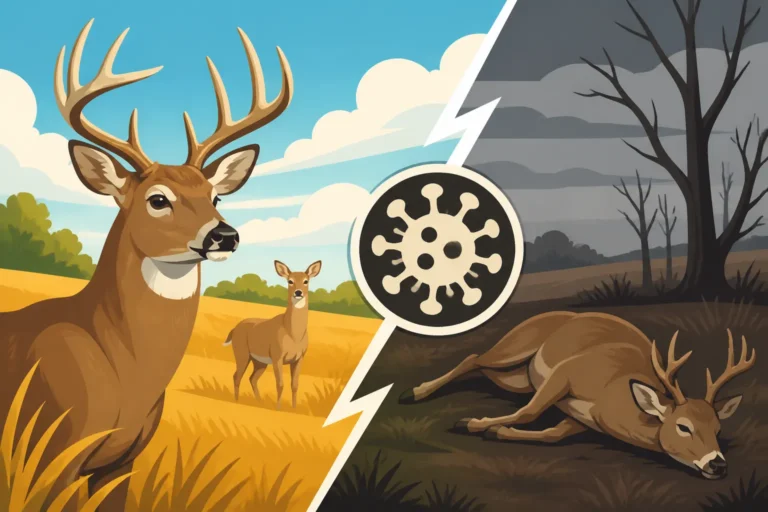
Think of our deer population like a community. If one member gets sick with something contagious, it can quickly spread throughout the neighborhood. Diseases like Chronic Wasting Disease (CWD) or Epizootic Hemorrhagic Disease (EHD) can be devastating if left unchecked. By reporting a sick deer, you're giving wildlife officials a critical heads-up. They can then investigate, assess the situation, and potentially take measures to prevent wider outbreaks. This proactive approach is essential for maintaining a healthy, robust deer population for generations to come. Your report contributes directly to herd management efforts that aim to mitigate the impact of these illnesses, protecting the very resource we love to pursue. It's an act of stewardship for all hunters and wildlife enthusiasts.
Monitoring Wildlife Health Trends
Every report, even if it turns out to be nothing serious, becomes a data point. Wildlife biologists at the Kansas Department of Wildlife and Parks (KDWP) use these reports to track the prevalence and spread of various diseases across the state. This helps them understand where certain diseases are concentrated, how they're moving, and what time of year they're most active. For instance, knowing when and where EHD outbreaks occur helps them predict future challenges and advise hunters accordingly. This constant monitoring is vital for making informed management decisions, from setting harvest quotas to implementing specific regulations aimed at reducing disease transmission. Kansas Wildlife Disease Monitoring is an ongoing effort, and your observations are a valuable part of that scientific process. Without these community-sourced reports, it would be much harder for KDWP to get a real-time pulse on the health of our deer.
What to Look For: Signs of Sickness in Kansas Deer
It's one thing to see a deer, and another to really observe it. Knowing what normal deer behavior and appearance look like is the first step. When something seems off, these are the key indicators you should be looking for, but always remember to keep a safe distance. Never approach a sick or injured animal.
Visible Symptoms and Abnormal Behavior
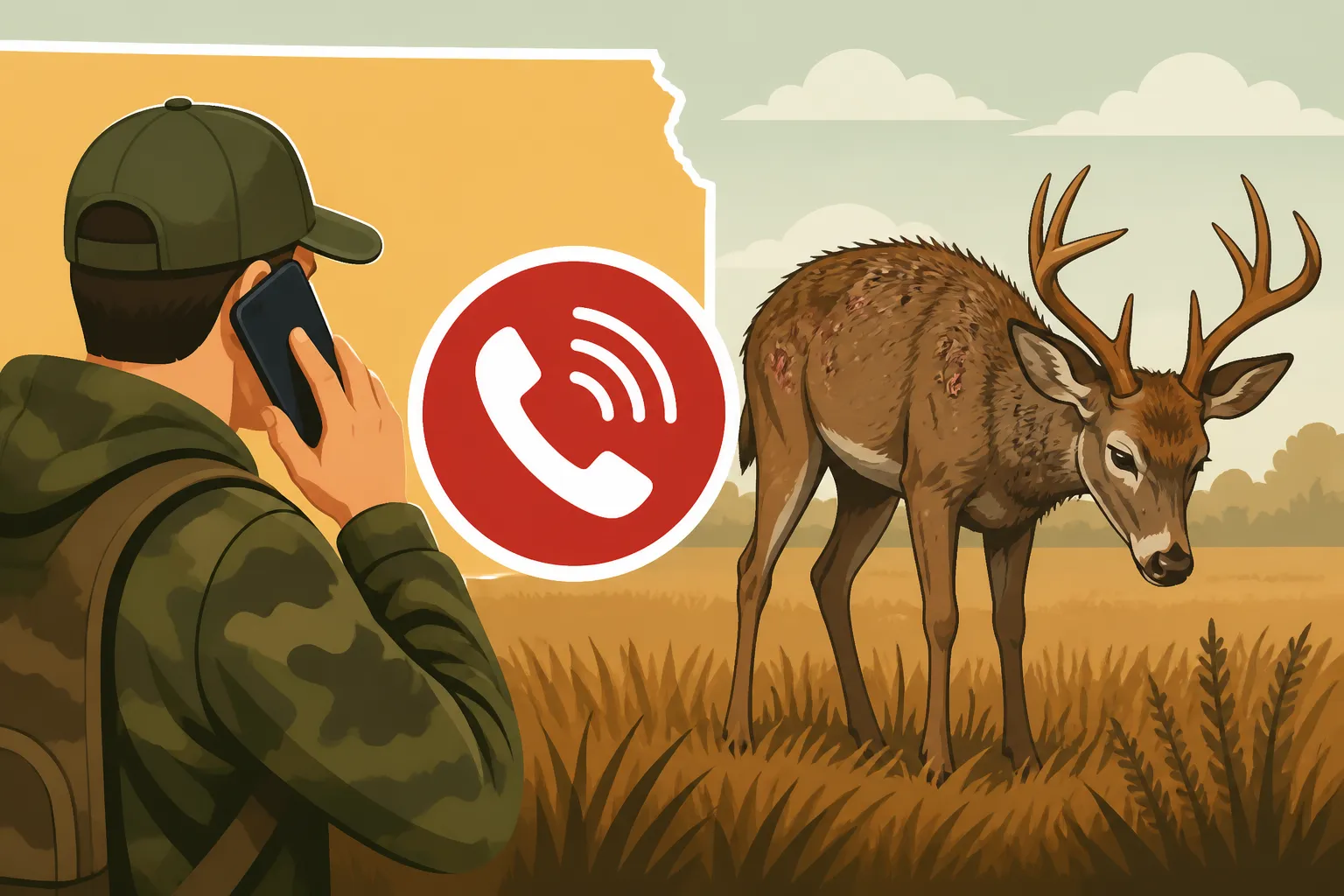
A sick deer often acts completely different from a healthy one. You might notice them looking lethargic, barely moving, or showing no fear of humans, which is highly unusual for a wild whitetail. Keep an eye out for:
- Emaciation or extreme thinness: The deer might look gaunt, with ribs or hip bones easily visible.
- Drooling or excessive salivation: This can be a sign of neurological issues or difficulty swallowing.
- Difficulty walking or standing: They might stumble, circle, or seem disoriented.
- Lesions or sores: Especially around the mouth, nose, or hooves, which are common with certain diseases.
- Discharge from eyes or nose: Runny eyes or a snotty nose can indicate infection.
- Unusual posture: A deer might stand with its head lowered or tucked, appearing depressed.
- Hair loss or rough coat: A healthy deer typically has a sleek, well-maintained coat.
Sometimes, it's not just one symptom but a combination that raises a red flag. If a deer is standing alone, staggering, and has a dull, listless look in its eyes, that's a strong indication something is very wrong. This is particularly true if you see these behaviors in an area where deer are typically active and alert.
Differentiating Natural Causes from Disease
It’s easy to jump to conclusions, but sometimes what looks like sickness could be something else. For example, a deer might be limping due to an old injury, not necessarily a disease. A fawn that appears abandoned might actually have its mother nearby, waiting for you to leave. However, it’s always better to err on the side of caution.
One common natural cause that can mimic sickness, especially post-rut, is simple exhaustion and injury from fighting or breeding. Bucks can look rough, thin, and beat up after the breeding season, but they're typically still alert and trying to recover. A doe with multiple fawns might look very thin in late summer, but again, she's usually still vigilant.
If you see a deer carcass, consider the circumstances. Was it near a road, suggesting a vehicle collision? Are there signs of predation? These are natural occurrences. However, if you find multiple deer carcasses in one area with no obvious signs of trauma, or a deer that died in an unusual location far from a road or water, it's definitely worth reporting. The key is abnormal behavior or conditions that cannot be easily explained by typical circumstances.
How to Report a Sick or Dead Deer in Kansas
So, you've seen something concerning. Now what? Knowing the right steps to take is crucial for getting the information to the people who need it most. It's usually a quick and simple process, and your contribution can be invaluable.
Contacting the Kansas Department of Wildlife and Parks (KDWP)
The absolute best way to report a sick or dead deer is to contact the Kansas Department of Wildlife and Parks (KDWP). They are the primary agency responsible for managing and monitoring the state's wildlife populations. You have a few options for reaching them:
- Phone Call: The quickest way to get a direct response is often to call your local KDWP office during business hours. If you don't know the local number, the main KDWP office number can direct you. For urgent matters outside of business hours, some KDWP offices have a general law enforcement number or non-emergency dispatch you can call, but always clarify if your sighting constitutes an emergency.
- Online Reporting: KDWP also offers online reporting methods through their website. This might be a dedicated wildlife health reporting form or a general contact form where you can submit details. This is often convenient for non-urgent observations.
- Email: Sending an email to a general KDWP information address or a specific wildlife biologist's email (if you can find one) is another option, especially if you have photos or videos to attach.
No matter which method you choose, be prepared to provide as much detail as possible. Remember, you're their eyes and ears in the field, so clarity is key.
Information You'll Need to Provide
When you make that report, the KDWP will want specific information to help them assess the situation accurately. Having these details ready will make the process much smoother:
- Exact Location: This is paramount. Pinpoint the location as precisely as possible. A GPS coordinate is ideal, but descriptive landmarks work too. If you use a mapping app like GoHunt, you can easily drop a pin and get coordinates to relay. Even a description like "about 1/4 mile west of the intersection of County Road 500 and Highway 18, in a bean field" is incredibly helpful.
- Date and Time of Sighting: When did you see the deer? If it's a carcass, when did you first observe it, and how long does it appear to have been there?
- Description of the Deer: Was it a buck, doe, or fawn? Did it have antlers? Estimate its size if you can.
- Symptoms Observed: List all the abnormal behaviors or physical signs you noticed. Was it stumbling, drooling, extremely thin, or showing no fear? Be specific.
- Number of Deer Affected: Was it just one deer, or did you see multiple animals with similar symptoms?
- Condition of Carcass (if dead): If it was a deceased deer, describe its condition. Was it fresh, or was decomposition already evident? Were there any obvious signs of trauma (e.g., vehicle strike marks) or was the cause of death unclear?
- Your Contact Information: Provide your name and a phone number or email address so KDWP staff can follow up if they need more information.
Here’s a quick table to help you gather your thoughts before making that call:
| Information Needed | Details to Provide |
|---|---|
| Location | GPS coordinates (from a GoHunt pin, for example), nearest cross streets, mile markers, notable landmarks (e.g., "north side of the timber line near the red barn"). |
| Date & Time | Exact date and approximate time you observed the deer. |
| Deer Description | Buck, doe, fawn? Antler size (if buck)? Approximate size/age? |
| Observed Symptoms | Lethargy, drooling, stumbling, emaciation, lesions, discharge, unusual fearlessness, circling, etc. Be as detailed as possible. |
| Number of Deer Affected | One animal or multiple? If multiple, are they clustered or spread out? |
| Carcass Condition | Freshly dead, partially decomposed? Obvious signs of injury (e.g., roadkill)? Any unusual circumstances? |
| Your Contact Info | Name, phone number, email address. |
Don't hesitate to report. Even if you're unsure, letting KDWP know allows them to investigate. It's always better for them to get too many reports than not enough.
Understanding Common Deer Diseases in Kansas
While many things can make a deer sick, there are a few widespread diseases in Kansas that are particularly important for hunters and outdoor enthusiasts to be aware of. Knowing a little about them can help you identify suspicious symptoms and understand why your reports are so critical.
Chronic Wasting Disease CWD and Its Implications
Chronic Wasting Disease, or CWD, is a neurological disease that affects deer, elk, and moose. It's caused by abnormal proteins called prions and is always fatal. The terrifying thing about CWD is that it can remain infectious in the environment for years, making it a persistent threat. In Kansas, CWD has been detected in various units, and its presence is a serious concern for the long-term health of our deer herds.
Symptoms of CWD typically progress slowly over many months. A deer infected with CWD might appear:
- Extremely emaciated: This is where the "wasting" part of the name comes from.
- Lethargic or listless: Showing reduced activity and a general lack of alertness.
- Drooling excessively: Often due to difficulty swallowing.
- Having an altered gait: Stumbling, walking in circles, or showing poor coordination.
- Unusually thirsty or urinating frequently: Despite drinking more, they continue to lose weight.
- Exhibiting abnormal behavior: Showing less fear of humans, or being disoriented.
The reason reporting suspected CWD cases is so important is because there is no cure, and it's highly contagious among cervids. KDWP actively monitors for CWD through hunter-submitted samples and targeted surveillance. Understanding Chronic Wasting Disease in Kansas helps us all take precautions, like proper carcass disposal, to slow its spread. Hunters need to be especially mindful of CWD, as it can be found in animals that appear healthy.
Epizootic Hemorrhagic Disease EHD and Blue Tongue
Unlike CWD, Epizootic Hemorrhagic Disease (EHD) and its closely related virus, Blue Tongue, are acute viral diseases. They are transmitted by biting midges, sometimes called "no-see-ums." EHD typically flares up in late summer and early fall, especially during drought conditions when deer are concentrated around dwindling water sources, making transmission easier. Once the first hard frost kills the midges, new cases usually cease.
Symptoms of EHD and Blue Tongue are often more rapid and dramatic than CWD:
- High fever: Which leads the deer to seek out water sources, sometimes dying near them.
- Swelling: Especially of the head, neck, tongue, and eyelids, giving the tongue a bluish appearance.
- Ulcers and lesions: Inside the mouth, on the tongue, and sometimes on the hooves.
- Lethargy and weakness: Deer may be too weak to move, often found lying down.
- Excessive drooling and foaming at the mouth:
- Hemorrhaging: Internal bleeding can occur, leading to organ damage.
Because of the high fever, deer infected with EHD often head to water, so you might find multiple dead deer around ponds, creeks, or river bottoms. This is a tell-tale sign of an EHD outbreak. While EHD can cause significant localized die-offs, especially impacting EHD Effects on Kansas Deer Herds in certain years, it doesn't have the long-term, chronic implications of CWD. Surviving deer develop immunity, and the population typically bounces back. However, reporting these clusters of dead deer is still vital for KDWP to track the disease's prevalence and geographic spread each year.
Other Potential Concerns
While CWD and EHD are the most talked-about deer diseases, deer can also suffer from other conditions. These include bacterial infections, parasites, or even injuries that become infected. While less common for widespread herd impact, individual animals can still get sick from things like:
- Bacterial infections: Such as pneumonia or abscesses from wounds.
- Parasites: Heavy loads of internal or external parasites (like ticks) can weaken a deer, making it more susceptible to other illnesses.
- Malnutrition: Especially during harsh winters or droughts, deer can become weak and vulnerable, though this is usually due to environmental stress rather than a transmissible disease.
- Traumatic injuries: From vehicle collisions, fence encounters, or fights with other bucks. These can lead to infection and eventual death.
Regardless of the suspected cause, if a deer appears severely ill or has died under unexplained circumstances, the best course of action is always to report it to the KDWP. You don't need to be a wildlife expert to make a difference; you just need to be observant and willing to make that call. Your diligence helps keep Kansas's incredible wildlife resources healthy for everyone.
Disclaimer
This article is for general informational purposes only and does not constitute professional advice. Laws, prices and regulations vary by location and change over time. Consult a qualified professional for guidance on your specific situation.